



Antique Tripod Jardiniere
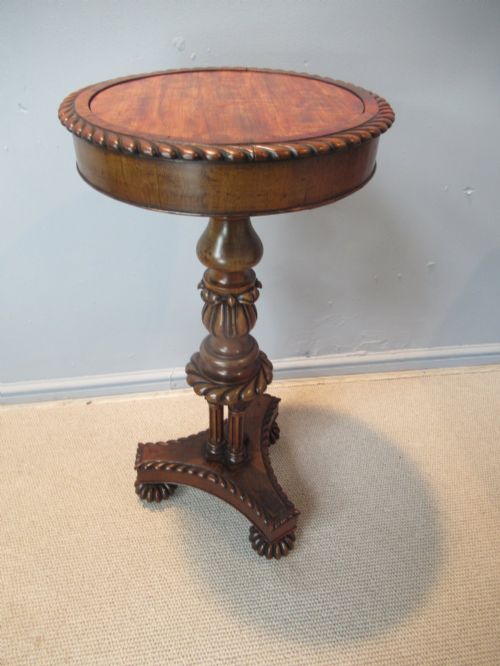
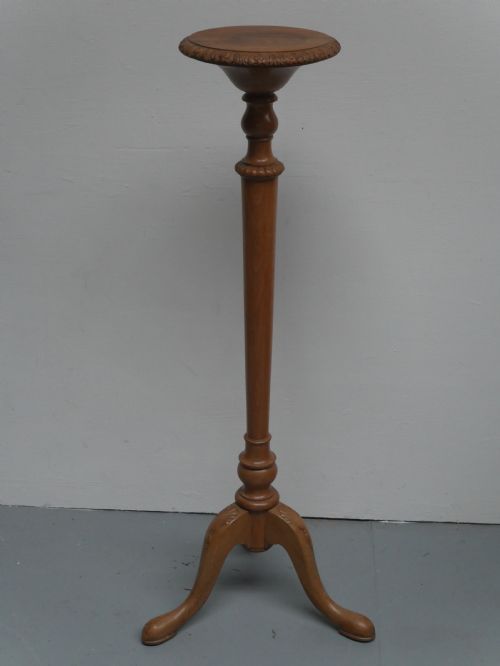
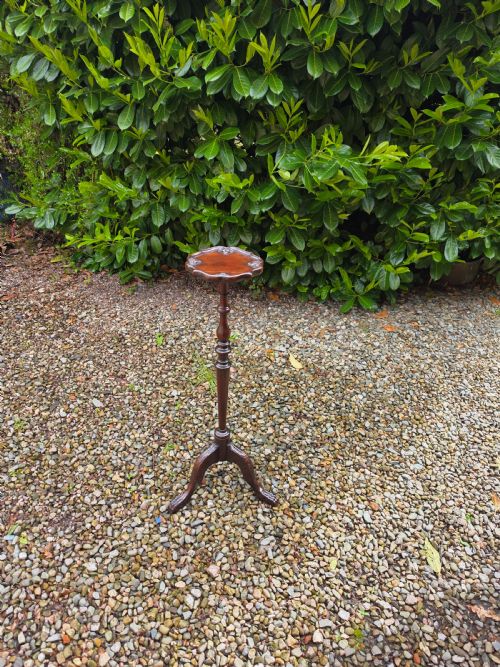
These antique tripod jardiniere pieces hold plants with architectural presence, offering a sturdy three-legged support for interior greenery.
Materials and construction methods
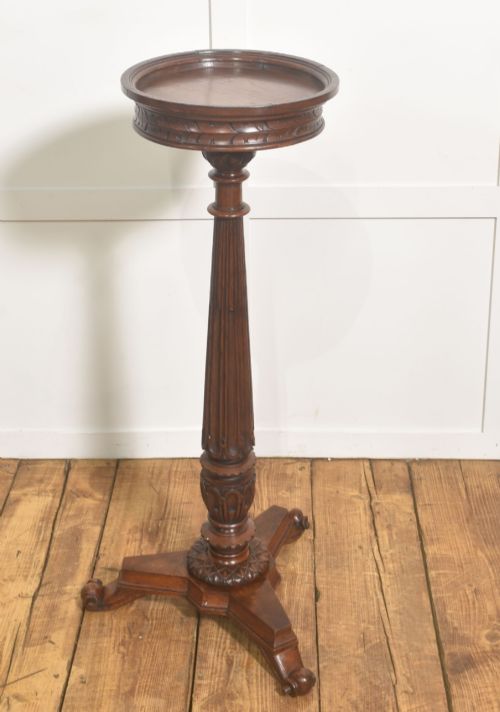
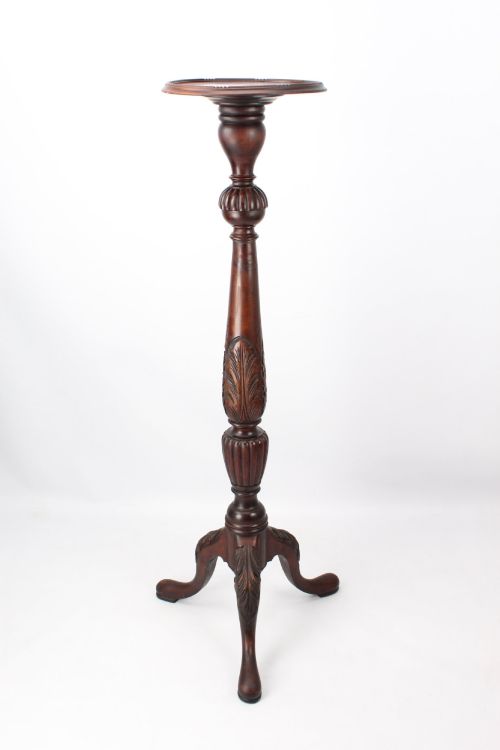
Cabinetmakers utilised dense timbers like mahogany, walnut, satinwood, and ebony to construct the tripod legs and supporting frames of these stands. Carpenters often incorporated wood inlays, carvings, and giltwood finishes to enrich the appearance of Victorian and Edwardian examples.
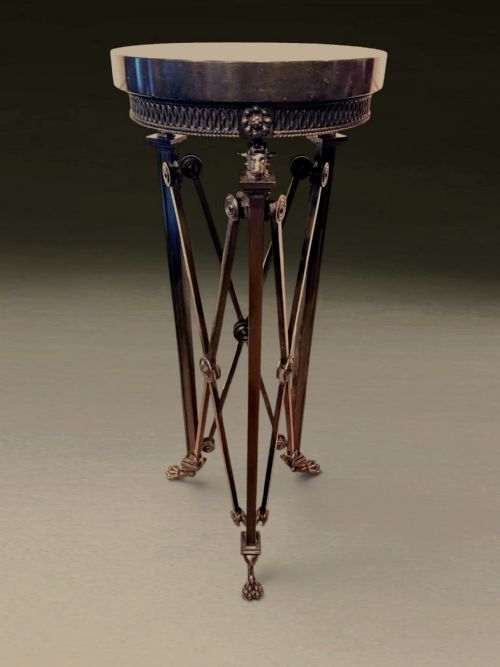
Metal components appear in bronze, brass, and regency metalwork, forming structural stands or decorative linings for the plant vessels. Stoneware and ceramic bodies, including Satsuma and Victorian art pottery, provide durable waterproof basins for holding soil and plants.
Assessing quality and craftsmanship
Superior examples display precise joinery in the tripod base, ensuring stable weight distribution beneath the plant holder. Hand-carving and careful wood selection mark the upper tier of furniture, whereas simpler turned legs represent more utilitarian production.
Artistic execution differentiates standard ceramic pots from notable studio pieces, such as signed Doulton Burslem or Japanese Satsuma works. The integrity of internal metal liners and the crispness of brass mounts further distinguish finer pieces from standard domestic items.
Some nineteenth-century makers cleverly disguised afternoon tea tables as plant holders, keeping refreshment close to the ferns.
Doulton Burslem·Ethel Beard
The Antique Tripod Jardiniere Glossary
- Jardiniere
- A decorative pot or stand designed to hold plants and flowers indoors. These vessels sit upon tables or integrate directly into tall tripod pedestals.
- Tripod base
- A three-legged support system providing stability for elevated plant stands and small tables. This configuration prevents rocking on uneven domestic flooring.
- Torchere
- A tall ornamental stand originally intended to support a light source, later adapted for display purposes. These slender supports share structural similarities with tall plant pedestals.
- Athenienne
- A decorative stand featuring a tripod base supporting a basin, inspired by classical antiquity. Regency craftsmen often produced these metal and bronze forms for neoclassical interiors.
- Satsuma
- A type of Japanese earthenware decorated with enamels and gilding over a crackle glaze. These ceramics frequently appear mounted within nineteenth-century display stands.
Antique Tripod Jardiniere: Frequently Asked Questions
What is an antique tripod jardiniere?
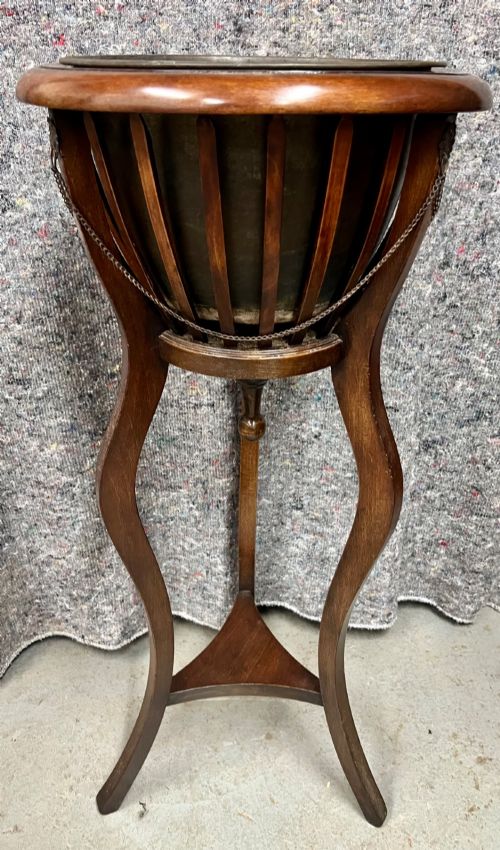
An antique tripod jardiniere is a raised plant holder supported by three legs, designed to display indoor foliage at an elevated level.
These pieces combine a decorative bowl or ring with a stable base, spanning styles from the Regency period through the Edwardian era.
How were these stands used historically?
Households placed these stands in drawing rooms, hallways, and conservatories to bring living plants into interior living spaces.
The elevated design protected flooring from moisture while positioning ferns and flowering plants at eye level.
How do I care for wooden plant stands?
Protect wooden surfaces from water damage by utilising waterproof liners inside the jardiniere bowl and wiping up spills promptly.
Apply suitable furniture wax periodically to maintain the finish of mahogany, walnut, or satinwood frames.
How can I identify the period of a stand?
Dating relies on examining the timber, construction methods, and decorative motifs characteristic of Victorian, Edwardian, or Regency design.
Ceramic components often bear factory marks or signatures that pinpoint the exact decade of manufacture.