



Antique Triple Sofa
An antique triple sofa offers generous seating scaled for grand reception rooms, bringing classical revival silhouettes and timber frames into domestic spaces.
Antique Triple Sofa
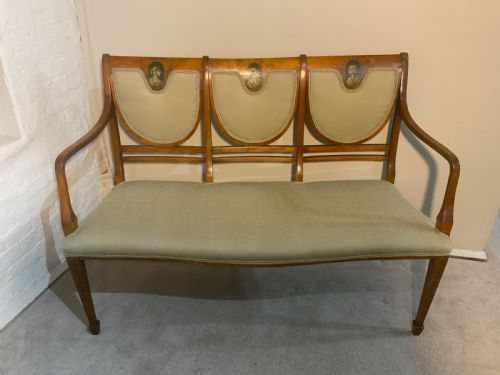
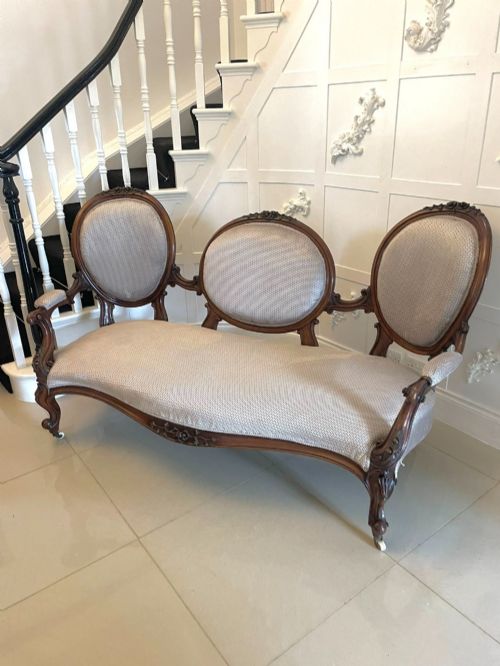
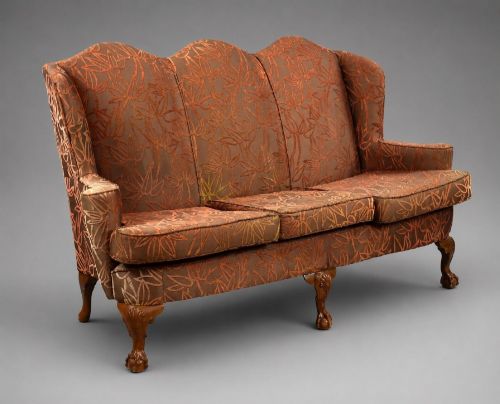
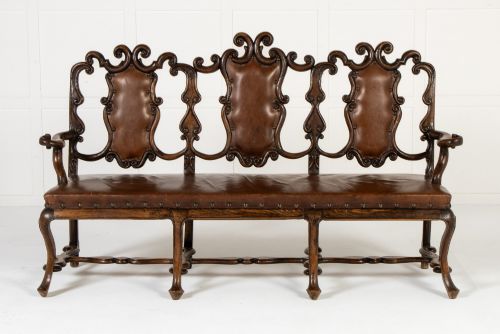
When searching for an antique triple sofa, you encounter expansive multi-seat forms designed to accommodate three individuals across extended timber frames. The listings show these pieces frequently designated as settees or three-seat sofas, spanning the nineteenth century through to the early twentieth century.
The most common versions met on this page include chair back settees and upholstered three-seat sofas influenced by historical revivals. These range from nineteenth-century walnut and mahogany frameworks to painted and inlaid satinwood examples produced around nineteen hundred.
Makers drew heavily upon established historical vocabularies, resulting in pieces styled after the Regency period, Hepplewhite, Sheraton Revival, Queen Anne style, and Carolean design. The forms encompass shield backs, cameo backs, and triple chair back structures alongside simpler upholstered benches.
Assessing quality in multi-seat seating
Quality diverges significantly in the crispness and depth of hand-carved details across the timber frames, particularly on backsplats, arms, and cabriole legs. Superior pieces display sharply defined motifs and balanced proportions that reflect rigorous cabinet-making standards.
The integrity of the timber joints and the precision of inlaid veneers or painted decorations distinguish finer examples from standard production pieces. A well-constructed frame maintains rigidity across its extended length, ensuring stability for three occupants without compromising the elegance of the silhouette.
Antique Triple Sofa Retail Price Guide 2026
Typical asking prices for triple sofa among the pieces listed under this phrase on Sellingantiques today, from the lower quarter to the upper quarter. They describe what is for sale here now, not the wider market.
Several makers squeezed triple chair backs into unexpected spaces, proving Victorians loved symmetry even if it meant sitting three in a row.
The Antique Triple Sofa Glossary
- Settee
- A long upholstered seat with a back and arms, designed for more than one person. It functions similarly to a sofa and appears frequently in nineteenth-century formal interiors.
- Chair back settee
- A seating form where the back is constructed like a row of joined chair backs, often featuring carved splats. This design echoes earlier dining chair aesthetics scaled up for drawing room use.
- Shield back
- A chair or settee back shaped in the outline of a heraldic shield, popularised in eighteenth-century design manuals and revived later. It requires skilled woodworking to shape the curved timber frame harmoniously.
- Satinwood
- A durable, yellowish timber often used for fine veneer work and cabinet making during the eighteenth and nineteenth centuries. Its lustrous grain takes inlays and polish exceptionally well.
- Cabriole leg
- A furniture leg that curves out and then in, resembling the leg of an animal. This classic form appears frequently on revival pieces influenced by earlier stylistic periods.
Antique Triple Sofa: Frequently Asked Questions
Where were triple sofas placed?
These extended seats belonged in principal reception rooms, drawing rooms, and large hallways where households entertained guests. Their generous proportions required substantial floor space away from heavy traffic.
In period homes, they sat against primary walls or framed conversation groupings around fireplaces. Their scale made them natural focal points for interior arrangements.
How do I care for antique wood frames?
Maintain timber surfaces by dusting gently with a dry, soft cloth and avoiding silicone-based polishes that build up over time. Keep furniture away from direct heat sources and strong sunlight to prevent timber splitting and fading.
Inspect joints periodically for stability, and treat exposed wood with appropriate microcrystalline wax sparingly. Professional conservation is recommended for structural repairs.
How do I distinguish revival styles?
Revival pieces borrow decorative vocabulary from specific historical eras, such as Queen Anne or Hepplewhite, while employing nineteenth-century construction methods. Examining the secondary woods, screw types, and joinery helps date the manufacture accurately.
Stylistic cues like shield backs or triple chair arrangements indicate the design source, whereas tool marks and wood ageing reveal the actual period of creation.
Can I use these sofas daily?
Routine use is entirely appropriate for sturdy antique frames, provided the internal webbing and upholstery support weight evenly. Lighter chair back designs suit lighter sitting rather than heavy lounging.
Consider having upholstery redone with modern supportive foundations if daily seating is intended. Regular checks of the frame ensure historical joints remain secure under regular loads.