





Antique Trinket Basket
An antique trinket basket is a delicate container for small treasures, offering a glimpse into Victorian and Edwardian dressing tables with enduring charm.
Antique Trinket Basket
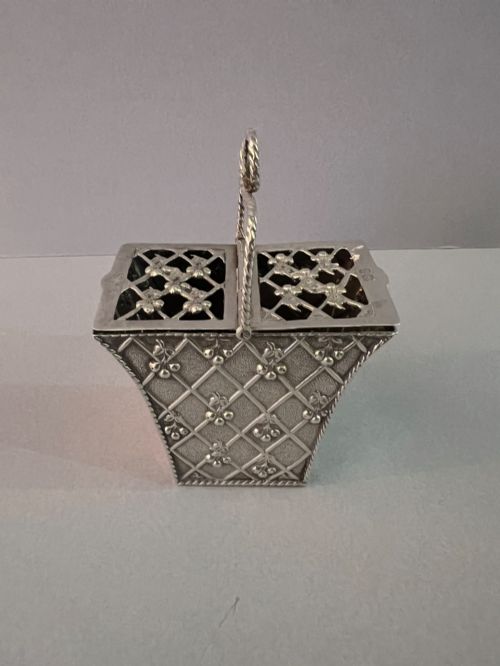
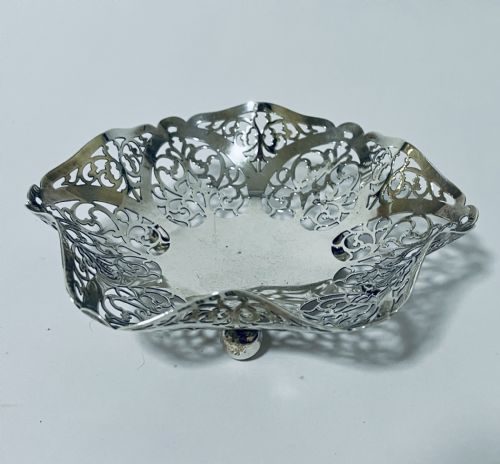
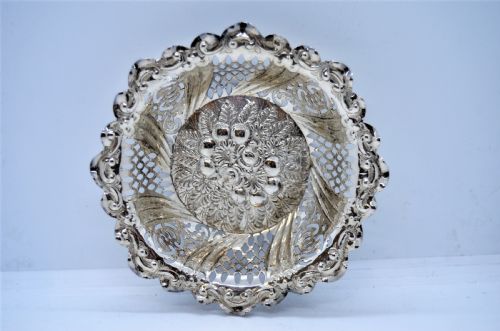
When you search for an antique trinket basket, you encounter small decorative containers designed for dressing tables and sideboards, spanning the nineteenth and early twentieth centuries. These objects take the form of miniature bonbon dishes, potpourri baskets, and sweetmeat dishes intended to hold small valuables.
The versions most likely to appear on this page include Victorian and Edwardian solid silver examples, alongside porcelain pieces from factories such as Worcester and Rockingham. Styles range from plain Regency designs to decorative Victorian Imari patterns and detailed Art Deco forms.
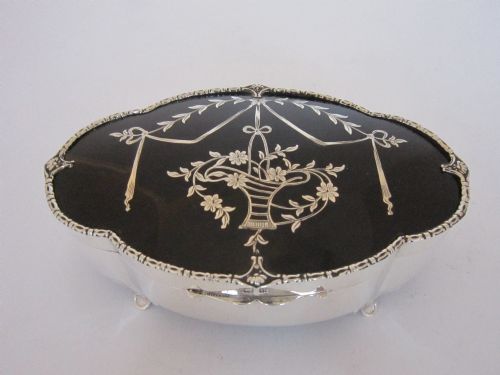
Makers utilised various traditional materials, creating vessels with swing handles, applied flowers, or tortoiseshell panels. Each piece reflects the domestic habits of past eras, serving both ornamental and practical purposes in the home.
How they were made
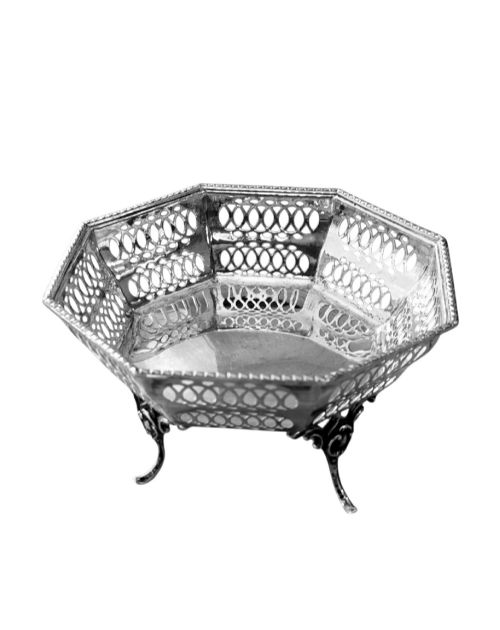
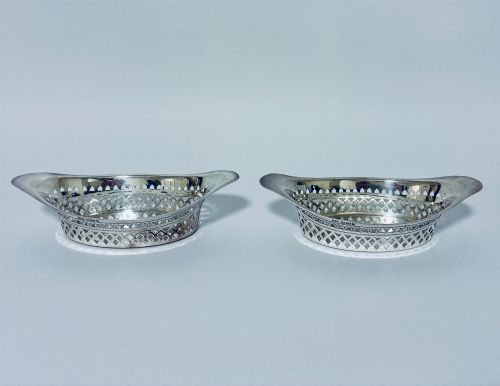
Silversmiths shaped solid silver and silver plate through hammering, piercing, and casting, often incorporating swing handles and intricate pierced lattice patterns. Makers such as William Comyns applied fine metalwork techniques to create structured vessels.
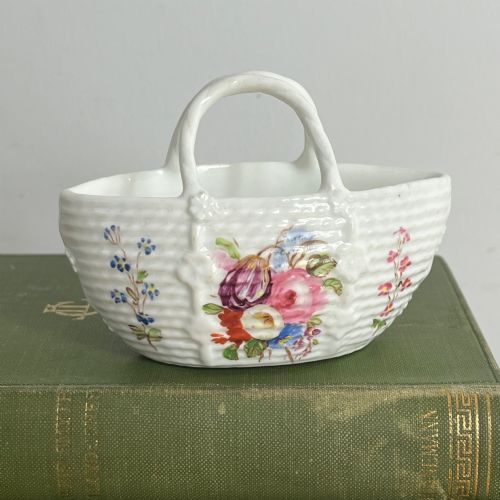
Ceramic baskets emerged from porcelain and ironstone bodies, painted by hand with floral motifs or detailed views. Factories applied coloured glazes and occasionally added delicate applied porcelain flowers to the exterior surfaces.
Specialist craftspeople utilised alternative media like wood, seen in Tunbridge Ware items constructed from tiny mosaic wood blocks, and combined sterling silver with tortoiseshell for contrasting texture.
Antique Trinket Basket Retail Price Guide 2026
Typical asking prices for trinket basket among the pieces listed under this phrase on Sellingantiques today, from the lower quarter to the upper quarter. They describe what is for sale here now, not the wider market.
Listings feature 19th Century and Victorian pieces alongside Edwardian and Art Deco examples, spanning silver, porcelain, and tortoiseshell.
What varies in quality
Quality rests upon the crispness of the handpainted details on porcelain examples and the precision of the piercing on silver specimens. Superior pieces maintain intact applied floral elements and retain their original structural form without distortion.
The reputation of the maker influences the standing of a piece, with recognised names and documented porcelain manufactories commanding greater interest than unmarked wares. Material selection, such as heavy solid silver versus lighter plating, also divides the range.
Flight Barr And Barr·Rockingham·William Comyns·Mason
The Antique Trinket Basket Glossary
- Bonbon dish
- A small ornamental dish or basket designed to hold sweets or confectionery. These are frequently found in silver from the Victorian period.
- Potpourri basket
- A decorative container fitted with a pierced lid or openwork sides to release the scent of dried flower petals. They often feature swing handles.
- Sweetmeat basket
- A small footed or handled vessel historically used for serving dry sweetmeats or delicacies. They mirror the scale of miniature trinket containers.
- Tunbridge Ware
- A type of British decorative woodworking characterised by mosaic patterns assembled from thousands of tiny coloured wood blocks. This technique creates geometric surface pictures.
- Imari pattern
- A decorative style inspired by Japanese export porcelain, utilising iron red, underglaze blue, and gilt. Victorian manufacturers adopted this palette for ceramic baskets.
Antique Trinket Basket: Frequently Asked Questions
What were antique trinket baskets used for?
These small containers were kept on dressing tables to hold rings, pins, small keepsakes, and sweets. They functioned as both practical storage and decorative ornaments in domestic settings.
Over time, their uses shifted as changing fashions altered how dressing tables were arranged and accessorised.
How do I identify a Victorian silver basket?
Look for British hallmarks stamped onto the metal, which indicate the assay office, standard of silver, and year of manufacture. Stylistic clues like heavy floral embossing also point to this era.
Comparing the weight and construction methods helps distinguish genuine nineteenth-century examples from later reproductions.
What is the difference between porcelain and silver baskets?
Porcelain baskets were produced by ceramic factories with handpainted floral scenes and applied porcelain details. Silver baskets relied on metalwork techniques like piercing and embossing.
Both materials served similar decorative roles but required entirely different manufacturing traditions.
How should I display these baskets at home?
They suit placement on dressing tables, mantelpieces, or inside glass cabinets where their fine details remain visible. Their small scale allows them to sit comfortably on narrow surfaces.
Keeping them away from direct sunlight protects delicate porcelain handpainting and sensitive materials like tortoiseshell.