




Antique Tribal Weaving
These antique tribal weaving pieces bring nomadic woolwork and village textiles into modern rooms.
Antique Tribal Weaving
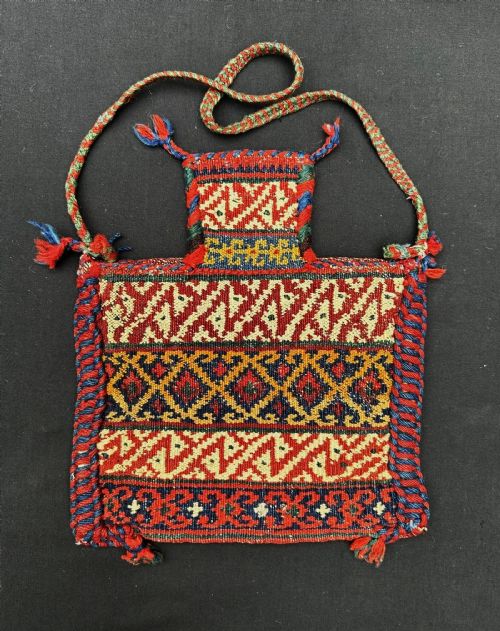
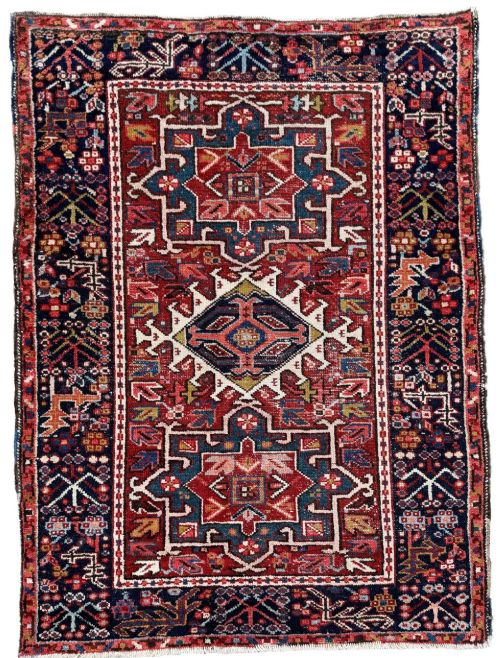
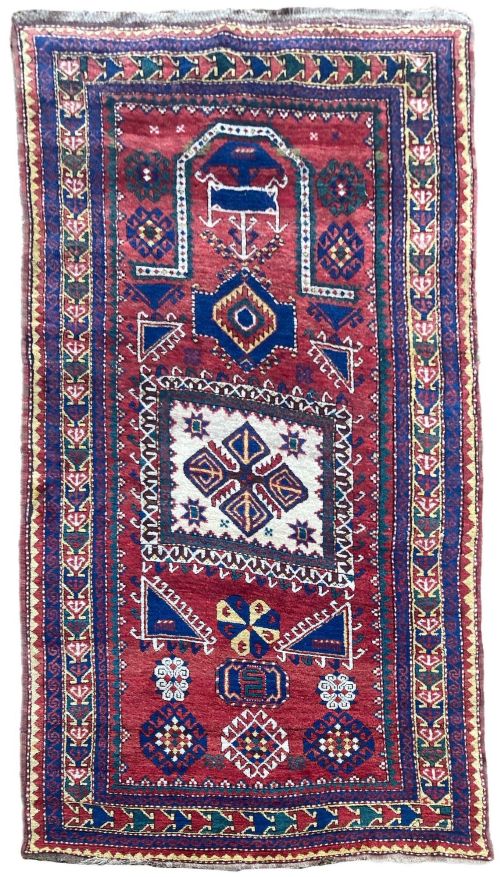
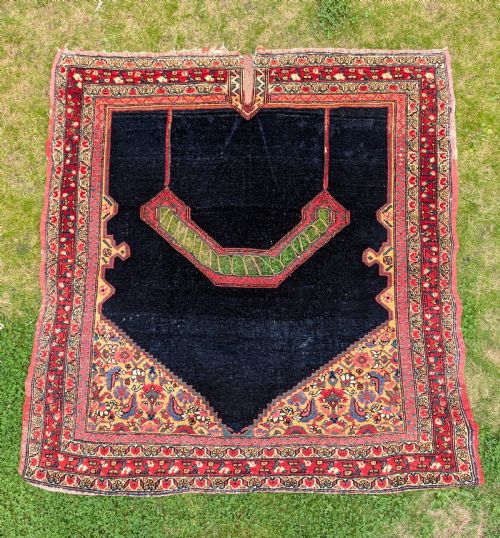
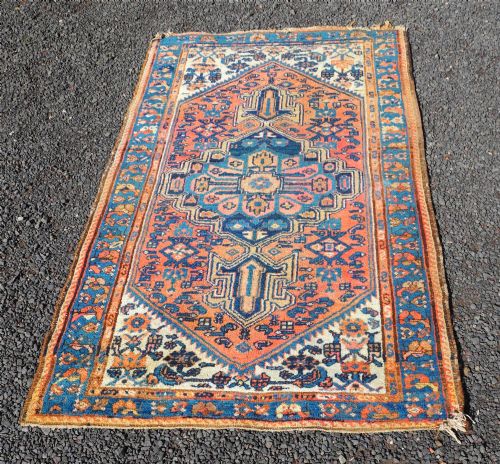
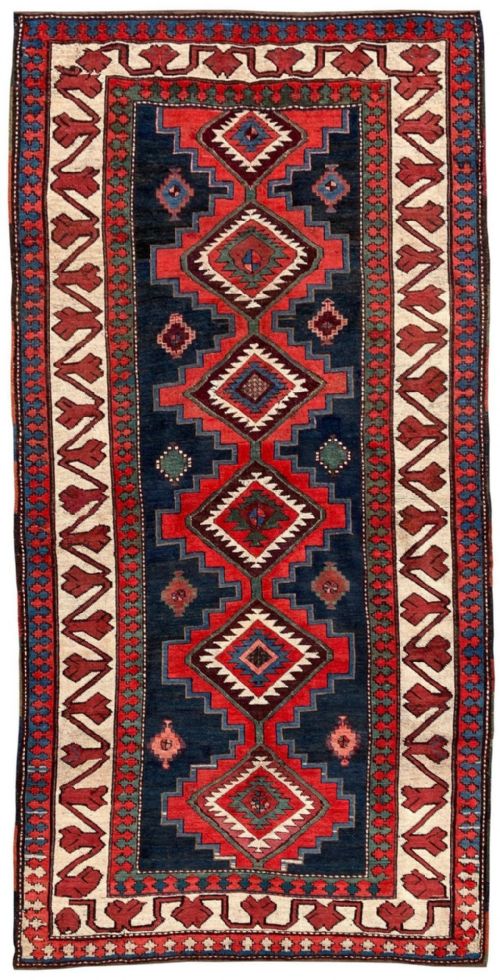
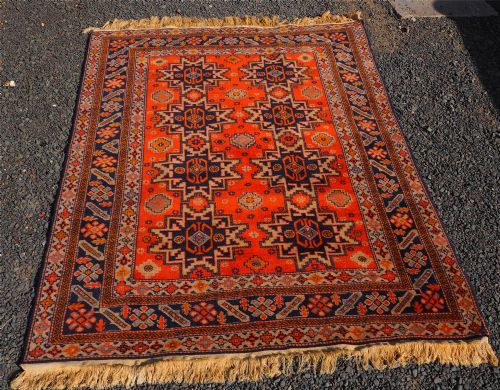
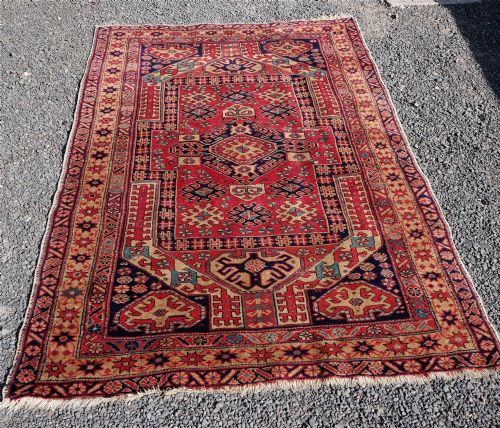
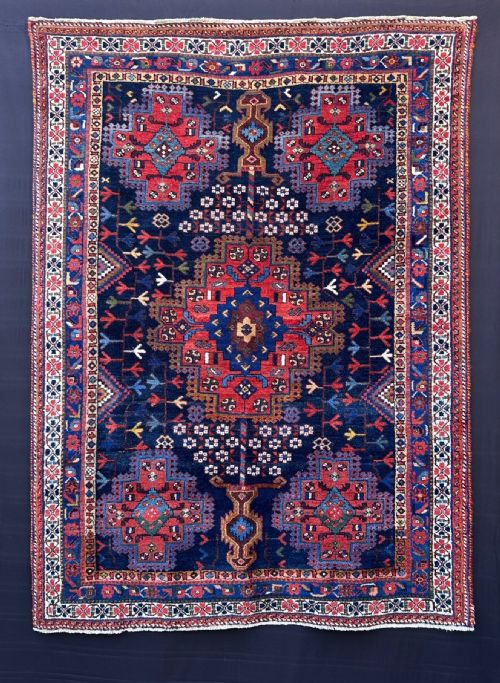
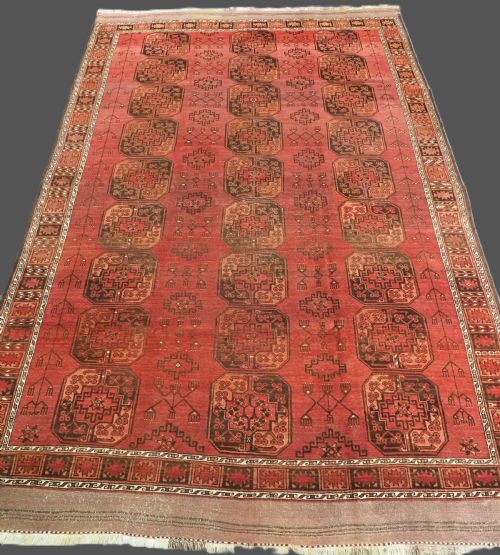
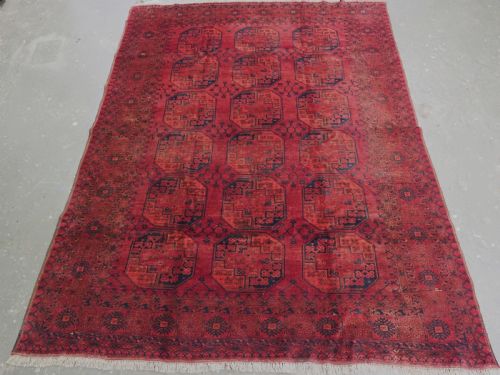
When you search for antique tribal weaving, you are looking at nomadic and village textiles produced across Central Asia, Persia, and the Caucasus during the nineteenth and early twentieth centuries. These works include rugs, saddle bags, horse covers, and dowry trappings made by distinct tribal groups for domestic and ceremonial use.
On this page, the pieces you are most likely to meet span the period from the mid-nineteenth century up to the nineteen-twenties. They represent specific tribal traditions such as Turkmen, Persian, Kurdish, and Shahsevan groups, showcasing utilitarian forms like horse blankets and bag faces.
Nomadic weaving differs fundamentally from urban workshop production because the makers worked independently to fulfil the functional needs of their communities. The resulting textile forms reflect nomadic mobility, utilising wool structures suited to camp life and transport.
Judging quality in nomadic textiles
Quality in these textiles rests upon the density of the weave, the precision of the tribal motifs, and the depth of the natural dyes. Superior examples display tighter knotting or finer flatweave structure alongside well-balanced colour combinations.
The distinction between ordinary utility items and exceptional pieces also lies in the complexity of the design layout, such as the arrangement of specific guls or field patterns. Condition and completeness, particularly the survival of original plain weave backs or complete borders, further separate standard examples from finer survivals.
Antique Tribal Weaving Retail Price Guide 2026
Typical asking prices for tribal weaving among the pieces listed under this phrase on Sellingantiques today, from the lower quarter to the upper quarter. They describe what is for sale here now, not the wider market.
Several pieces were designed specifically to ride on the flanks of wedding camels, carrying portable domestic art across the dust.
The Antique Tribal Weaving Glossary
- Gul
- A medallion motif repeated across Turkmen and other Central Asian textiles. The term originates from the Persian word for flower or rose.
- Torba
- A small storage bag produced by nomadic tribes for domestic use inside a tent. These pieces frequently feature detailed secondary ornament on the face.
- Chuval
- A large storage bag utilised by nomadic groups for bedding and household goods. They often display structured rows of major tribal motifs.
- Khorjin
- A paired saddlebag designed for transport on animals during seasonal migrations. Complete examples include both pockets and the connecting web.
- Asmalyk
- A ceremonial pentagonal trapping hung on the flanks of a camel during wedding processions. These pieces formed part of a bride's dowry.
Antique Tribal Weaving: Frequently Asked Questions
What is tribal weaving?
Tribal weaving comprises textiles produced by nomadic and semi-nomadic groups for their own daily use, transport, and ceremonies rather than for commercial export markets.
These pieces include horse covers, storage bags, and rugs created from hand-spun wool and natural dyes.
How were these bags used?
Nomadic families utilised bags such as torbas and chuvals inside their tents to store bedding, clothing, and household provisions off the ground.
Saddlebags and horse covers served practical transport and ceremonial functions during seasonal migrations and tribal gatherings.
How do I live with antique weaving?
These textiles fit well as wall hangings, table covers, or floor pieces in low-traffic areas where their wool structure remains protected.
Regular gentle rotation and vacuuming without a beater bar help preserve the natural fibres over time.