




Antique Tribal Rug Mat
An antique tribal rug mat brings centuries of nomadic artistry and geometric warmth directly to your floor.
Antique Tribal Rug Mat
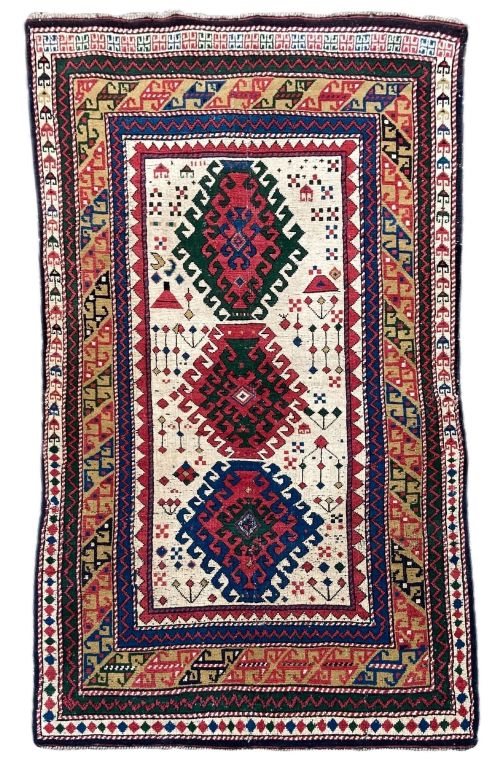
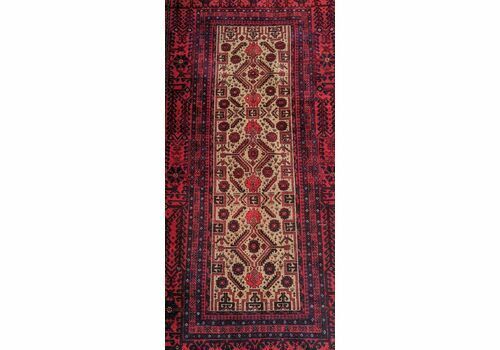
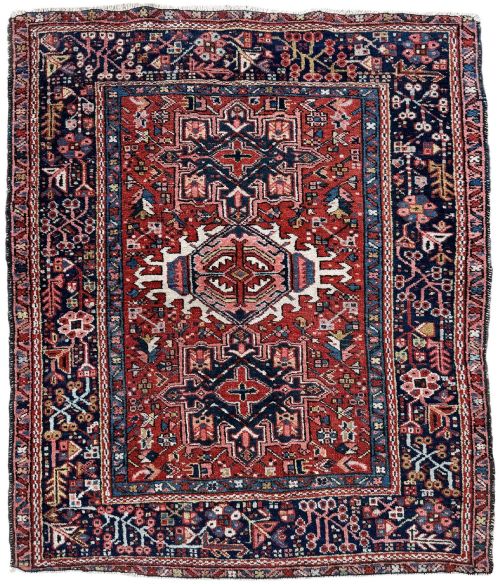
When you search for an antique tribal rug mat, you enter a world of nomadic and village weaving spanning regions from Anatolia to Central Asia. These pieces function as small floor coverings, prayer rugs, mats, and utilitarian textiles produced by specific tribal groups and confederacies.
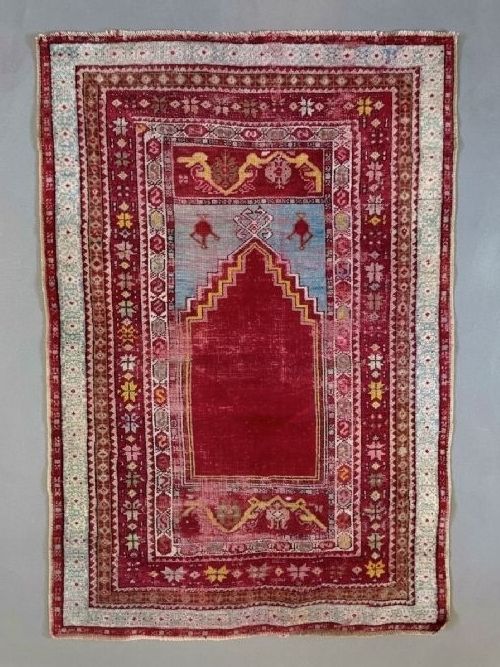
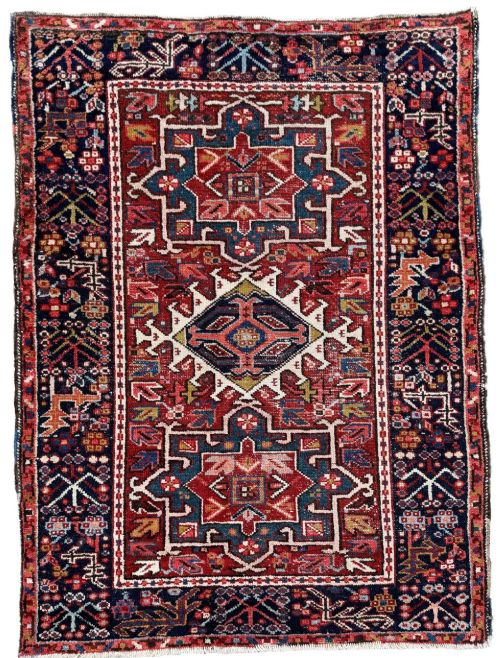
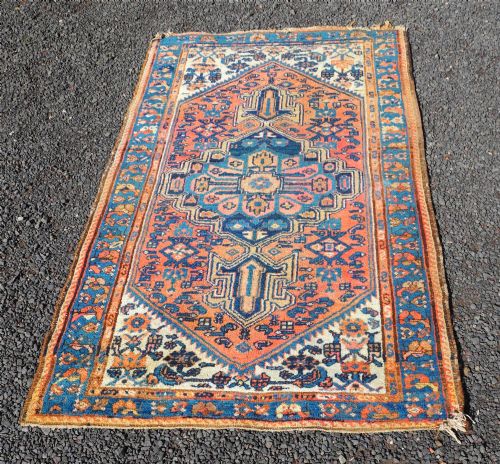
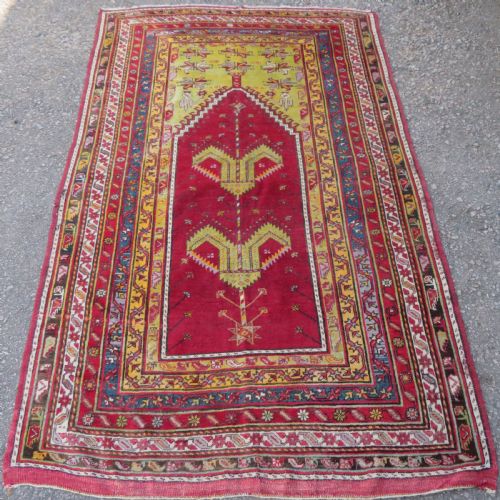
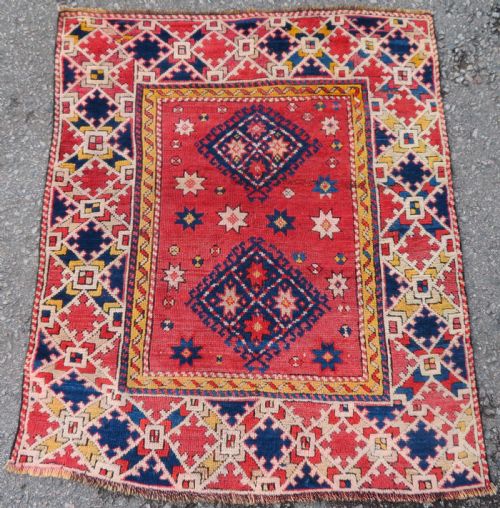
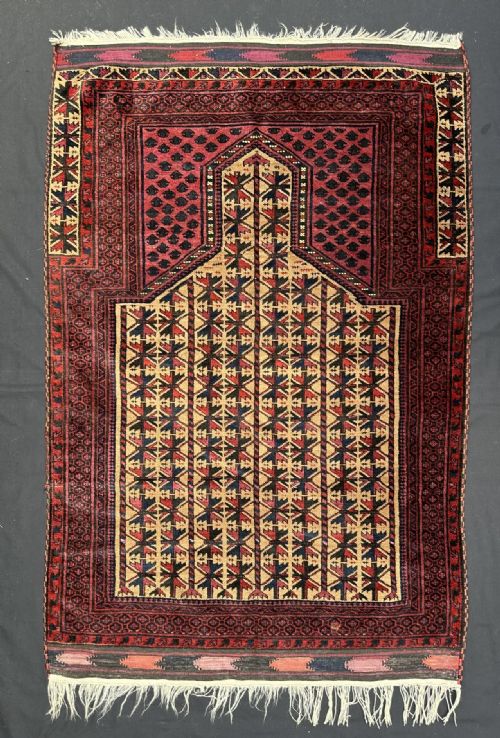
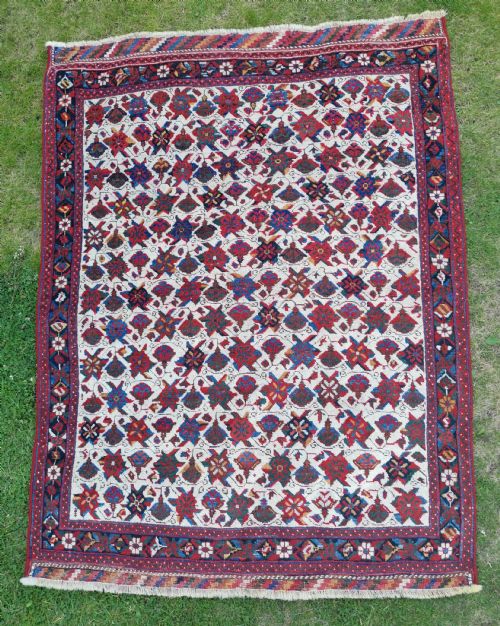
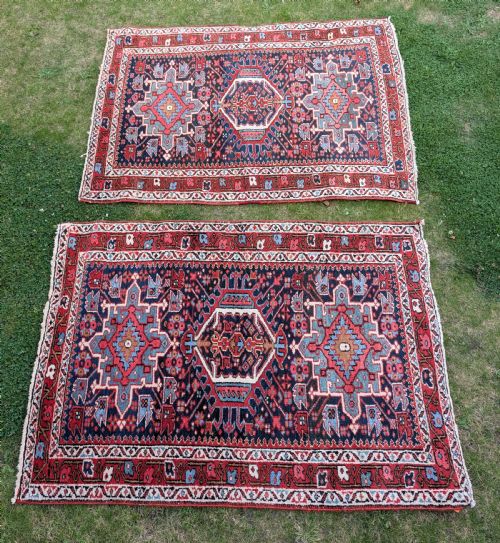
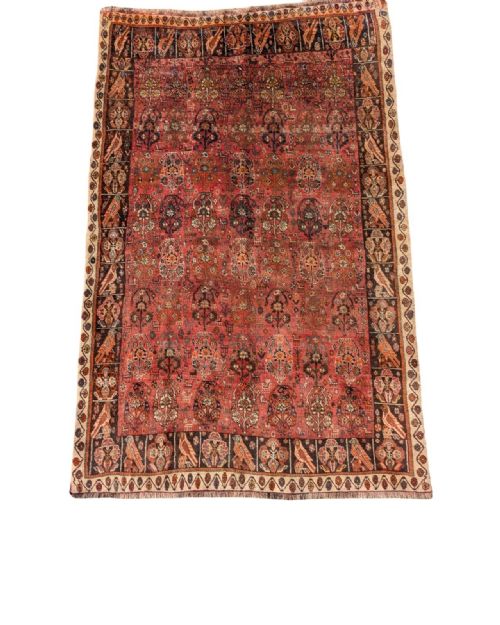
The selections available on this page encompass various formats including hearth-sized pieces, square mats, and prayer formats originating from periods between the mid-nineteenth century and the early twentieth century. Common stylistic attributions include Persian Tribal, Turkmen Tribal, Caucasian, Anatolian Tribal, and Afghan Tribal traditions.
Makers ranged from village weavers to specific tribes such as the Kizyl Ayak, Timuri, Saryk, and Baluch. Their output reflects traditional local designs, such as the double mihrab prayer format or geometric lattice patterns, executed for domestic use or regional trade.
How they were made
The construction of these pieces relies predominantly on wool, hand-spun wool, and cotton foundations, occasionally incorporating goat hair, camel wool, or silk for specific details. Natural dyes provide the palette, creating deep tones that age gracefully across the surface.
Weavers utilised traditional hand-knotting and flat-weaving techniques depending on the regional style, whether producing a pile prayer rug or an embroidered panel. Nomad and village workshops relied on locally sourced materials, shaping each textile by hand from fleece preparation to the final knot.
Some nineteenth-century nomadic weavers added original wool tassels to keep their camel saddle covers securely fastened on the move.
What varies in quality
The distinction between tiers of quality rests upon the fineness of the weave, the clarity of the design drawing, and the vibrancy of the natural dyes. Superior examples maintain structural integrity alongside crisp geometric or floral layouts that demonstrate exceptional technical control by the weaver.
Another factor is the completeness of the piece, including original selvedges, ends, and tassels such as those found on Turkmen saddle covers. The depth and saturation of the dye work also differentiate standard village pieces from exceptional tribal masterworks.
The Antique Tribal Rug Mat Glossary
- Prayer rug
- A small textile featuring a mihrab or arch design used by Muslims for ritual daily prayer. These formats often display directional motifs pointing towards Mecca.
- Mihrab
- The arched niche design depicted on prayer rugs, symbolising the direction of prayer. It is a central architectural motif in Anatolian, Caucasian, and Persian tribal weaving.
- Sofreh
- A flat-woven spread or cloth used for sharing meals, kneading bread, or serving food within nomadic households. They often feature large geometric fields and tribal symbols.
- Torba
- A small wall-hanging bag or storage sack produced by Turkmen tribes, often displaying guls and intricate border designs. They were utilised inside felt tents for domestic organisation.
- Natural dye
- Colourants derived from plants, roots, insects, and minerals rather than synthetic chemical compounds. These dyes yield rich, complex tones that mellow harmoniously over time.
Antique Tribal Rug Mat: Frequently Asked Questions
Where were these tribal rugs made?
These textiles originate from various regions including Anatolia, the Caucasus, Persia, Turkmenistan, and Afghanistan. Nomadic tribes and village communities produced them across these historic borderlands.
The specific origins often link to tribal confederacies such as the Khamseh or distinct groups like the Timuri and Saryk, each maintaining identifiable regional motifs.
What is a prayer rug used for?
Historically, prayer rugs served a devotional function for daily prayers, featuring a distinct niche or mihrab design to orient the user. Their portable scale made them practical for nomadic lifestyles.
Today, collectors appreciate them as wall hangings or small accent floor coverings due to their concentrated symbolic designs and fine craftsmanship.
How do I identify a tribal rug?
Tribal rugs typically display geometric patterns, tribal guls, lattice designs, and earthy palettes derived from natural dyes. Their construction often reflects village or nomadic methods rather than urban workshop precision.
Examining the materials, such as hand-spun wool and goat hair, alongside structural elements like original tassels helps determine the specific tribal tradition.
Are these rugs suitable for daily use?
Many of these durable wool textiles withstand light foot traffic when placed in low-impact areas of the home. Using a suitable underlay helps protect the historic foundation fibres.
For fragile or extremely fine formats, such as antique prayer rugs or embroidered panels, wall display or placement in low-traffic zones preserves their condition.