



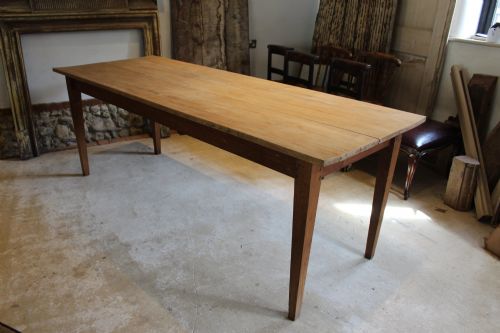
Antique Trestle Seating
Antique trestle seating delivers long-lasting utility and rustic charm, uniting solid timber construction with straightforward support.
Antique Trestle Seating
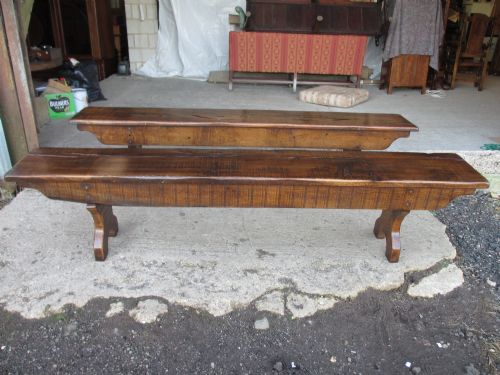
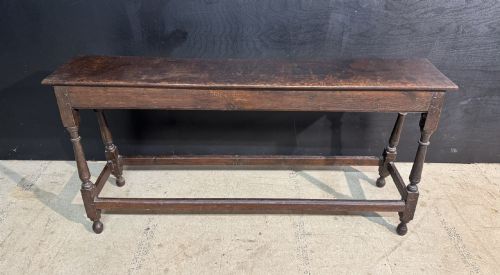
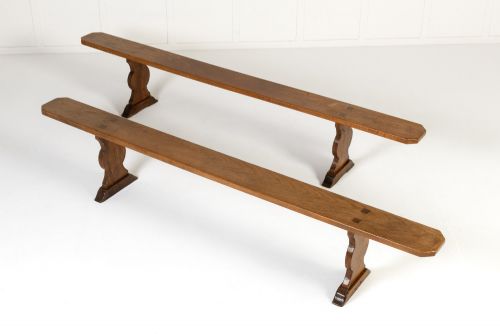
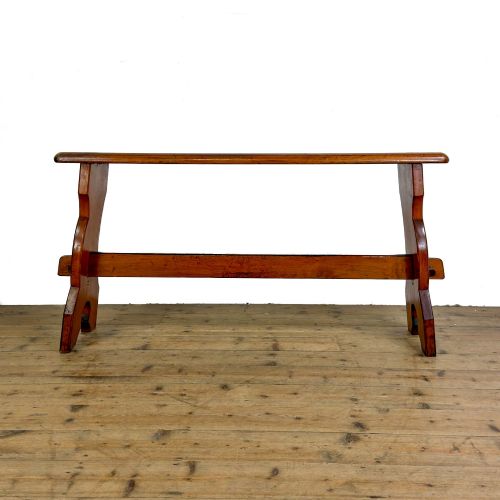
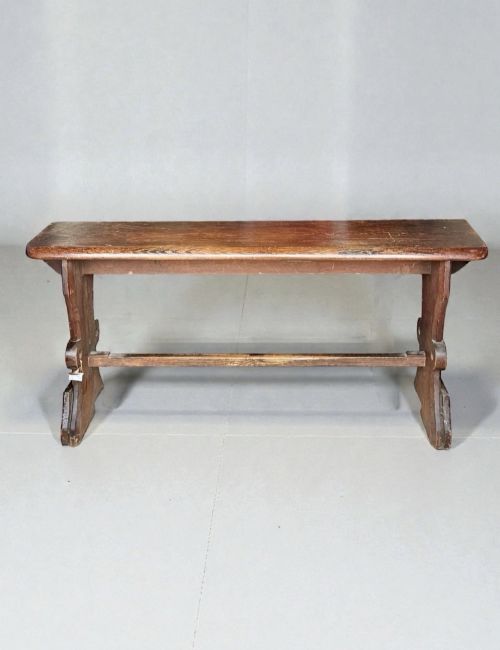
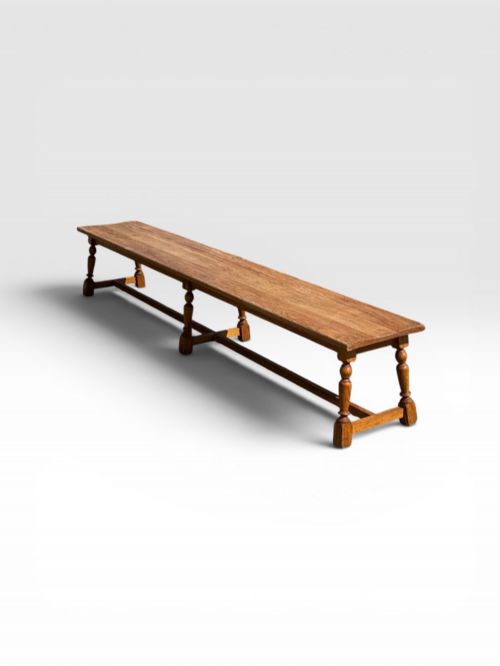
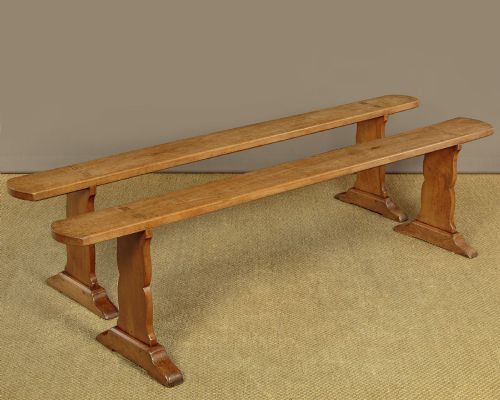
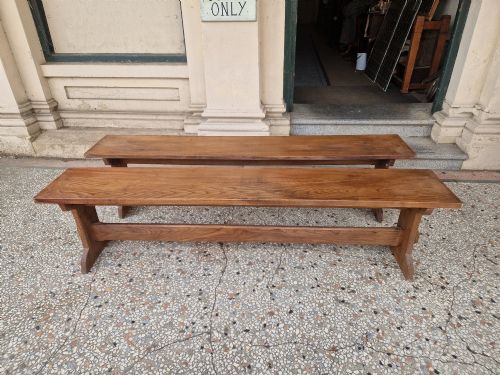
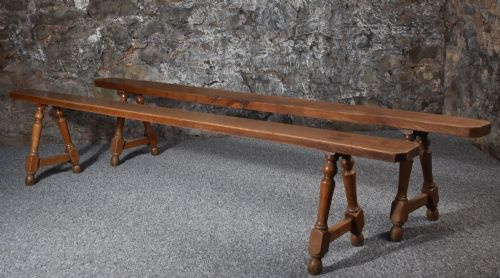
Antique trestle seating encompasses long wooden benches, joint stools, and window seats built for communal dining and domestic utility. These practical forms range from simple pine school benches to substantial oak refectory seating.
The pieces appearing here span the eighteenth, nineteenth, and early twentieth centuries, drawing on styles from rustic farmhouse to Gothic Revival. English, French, and Scandinavian origins dominate the selection, reflecting diverse regional vernaculars.
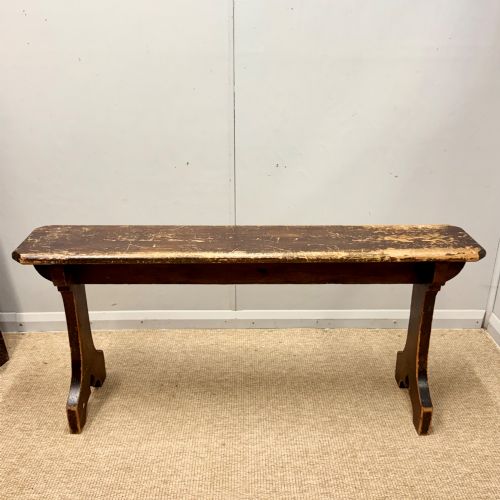
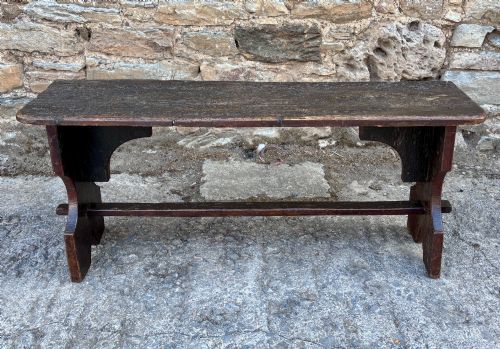
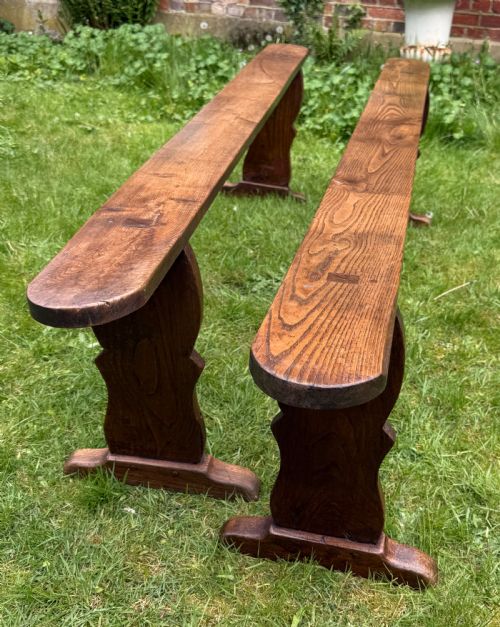
Buyers most frequently encounter long pine and oak benches designed with shaped trestle ends or upright supports. These items suit contemporary kitchens, hallways, and dining spaces requiring robust, unpretentious furniture.
Materials and construction methods
Craftsmen built these pieces using durable domestic hardwoods and softwoods including oak, pine, elm, cherrywood, and walnut. Timber selection depended on regional availability and the intended function of the seating.
Joinery methods relied on traditional pegging, mortise and tenon joints, and sturdy trestle supports designed to bear heavy weight. Surfaces often show the natural grain and wear of decades of daily use.
Listings feature timbers including oak, pine, elm, walnut, and cherrywood spanning the eighteenth to early twentieth centuries.
Understanding quality differences
Quality in these pieces rests upon the integrity of the timber and the honesty of the construction. Superior examples feature thick, well-seasoned boards and robust joints that remain stable without modern reinforcement.
Proportion and surface patina distinguish finer items from utilitarian workshop output. Well-balanced forms with clear signs of age and minimal timber replacement command greater appreciation among collectors.
The Antique Trestle Seating Glossary
- Trestle
- A structural support consisting of a horizontal beam fixed to two splayed vertical feet. This design allows maximum legroom along the length of a bench or table.
- Refectory
- A long dining table or accompanying bench traditionally used in monastic or communal dining halls. These pieces are built for heavy, continuous use.
- Joint stool
- An early form of wooden stool constructed with mortise and tenon joinery using pegged joints. They predate fully upholstered seating and served multiple household functions.
- Sgabello
- An Italian Renaissance chair style featuring a wooden seat mounted on two trestle-like supports or a solid box base. They often incorporate carved decoration.
- Patina
- The surface sheen and colour developed by timber over years of handling, polishing, and exposure to light. This quality marks genuine age and use.
Antique Trestle Seating: Frequently Asked Questions
Where should I place a trestle bench?
These benches suit long dining tables, narrow hallways, or beneath windows as seating and display surfaces.
Their narrow profile allows them to sit flush against walls or tuck neatly under table frames when not in use.
How do I care for antique pine seating?
Maintain the timber by dusting with a dry cloth and applying natural beeswax periodically to nourish the dry wood.
Avoid placing antique pine near direct heat sources or in damp environments to prevent splitting.
Are these benches sturdy enough for daily use?
Solid construction using hardwoods like oak and elm ensures these pieces easily handle everyday seating demands.
Pine items also offer robust utility, though softer woods show indentation more readily over time.
How do I identify a Victorian pine bench?
Victorian examples often display utilitarian school or kitchen forms with straightforward plank seats and simple trestle ends.
Tool marks, board widths, and regional fastening techniques help distinguish nineteenth-century production from later reproductions.