



Antique Travelling Bag
An antique travelling bag offers solid craftsmanship and period character, taking you back to an era of steamer trunks, leather cases and deliberate journeys.
Antique Travelling Bag
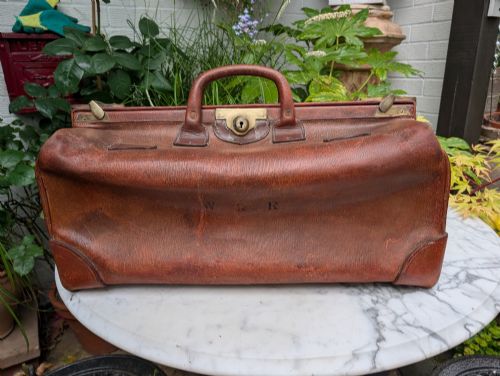
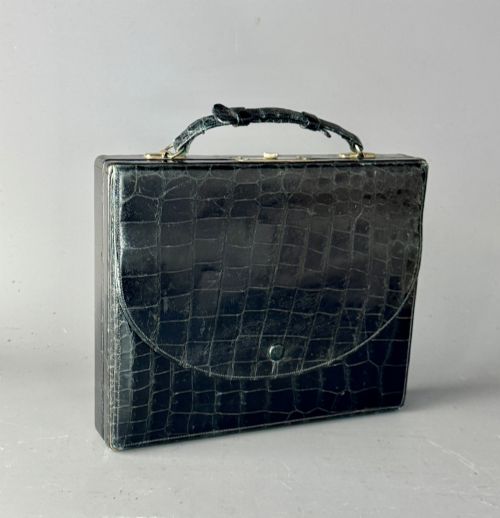
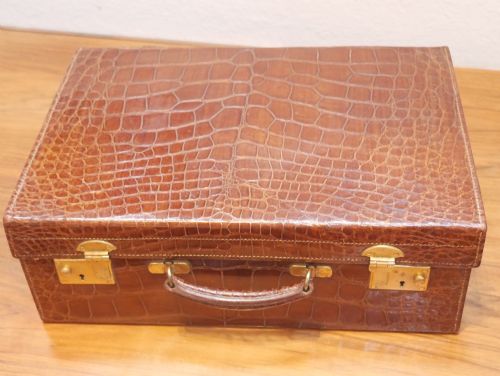
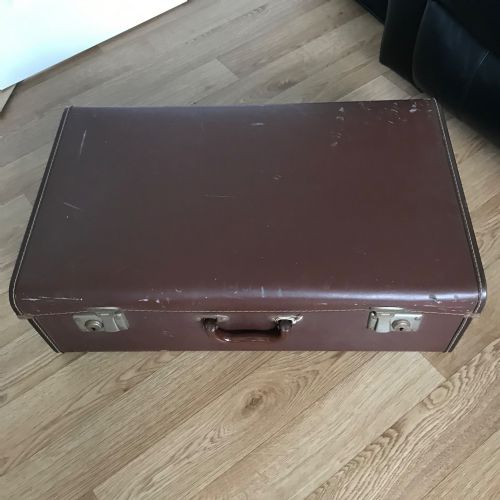
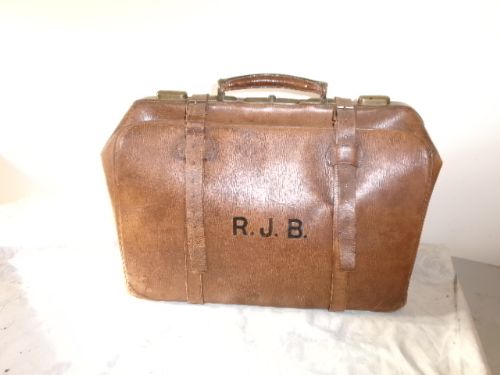
An antique travelling bag encompasses a range of traditional luggage pieces designed for journeys, from sturdy leather suitcases and Gladstone bags to rigid vanity cases and trunks. These items span periods from the nineteenth century through the Edwardian era and into the mid-twentieth century.
You are most likely to encounter robust leather suitcases and Gladstone bags on this page, often equipped with fitted interiors or metal hardware. These forms reflect the practical needs of travellers from the Victorian period to the 1940s.
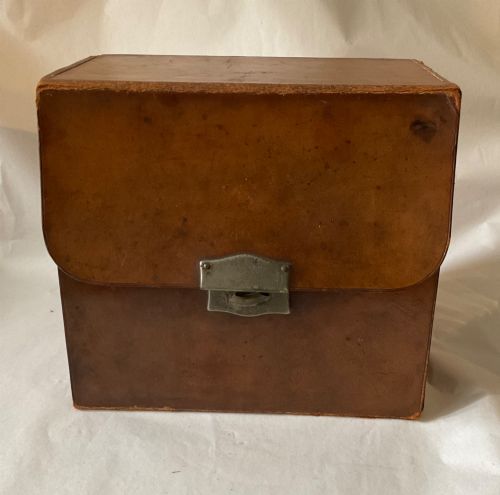
The selection also includes specialised storage containers such as doctor bags, veterinary field kits, apothecary cases and woven textile mafrash storage pieces. Each variant serves a distinct historical function tied to medical practice, gentleman's travel or domestic storage.
Materials and construction methods
Makers constructed these pieces primarily using heavy-duty leather, vellum and exotic skins such as crocodile, paired with structural timber, iron and wool. Brass locks, clasps and corner guards provided reinforcement for frequent transit.
Handmade luggage relied on robust stitching, rigid frames and fitted internal compartments to organise personal effects, medical instruments or grooming kits safely during travel.
Antique Travelling Bag Retail Price Guide 2026
Typical asking prices for travelling bag among the pieces listed under this phrase on Sellingantiques today, from the lower quarter to the upper quarter. They describe what is for sale here now, not the wider market.
Among the luggage are veterinary field kits and apothecary cases, proving that nineteenth-century doctors travelled better equipped than most modern holidaymakers.
Assessing quality in historical luggage
Quality rests upon the selection of materials, such as thick harness leather or genuine crocodile skin, matched with solid brass hardware rather than plated base metals. Finer pieces demonstrate meticulous hand-stitching and substantial structural frames that maintain their shape over decades.
Internal fittings elevate a piece, particularly complete velvet or leather-lined compartments designed for specific gentleman's or lady's accessories. The presence of maker stamps from established retailers also distinguishes standard utility luggage from finer bespoke items.
Dunhill London·Finnigan's Manchester·Pioneer·Harrods·Finnegans of Bond Street·C.Antrobus
The Antique Travelling Bag Glossary
- Gladstone bag
- A light luggage bag built over a rigid metal frame that opens wide into two equal compartments. This form became popular during the Victorian era for short journeys.
- Mafrash
- A large rectangular storage bag originating from Caucasian or tribal weaving traditions, often constructed from wool and used for bedding or household goods during transit.
- Vellum
- A fine parchment material prepared from calfskin, utilised on high-end luggage for its smooth finish and resilience.
- Vanity case
- A compact fitted case designed to hold cosmetics, grooming bottles and personal accessories securely while travelling.
- Fitted interior
- An internal arrangement featuring designated leather straps, pockets and compartments tailored to hold specific bottles, brushes or instruments.
Antique Travelling Bag: Frequently Asked Questions
How do I clean an antique leather travel case?
Clean vintage leather gently with a soft, dry cloth to remove surface dust before applying a specialised leather conditioner to nourish the hide. Avoid harsh chemical cleaners that can strip the original finish and dry out the material.
Test any conditioning product on a hidden area first to ensure it does not darken the vintage leather tone.
Can I use an antique suitcase for modern travel?
While these pieces were built for transit, historical luggage lacks the lightweight synthetic materials and wheeled systems of modern bags. Frequent modern airline use may also risk damaging delicate nineteenth-century hardware and aged leather.
They function best today as light weekend bags, decorative storage solutions or display pieces in the home.
What were medical bags used for historically?
Doctors and veterinarians carried specialised bags to house bottled medicines, surgical instruments and field kits safely on house calls. These items feature rigid frames and compartmentalised leather interiors designed to keep glass vials upright and secure.
Today they offer a compact, robust form of storage with distinct historical character.