




Antique Transport Painting
These antique transport painting examples capture the movement and industry of past eras through oil and board.
Antique Transport Painting
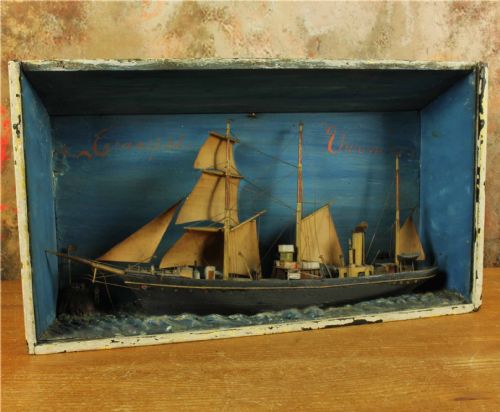
An antique transport painting depicts railway scenes, ships, and maritime subjects across the nineteenth and twentieth centuries. These works record locomotives, vessels, and industrial movement using oil paint on board or canvas.
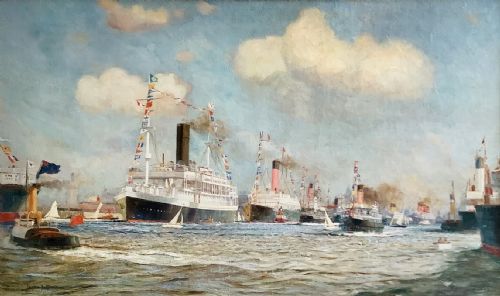
The selections available here range from nineteenth-century compositions to interwar depictions such as the River Mersey flotilla. Buyers find both framed maritime art and railway documentation reflecting specific historical periods.
Subjects include ships like the T.S.S Nevasa alongside station scenes and coastal vistas. Each piece documents transport history through the specific lens of contemporary artists.
Materials and construction methods
These works utilise oil paint applied directly to wood board or canvas supports. Artists of the nineteenth and twentieth centuries selected these durable materials to withstand studio work and display.
The application of oil pigment allows for detailed rendering of railway infrastructure, marine conditions, and vessel rigging. Surface textures reflect the working methods of period painters recording industrial subjects.
Antique Transport Painting Retail Price Guide 2026
Typical asking prices for transport painting among the pieces listed under this phrase on Sellingantiques today, from the lower quarter to the upper quarter. They describe what is for sale here now, not the wider market.
Artists occasionally included small, hurried figures on station platforms who look as though they might miss their connection.
Judging the quality of transport works
Quality rests in the precision of the draughtsmanship and the accurate depiction of technical details like railway architecture or ship rigging. Stronger works demonstrate a clear command of perspective and atmospheric light.
The condition of the oil paint surface and the stability of the wood board substrate determine the longevity of the piece. Superior examples retain their original pigments without excessive overpainting or surface degradation.
James Scrimgeour Mann
The Antique Transport Painting Glossary
- Oil Paint
- A slow-drying paint made by combining pigment particles with a drying oil such as linseed. This medium allows artists to blend tones and achieve rich colour depth.
- Wood Board
- A rigid wooden panel utilised as a painting support instead of stretched canvas. Artists favoured boards for stability and durability in varied environments.
- Maritime Art
- Artwork that depicts ships, seascapes, and coastal scenes. This genre documents naval history and commercial shipping through visual records.
- Interwar Period
- The historical era between the First and Second World Wars, spanning from nineteen eighteen to nineteen thirty-nine. Works from this time capture industrial modernisation.
Antique Transport Painting: Frequently Asked Questions
What subjects appear in transport paintings?
These works primarily depict railway scenes, station platforms, and maritime vessels on rivers or at sea. Artists recorded the industrial expansion of the nineteenth and twentieth centuries.
Compositions range from single ship portraits to bustling port traffic and locomotive infrastructure. Each subject reflects the prevailing transport technology of its specific decade.
How are these paintings constructed?
Painters applied oil media onto rigid wood board supports using traditional brushwork techniques. This combination provided a stable surface for capturing intricate details of machinery and rigging.
Surfaces often show the original brush marks and tonal layering characteristic of period studio practice. The materials used ensured longevity for works displayed in domestic or public spaces.
How do I date an antique transport painting?
Dating relies on identifying the specific transport subjects, such as railway infrastructure or vessel designs characteristic of the nineteenth century or interwar period. Costume details of figures included in the scene also provide chronological clues.
Signatures, artist attributions, and framing styles help narrow down the exact decade of creation. Material analysis of the wood board and oil pigments confirms the historical period.
Where should I display transport art?
These works suit studies, libraries, or living spaces where traditional or industrial interiors predominate. Proper placement avoids direct sunlight to protect oil paint pigments from fading.
Matching the scale of the painting to available wall space ensures the composition remains a focal point. Stable room humidity prevents warping of the underlying wood board.