

Antique Toy
An antique toy holds the simple mechanics and carved patience of past childhoods, made to last through generations of play.
Antique Toy
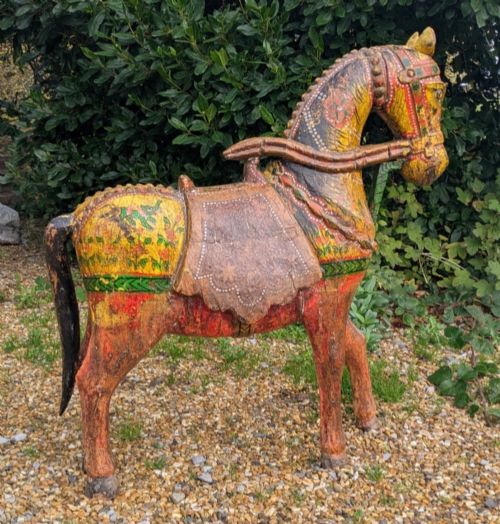
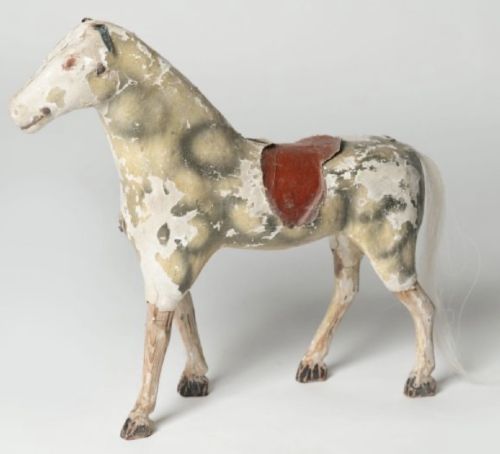
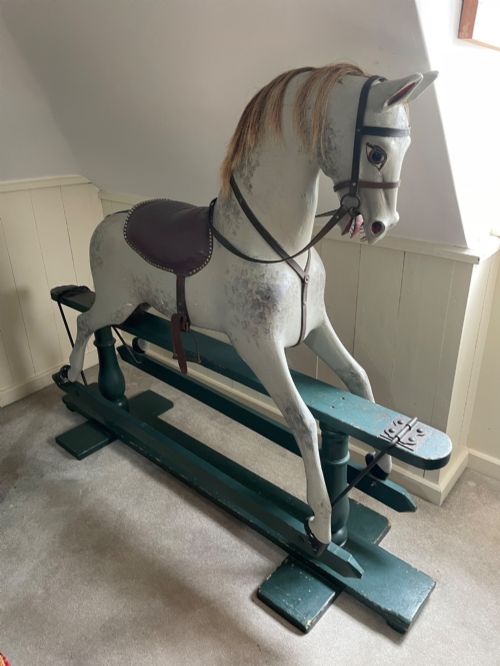
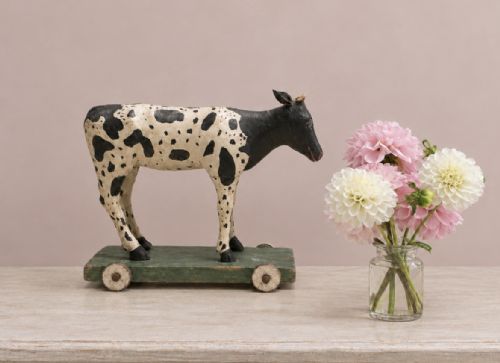
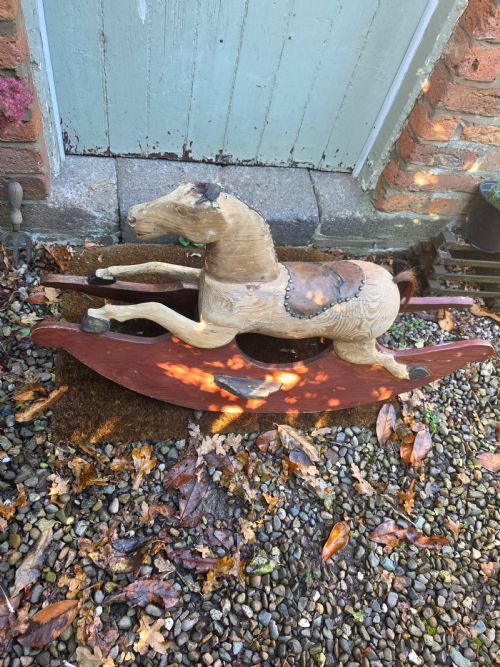
Every antique toy carries the physical history of past playrooms, ranging from small carved animals to large wooden rocking horses designed for a child's balance. The selection on this page leans heavily into folk art carvings, miniature furniture, and early transport models built to endure real use.
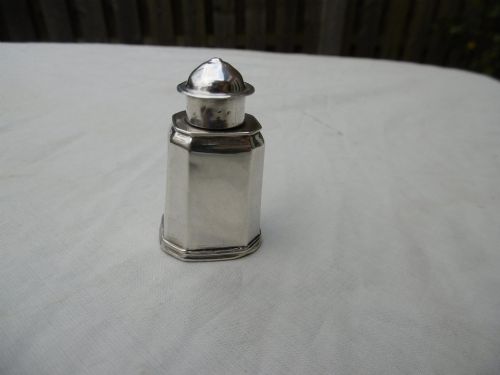
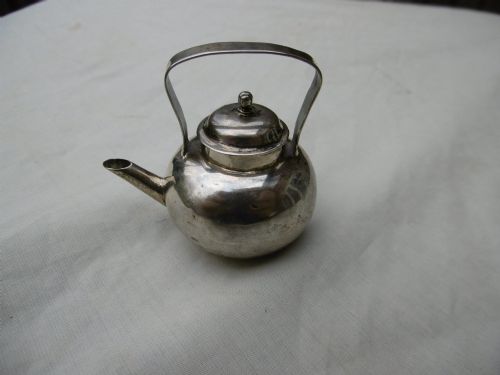
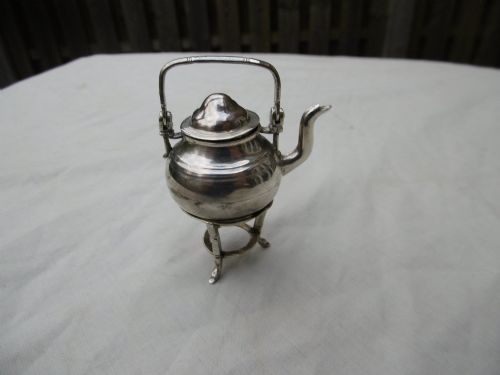
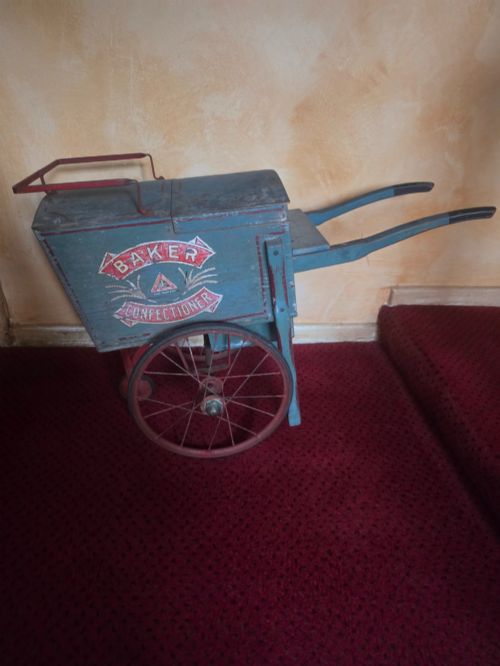
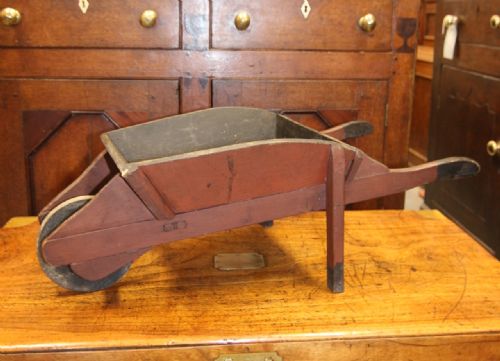
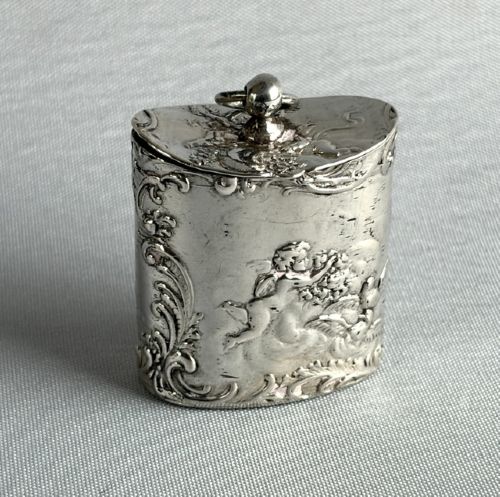
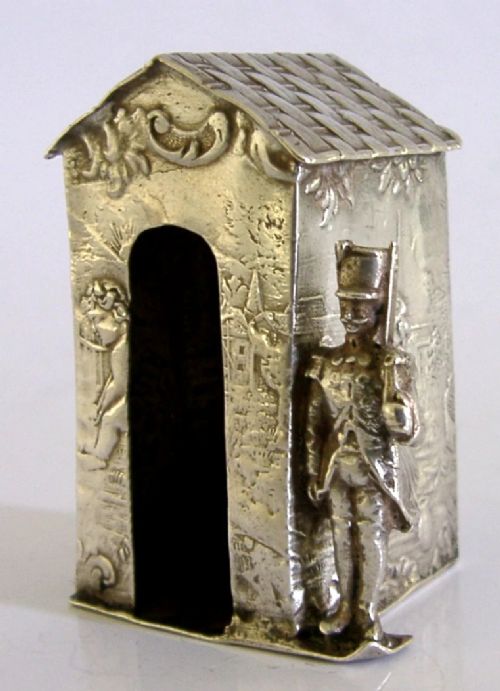
Makers often drew inspiration from daily life, producing Noahs arks filled with painted figures, miniature silver soldiers, and push-along carts. These objects bridge the gap between decorative arts and social history, showing how previous generations amused their children.
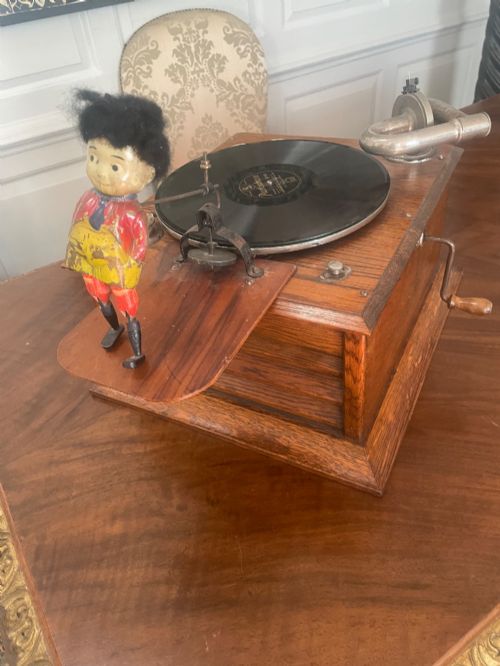
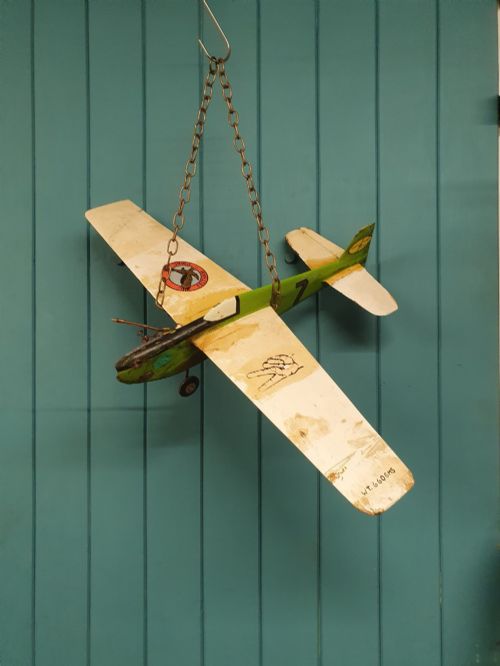
Survivors from the nineteenth and early twentieth centuries dominate the listings, showing the shift from handmade wooden playthings to early metal mechanics and tinplate vehicles. Each surviving piece offers a direct link to historical domestic routines.
How They Were Made
Wood serves as the primary medium, utilising native pine, treen, and carved hardwoods shaped with simple hand tools and finished with oil or paint. Makers frequently turned to iron and brass for structural reinforcement, axles, and small mechanical components.
Surface decoration relies on natural pigments and early oil paints, which wear down through handling to reveal the grain beneath. Leather, horsehair, and mother-of-pearl appear on larger animals and rattles, providing tactile contrast to the carved wooden bodies.
Antique Toy Retail Price Guide 2026
Typical asking prices for toy among the pieces listed under this phrase on Sellingantiques today, from the lower quarter to the upper quarter. They describe what is for sale here now, not the wider market.
More than fifty miniature animals squeeze inside a single antique Noahs ark waiting on this page.
What Varies in Quality
Quality rests in the survival of original painted surfaces and the integrity of the maker's hand carving. Pieces that retain their early finish without heavy modern overpainting command greater interest from collectors.
Proportion and detail separate standard workshop output from exceptional individual pieces, particularly in folk art models and rocking horses where expression matters. The complexity of the mechanism, such as early control-lines or steering bars, also elevates the construction.
G & J Lines of London·F.H.Ayres
The Antique Toy Glossary
- Treen
- Small handmade wooden objects produced for domestic use or play. These items display the grain and tool marks of early turning and carving.
- Folk Art
- Objects created by self-trained makers working within traditional rural or domestic cultures. This term describes items shaped by utility and local custom rather than academic design standards.
- Penny Farthing
- An early type of bicycle with a very large front wheel and a much smaller rear wheel. Children's versions scale down this distinctive Victorian engineering.
- Magic Lantern
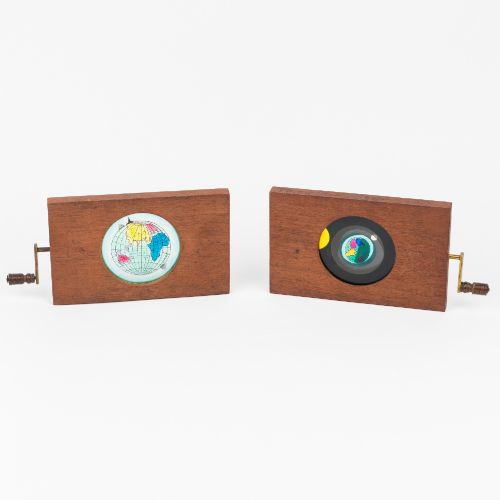
- An early type of image projector using painted glass slides and a light source. The slides found in toy collections often depict astronomical or narrative scenes.
- Bilboquet
- A traditional game consisting of a ball attached to a cup or spike by a string. Players attempt to catch the ball in the cup using hand-eye coordination.
Antique Toy: Frequently Asked Questions
How do I date an antique toy?
Dating relies on materials, manufacturing techniques, and the style of the object compared against documented workshop periods. Traces of early paint layers and the type of metal fixings offer further clues to the decade of production.
Examining similar pieces from known makers helps narrow down the manufacturing era. Wear patterns also confirm whether the age aligns with genuine historical use.
How should I clean wooden toys?
Gentle dusting with a dry, soft cloth remains the safest method for preserving old painted and waxed surfaces. Moisture can lift fragile nineteenth-century pigments and damage dry pine or horsehair.
Avoid modern chemical polishes or water immersion entirely. Preserving the natural patina protects the historical integrity of the piece.
What is folk art in toys?
Folk art pieces are handmade by untrained or local artisans rather than commercial factories. They feature naive proportions and direct carving techniques that reflect regional traditions.
These items often use readily available materials like scrap metal and local pine. Their charm lies in their individuality and lack of mass production.