




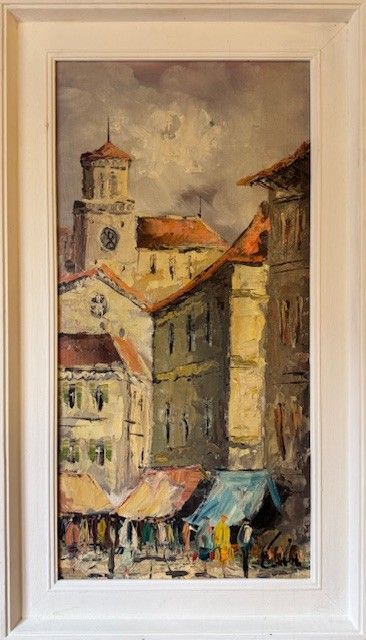
Antique Townscape
An antique townscape captures streets, squares, and architectural vistas, offering a preserved glimpse into historical urban life.
Antique Townscape
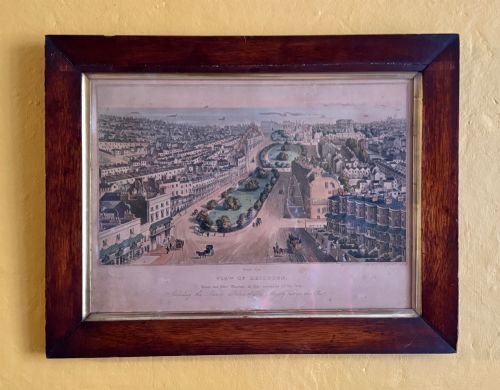
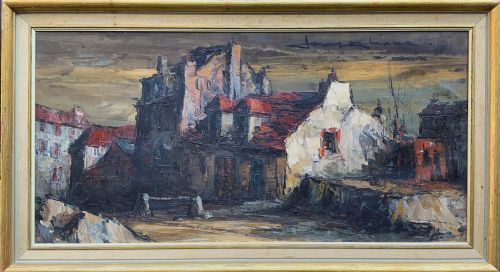
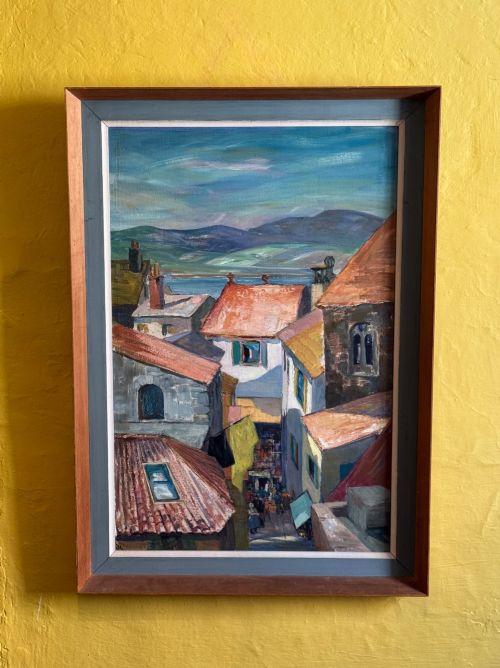
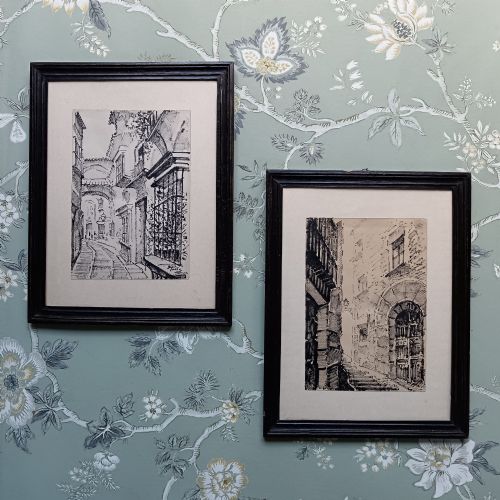
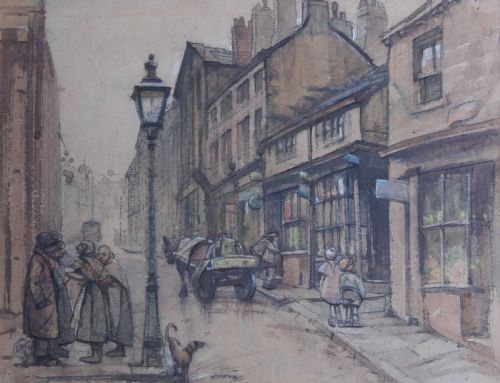
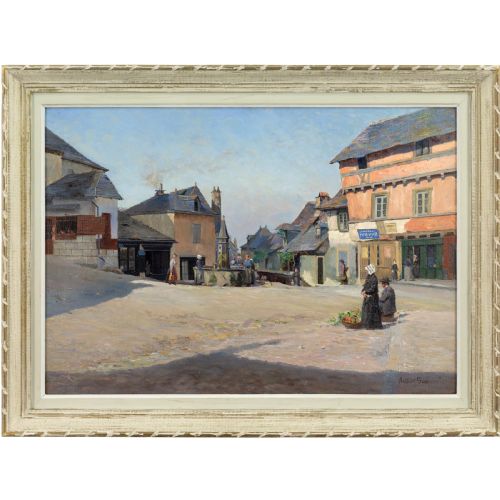
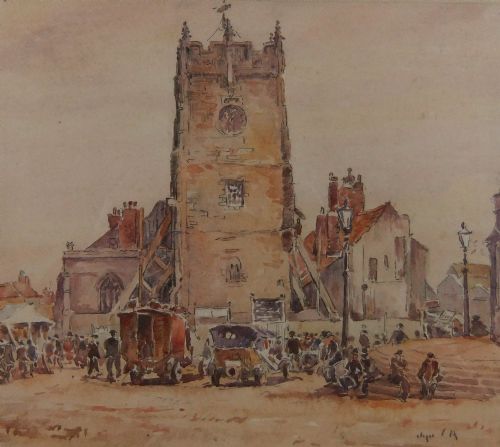
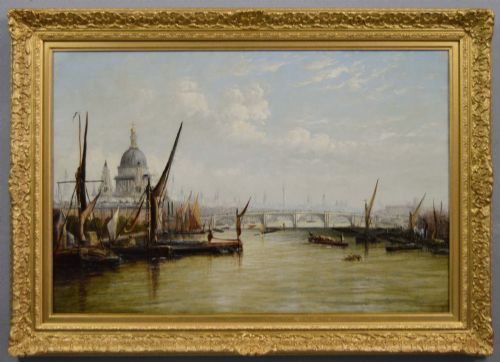
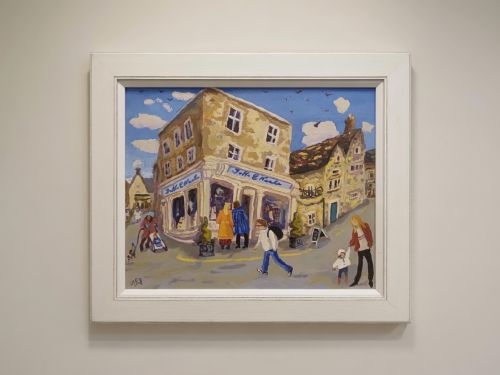
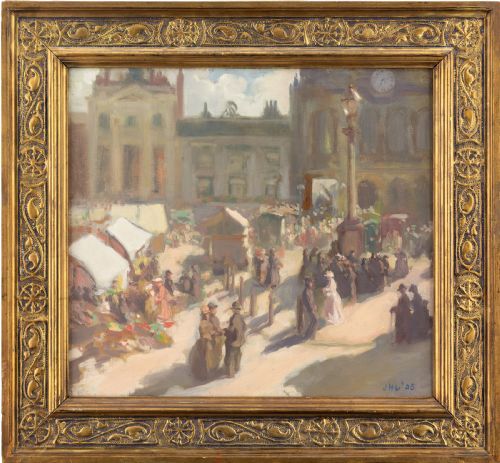
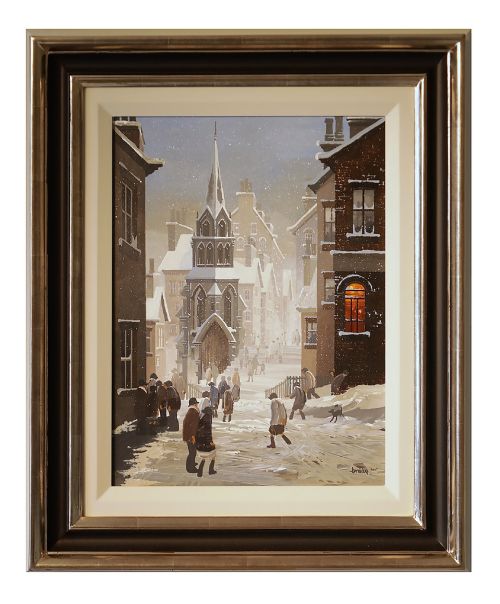
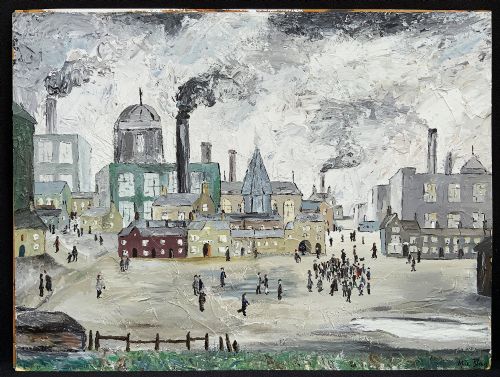
An antique townscape depicts urban views, streets, markets, and architectural landmarks from past centuries. These works record the physical evolution of towns and cities through artistic interpretation.
The selections available here lean heavily toward oil paintings and watercolour paintings on paper, canvas, or panel. Subjects range from British market towns to bustling continental ports and Venetian canals.
Makers span the nineteenth and early twentieth centuries, encompassing Victorian realism, British impressionism, and post-impressionism. Pieces frequently document specific locations such as Whitby, Richmond, and Venice.
Materials and Technique
Artists employed oil paint and watercolour applied to canvas, wood panels, or heavy paper. Watercolours often utilised pencil underdrawings to establish architectural perspective before washes of pigment were laid down.
Oil paintings utilised canvas or board supports, sometimes finished with giltwood frames that complemented the composition. Pigments were manipulated to render varied atmospheric conditions, from moonlight street scenes to sunlit Venetian quays.
Antique Townscape Retail Price Guide 2026
Typical asking prices for townscape among the pieces listed under this phrase on Sellingantiques today, from the lower quarter to the upper quarter. They describe what is for sale here now, not the wider market.
Materials in this collection include oil paint, watercolour, gold leaf, and giltwood applied to paper, canvas, and wood panels.
Evaluating the Work
Quality rests in the precision of architectural draftsmanship paired with atmospheric depth. Superior examples capture the specific light and movement of a street or market rather than relying on stiff mechanical reproduction.
The handling of medium distinguishes finer works, whether through confident brushwork in oil or delicate control of wash in watercolour. Condition of the paper, canvas, and original frame also influences the integrity of the piece.
Alfred Pollentine·Ludwig Hermann·Fred Lawson·Joseph W. Milliken·Jane Vivian
The Antique Townscape Glossary
- Townscape
- A painting, drawing, or print depicting a city or urban scene. These works focus on buildings, streets, and public squares rather than open natural landscapes.
- Watercolour
- A painting method where paints are made of pigments suspended in a water-based solution. Paper serves as the primary support for these transparent washes.
- Oil on Canvas
- A painting technique utilising pigments bound in a drying oil applied to stretched fabric. This combination allows for rich colour depth and textured application.
- Giltwood
- Wood that has been treated with gold leaf or gold paint. Frames created in this manner frequently accompany period paintings.
- Impressionism
- A style of painting emphasising light and its changing qualities rather than precise detail. Practitioners sought to capture immediate visual impressions of a scene.
Antique Townscape: Frequently Asked Questions
What periods do these paintings come from?
The available works date primarily from the nineteenth and early twentieth centuries, spanning periods such as the Victorian, Edwardian, and Georgian eras. Artists recorded urban subjects using styles ranging from realism to early British impressionism.
Dates are determined through signatures, stylistic analysis, and framing evidence associated with specific regional schools across Britain and continental Europe.
How were these townscapes originally displayed?
Owners typically hung these framed oil and watercolour paintings in domestic parlours, drawing rooms, or offices to commemorate travels or local civic pride. Original giltwood frames often match the period of the artwork.
Displaying them away from direct sunlight protects both the paper supports of watercolours and the rich pigments of oil paintings.
Where are the depicted locations usually found?
Scenes record recognizable locations across Britain, including Yorkshire, Surrey, and Worcestershire, alongside continental European destinations like Venice, France, and the Netherlands. Artists frequently inscribed the specific town or building name directly onto the work or frame.
This topographical specificity provides a reliable record of historical architecture that has often changed or vanished over time.