





Antique Toddy Ladle
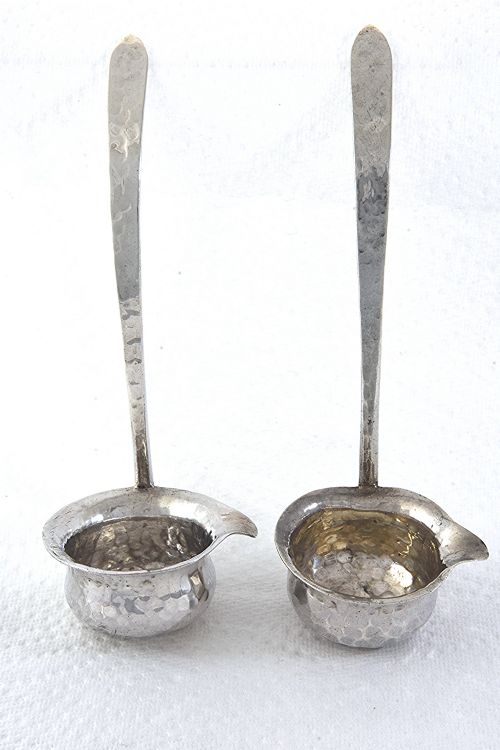
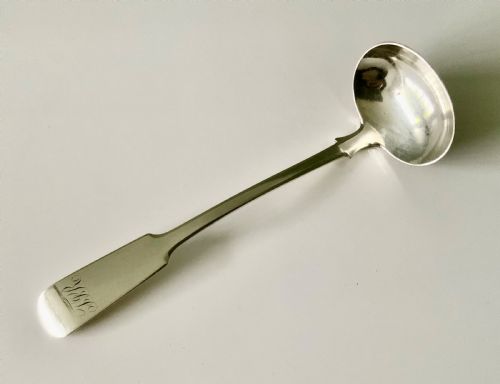
These antique toddy ladle pieces are historic serving utensils designed for the table and bar, prized for their social role in sharing punch and spirits.
Antique Toddy Ladle
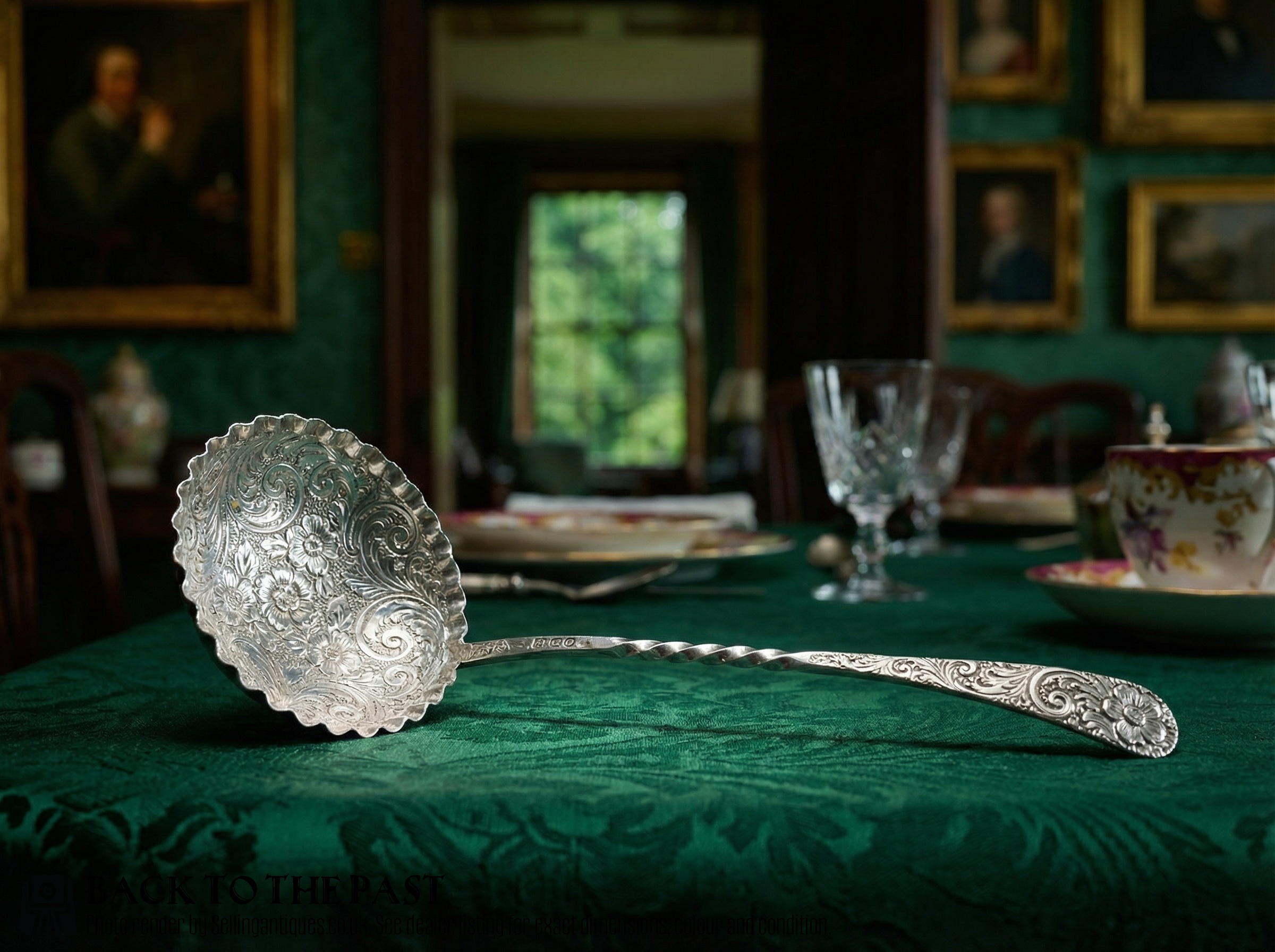
An antique toddy ladle is a serving utensil designed primarily for ladling punch and hot spirits from a bowl into individual glasses. The form appears frequently in Georgian and Victorian contexts, encompassing both diminutive vessels and longer serving spoons.
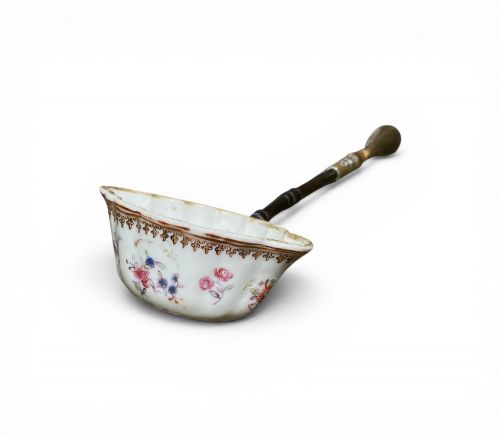
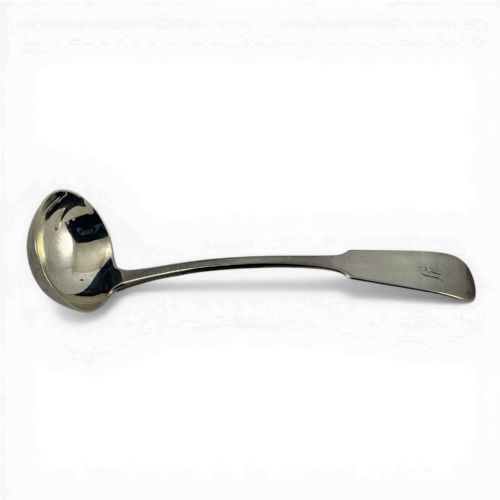
Examples on this page span the eighteenth and nineteenth centuries, including provincial Scottish pieces, Irish silver, and Chinese export porcelain. Buyers meet varied regional styles, from plain bowls to those inset with coins or paired with matching sets.
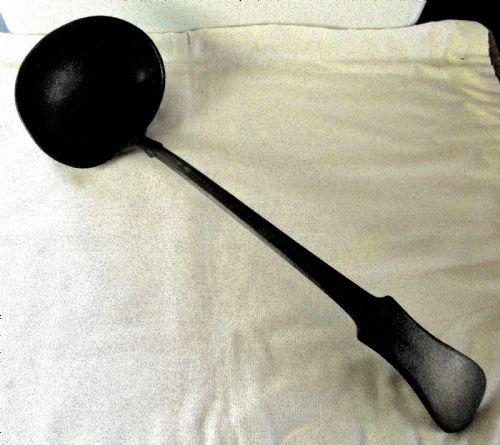
Materials range widely across the selections, incorporating sterling silver, pewter, and porcelain alongside organic substances like horn and wood. Each piece reflects the social dining habits of its period.
Materials and construction
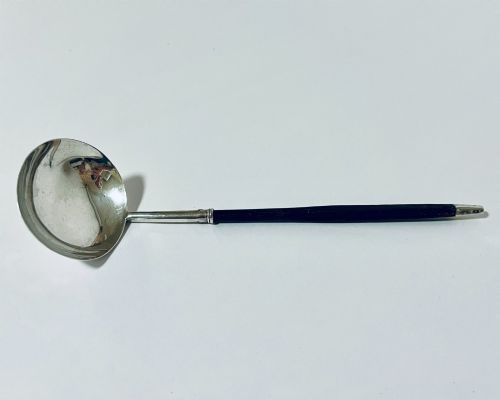
Silversmiths hammered and shaped sterling and provincial silver into bowls, often incorporating coins such as shillings or George II currency directly into the base. Handles were frequently fashioned from turned wood, such as coquilla nut and burr birch, secured with silver bands.
Pewter and porcelain construction appeared alongside metal and wood work, exemplified by Chinese famille rose porcelain bowls mounted with fitted handles. Artisans utilised cut glass for lifter variants, relying on deliberate optical effects rather than metal bowls.
Listings demonstrate materials including sterling silver, porcelain, pewter, horn, and turned treen such as coquilla nut.
Distinctions in quality
Quality rests upon the execution of the handle and bowl junction, where organic materials meet metal mounts. Secure seating of coins within silver bowls and the crispness of provincial hallmarks or crests indicate superior workshop origin.
The choice of material creates distinct tiers, moving from standard metal or pewter to intricately turned treen with silver banding or fine porcelain. Pieces retaining clear maker marks and original regional provenance command greater interest.
Dixon & Son·William Ferguson·John McDonald
The Antique Toddy Ladle Glossary
- Toddy lifter
- A glass vessel used to transfer hot liquor to a glass without diluting the mixture with melted ice or water. It relies on suction created by a thumb over the top aperture.
- Treen
- Small handmade wooden household objects turned on a lathe. Examples in this category include coquilla nut and burr birch handles.
- Provincial silver
- Silverware made and hallmarked in regional towns outside the capital. Scottish provincial pieces from centres like Elgin demonstrate this distinct regional output.
- Famille rose
- A palette of Chinese porcelain enamels dominated by opaque pink. Pieces utilising this style date to the eighteenth century Qianlong period.
Antique Toddy Ladle: Frequently Asked Questions
What is an antique toddy ladle?
An antique toddy ladle is a small serving spoon designed for dipping punch or warm spirits from a central bowl into individual drinking vessels.
These pieces typically date from the Georgian and Victorian eras, taking forms in silver, pewter, porcelain, and turned wood.
How were toddy ladles used?
They were used at the dining table or during social gatherings to serve mixed alcoholic drinks containing water, sugar, and spices.
The long handles allowed hosts to reach easily into deep punch bowls without spilling the contents.
Why do some ladles have wooden handles?
Makers used organic materials like coquilla nut and burr birch to provide a comfortable grip that did not conduct heat from the hot liquor.
These wooden stems were frequently joined to metal bowls using silver bands and pins.
What are coin ladles?
Coin ladles incorporate actual historical currency, such as a shilling or a George II coin, inset directly into the base of the silver bowl.
This decorative practice was common during the eighteenth and nineteenth centuries.