



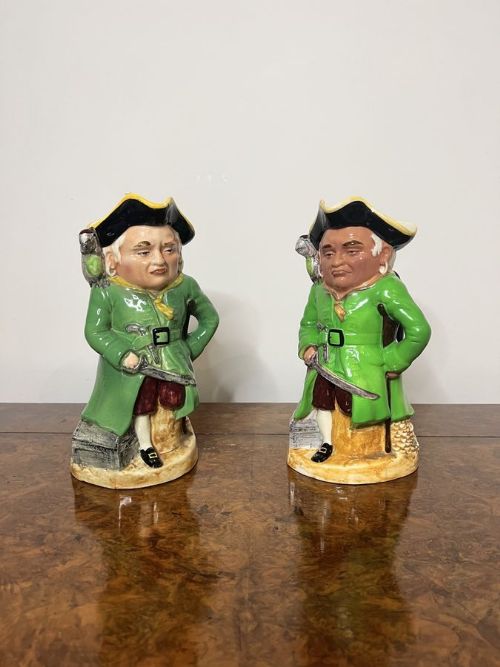


Antique Toby Pitcher
These antique toby pitcher pieces are hearty ceramic figures that bring character and history directly to your shelf.
Antique Toby Pitcher
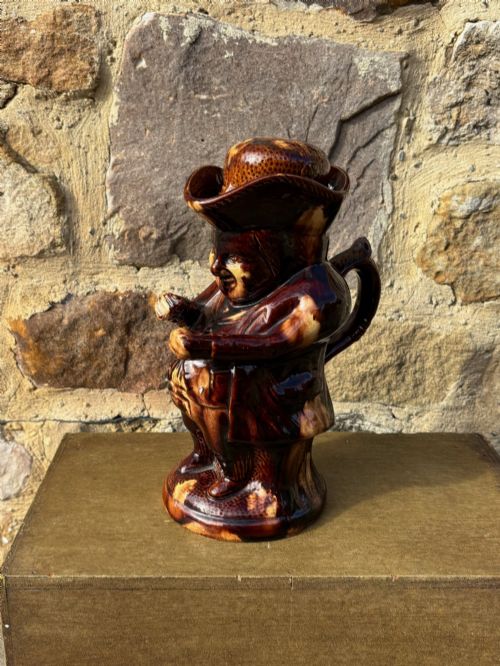
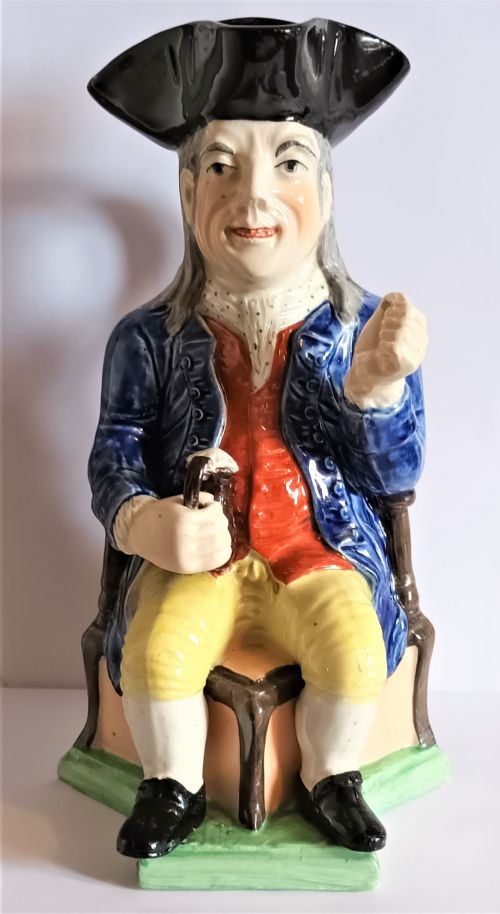
An antique toby pitcher takes the form of a seated, stout individual holding a mug and a pipe, serving practical pouring duties with humorous human likeness. When you browse this selection, you encounter classic Staffordshire pottery alongside Dutch Delftware faience examples.
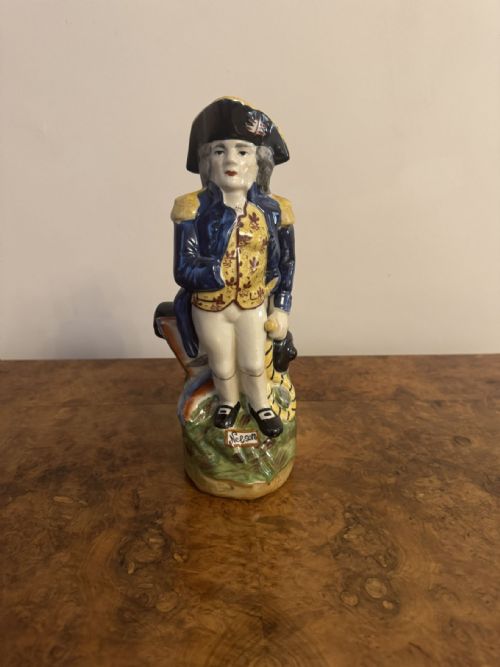
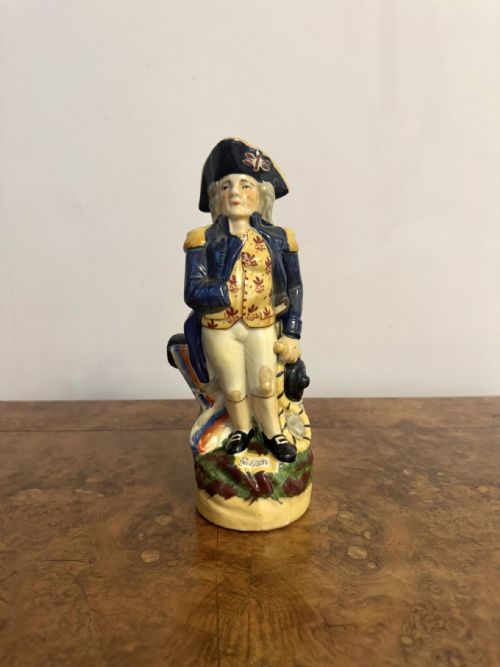
The assortment spans from Georgian and Victorian eras down to Edwardian and First World War periods. Figures range from historical figures like Lord Nelson and Lord Kitchener to archetypal characters such as the Squire, Mr Snuff, and spaniel motifs.
Most pieces you meet on this page hail from the nineteenth century, executed in earthenware and finished with colourful glazes or enamels. They function as both decorative jugs and drinking vessels with deep roots in British and continental ceramic traditions.
Materials and production methods
Dutch Delftware examples utilise faience techniques with tin glazes, sometimes incorporating pseudo marks on the base. Staffordshire pieces rely on rich ceramic glazes over moulded clay to achieve the robust finish seen on character jugs.
Antique Toby Pitcher Retail Price Guide 2026
Typical asking prices for toby pitcher among the pieces listed under this phrase on Sellingantiques today, from the lower quarter to the upper quarter. They describe what is for sale here now, not the wider market.
Some jugs depict spaniels wearing cheerful expressions alongside traditional human characters.
Distinctions in quality
Quality rests upon the crispness of the moulded details and the skill of the hand-painted enamels. Superior examples display sharp facial expressions and clean glaze application without excessive blurring.
Finer pieces maintain their original polychrome colouration with minimal flaking of the enamel. The presence of specific historical characters or recognised workshop traits elevates the desirability of a piece.
Pieter Verburg
The Antique Toby Pitcher Glossary
- Earthenware
- Porous pottery fired at lower temperatures, commonly used for traditional Toby jugs and glazed pitchers.
- Faience
- Tin-glazed earthenware produced in Europe, frequently associated with Dutch delftware production.
- Enamel
- Opaque vitreous composition applied over glazes to add bright surface colours to ceramic figures.
- Staffordshire pottery
- Ceramics originating from the English region known for prolific figure and jug manufacture.
- Character jug
- A vessel depicting the head or bust of a specific person, soldier, or fictional persona.
Antique Toby Pitcher: Frequently Asked Questions
What is an antique toby pitcher used for?
These vessels originally served as functional jugs for pouring ale, water, or other beverages at the table.
Today, collectors primarily display them on shelves or cabinets to appreciate their historical character and sculptural form.
How do I date an antique toby pitcher?
Dating relies on examining the ceramic body, glaze characteristics, and the specific style of clothing or subject matter depicted.
Georgian and Victorian pieces display distinct moulding techniques and enamel palettes that differ from later Edwardian examples.
Are these jugs made of porcelain?
No, these pieces are constructed from earthenware and tin-glazed ceramic rather than fine porcelain.
Earthenware provided the sturdy, heavy body necessary for functional pouring jugs and moulded figural pottery.
How do I care for an antique toby pitcher?
Keep the ceramic surface clean by dusting gently with a soft dry cloth and avoid harsh chemical cleaners.
Display the piece away from direct sunlight and sudden temperature changes to protect the aged glazes and enamels.