


Antique Tobacco Case
An antique tobacco case spans pocket silver, carved wood, and leather, holding the small comforts of past smoking habits.
Antique Tobacco Case
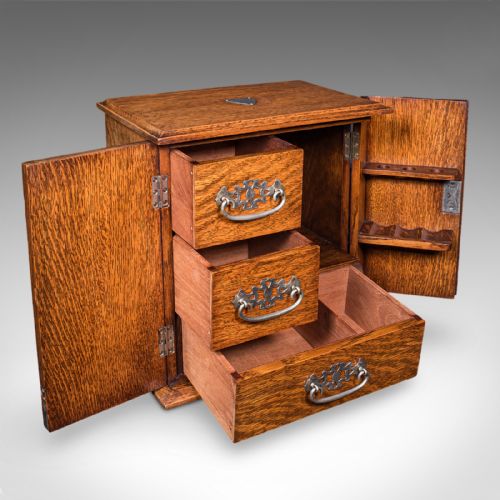
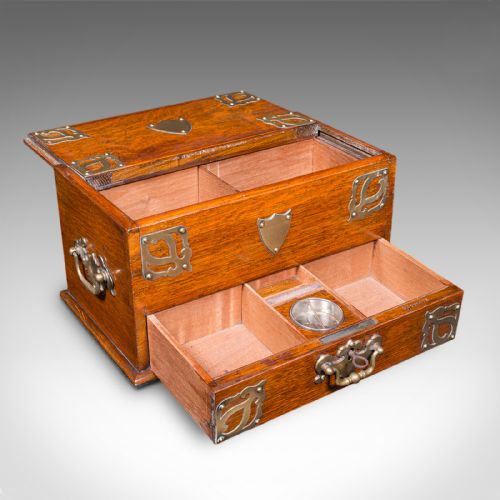
When you search for an antique tobacco case, you encounter a varied group of receptacles designed to hold pipe tobacco, cigars, cigarettes, or snuff. These objects range from pocket-sized silver and leather containers to larger oak and brass smokers' cabinets meant for the desk or club lounge.
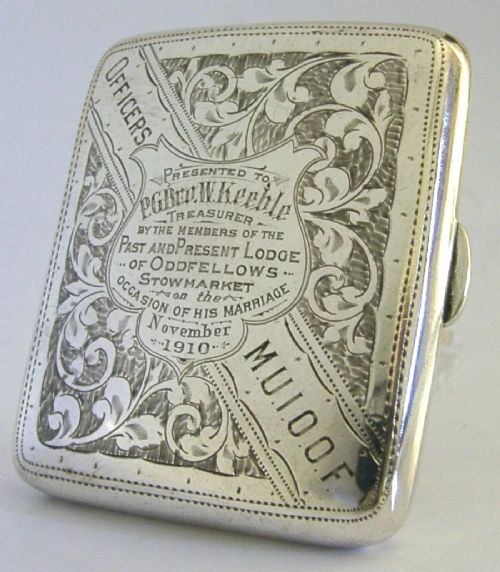
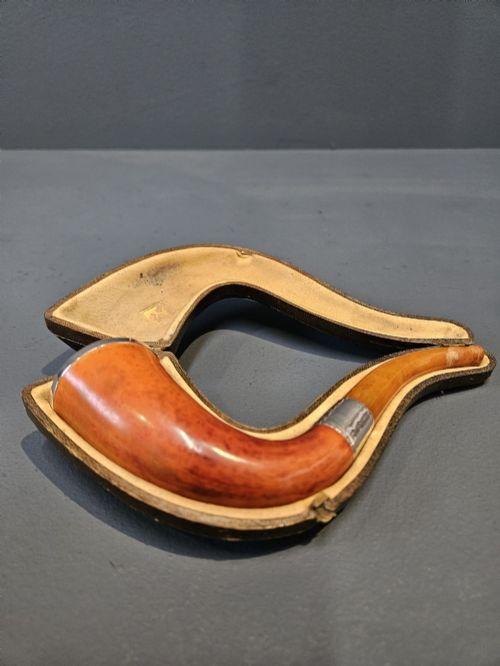
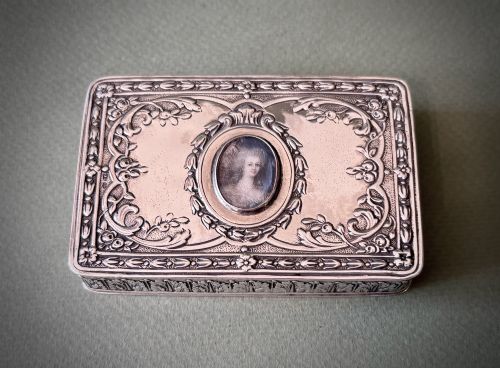
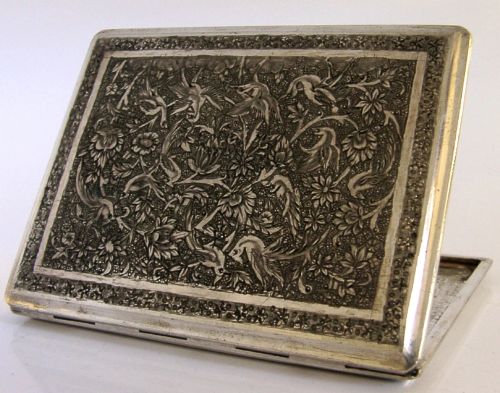
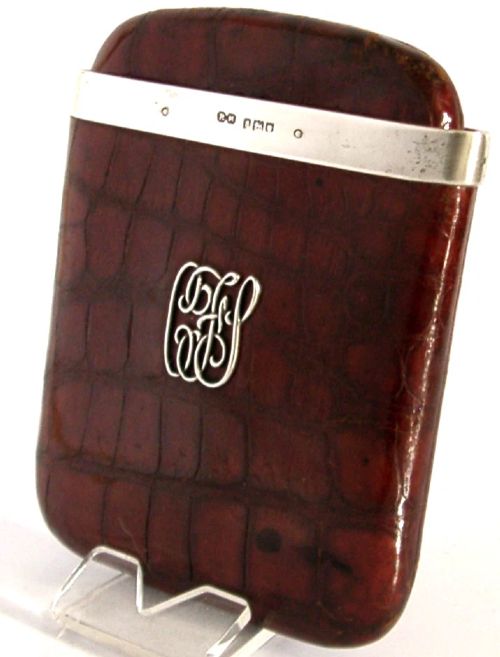
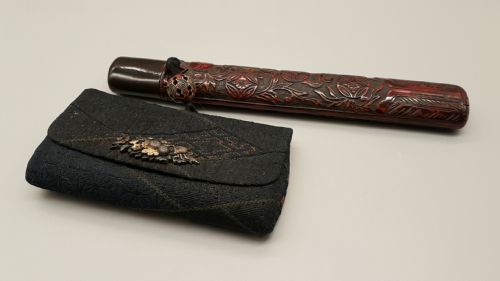
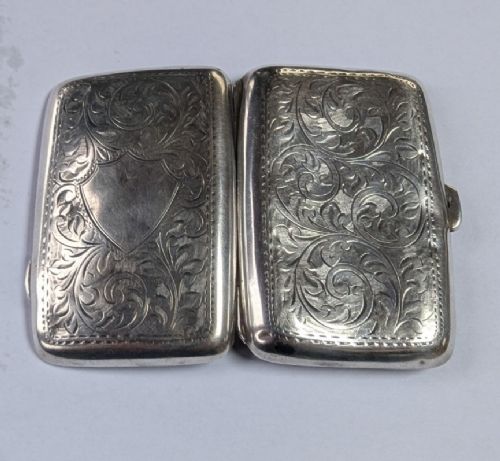
The material and form depend heavily on the period and the specific smoking medium. You will frequently find Victorian and Edwardian sterling silver pocket cases alongside Georgian snuff boxes, carved wooden pipe holders, and occasional Japanese smoking ensembles with silk pouches.
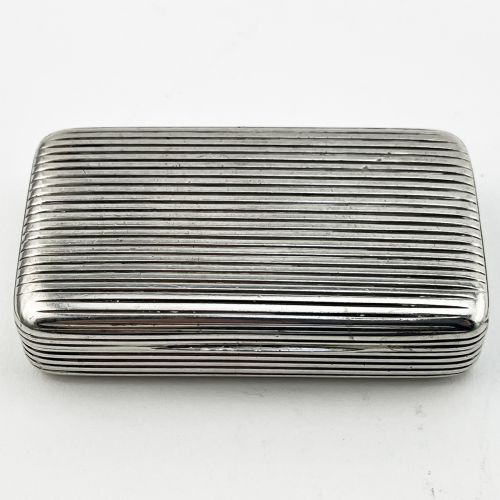
Many items grouped under this heading reflect the changing social habits of the nineteenth and early twentieth centuries. From heavy cast silver snuff boxes to Art Deco metal cigarette boxes, each piece served a distinct daily function for tobacco users.
Materials and construction
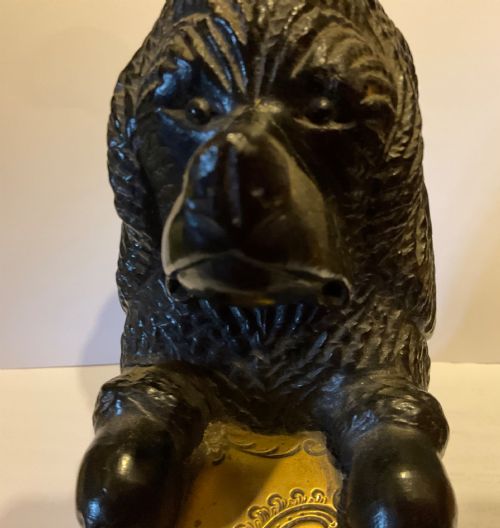
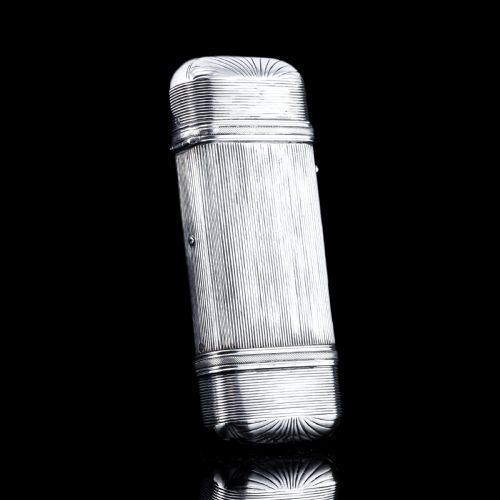
Sterling silver, brass, and copper form the backbone of metal pieces, often shaped through engine-turning, heavy casting, or reeded surface designs. Makers also utilised organic materials such as carved wood, tortoiseshell, amber, crocodile skin leather, and bamboo to give texture and durability to the containers.
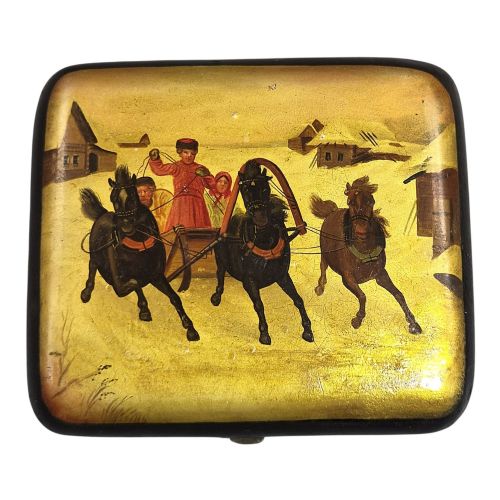
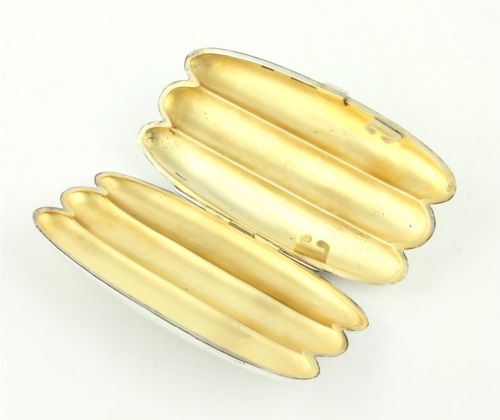
Cabinet pieces combine solid oak with brass hinges and fittings, whilst smaller pocket items employ precise silver mounts, lacquer work, and delicate interior gilding. Craftsmanship shows in the seamless joinery of wooden boxes and the crisp engraving found on silver cigarette and cheroot cases.
Factors of quality
Quality rests on the crispness of the workmanship, whether in the depth of hand-carved wood details or the precision of engine-turned patterns on silver. Pieces bearing clear hallmarks and recognised makers display superior baseline standards of construction.
The integrity of the materials and the preservation of original hinges, clasps, and internal linings dictate desirability. Superior examples maintain their structural tightness and clean interior compartments, showing minimal wear from everyday pocket use.
Vishnyakov Workshop·Sampson Mordan·Alfred Dunhill·Matthew Linwood·Elkington
The Antique Tobacco Case Glossary
- Snuff box
- A small lidded container designed specifically to hold powdered tobacco. These typically feature tight-fitting hinges to keep the contents dry.
- Vesta
- A small pocket box or case used to hold matches. They often incorporate striking surfaces on the exterior.
- Cheroot
- A cylindrical cigar with both ends cut straight and open, requiring a specialised slim case. These are frequently matched in length to the smoker's preference.
- Engine turned
- A decorative technique involving precise geometric patterns mechanically cut into metal surfaces. It adds texture and reduces the visibility of fingerprints.
- Hallmark
- An official stamp applied to precious metals indicating purity, origin city, and maker. It provides a reliable method for dating silver and gold pieces.
Antique Tobacco Case: Frequently Asked Questions
How do I clean tarnished silver tobacco cases?
Silver cases benefit from gentle cleaning with a soft cloth and a specialised silver polish that avoids abrasive scrubbing. Care must be taken around engraved crests or hinged lids to prevent residue buildup in the recesses.
For pieces with gilt interiors or delicate wooden linings, moisture should be kept away from the inner surfaces. A dry microfibre cloth is usually sufficient for general maintenance of the exterior metal.
Were these cases used for cigarettes or cigars?
The evidence shows containers built for both, alongside dedicated compartments for snuff and pipe tobacco. Cigarette cases are generally flatter and feature internal elastic straps, whereas cigar and cheroot cases are deeper and often tubular.
Larger smoker's cabinets and boxes accommodated multiple items, including pipes, matches, and loose tobacco. The physical dimensions and internal layout indicate the specific smoking medium intended by the maker.
How can I tell a Victorian silver case from a Georgian one?
Georgian silver pieces, dating up to the early nineteenth century, frequently display crisp hand-engraving, heavy gauge metal, and distinct makers' stamps lacking standard date letters. Victorian items from later in the nineteenth century often incorporate machine-stamped decoration, more complex spring hinges, and fully legible assay office hallmarks.
Stylistic cues also separate the eras, with Georgian work favoring restrained classical motifs and early Victorian pieces embracing heavier cast ornamentation and Rococo revival flourishes.
Can I still store tobacco in these vintage containers?
Most antique pocket cases lack modern airtight seals, meaning loose tobacco or cigars will dry out if stored inside for long periods. They are best utilised for display or occasional dry storage rather than daily curation of fresh smoking materials.
Wooden humidors and larger cabinets with fitted interiors offer better environmental control, though older humidification mechanisms should be checked for functionality before use.