

Antique Timepiece with Case
An antique timepiece with case brings together precision mechanical engineering and protective housing, offering both portable utility and formal desk display.
Antique Timepiece with Case
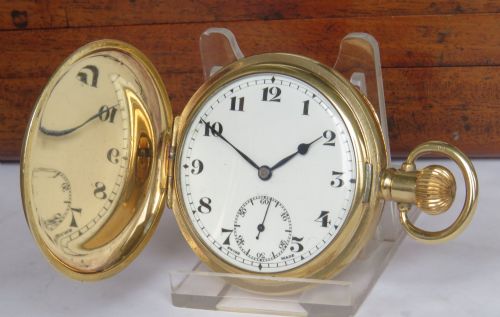
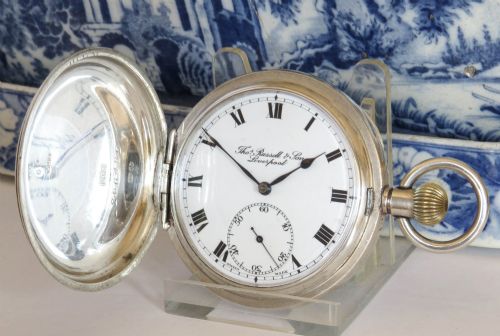
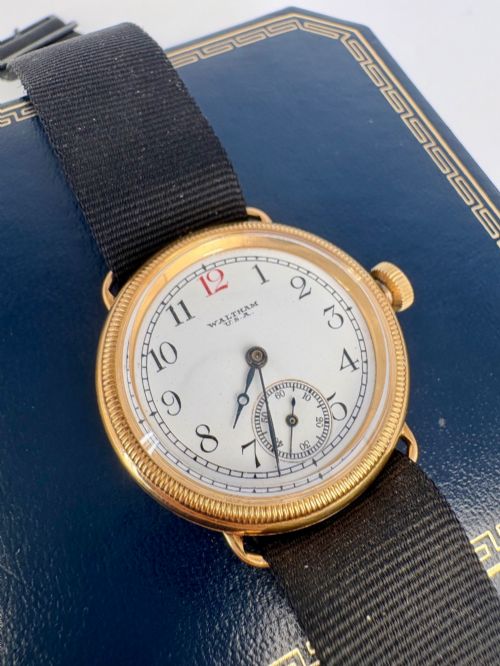
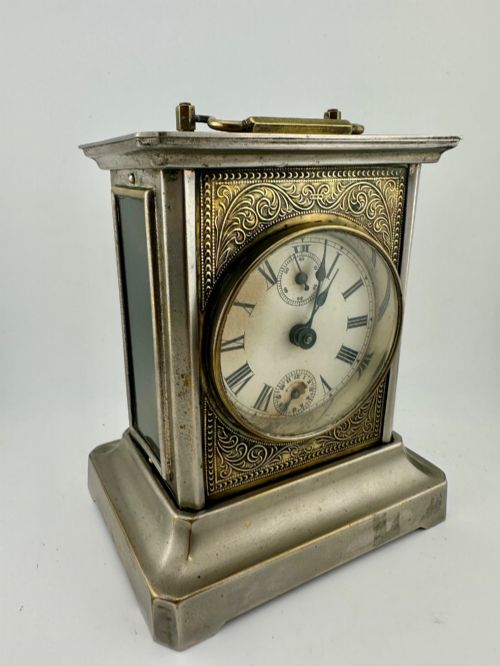
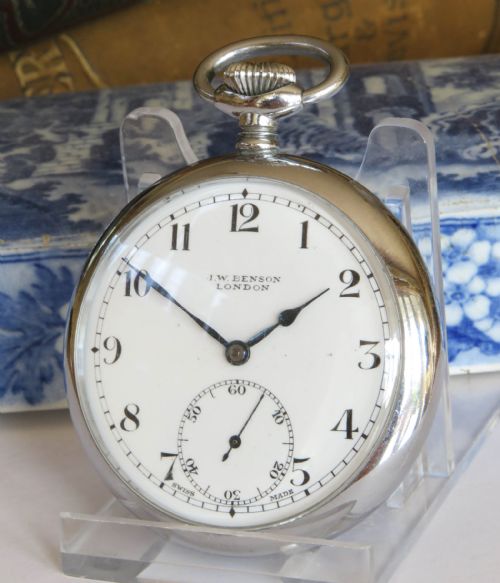
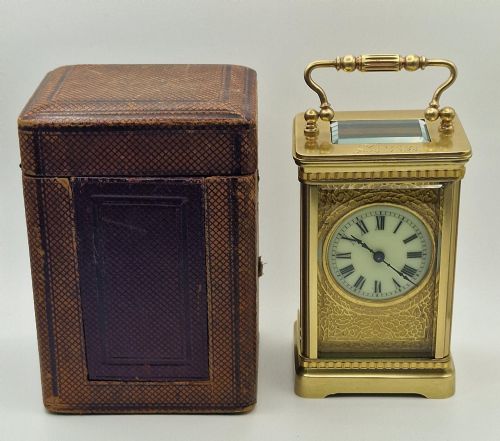
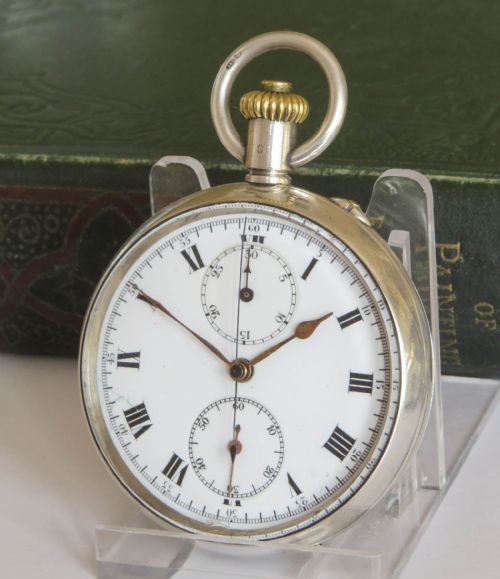
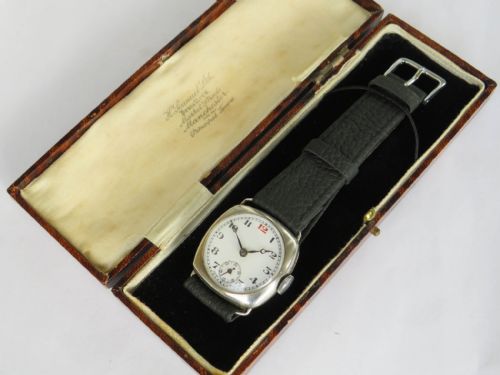
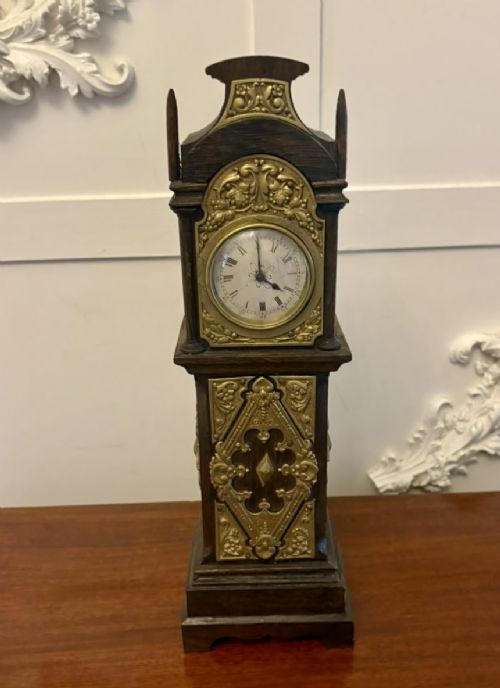
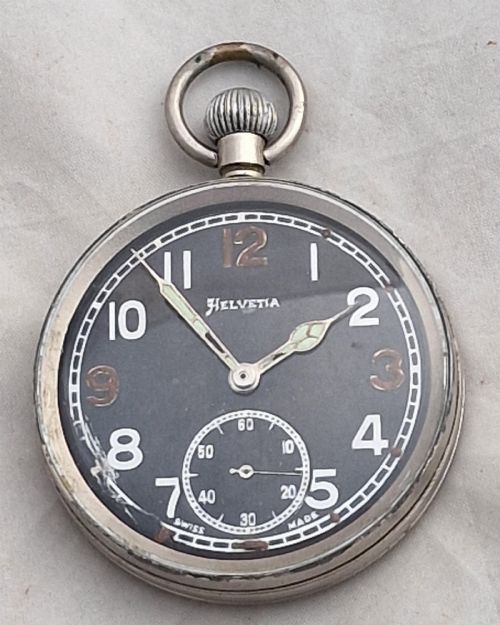
An antique timepiece with case encompasses portable and desktop horological instruments housed within protective enclosures, ranging from pocket watches to substantial mantel clocks. Buyers searching for an antique timepiece with case will frequently encounter carriage clocks equipped with travel cases, alongside pocket watches with pair cases and travelling desk clocks.
The selections span the eighteenth, nineteenth, and early twentieth centuries, drawing heavily upon Victorian and Edwardian domestic styles. French and English workshops dominate the offerings, providing variations from simple brass travelling pieces to complex striking mechanisms in rosewood or gilt brass.
Formats vary widely between pocket-worn silver watches, miniature boudoir pieces, and larger library or bracket clocks. Each configuration reflects the specific domestic or travel requirements of its original owner, utilising materials suited to daily handling or formal interior display.
Materials and construction methods
Construction relies upon durable metals such as brass, gilt brass, and ormolu for movement frames and clock cases, paired with glass panels to display the dial and escapement. Sterling silver and leather appear frequently in pocket watch pair cases and fitted travelling enclosures designed to withstand transit.
Fine cabinetmaking utilises rosewood for substantial library and bracket clock housings, providing a stable structural frame for complex mechanical movements. Dials often incorporate white enamel with contrasting numerals, sometimes enhanced with champlevé enamel or floral detailing.
Antique Timepiece with Case Retail Price Guide 2026
Typical asking prices for timepiece with case among the pieces listed under this phrase on Sellingantiques today, from the lower quarter to the upper quarter. They describe what is for sale here now, not the wider market.
At least one nineteenth-century French giant carriage clock includes a built-in compass and thermometer for the truly weather-conscious traveller.
Evaluating craftsmanship and execution
Superior examples distinguish themselves through the complexity of the internal movement, such as grand sonnerie, repeater, or alarm complications executed by recognised makers. The crispness of gilding, the retention of original travelling boxes and keys, and the integration of additional scientific indicators like thermometers elevate an object's status.
Case execution dictates the overall standard, separating standard production models from precision library clocks fitted with platform escapements and heavy bevelled glass panels. The presence of hallmarked silver, intricate enamel work, and signed movements demonstrates higher tier manufacturing.
Henri Jacot·Pickford of London·Delépine·Drocourt·Richard and Co
The Antique Timepiece with Case Glossary
- Carriage clock
- A small, spring-driven clock designed for travel, typically fitted with a swinging handle and brass or gilt-metal housing with glass panels. These portable timepieces often came with dedicated leather or wooden travelling cases.
- Gorge case
- A distinct rectangular carriage clock case style characterised by stepped mouldings to the top and base. It represents a standard of mid to late nineteenth-century French and English horology.
- Fusee
- A conical pulley used in clock and watch movements to equalize the declining power of the mainspring as it unwinds. This mechanism ensures even tension and consistent timekeeping.
- Grand sonnerie
- A complex striking mechanism that chimes the hours and the quarters automatically on every quarter hour. Such complications mark the upper tier of clockmaking quality.
- Pair case
- An outer protective case enclosing a pocket watch, popular during the eighteenth century. The pairing provided extra defence against dust and physical damage during daily wear.
Antique Timepiece with Case: Frequently Asked Questions
What is a carriage clock?
A carriage clock is a portable spring-driven timepiece developed for travel in the nineteenth century, featuring a glass-panelled metal case and a top-mounted carrying handle.
Most examples sit on small feet and rely on a platform escapement to maintain accurate time regardless of slight tilts during transit.
What is a repeater mechanism?
A repeater mechanism allows the clock to chime the last elapsed hours and quarters on demand when a push button or lever is activated.
This complication was particularly useful during the dark before the widespread use of artificial indoor lighting.
How are travelling cases constructed?
Travelling cases consist of sturdy wood carcasses covered in leather, often lined with velvet or silk to cushion the clock during movement.
Original fitted cases frequently include compartments specifically designed to hold the winding key.
What is a platform escapement?
A platform escapement is a self-contained regulating unit holding the balance wheel, hairspring, and lever components on a small metal plate.
This innovation allowed smaller clocks like carriage models to function accurately without relying on a stationary pendulum.