





Antique Timber Tray
An antique timber tray brings warmth and dependable utility to a room, offering rich grains and hand-finished details that modern serveware simply lacks.
Antique Timber Tray
When you search for an antique timber tray, you encounter everything from Georgian serving pieces to Edwardian inlaid tea trays and rustic country items. These objects range widely in form, spanning small walnut dishes, card trays, and large serving platters.
Mahogany and oak dominate the selection, often appearing alongside walnut, satinwood, and maple. Many examples display the regional character of English country houses or incorporate global influences such as Kashmiri and Anglo-Indian carving.
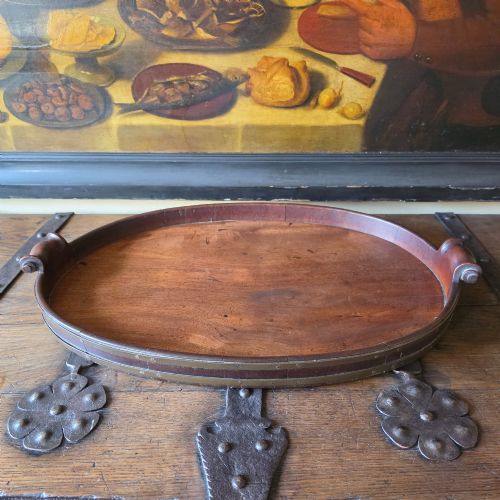
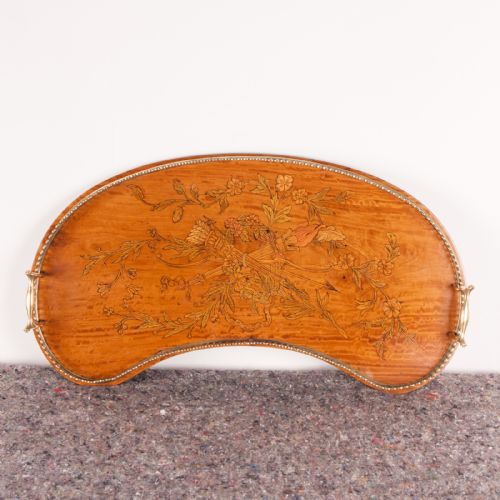
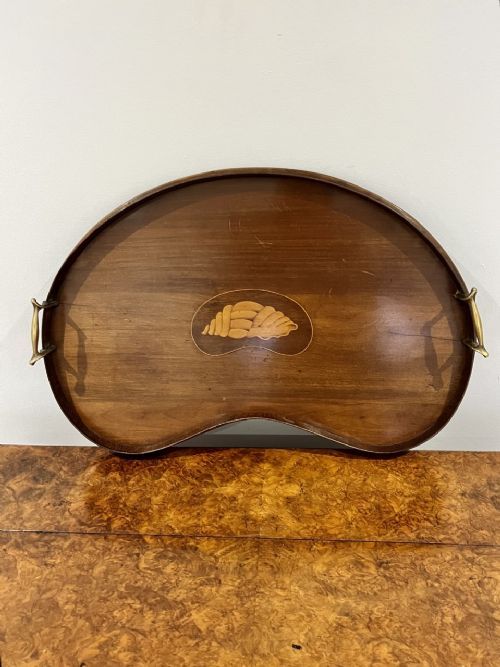
While some pieces function purely as decorative accessories, others retain their original purpose for carrying tea, holding wine coasters, or displaying small collections. The variety extends to specific forms like kidney-shaped tea trays and turned wall trays.
How they were made
Cabinetmakers utilised solid timbers and selected veneers, shaping woods like mahogany, walnut, and oak using traditional hand tools. Joinery techniques varied according to the period and form, from dovetailed cutlery trays to turned rims on circular wine trays.
Surface ornamentation often involved intricate inlay work, utilising contrasting materials such as satinwood and boxwood to create geometric or floral patterns. Carving also played a significant role, seen in regional pieces and imported works featuring detailed foliage or figural motifs.
Materials appearing across current pieces include mahogany, walnut, satinwood, oak, pitch pine, teak, brass, iron, and boxwood.
What varies in quality
The distinction between standard items and exceptional pieces lies in the choice of timber and the precision of the construction. Superior examples feature well-figured grain, tight joinery, and crisp, intentional carving rather than hurried production.
The Antique Timber Tray Glossary
- Inlay
- A technique where pieces of contrasting wood, such as satinwood or boxwood, are set into the surface of a primary timber to create decorative patterns.
- Wine Coaster
- A small, portable tray or stand designed to hold a bottle or decanter, often featuring a timber base surrounded by a gallery.
- Kidney Shaped
- A curved, asymmetrical form popular in Edwardian tea trays that provides an ergonomic edge for the carrier.
- Card Tray
- A small receptacle originally intended for presenting visiting cards in a hallway or receiving room.
- Tunbridge Ware
- A type of decorative woodwork characterised by minute mosaic patterns made from many different natural coloured woods.
Antique Timber Tray: Frequently Asked Questions
How do I clean an antique timber tray?
Dust the surface regularly with a soft, dry cloth to prevent dirt accumulation. Avoid harsh chemical cleaners or excess moisture, which can damage aged wood and lift delicate inlays.
Apply a traditional beeswax polish occasionally to nourish the timber and maintain its natural lustre. Buff gently after application to preserve the historic patina.
Can I use an antique tray for serving food?
Many of these pieces were originally designed for serving tea, wine, or food, making them physically suited for light entertaining. However, modern hygiene standards and the fragile nature of historic finishes mean caution is advised.
Consider using a protective liner or cloth on the surface if you intend to serve items that might spill or stain the wood. Displaying them flat on a table or mounted on a wall also protects the finish.
How do I date an antique wooden tray?
Dating relies on examining the timber species, construction methods, and decorative styles characteristic of specific eras like the Georgian or Victorian periods. Tool marks on the underside and the type of fixings used provide further clues.
Compare the overall design proportions and inlay motifs with documented examples from the same era. Regional variations, such as Welsh oak work or Edwardian satinwood styling, also help narrow down the decade.
What is the difference between a tea tray and a card tray?
Tea trays are generally larger, built with sturdy handles or raised galleries to carry multiple vessels safely. They prioritize surface area and structural strength for functional service.
Card trays are significantly smaller, intended for holding visiting cards rather than heavy items. Their design focuses on decorative refinement, often featuring intricate borders or delicate inlaid patterns.