
Antique Timber Seating
Antique timber seating encompasses chairs, benches, and stools formed from solid woods through centuries of domestic and garden use.
Antique Timber Seating
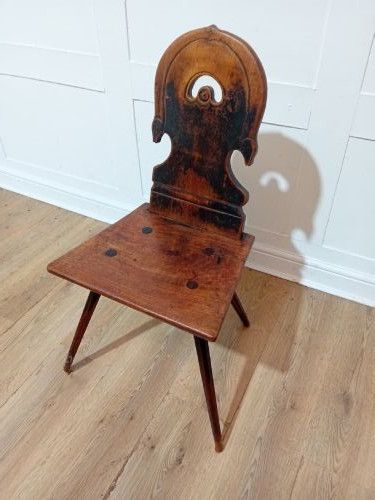
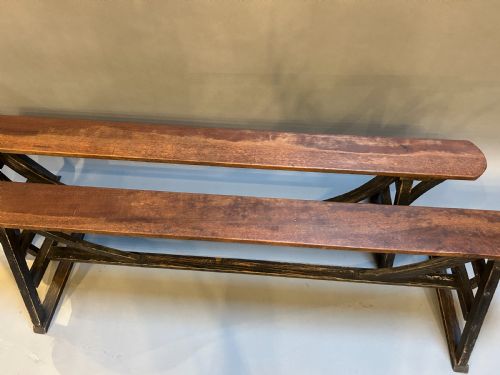
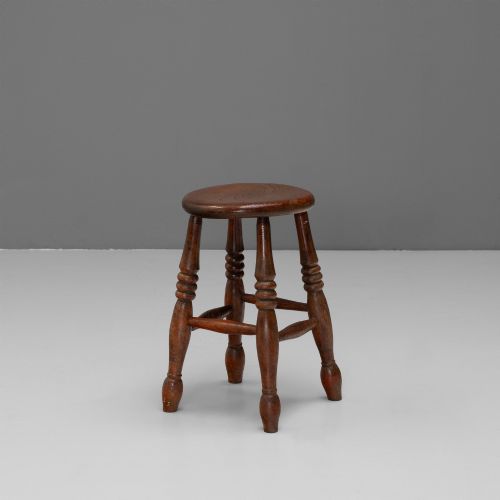
Antique timber seating covers utilitarian stools, settles, benches, and formal dining chairs produced across the eighteenth, nineteenth, and early twentieth centuries. Pieces range from vernacular elm kitchen chairs and oak settles to Regency mahogany hall chairs and rustic garden benches.
Buyers meet sturdy country furniture alongside formal reception and dining seats, reflecting domestic, civic, and garden requirements. Oak, mahogany, and elm predominate among domestic forms, while cast iron and teak appear in outdoor seating.
Materials and construction
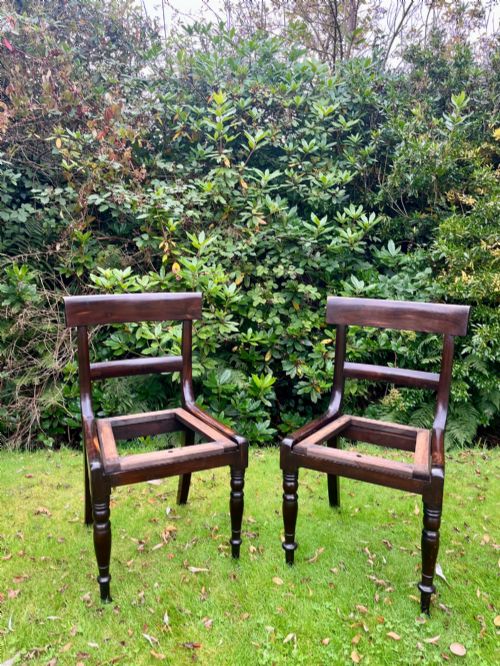
Carpenters and joiners utilised native hardwoods such as oak, elm, sycamore, and ash alongside imported mahogany and walnut. Frames relied on traditional joints, including mortise and tenon, to withstand heavy daily use in kitchens, halls, and pubs.
Windsor chairs incorporated turned spindles and bentwood parts locked into solid wooden seats. Surface finishes developed through decades of polishing and handling, leaving natural patinas on domestic and institutional seating.
Listings feature seating fashioned from oak, mahogany, elm, pine, sycamore, and teak across the Victorian and Georgian periods.
Judgments of quality
Quality rests on the integrity of the timber, the honesty of the construction, and the preservation of original surfaces. Pieces retaining their structural rigidity without excessive timber replacement hold greater weight among collectors.
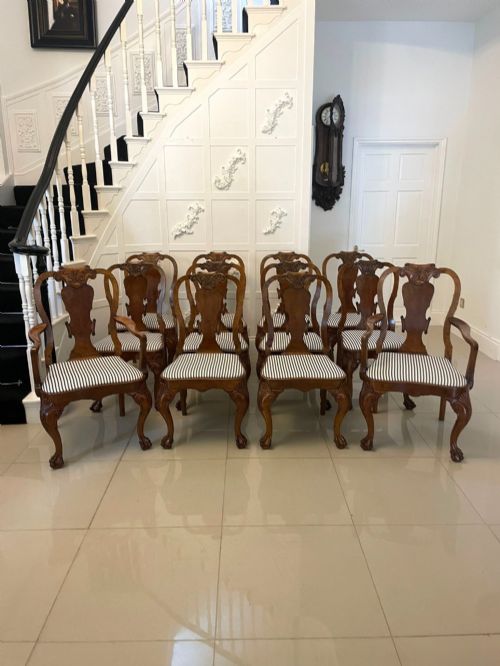
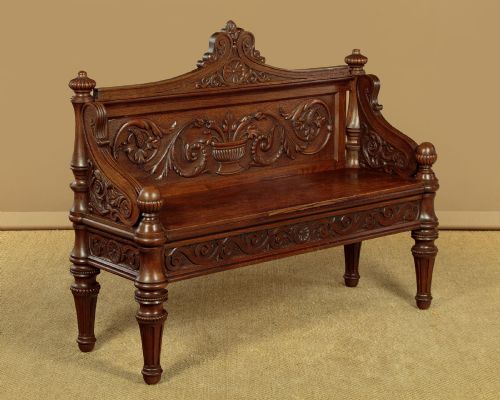
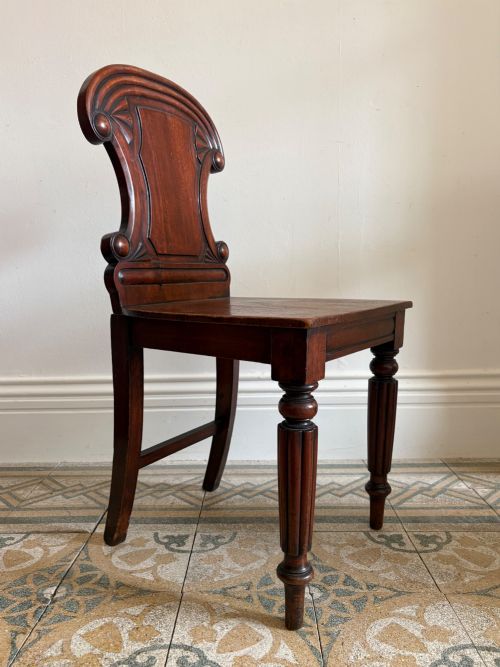
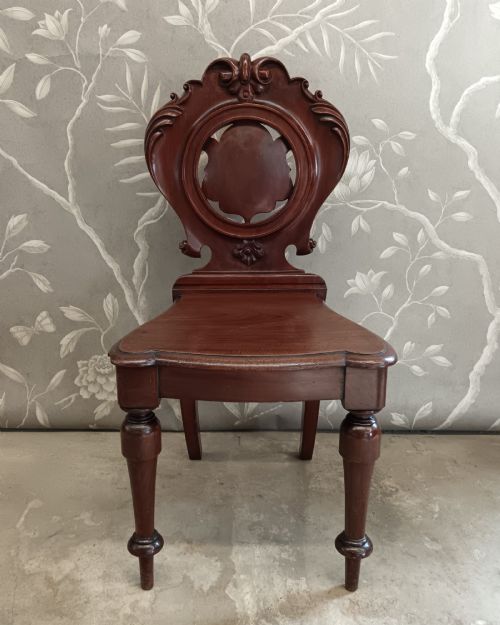
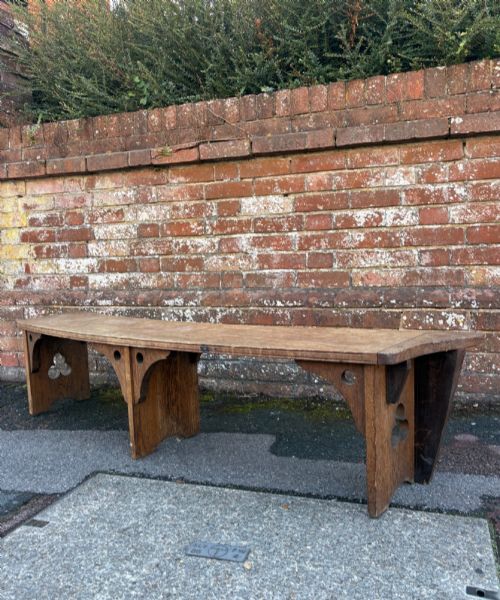
Refinement in carving, such as detailed trefoil supports or crisp shield backs, distinguishes formal reception chairs from plain utilitarian seating. The depth of the natural patina and minimal structural alteration dictate the standing of vernacular furniture.
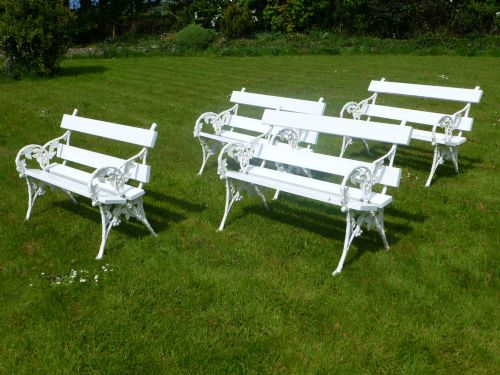
Falkirk foundry
The Antique Timber Seating Glossary
- Settle
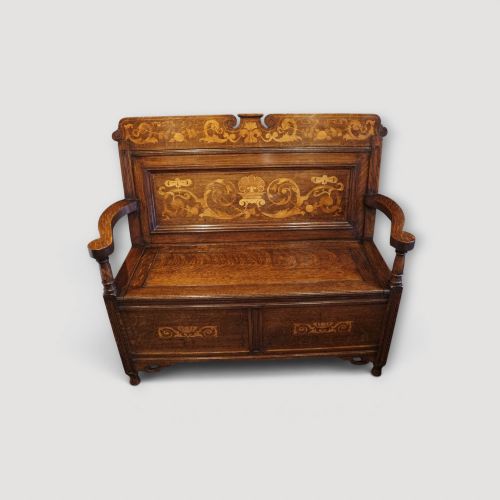
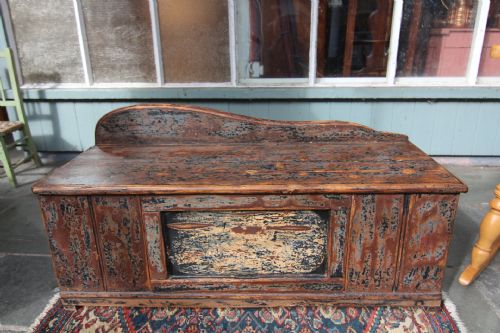
- A wooden bench with a high back, solid arms, and often a storage box beneath the seat. It shielded occupants from draughts in early domestic halls.
- Windsor
- A chair constructed with a solid wooden seat into which the legs and back spindles are wedged directly. Common variants feature wheelback or combback designs.
- Hall chair
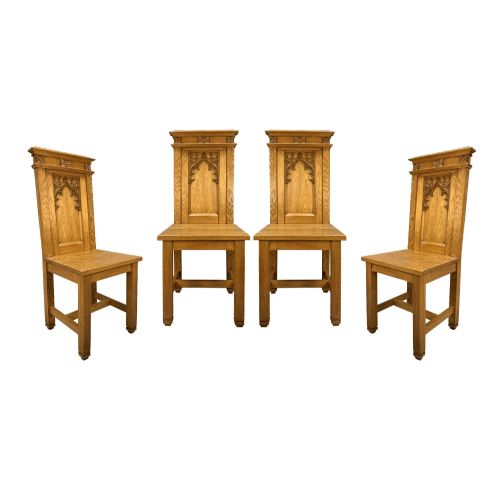
- A rigid wooden side chair placed in entrance halls, typically featuring a solid timber seat and a carved or painted back bearing family crests.
- Vernacular
- Everyday furniture made by local regional craftsmen using accessible native timbers rather than following strict high-style metropolitan fashions.
- Corbeille
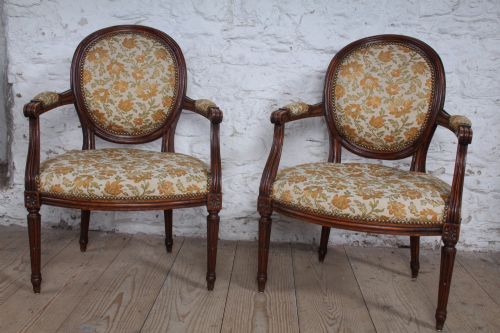
- A French term describing an upholstered armchair with a rounded, basket-like back enclosing the seat.
Antique Timber Seating: Frequently Asked Questions
What is an antique settle?
A settle is a high-backed wooden bench designed to seat multiple people while blocking cold air currents in domestic rooms. Many incorporate hinged seats concealing storage boxes for household blankets or fuel.
These pieces served functional roles in farmhouses, taverns, and large halls before becoming decorative items in later interiors.
How do I identify a Windsor chair?
Windsor chairs feature distinct construction where individual turned legs and back spindles insert straight into a thick, shaped wooden seat base. They rely on steam-bent wooden bows to form the upper backrest.
Regional variations display different spindle arrangements, including wheelback motifs and solid central splats.
Where were hall chairs used?
Hall chairs stood in the entranceways of large houses to accommodate visitors waiting briefly in reception areas. They were deliberately constructed with solid timber or wood seats rather than upholstery to withstand outdoor coats and damp weather.
Most examples feature upright backs displaying carved crests, painted heraldry, or shield shapes.
How should I care for antique wooden seating?
Antique timber furniture requires stable indoor humidity levels to prevent the wood from drying, shrinking, or splitting at the joints. Regular dusting with a dry cloth protects the historic patina without stripping surface oils.
Keep wooden seats away from direct heat sources and strong sunlight to maintain the natural finish.