
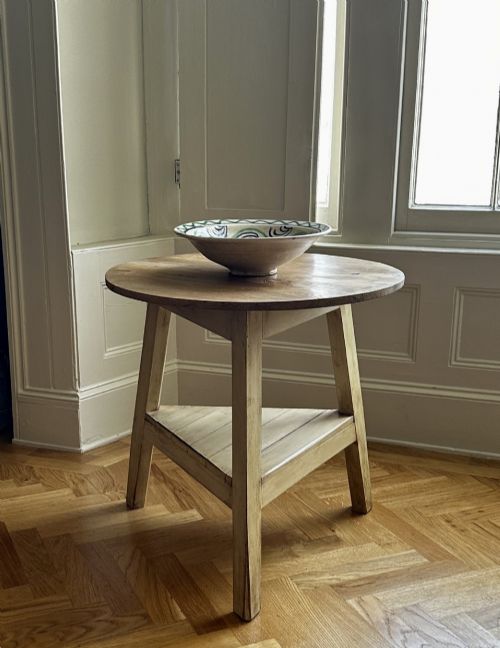


Antique Timber Round Table
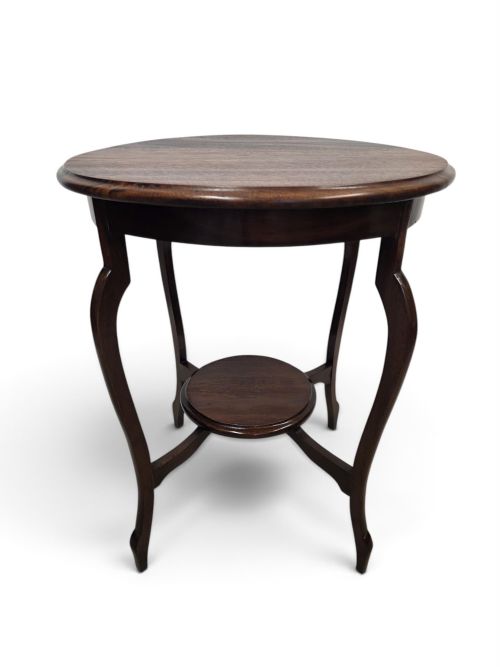
An antique timber round table brings honest circular form and centuries of material character into a room.
Antique Timber Round Table
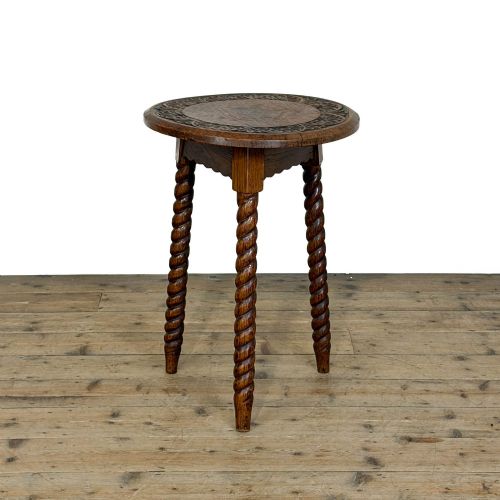
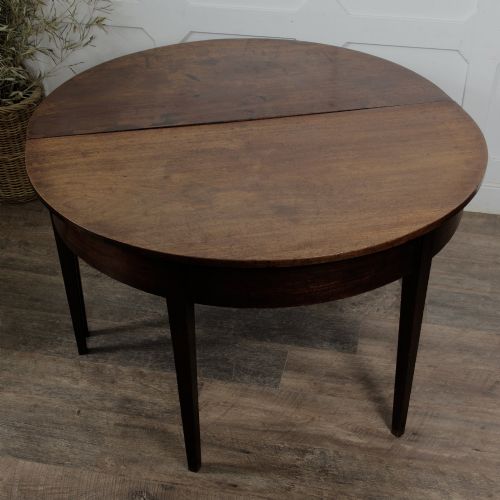
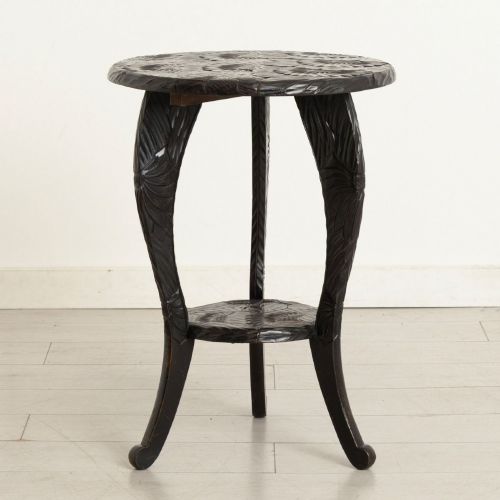
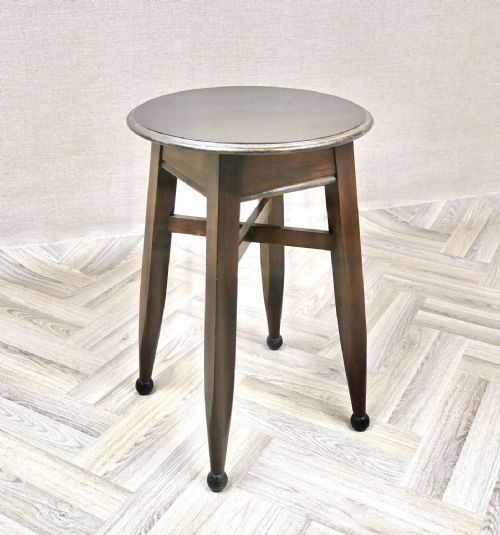
An antique timber round table spans compact tripod cricket tables, folding vineyard surfaces, and large pedestal dining pieces designed for communal gathering.
The selections encountered here range across Georgian, Victorian, and Edwardian periods alongside regional rustic styles from Wales, France, and Sweden.
Makers utilised native hardwoods such as oak, walnut, elm, and mahogany, shaping utilitarian kitchen pieces and formal reception furniture alike.
Materials and construction methods
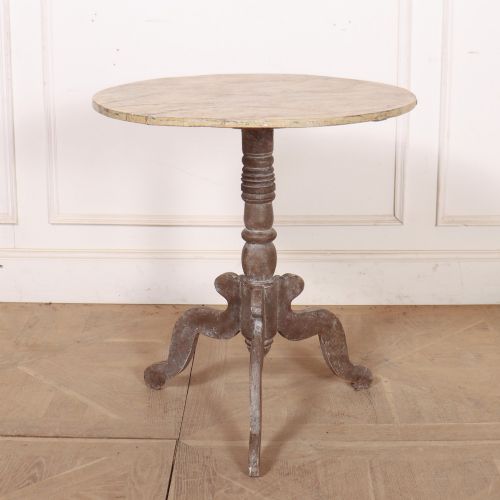
Carpenters constructed these tables using solid timber boards for circular tops, frequently mounted on three-legged tripod bases or robust central pedestals.
Joinery techniques included pegged mortise and tenon joints, dovetailing, and specialised turning for legs and central columns.
Surfaces were finished with natural wax, polish, or regional paint applications that protected the wood while accentuating the grain.
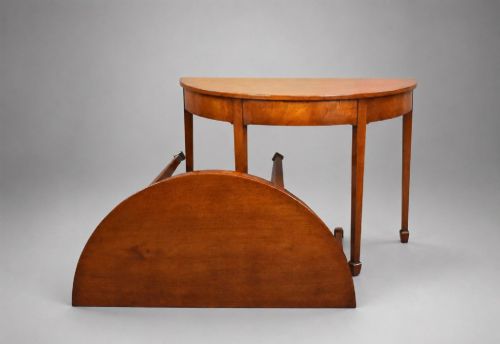
Some tables were built to fold flat or tilt upright, proving that clever space-saving furniture existed long before modern apartments.
Distinctions in quality
The standard of an antique timber round table rests on the selection of timber, such as figured walnut, burr wood, or dense quarter-sawn oak.
Superior examples exhibit balanced proportions, refined turning, and hand-cut joinery that remains rigid without modern reinforcement.
Liberty of London·Anton Seuffert
The Antique Timber Round Table Glossary
- Cricket table
- A small three-legged table with a circular top, traditionally used in vernacular settings for stability on uneven floors.
- Tripod table
- A freestanding table supported by a central pillar resting on three spreading legs, common in the eighteenth and nineteenth centuries.
- Tilt-top table
- A table featuring a mechanism that allows the circular top to hinge vertically for storage against a wall when not in use.
- Demilune
- A half-moon shape, often applied to console tables designed to stand flush against a wall.
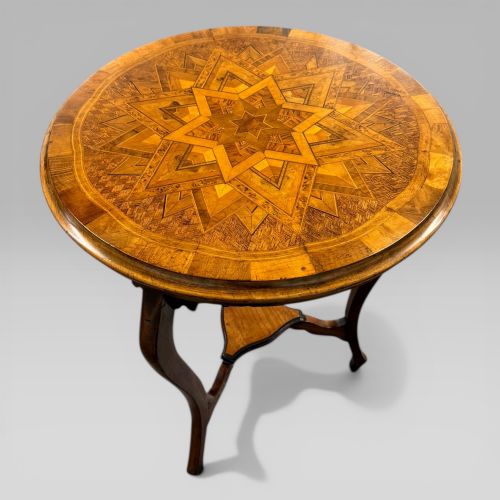
- Marquetry
- The art of applying decorative veneer pieces of different woods to a surface to form intricate geometric or pictorial designs.
Antique Timber Round Table: Frequently Asked Questions
What is a cricket table?
A cricket table is a traditional three-legged round table with a wooden top. The three-leg design ensured the table remained stable on flagstone or uneven cottage floors.
These pieces typically date from the nineteenth century and appear in regional variations including Welsh and English vernacular styles.
How do I use a round occasional table?
Round tables function effectively as lamp stands, bedside surfaces, or central display points in a room. Their circular footprint softens angular furniture layouts and allows easy movement around them.
Smaller tripod and folding versions can be repositioned easily depending on daily requirements.
What woods were used for these tables?
Cabinet makers and regional joiners utilised a wide variety of timbers depending on availability and purpose. Common choices include oak, walnut, elm, mahogany, pine, and exotic hardwoods.
Some tables also feature specialised decorative veneers such as burr wood or satinwood inlay.