



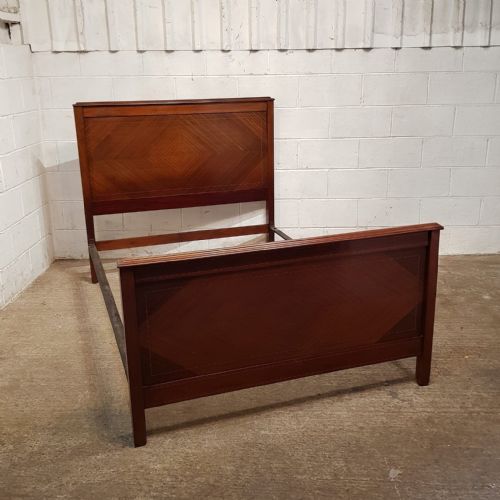

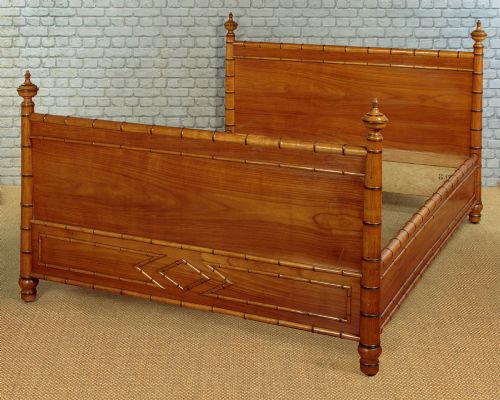
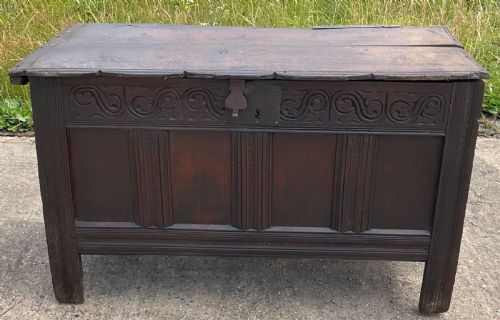

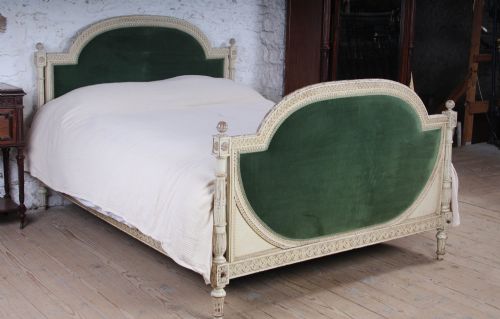
Antique Timber Bed
An antique timber bed brings sculptural warmth and historic presence to a bedroom, anchoring the room with solid wood and traditional craftsmanship.
Antique Timber Bed
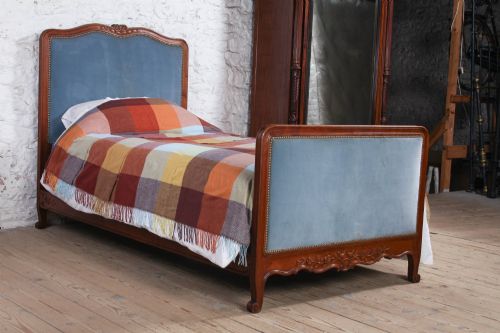
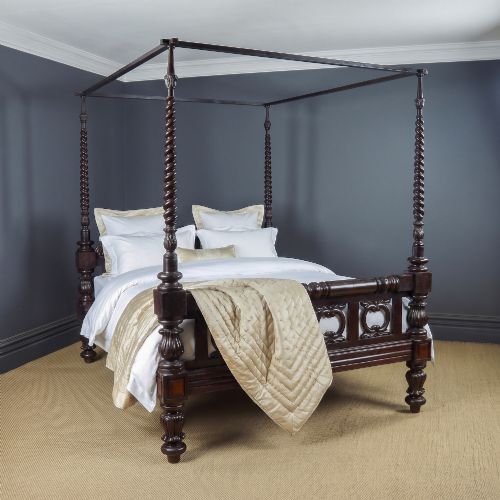
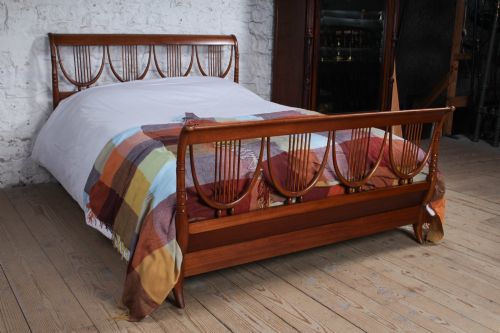
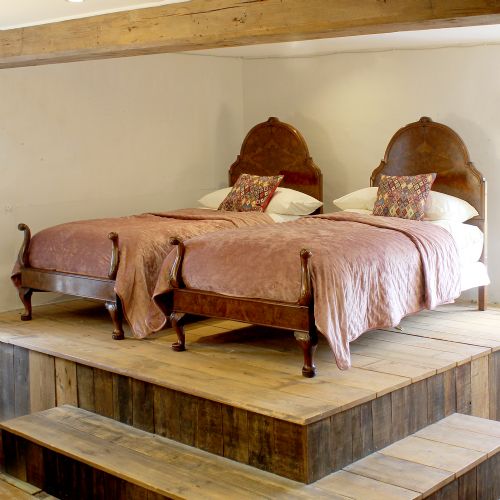
When you search for an antique timber bed, you encounter a wide variety of sleeping furniture ranging from substantial four-poster frames to simpler single bedsteads and daybeds. These pieces date across several centuries, encompassing periods from the seventeenth century through to the Art Deco era.
The selection on this page relies heavily on nineteenth-century examples and early twentieth-century designs, often shaped by Victorian, Edwardian, and Regency aesthetic traditions. Makers utilised regional timbers to construct everything from grand super king frames to compact single beds and daybeds.
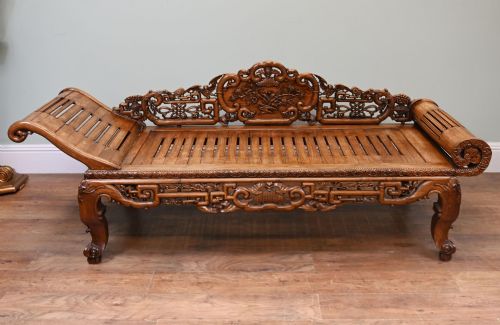
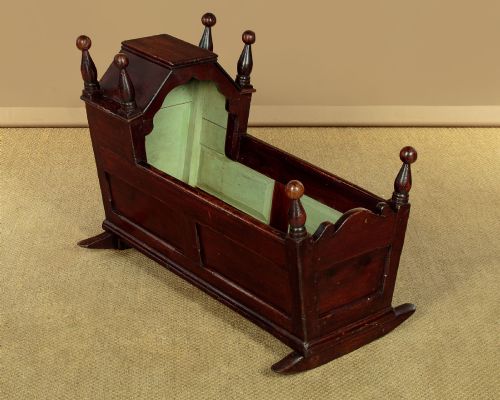
Beyond standard bed frames, the category embraces specialised forms like Chinese hardwood opium benches, French daybeds, and occasional rocking cradles or dolls beds. Walnut, mahogany, and oak dominate the offerings, appearing alongside fruitwood, satinwood, and sweet chestnut.
What varies in quality
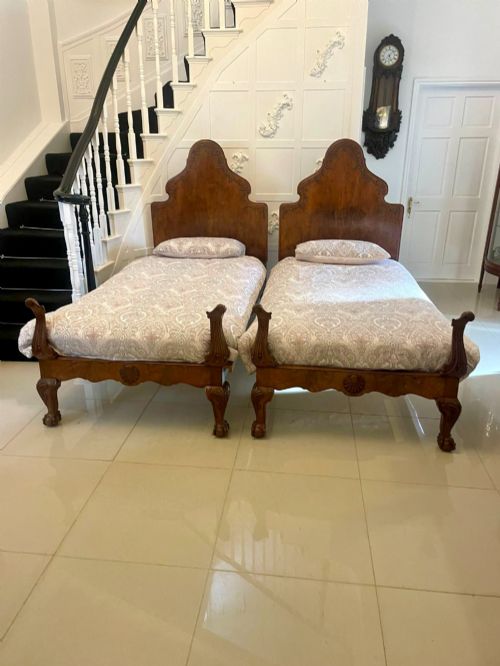
Quality in these pieces rests upon the selection of timber and the integrity of the structural joinery rather than surface ornamentation alone. Superior examples display dense, well-figured grains in woods like burr walnut or mahogany, matched with crisp, deeply carved mouldings.
The skill of the cabinetmaker dictates the longevity of the frame, separating standard commercial production from bespoke workshops. Finer pieces maintain robust structural proportions, balanced proportions in tester designs, and carefully integrated hardware without unnecessary alterations.
Antique Timber Bed Retail Price Guide 2026
Typical asking prices for timber bed among the pieces listed under this phrase on Sellingantiques today, from the lower quarter to the upper quarter. They describe what is for sale here now, not the wider market.
The selection spans compact single beds and daybeds to grand king-size four-poster structures from the seventeenth century onward.
Stanley Webb Davies·Oliver Morel·Heals of London·Shapland and Petter·Betty Joel
The Antique Timber Bed Glossary
- Tester
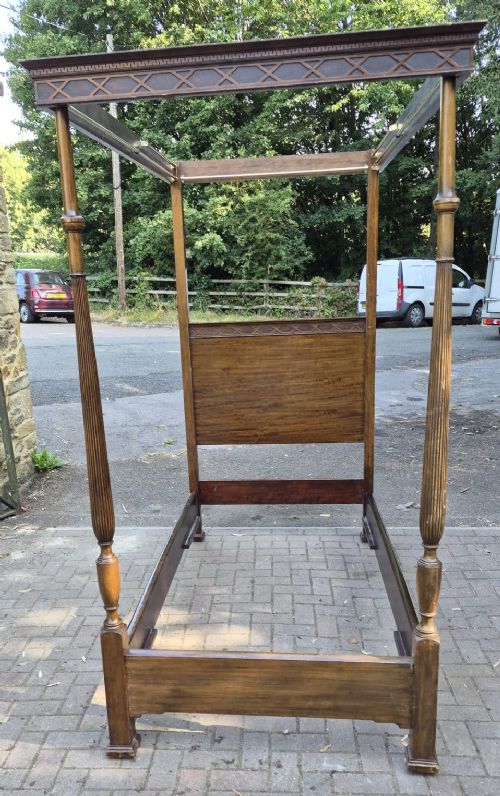
- The wooden canopy or ceiling suspended over a four-poster bed. It rests upon the vertical posts to frame the upper portion of the bed.
- Daybed
- A piece of furniture functioning as both a seat and a bed for resting or lounging during the day. These frames often feature raised ends or backs.
- Marquetry
- Decorative veneer work arranged in geometric or pictorial patterns using various tinted woods. Craftsmen apply these thin wood sections to enrich flat panel surfaces.
- Four-poster
- A bed characterised by four vertical posts rising from the corners to support a tester canopy. This grand form dates back centuries in English and continental design.
- Burr walnut
- A prized wood cut from walnut tree growths, yielding intricate swirling grain patterns. Cabinetmakers use it on prominent surfaces for high-end decorative effect.
Antique Timber Bed: Frequently Asked Questions
Will an antique timber bed fit modern mattresses?
Many older beds do not match standard contemporary metric dimensions, particularly nineteenth-century and earlier European or British sizes. Buyers often need custom-made mattresses to fit non-standard frame widths and lengths properly.
Checking internal rail measurements before purchase ensures that modern slats and bases will support a contemporary mattress safely within the antique frame.
How do I care for timber bed frames?
Maintenance involves keeping wooden surfaces away from direct heat sources and dramatic humidity shifts to prevent timber splitting or warping. Regular dusting with a soft cloth preserves the polish and finish of the wood.
Occasional application of appropriate wax feeds the grain without building up heavy residues that obscure fine carving or veneer work.
How do I identify the period of a bed?
Dating relies on observing construction methods, tool marks, timber choices, and stylistic cues characteristic of specific design movements. Georgian and Regency pieces show different carving depths and proportions compared to later Victorian or Arts and Crafts examples.
Hardware, joint types, and secondary woods inside the frame offer further clues to the manufacturing era of the piece.
Are four-poster beds difficult to assemble?
Four-poster frames utilise historic knockdown joints, threaded bolts, or wedge systems designed for dismantling and rebuilding. Assembling them usually requires two people to align the heavy posts, headboard, footboard, and tester frame accurately.
Careful handling during setup protects delicate mouldings and ensures the structural alignment remains square and stable.