




Antique Timber Barrel
An antique timber barrel brings utilitarian craft into a modern interior, offering honest storage and rich rustic texture.
Antique Timber Barrel
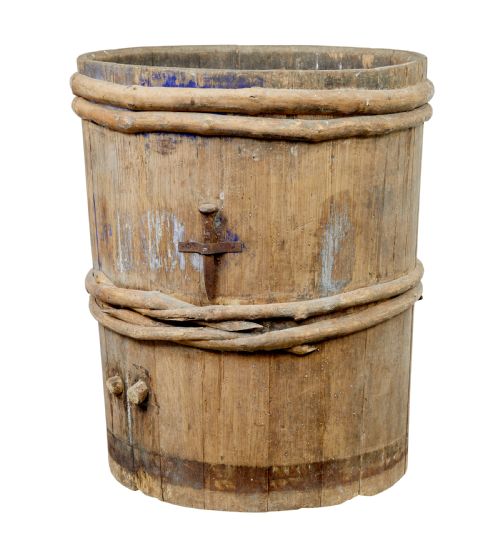
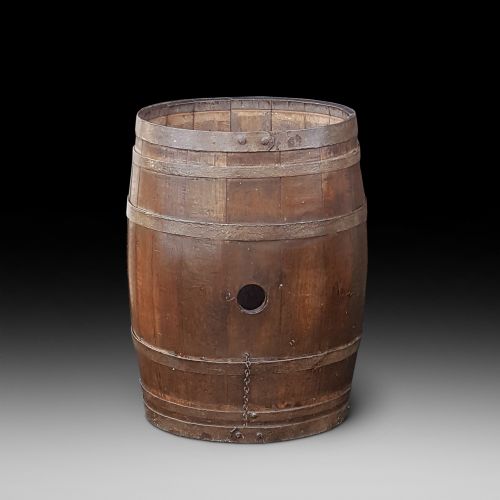
When searching for an antique timber barrel, collectors encounter sturdy containers originating from domestic, agricultural and naval contexts. These pieces span the Georgian and Victorian eras through to the early twentieth century, reflecting practical storage needs across different regions.
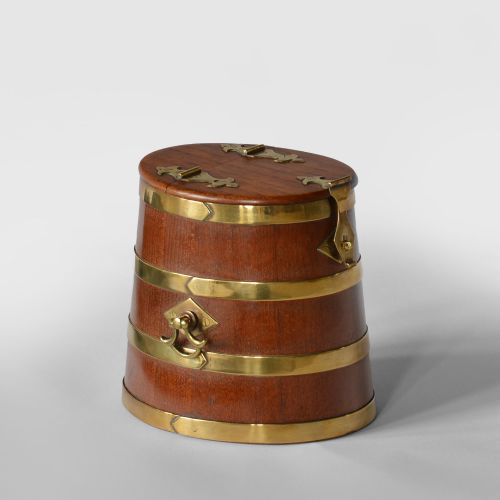
The selections available here range from miniature brass-bound rum vessels to large Scandinavian pine storage pieces. Alongside these traditional forms, the inventory includes related items like dug-out chairs and barrel-shaped puzzles.
Originating largely from British and Scandinavian workshops, these objects demonstrate how everyday utility merged with traditional carpentry. Buyers frequently find pieces showing significant age, including pine storage vessels and iron-bound examples.
Materials and construction methods
The construction of these vessels relies on durable woods such as pine, mahogany and various hardwoods, chosen for their resilience. Coopered examples utilise curved staves held tightly together by iron or brass bands.
Other pieces, such as Scandinavian chairs and primitive vessels, are formed using traditional dug-out techniques from single blocks of timber. Surface treatments vary from plain natural wood finishes to aged polychrome paint.
Antique Timber Barrel Retail Price Guide 2026
Typical asking prices for timber barrel among the pieces listed under this phrase on Sellingantiques today, from the lower quarter to the upper quarter. They describe what is for sale here now, not the wider market.
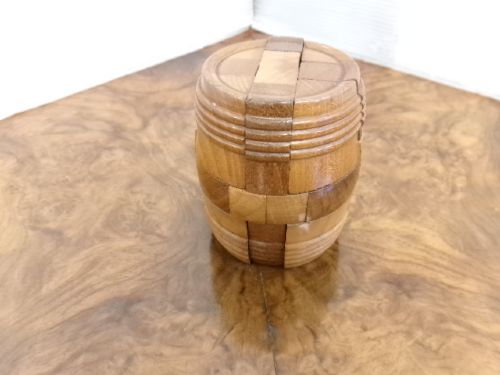
A Victorian wooden barrel opens up as a puzzle, testing patience just as it did in the nineteenth century.
Assessing quality and character
Quality in these pieces rests upon the integrity of the original construction and the preservation of surface texture. Tighter joinery, well-fitted metal hoops and untouched patination elevate a piece above standard utility items.
The balance between functional wear and structural survival dictates desirability among collectors. Original painted surfaces or patinated hardwood retain greater visual interest than heavily restored alternatives.
The Antique Timber Barrel Glossary
- Coopered
- Constructed from curved wooden staves bound together with metal or wooden hoops. This traditional technique ensures liquid tightness and structural strength in vessels.
- Stave
- One of the narrow tapered pieces of wood that form the sides of a barrel or tub. Edge-joined staves create the characteristic cylindrical shape.
- Dug-out
- Formed by hollowing out a single solid log rather than assembling individual boards. This method appears frequently in early seating and primitive vessels.
- Polychrome
- Decorated in multiple colours of paint. This surface finish adds decorative vernacular appeal to utilitarian objects.
Antique Timber Barrel: Frequently Asked Questions
How were timber barrels originally used?
These vessels served primarily for storing and transporting dry goods, liquids, and provisions in domestic and maritime settings.
Smaller examples held rations like rum on naval vessels, while larger counterparts managed farm produce and household stores.
How do I care for antique wood?
Keep wooden objects away from direct heat sources and sudden humidity changes to prevent timber splitting.
Apply occasional traditional wax polish to nourish the surface without masking the historic patination.
How do I date a timber barrel?
Examine the construction marks, nail types, and the method used to fashion the metal or brass bands.
Tool marks left by coopers and the natural oxidation of the wood provide reliable indicators of age.
Can these barrels still hold liquids?
Most antique barrels are valued as decorative or dry storage objects rather than water-tight containers.
Shrinkage over the decades often means the dry staves will no longer maintain a seal without professional recoopering.