





Antique Tiled Table
An antique tiled table brings durable ceramic and rich timber together, offering a practical surface with distinct visual character for the home.
Antique Tiled Table
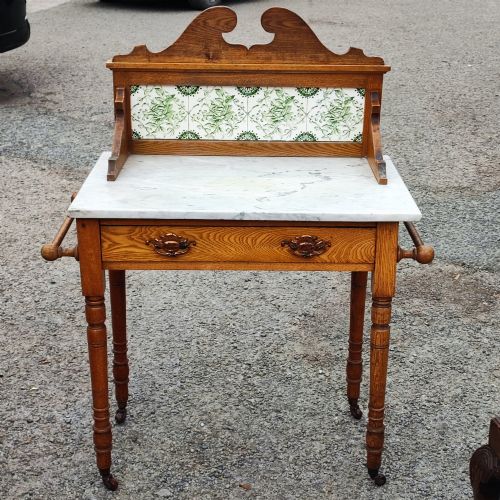
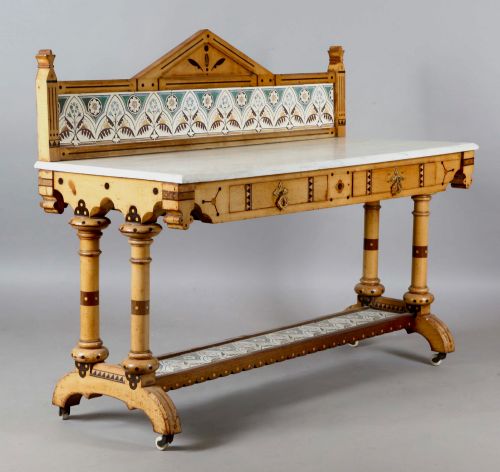
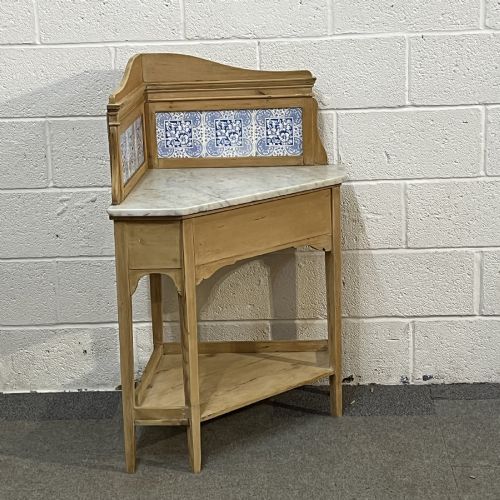
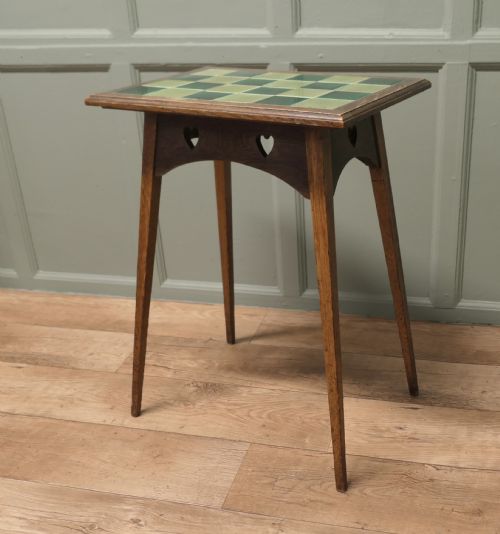
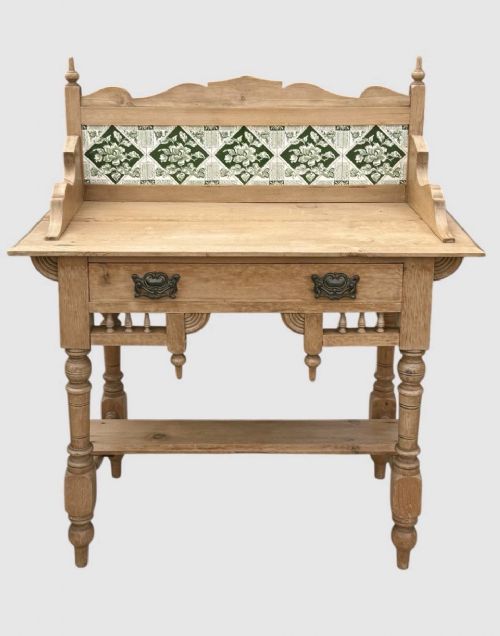
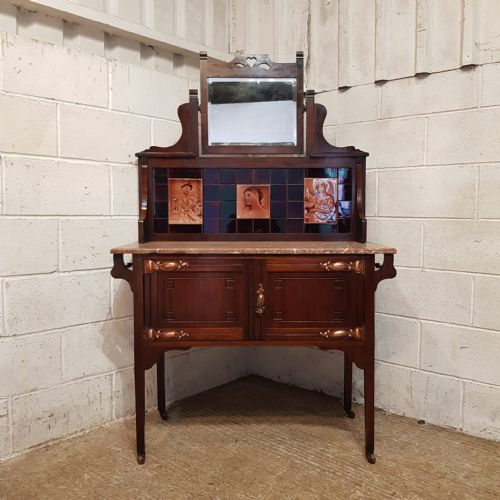
An antique tiled table combines sturdy wooden frames with glazed ceramic surfaces, taking forms such as side tables, occasional tables, and washstands. These pieces emerge predominantly from the Victorian and Edwardian eras, alongside Arts and Crafts workshops.
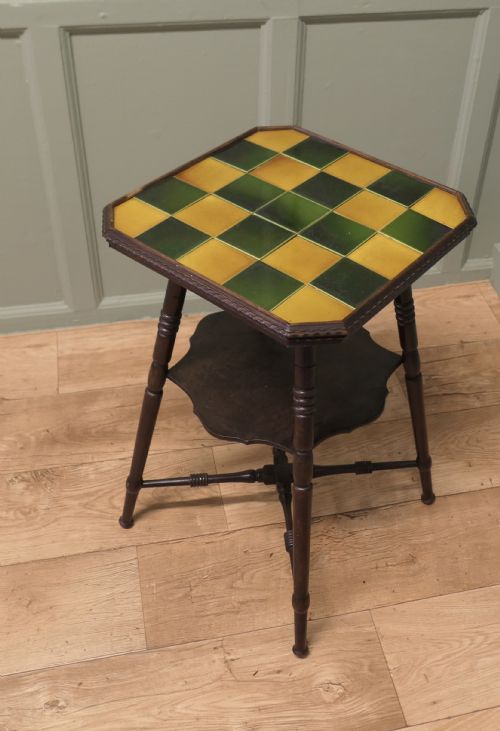
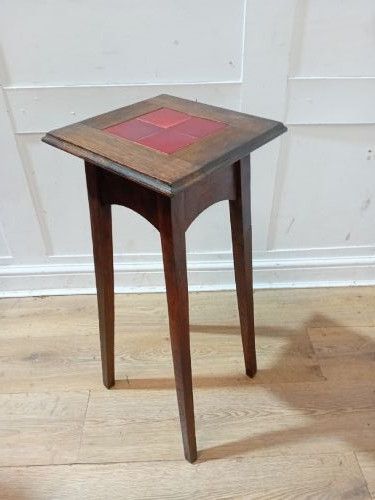
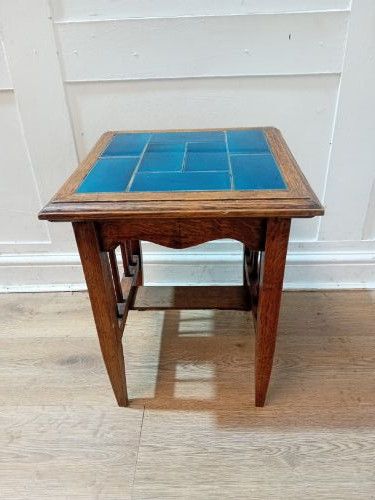
The version most commonly met on this page is the oak side table or occasional table featuring inset ceramic tiles, often reflecting the natural motifs of the Arts and Crafts movement or the flowing lines of Art Nouveau.
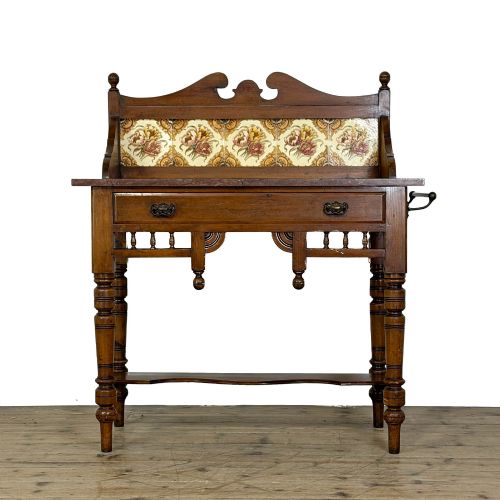
Functional washstands with tile gallery backs also appear frequently, serving as practical furniture that incorporated ceramic surfaces to withstand water and daily use in bedrooms.
Materials and Construction
Carpenters utilised solid timbers such as oak, mahogany, and pine to construct the foundational frames and legs, ensuring stable support for heavy ceramic components.
Potteries produced decorative glazed ceramic tiles, sometimes featuring hand-painted designs or moulded relief patterns, which were then set firmly into the wooden tabletops.
Joinery methods of the period, including mortise and tenon joints, secured the structural integrity of the tables while brass or marble elements occasionally complemented the woodwork.
Antique Tiled Table Retail Price Guide 2026
Typical asking prices for tiled table among the pieces listed under this phrase on Sellingantiques today, from the lower quarter to the upper quarter. They describe what is for sale here now, not the wider market.
Listings feature oak, mahogany, and pine timbers combined with ceramic tiles, marble tops, and brass hardware across Victorian and Edwardian periods.
Judging Quality and Craftsmanship
The standard of the timber framework sets the baseline, with quarter-sawn oak and finely figured mahogany representing superior cabinetmaking compared to simpler painted pine structures.
The artistic merit and execution of the ceramic tiles dictate much of the piece's distinction, distinguishing standard mass-produced inserts from hand-painted works by notable designers or potteries.
Liberty London·Shapland & Petter·Ellen E. Houghton of Minton
The Antique Tiled Table Glossary
- Arts and Crafts
- A design movement valuing traditional craftsmanship, simple forms, and honest materials. It heavily influenced furniture production around the turn of the twentieth century.
- Art Nouveau
- A style characterised by organic, flowing lines and sinuous plant-inspired motifs. This aesthetic appeared frequently on tile designs and furniture mounts of the period.
- Tile Gallery Back
- A raised section at the rear of a washstand or table inset with ceramic tiles. This feature protected walls from splashes during washing.
- Aesthetic Movement
- A late nineteenth-century design approach emphasising beauty and artistic expression over strict utility. It often incorporated elements inspired by Japanese art.
Antique Tiled Table: Frequently Asked Questions
What is an antique tiled table?
An antique tiled table is a piece of furniture featuring a wooden frame inset with glazed ceramic tiles on the surface. These tables date primarily from the late nineteenth and early twentieth centuries.
Craftsmen built them in various forms, including small occasional tables, side tables, and functional washstands designed for domestic use.
How were these tables used originally?
Many served as everyday occasional tables for holding lamps, books, or decorative objects in Victorian and Edwardian reception rooms.
Others functioned as washstands in bedrooms, where the ceramic tiles provided a durable, water-resistant surface for basins and toiletries.
How do I care for an antique tiled table?
Protect the wooden frame by maintaining consistent room humidity and cleaning surfaces with a soft, dry cloth rather than harsh chemicals.
Treat the ceramic tiles gently, using mild soapy water to clean the glazed surface without damaging the surrounding grout or timber.
How do I identify the period of the table?
Examine the timber species, construction methods, and stylistic cues such as hardware and leg turning to determine the likely era of manufacture.
Tile designs and glaze colours also offer strong indicators, often reflecting specific movements like Arts and Crafts or Art Nouveau.