


Antique Tier Table Castors
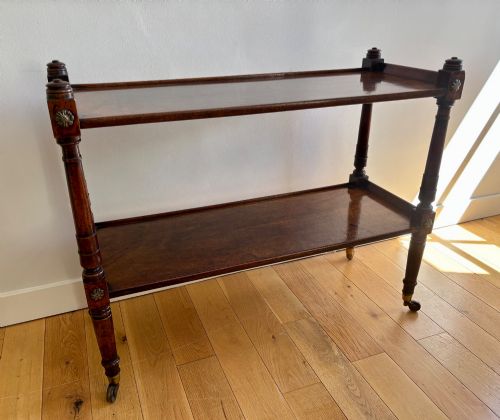
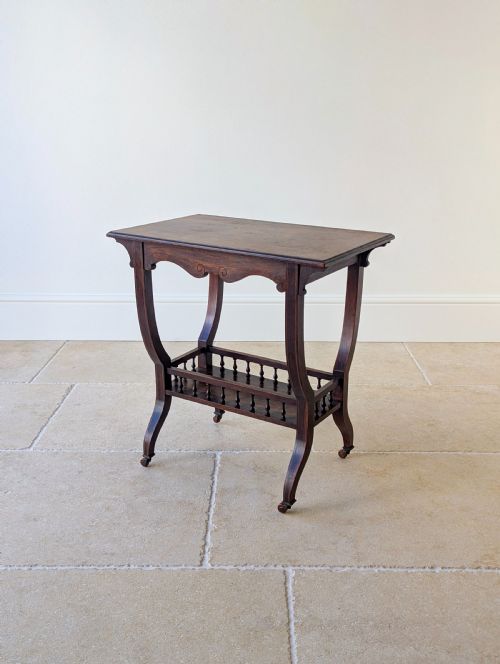
Antique tier table castors secure mobility for multi-level surfaces like etageres, whatnots, and dumb waiters.
Antique Tier Table Castors
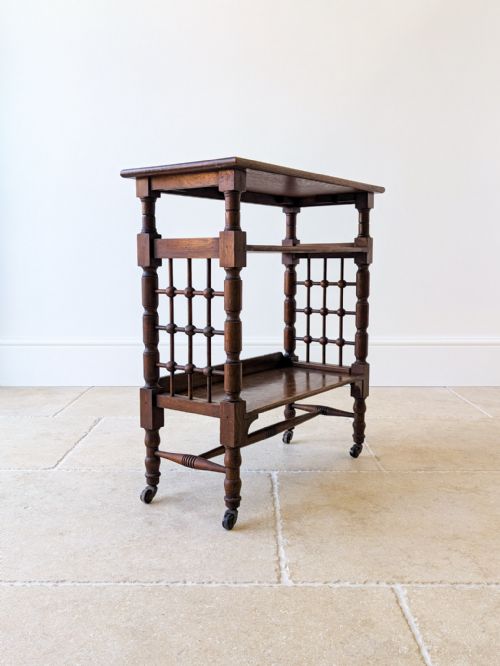
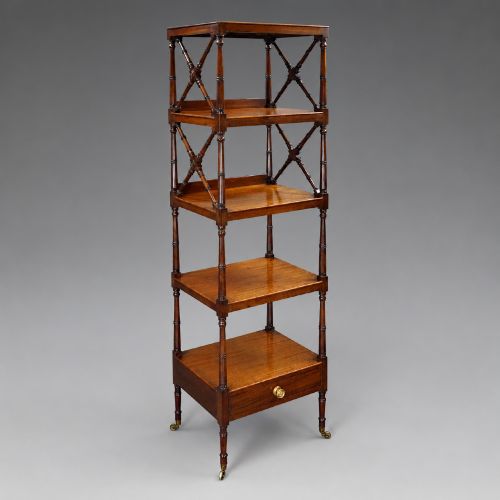
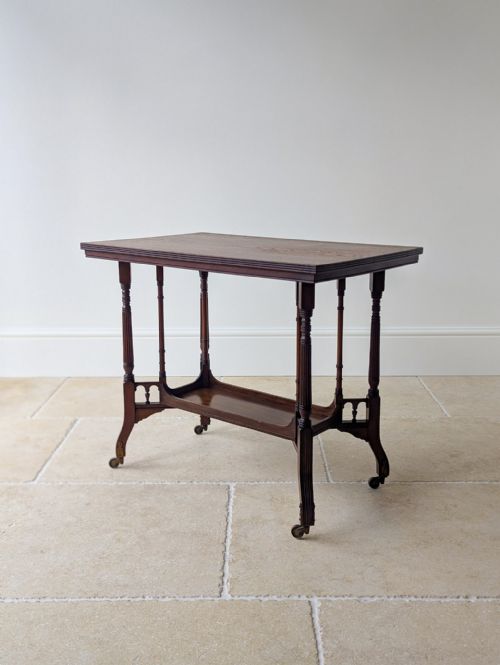
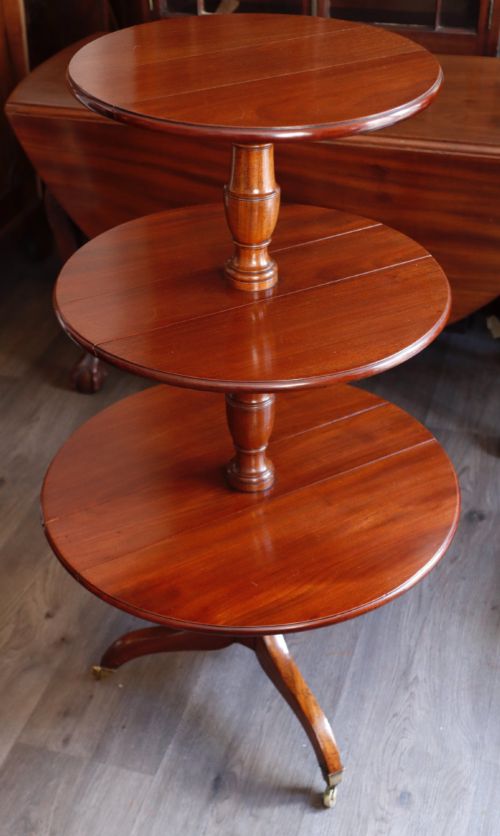
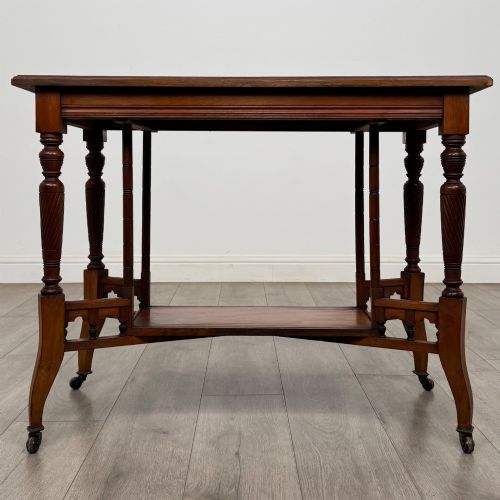
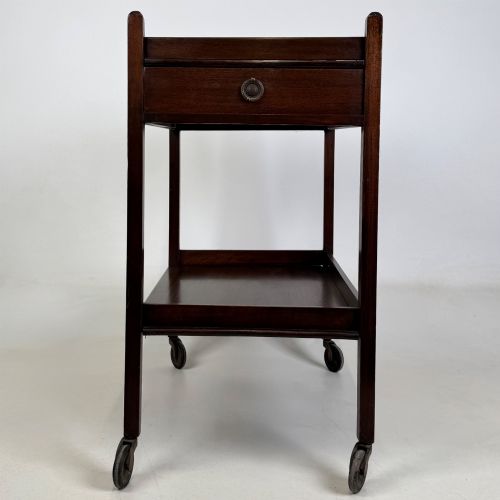
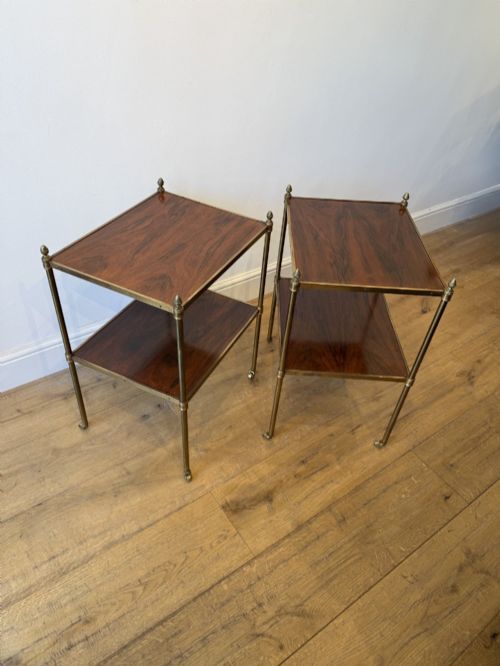
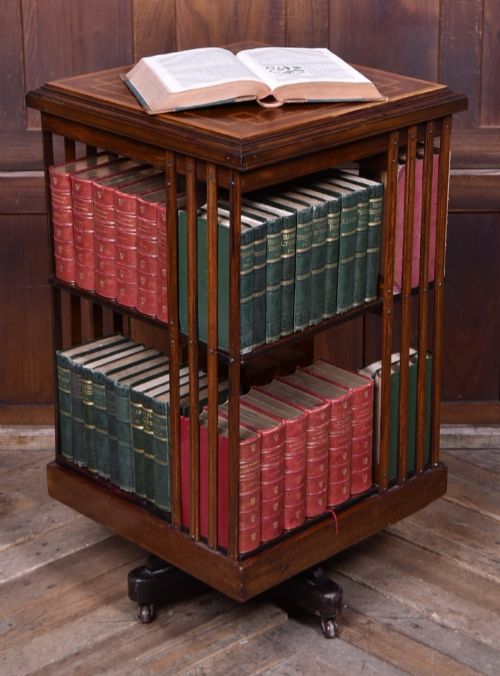
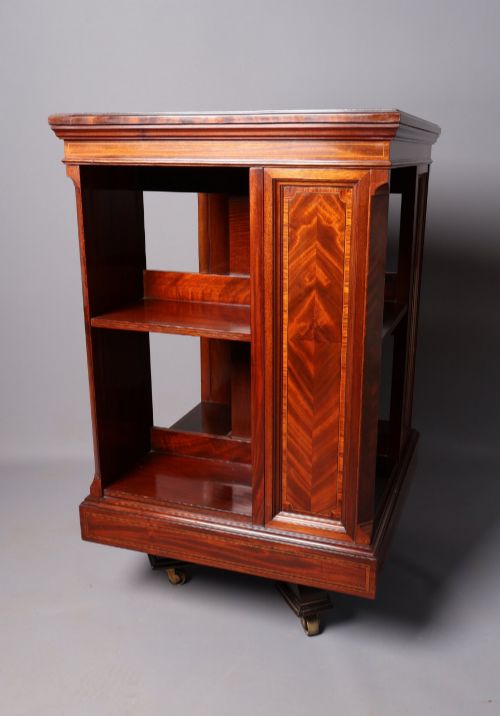
When you search for antique tier table castors, you find the small wheel assemblies fitted beneath multi-level surfaces such as etageres, whatnots, and dumb waiters. These pieces range from Georgian and Regency forms to Victorian and Edwardian iterations, appearing on side tables, tea trolleys, and buffets.
Materials and Construction
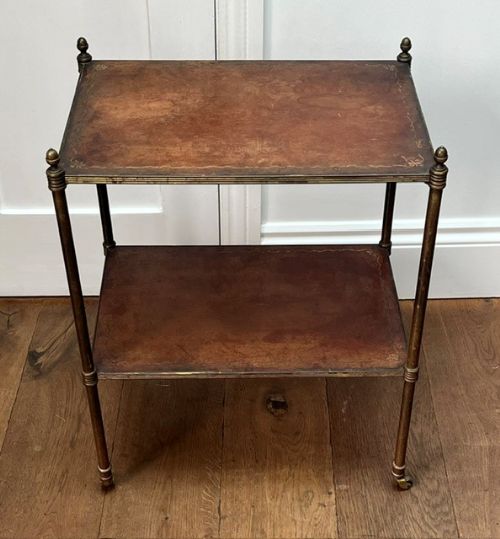
Makers utilised dense timbers such as mahogany, walnut, rosewood, and oak for the structural tiers and uprights, frequently incorporating satinwood inlay, amboyna, or burr elm veneers. Ebonised wood and birdseye maple also appear across nineteenth-century examples, while leather inserts feature on select reading and library tables.
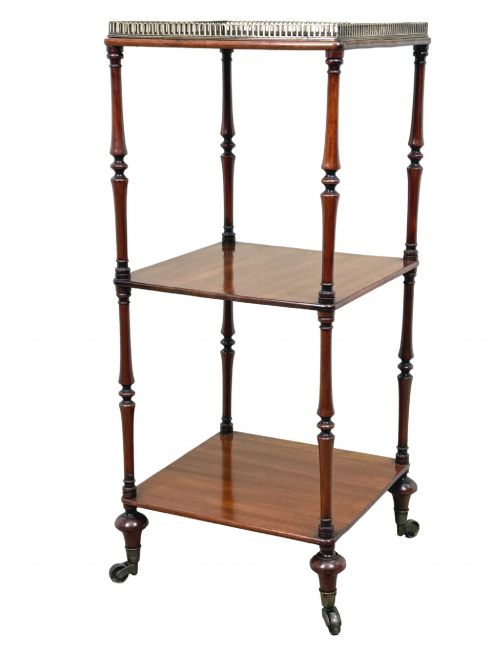
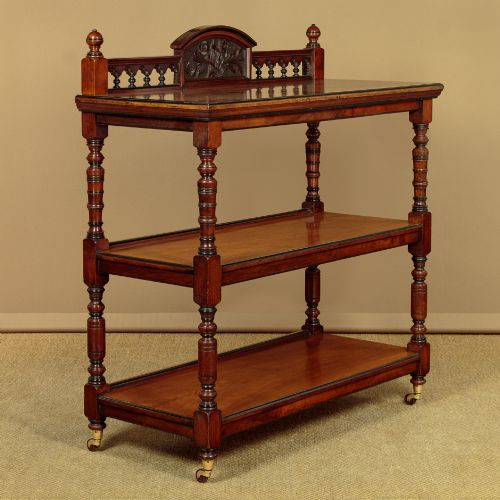
Castors themselves were cast in brass, often paired with ceramic components, and attached to the base of table legs to permit smooth movement across carpets and flooring. Joinery methods relied on traditional turning, dovetailing, and framing to support multiple stacked surfaces without instability.
Some tea trolleys doubled as card tables with baize linings, proving Victorians took their post-tea gambling very seriously indeed.
Factors of Quality
The distinction between standard utility items and exceptional pieces rests on the choice of timber and the crispness of secondary detailing like inlay, turning, and brasswork. Superior examples display carefully selected grain patterns, such as burr elm or amboyna, combined with finely proportioned tiers and original hardware.
Structural integrity across multiple levels dictates overall excellence. Finer pieces maintain rigid upright supports and balanced tiers without excessive wobble, while lesser items exhibit crude timber selection or replaced components that diminish the historical harmony of the assembly.
Mallett of London·Gregory and Co·E W Godwin·Gillows of Lancaster and London
The Antique Tier Table Castors Glossary
- Castor
- A small wheel or revolving assembly attached to the bottom of a piece of furniture to allow easy rolling. They appear in brass, ceramic, and wood across various periods.
- Etagere
- A set of open shelves or tiers used for displaying small objects, ornaments, or books. These pieces frequently feature multiple levels supported by slender uprights.
- Whatnot
- A piece of furniture with multiple open shelves for displaying ornaments, originating in the eighteenth century and remaining popular through the Victorian era.
- Dumb waiter
- A tiered serving table fitted with revolving or stationary shelves, designed to hold dishes or drinks without requiring servants in the room.
- Aesthetic Movement
- A late nineteenth-century design style emphasising artistic value over moral or narrative purpose, often utilising ebonised wood and simple geometric lines.
Antique Tier Table Castors: Frequently Asked Questions
What is an etagere?
An etagere is an open piece of furniture featuring multiple tiers designed for displaying decorative objects, books, or small possessions. These pieces rely on slender vertical supports to divide the stacked surfaces.
They emerged in various forms during the Georgian period and remained popular throughout the nineteenth century. Examples on this page frequently incorporate castors to allow the tiered display to move easily across a room.
How were dumb waiters used?
Dumb waiters functioned as multi-tiered serving tables in dining rooms, allowing diners to access extra plates, glasses, and food without domestic staff present. The stacked shelves provided ample capacity for courses and tableware.
Many of these dining room pieces included rotating tiers or rolling castors for convenient positioning beside the table. Their utility extended into various sitting rooms as versatile side furniture.
Which woods are most common?
Mahogany forms the primary timber for the majority of these tiered tables, particularly across Georgian, Regency, and Victorian iterations. Walnut and rosewood also appear frequently in fine nineteenth-century examples.
Additional materials include oak, satinwood, amboyna, and ebonised wood, sometimes accented with contrasting stringing or inlaid details. Brass and ceramic elements typically make up the hardware and castor assemblies.
How do I identify a whatnot?
A whatnot is defined by its stacked open shelves supported by upright pillars, designed specifically for holding ornaments and collections. They vary from small corner versions to larger freestanding multi-tiered units.
Distinguishing a whatnot from a standard side table involves looking for the characteristic secondary and tertiary shelves above the main surface. Most retain original castors beneath their feet to facilitate repositioning.