

Antique Three Stone
An antique three stone ring balances past craftsmanship with enduring sentiment, bringing together three gems on a gold or platinum band.
Antique Three Stone
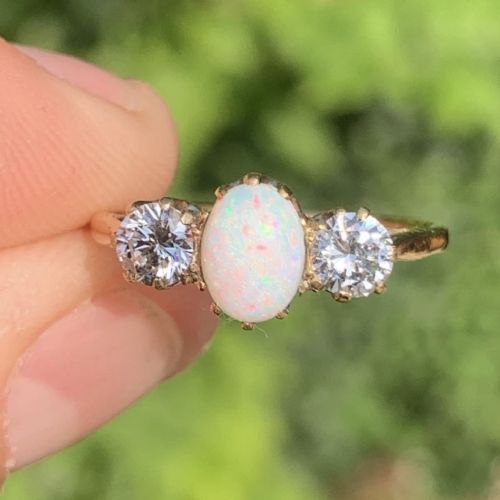
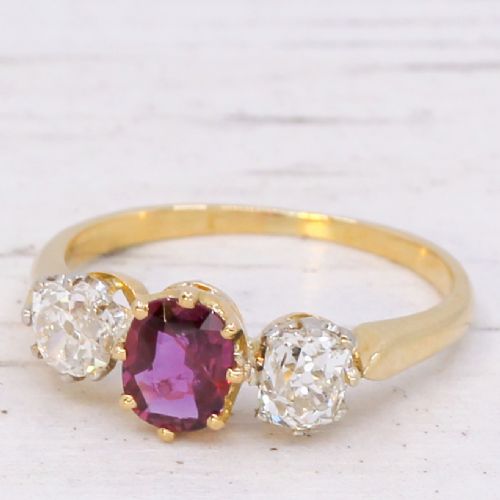
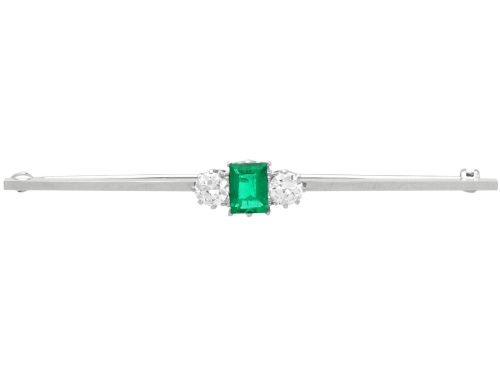
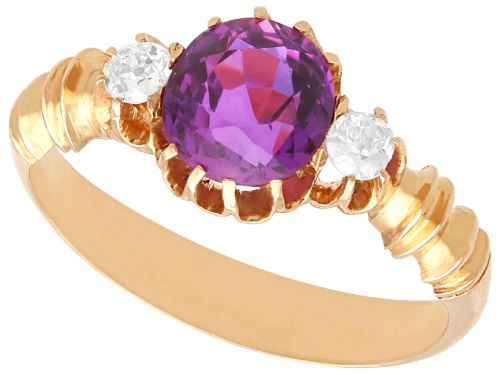
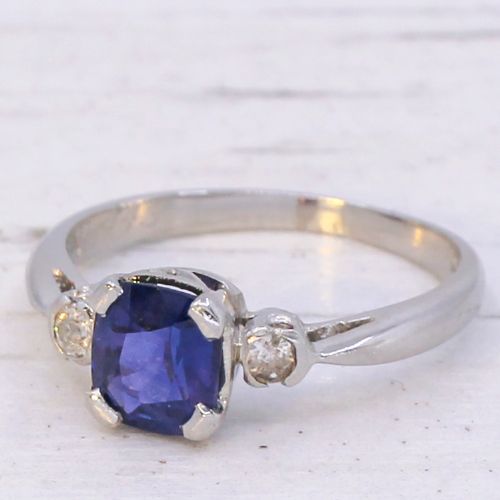
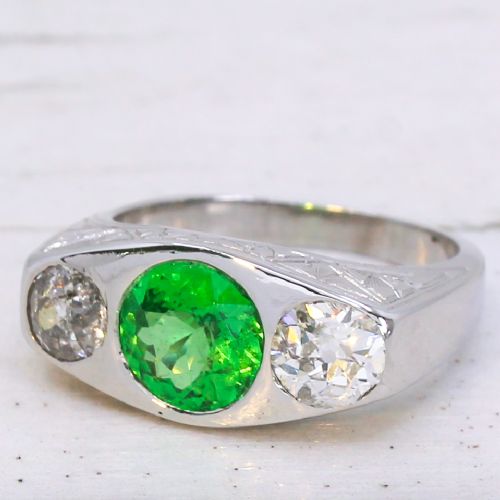
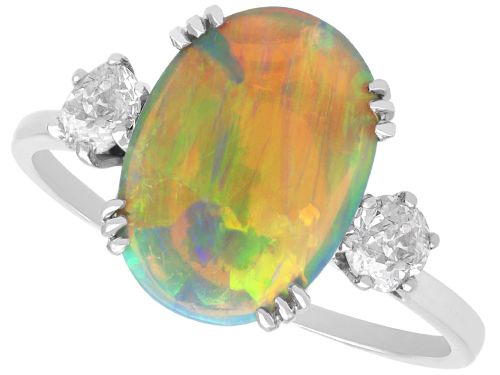
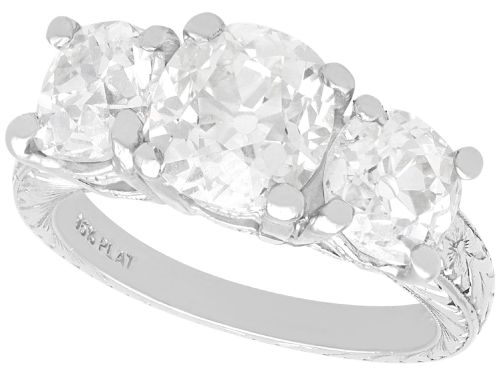
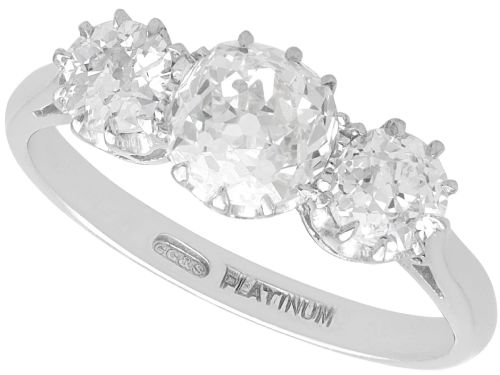
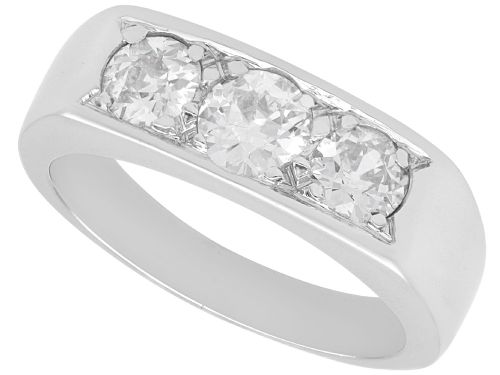
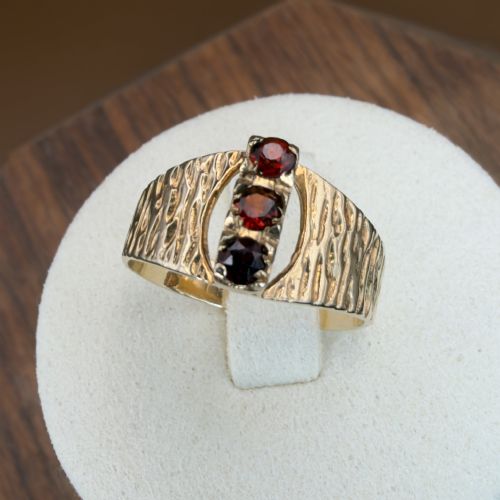
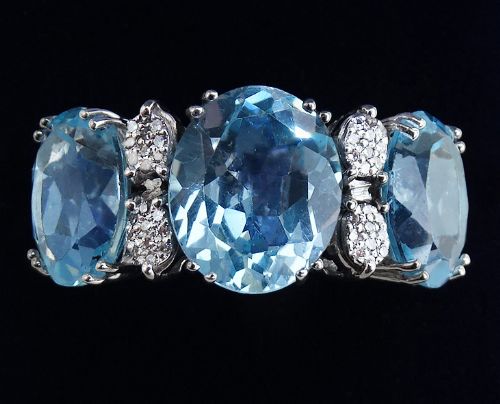
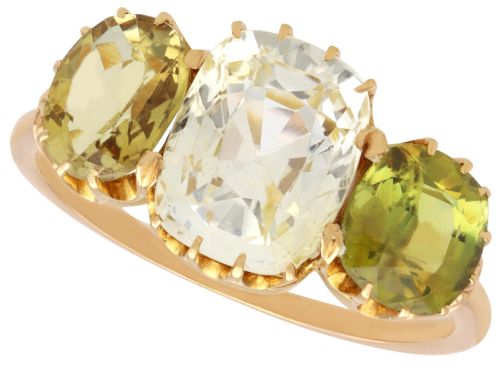
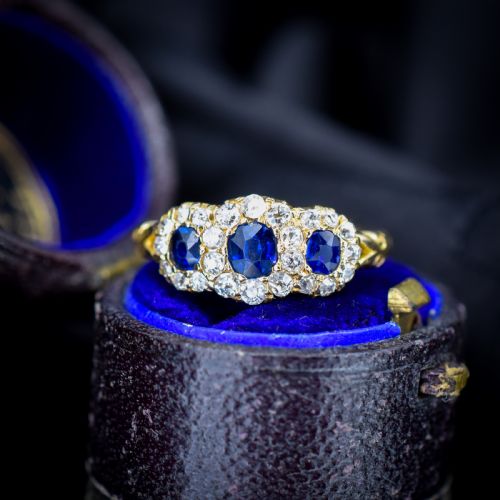
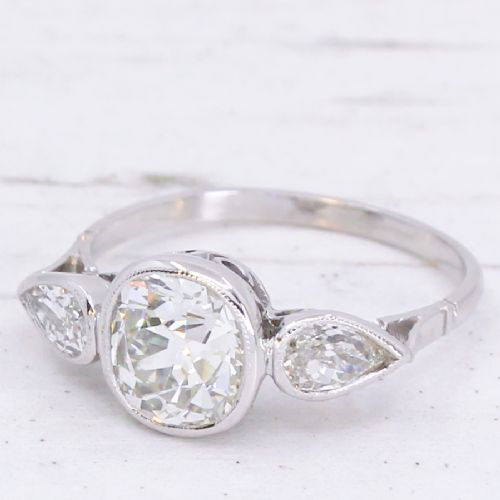
When searching for an antique three stone, buyers examine rings spanning the Victorian, Edwardian, and Art Deco periods, alongside pieces from the 1930s and 1940s. These rings function primarily as trilogy or gypsy settings, arranged to highlight a trio of gemstones.
How They Were Made
Goldsmiths utilised 18ct gold and platinum to construct robust settings capable of securing three distinct stones. Metals were shaped into traditional trilogy mounts or flush gypsy settings, often incorporating hand-cut gemstones such as old cushion and old pear cuts.
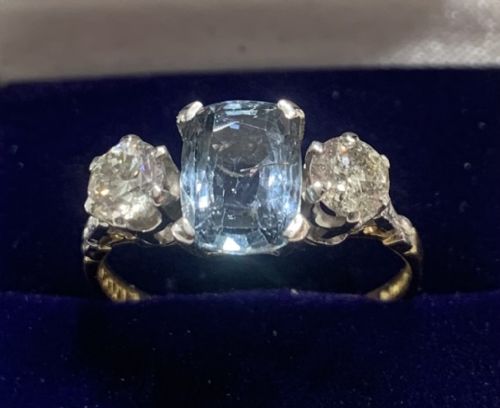
Craftsmen combined precious metals like yellow gold with white gold or platinum highlights to enhance the visual impact of the central gems. Workmanship from these periods relied on hand-finished detailing rather than mass production.
Antique Three Stone Retail Price Guide 2026
Typical asking prices for three stone among the pieces listed under this phrase on Sellingantiques today, from the lower quarter to the upper quarter. They describe what is for sale here now, not the wider market.
What Varies in Quality
The standard of a piece depends on the weight, cut, and natural origin of the stones, alongside the integrity of the precious metal setting. Heavier carat weights and unheated or minor-oil gemstone varieties elevate the standing of a ring.
Construction details also separate examples, particularly the precision of the stone setting and the preservation of original metalwork across Victorian, Edwardian, and Art Deco iterations.
The Antique Three Stone Glossary
- Trilogy ring
- A ring set with three stones, traditionally representing the past, present, and future. This layout defines the majority of pieces in this category.
- Gypsy ring
- A style where the gemstones are flush-set directly into the thick band of the ring. This technique creates a smooth, continuous profile along the finger.
- Old cut
- A vintage diamond cutting style characterised by a smaller table, higher crown, and open culet. These cuts produce a softer light reflection compared to modern brilliant cuts.
- Platinum
- A dense, white precious metal utilised extensively in Edwardian and Art Deco jewellery for its strength and ability to hold fine detail.
Antique Three Stone: Frequently Asked Questions
What do three stones represent?
Three stone rings are traditionally associated with the past, present, and future of a relationship. They have long served as significant tokens for engagements and anniversaries.
Over the decades, jewellers adopted this layout to showcase matching or contrasting gems, such as diamonds flanked by sapphires or rubies.
How do I date an antique ring?
Dating relies on hallmarks stamped inside the band, the choice of metals, and the cutting style of the gemstones. Platinum mountings and geometric motifs point towards the 1920s and 1930s.
Victorian and Edwardian pieces often utilise yellow gold and feature softer hand-cut stones like old mine or old European cuts.
Are these rings suitable for daily wear?
Many of these rings are robust enough for everyday use, particularly those set in sturdy 18ct gold or platinum. However, softer stones like opals require additional care to prevent damage.
Checking the security of the claws and settings with a jeweller helps maintain the ring over time.
What is a gypsy setting?
A gypsy setting embeds the gemstones flush into the metal band rather than lifting them in traditional claws. This technique protects the girdle of the stone and creates a streamlined appearance.
This form appears frequently in Victorian and Edwardian designs.