
Antique Three Light Fixture
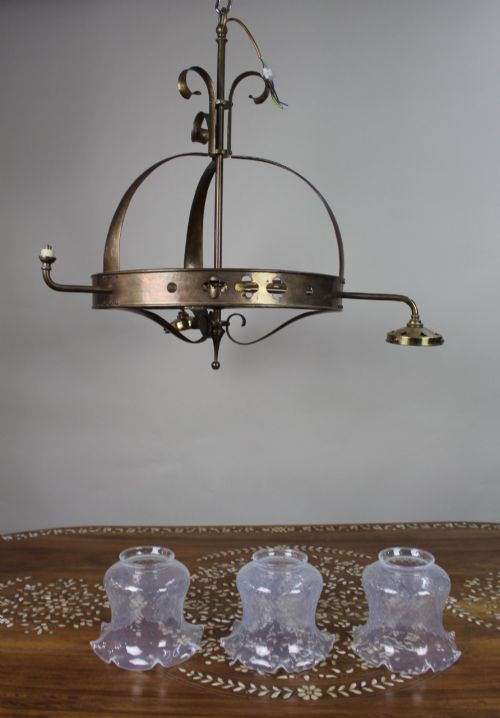
An antique three light fixture brings focused illumination and period charm to a room, ranging from French gilded chandeliers to Gothic Revival gasoliers.
Antique Three Light Fixture
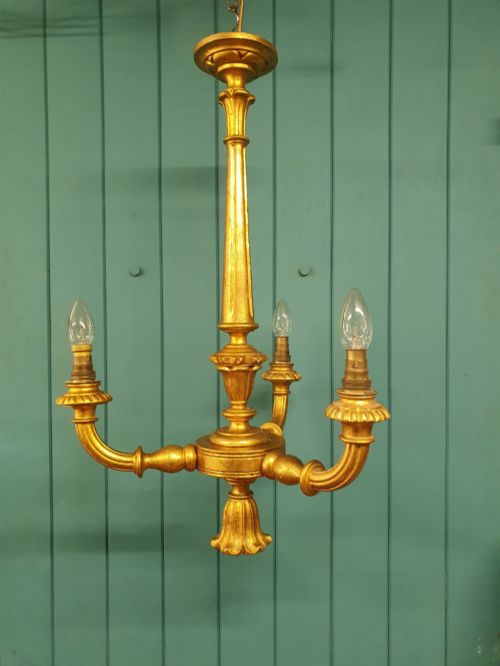
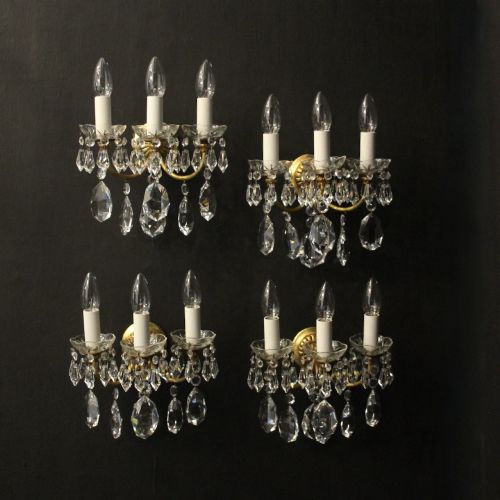
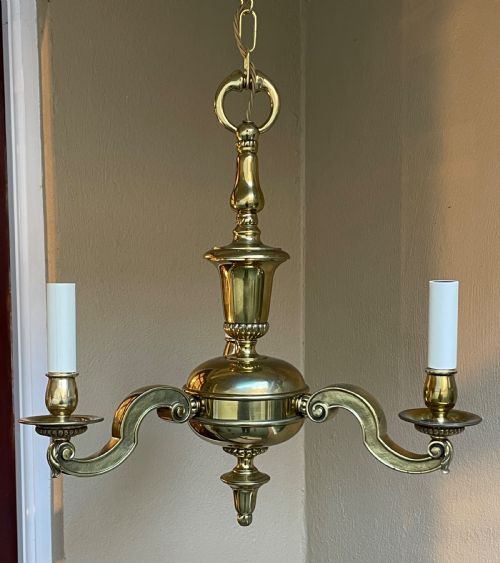
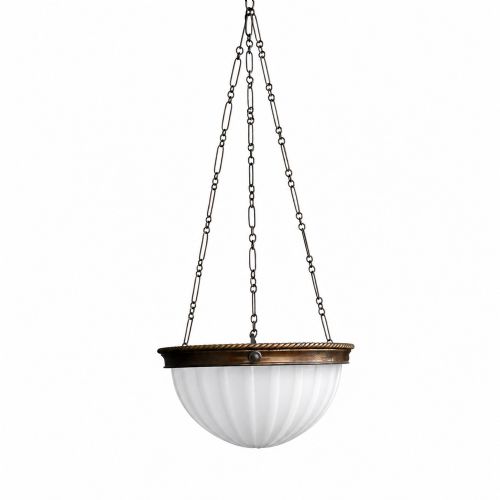
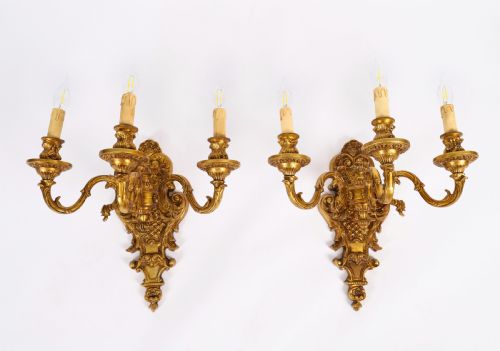
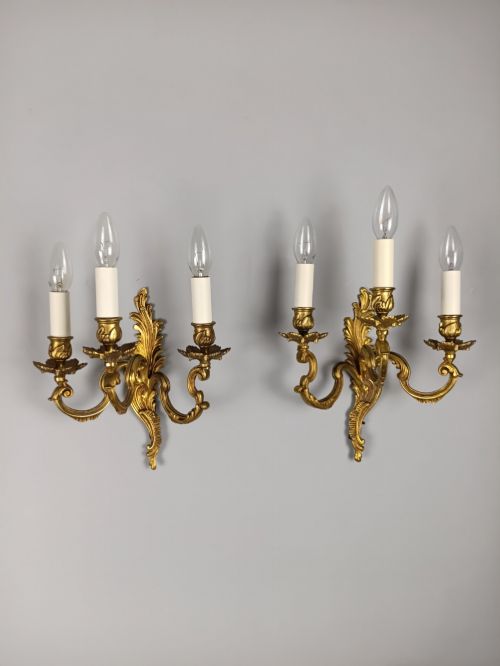
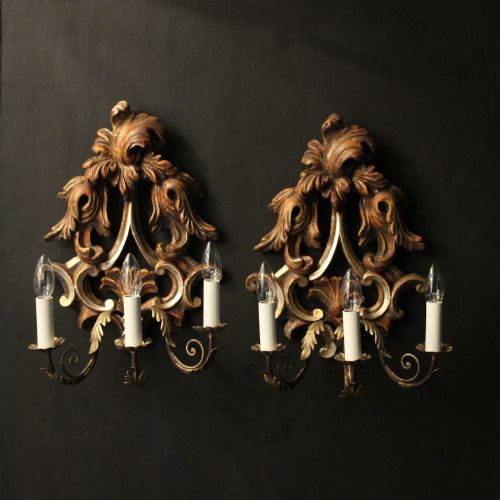
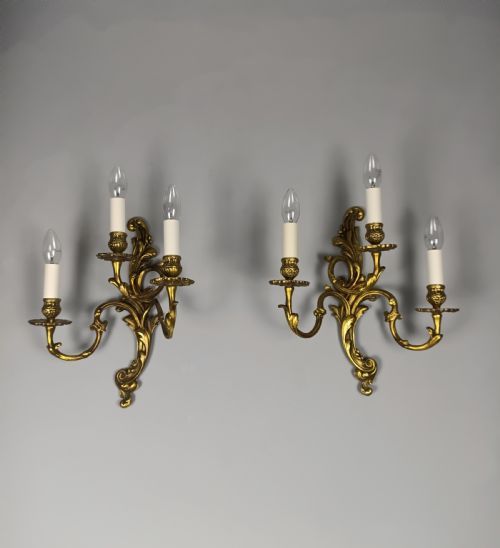
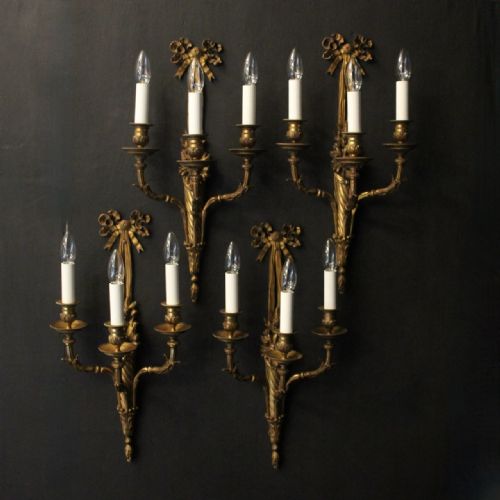
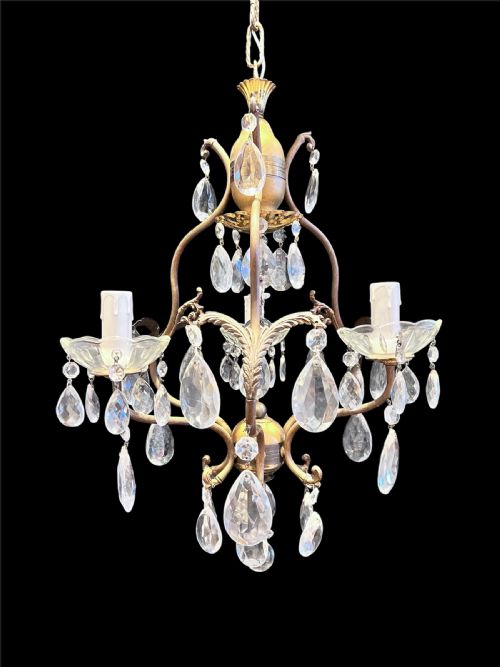
An antique three light fixture encompasses ceiling lights, wall sconces, and chandeliers designed to hold three bulbs or candles. When exploring an antique three light fixture, buyers frequently encounter French gilded bronze and brass designs originating from the nineteenth and early twentieth centuries.
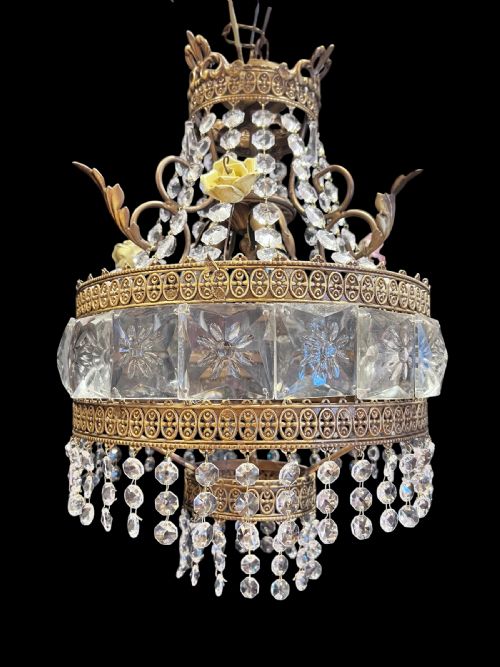
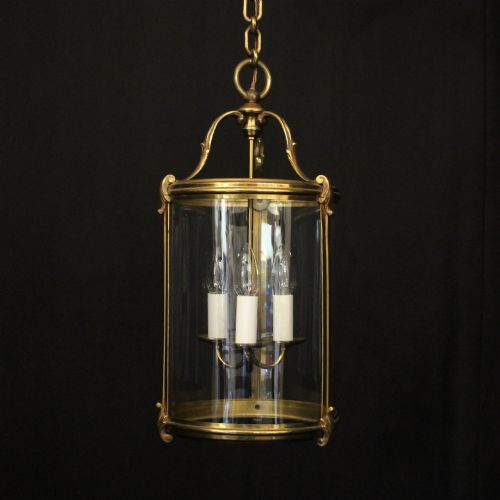
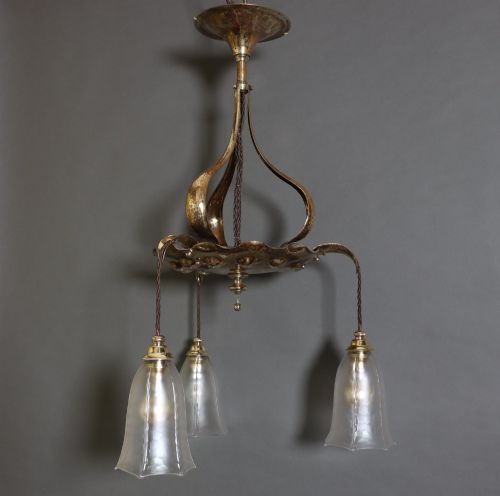
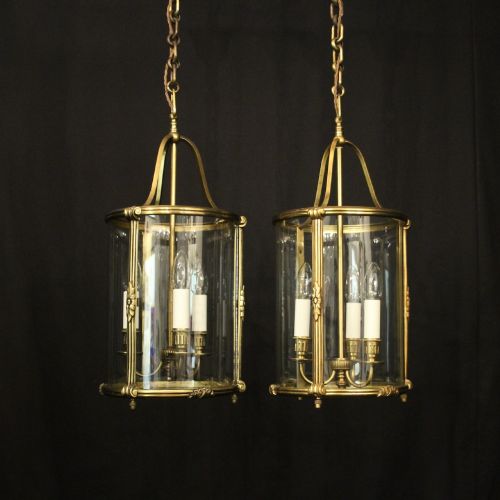
The selection on this page spans varied forms including hall lanterns, wall lights, and pendant lights. These pieces cross multiple periods such as the Edwardian era, Art Deco, and the nineteenth century, utilising materials like crystal, frosted glass, and gilt metal.
Makers and designers produced these fixtures in distinct regional styles, ranging from French Rococo Revival to Arts and Crafts and Gothic Revival. The configuration of three arms or lights provides balanced illumination suited for domestic spaces.
How They Were Made
Craftsmen utilised cast brass, gilt bronze, and carved giltwood to form the structural frames and arms of these light fixtures. Metal components often underwent casting, chasing, or gilding to achieve ornate surface textures characteristic of French chateau and Rococo styles.
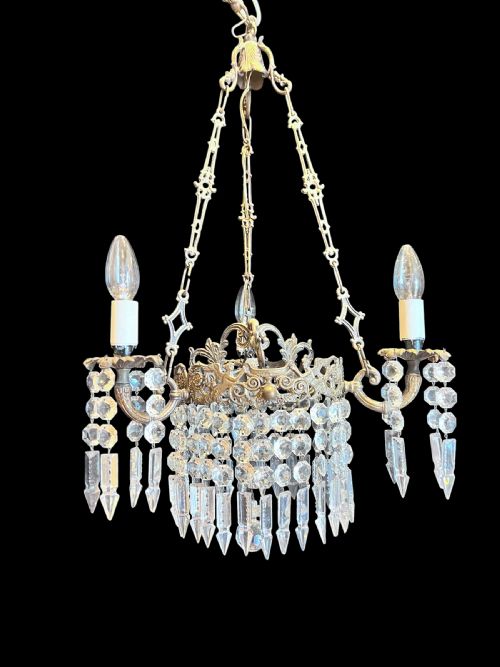
Glass elements such as crystal drops, opalescent shades, moonstone glass, and frosted panels were integrated by hand into the metal framework. Wiring and mounting components were subsequently adapted or integrated to hold gas or electric fittings securely.
Several chandeliers feature mischievous cherub arms holding the light branches aloft.
What Varies in Quality
The refinement of metalwork distinguishes superior examples, where hand-chased details in gilt bronze or cast brass exhibit sharp relief and intricate ornamentation. Simpler stamped or cast components represent a more utilitarian standard of production.
The integration and clarity of glass elements also differentiate pieces, with high-grade cut crystal and hand-blown opalescent or moonstone shades offering greater optical brilliance than standard moulded glass. Original gilding preservation and structural integrity further determine the relative distinction of a fixture.
The Antique Three Light Fixture Glossary
- Gasolier
- A light fixture originally designed for gas lighting, later adapted for electricity. These pieces often feature heavy brass construction and specialised gas keys.
- Ormolu
- Gilded bronze, where finely ground high-carat gold is applied to a bronze base using mercury. This technique creates a durable, rich metallic finish seen on French pieces.
- Applique
- A wall-mounted light fixture designed to hold candles or electric lamps. These are frequently found in matched pairs or sets.
- Slip Shade
- A type of glass shade that slides directly into a metal frame or basket. They are heavily associated with Art Deco lighting design.
- Proskynesis
- A term occasionally relevant to decorative motifs, though more broadly, crystal refers to high-clarity lead glass utilised for prismatic light refraction.
Antique Three Light Fixture: Frequently Asked Questions
How do I install an antique three light fixture?
Most vintage and antique fixtures require professional rewiring and secure ceiling or wall mounting to support their weight safely. Electricians can adapt older brass and bronze fittings to meet current electrical standards while retaining original components.
Ensuring the structural bracket matches the wall or ceiling material is essential before hanging heavier gilt bronze or crystal chandeliers.
What periods do these light fixtures come from?
The available lighting spans the nineteenth century through the Edwardian period and the 1920s and 1930s. Styles range from Gothic Revival and Victorian to Art Nouveau and Art Deco.
Each era utilises distinct materials, such as heavy cast brass in earlier pieces or sleek slip shades in later Art Deco designs.
Are wall lights sold as pairs?
Many wall lights and sconces appear in matched pairs or larger sets, particularly those originating from French workshops. Sourcing them together allows for symmetrical placement on either side of a fireplace or doorway.
Single wall fixtures also appear for targeted accent lighting in smaller spaces.
What materials are common in these fixtures?
Brass, gilt bronze, and gilt metal form the primary structural foundations for the majority of these lights. Glass elements include clear crystal drops, frosted panels, opalescent shades, and pink crimped glass.
Combination pieces frequently pair polished brass frames with cascading crystal pendants or hand-carved giltwood.