



Antique Thread Holder
These antique thread holder pieces are small domestic and retail fixtures that keep cottons, silks, and twine orderly.
Antique Thread Holder
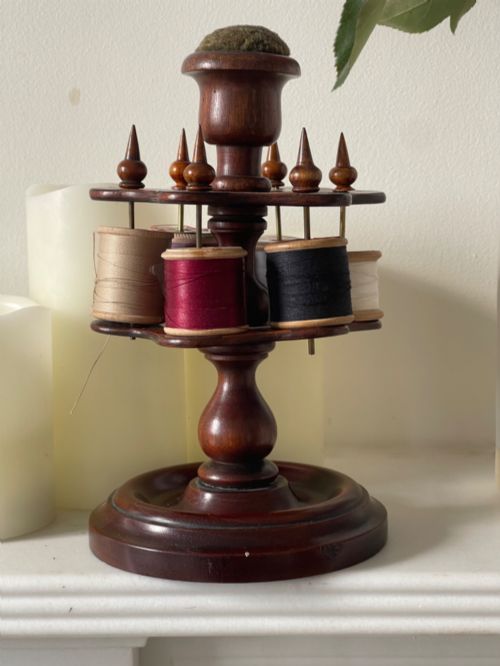
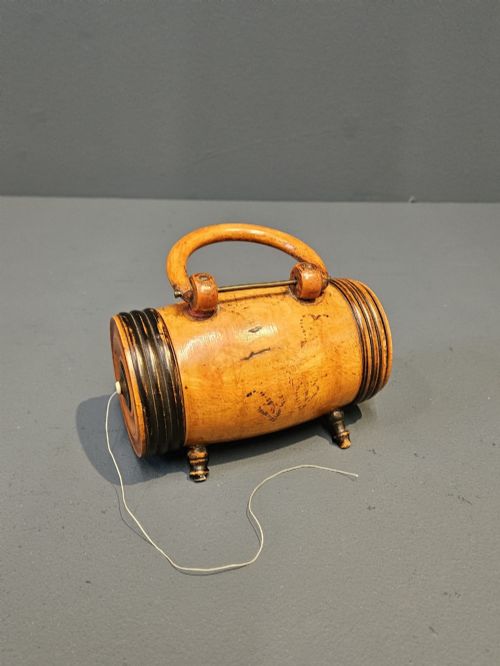
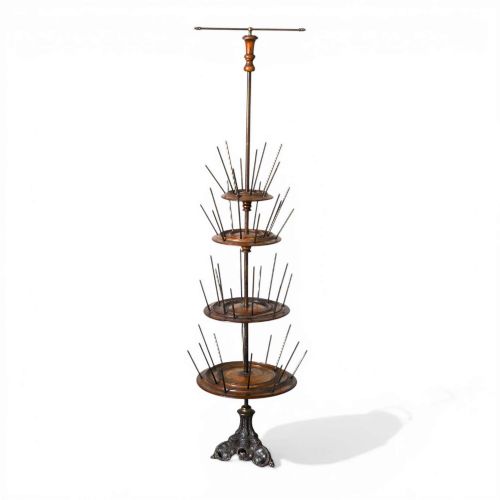
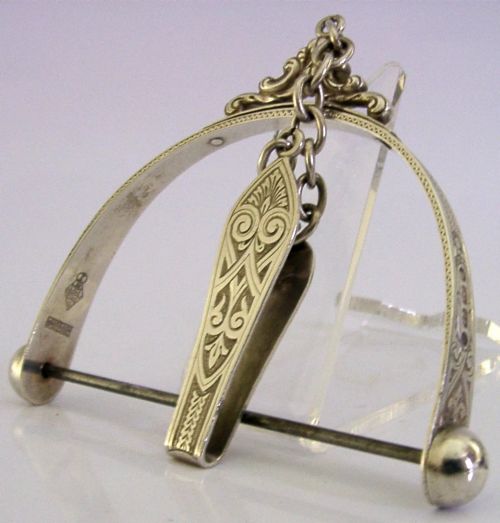
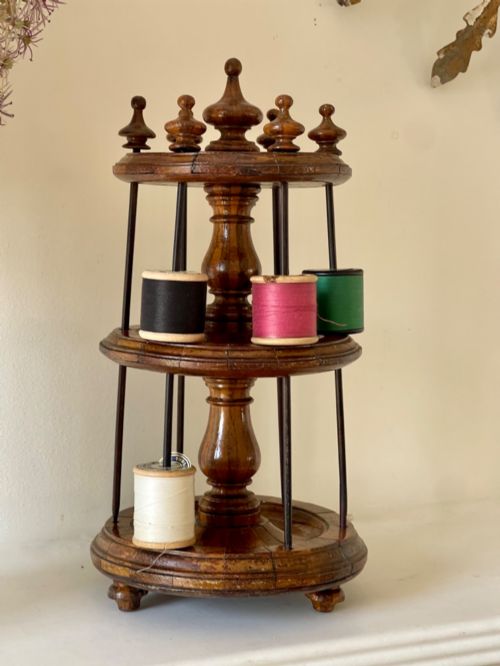
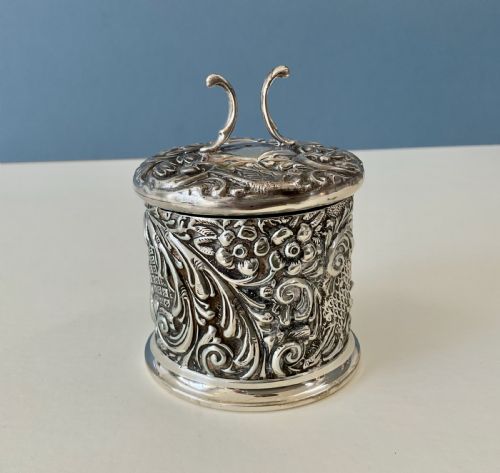
An antique thread holder encompasses utilitarian objects designed to store, dispense, or display sewing cottons, silks, and string in domestic and retail settings. Pieces range from personal chatelaine accessories and silver cotton reel stands to multi-tiered shop display trees and turned treen barrels.
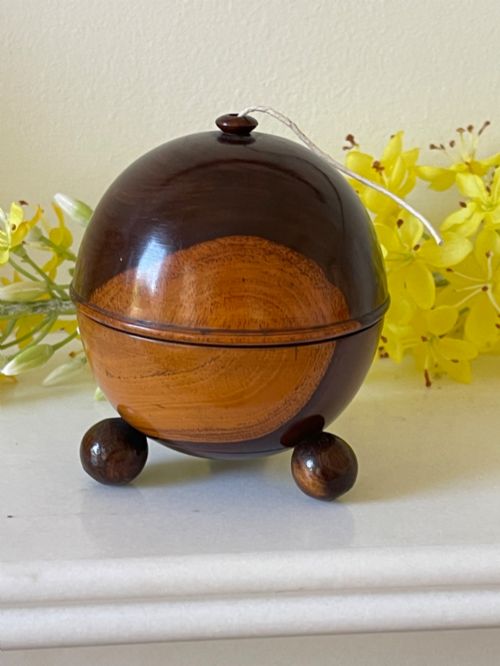
The versions most commonly met on this page date from the nineteenth century into the early twentieth century, spanning the Victorian and Edwardian eras. Forms vary from spherical string boxes on ball feet to rotating cotton reel stands and glass matches or string dispensers mounted with sterling silver.
How they were made
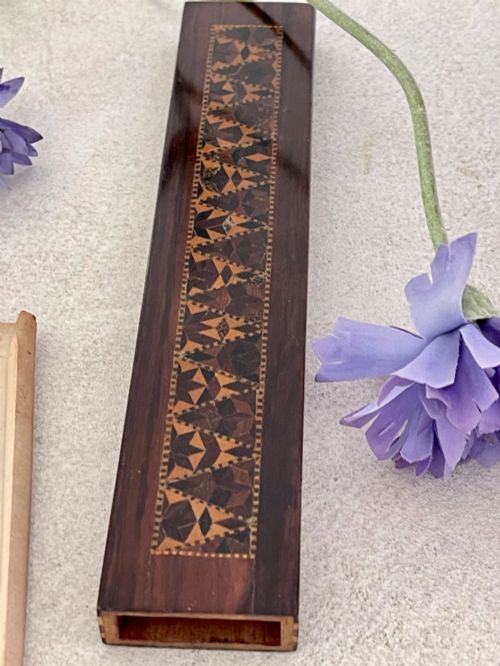
Cabinetmakers and turners shaped hardwoods, mahogany, and fruitwood into turned barrels, spool stands, and detailed treen items such as Tunbridge Ware silk skein holders. Working with natural timber required careful lathe work to form double-ended barrels and multi-tiered display trees that held numerous reels simultaneously.
Silversmiths and metalworkers utilised sterling silver and brass to construct chatelaine attachments, pierced floral scrollwork holders, and weighted spherical boxes. Glass makers also produced threaded glass bodies combined with sterling silver collars, creating durable vessels for desk and retail use.
Antique Thread Holder Retail Price Guide 2026
Typical asking prices for thread holder among the pieces listed under this phrase on Sellingantiques today, from the lower quarter to the upper quarter. They describe what is for sale here now, not the wider market.
A cotton reel display tree lets you spin a miniature forest of thread right on your sewing table.
What varies in quality
The standard of an antique thread holder rests on the precision of its turning, the weight of its metal components, and the complexity of its decorative work. Finely pierced silver scrollwork and crisp woodwork distinguish finer examples from standard utility items.
Integrity of form and originality of components dictate the standing of a piece within its type. Multi-tiered shop fittings and complete chatelaine accessories retain greater character when all tiers, mounts, and structural elements remain unaltered.
William Comyns·Ermen and Roby
The Antique Thread Holder Glossary
- Treen
- Small domestic wooden objects produced by turning on a lathe or hand-carving. This term covers items like fruitwood barrels and spool stands.
- Chatelaine
- A decorative belt hook worn with suspended chains for carrying small household accessories. Sewing tools and thread holders were frequently attached to these.
- Tunbridge Ware
- Woodworking characterised by mosaic decoration formed from tiny coloured wood blocks. This technique created geometric patterns on small items like silk skein holders.
- Match Strike
- A heavy glass or ceramic container with a textured surface for igniting matches. Some examples double as string or twine dispensers with threaded silver collars.
Antique Thread Holder: Frequently Asked Questions
What is an antique thread holder?
An antique thread holder is a domestic or retail device intended to keep sewing cottons, silks, or twine neat and accessible. These pieces include upright stands, barrels, and chatelaine accessories.
They reflect the domestic and needlework habits of the nineteenth and early twentieth centuries, serving both functional utility and decorative display.
How were string boxes used?
String boxes sat upon desks, tables, or retail counters to dispense twine smoothly through a central aperture. The ball of string rested inside the enclosed container, preventing tangles.
Heavier models utilised ball feet or weighted bases to remain stable while the cord was pulled and snipped during wrapping or sewing tasks.
What materials are common?
Common materials include turned hardwoods like mahogany and fruitwood, alongside sterling silver and brass. Glass combined with silver mounts also appears frequently.
Makers selected these materials for durability in daily sewing tasks or for decorative appeal in middle-class Victorian and Edwardian parlours.
How do I date a piece?
Dating relies on hallmarks on silver components, characteristic woodwork styles, and structural forms associated with the Victorian or Edwardian periods. Shop fittings often carry specific construction traits.
Comparing the manufacturing methods against known eras helps narrow the production window between the mid-nineteenth century and the 1920s.