



Antique Textile Table
An antique textile table brings rich historic needlework into domestic interiors, offering tactile panels and embroidered covers framed by period woodwork.
Antique Textile Table
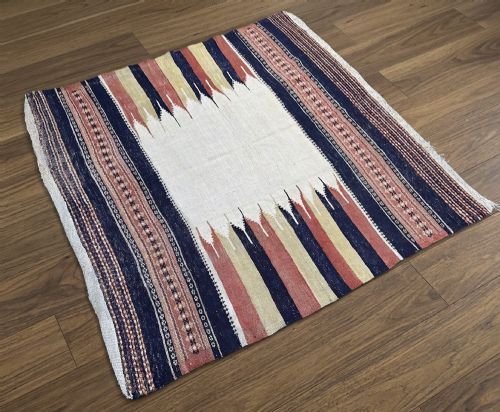
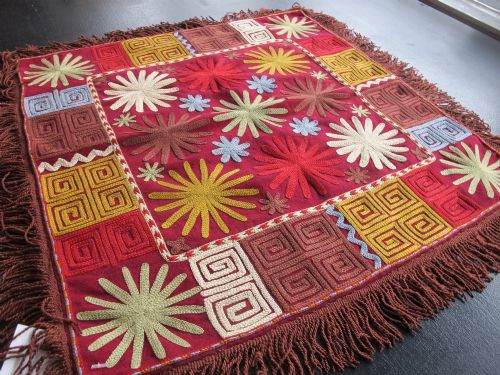
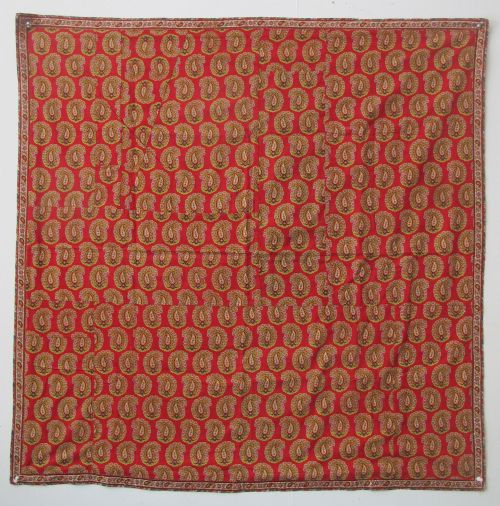
When searching for an antique textile table, buyers encounter a diverse selection of historic embroidered panels, fragments, and supportive furnishings from the nineteenth and early twentieth centuries. These works include Persian Rasht embroideries on felt grounds, Ottoman fragments, and Indian blockprint panels alongside country house footstools and lace bobbin winders.
The objects span traditions from Central Asian tribal embroidery to Qajar Persia and Anglo-Indian design. Pieces range from small silk and felt applique panels to large nineteenth century ottomans designed for domestic comfort.
How they were made
Blockprinting techniques created patterned cotton panels in India, while Persian workshops layered fine silk threads onto dyed felt grounds to form complex floral and star medallions.
Antique Textile Table Retail Price Guide 2026
Typical asking prices for textile table among the pieces listed under this phrase on Sellingantiques today, from the lower quarter to the upper quarter. They describe what is for sale here now, not the wider market.
A Victorian fruitwood lace bobbin winder brings the rhythmic clatter of historic cottage industries directly into the modern parlour.
What varies in quality
The refinement of the needlework and the complexity of the design separate standard panels from exceptional examples. Fine classic Persian Rasht pieces display intricate silk applique and precise geometric or floral organisation.
The preservation of the ground materials, such as felt and velvet, alongside the integrity of the metallic and silk threads, determines the overall presence of each piece.
The Antique Textile Table Glossary
- Rasht embroidery
- A traditional Persian form of textile art involving inlaid silk and felt applique work. This technique creates vibrant pictorial and medallion surfaces.
- Applique
- A needlework method where smaller pieces of fabric are stitched onto a larger ground material. Silk elements are frequently secured to felt or velvet bases in this manner.
- Blockprint
- A technique for printing patterns on textiles using carved wooden blocks. Indian examples utilise this method to produce repeating motifs across cotton panels.
- Lakai embroidery
- Needlework originating from Central Asian tribal groups, characterised by bold geometric designs and expressive stitching. These pieces reflect distinct regional aesthetics.
- Bobbin winder
- A mechanical tool utilised in lace-making to wind thread onto bobbins. Fruitwood versions are often found associated with Victorian textile crafts.
Antique Textile Table: Frequently Asked Questions
What is an antique textile table?
An antique textile table refers to the integration of historic embroidered panels and fabric covers with period furniture forms in interior settings.
Buyers look for these pieces to introduce texture, historic ornament, and genuine textile art into rooms.
How were Persian Rasht embroideries made?
Persian Rasht embroideries were created by layering fine silk thread and fabric applique onto dense wool felt grounds.
Artisans formed intricate floral medallions and classic designs through precise hand-stitching.
How do I care for antique textiles?
Antique textiles require protection from direct sunlight and moisture to preserve the delicate silk threads and wool felt grounds.
Gentle vacuuming through a mesh screen helps remove dust without disturbing the historic fibres.
What periods do these textiles cover?
The listed pieces primarily originate from the nineteenth century through to the early twentieth century.
Examples span Victorian furnishings, Ottoman fragments, and twentieth century Central Asian tribal works.