
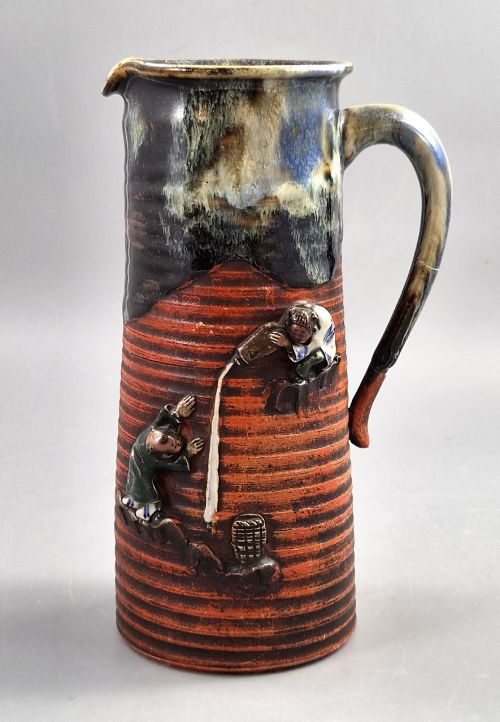
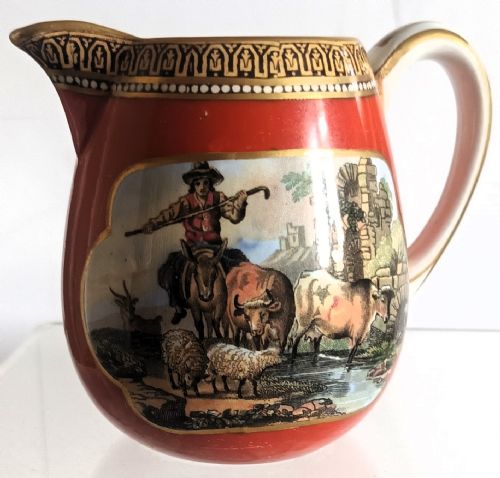
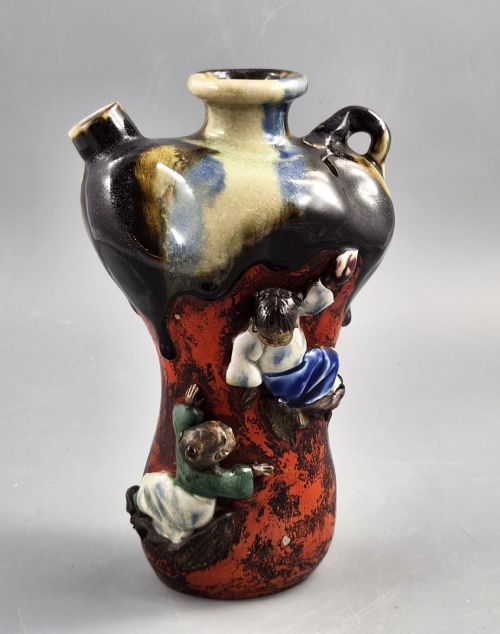


Antique Terracotta Jug
These antique terracotta jugs span centuries of kiln work, offering tactile clay and earthenware forms for everyday utility or display.
Antique Terracotta Jug
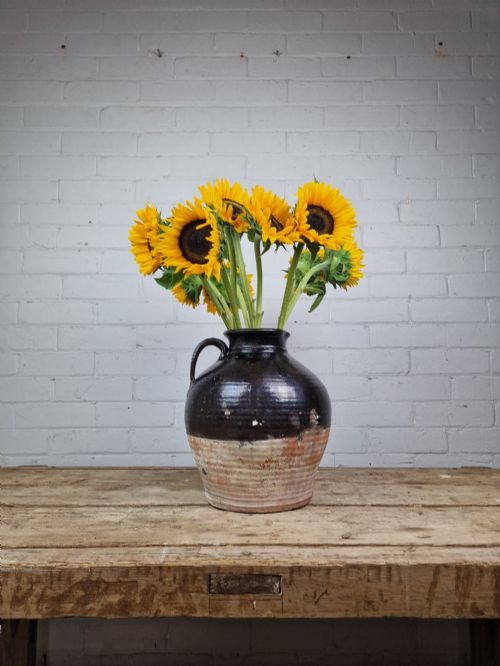
An antique terracotta jug serves as a porous or glazed vessel for liquids, oils, and water, shaped from fired clay across centuries. When you search for an antique terracotta jug, you encounter forms ranging from rustic country olive jars to refined Victorian ewers and ancient vessels.
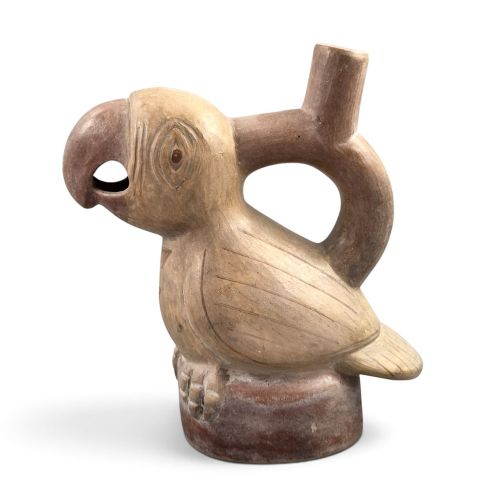
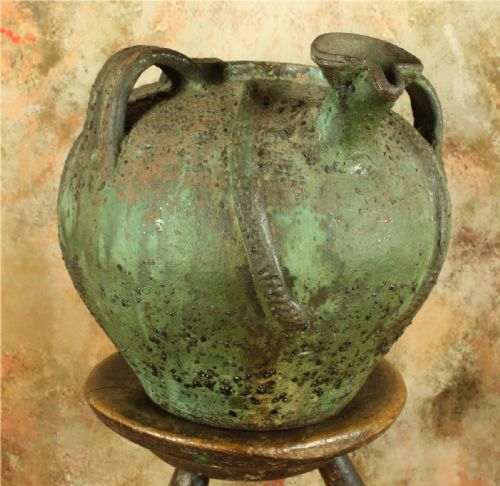
The pieces on this page cross domestic kitchenware, tavern vessels, and decorative arts from periods including the seventeenth century, the eighteenth century, and the nineteenth century. Mediterranean, Dutch, French, and English origins appear frequently alongside Japanese and Pre-Columbian examples.
Makers and workshops across these eras shaped clay into pitchers, oil pots, strawberry jars, and amphorae. Some feature simple earthenware bodies while others carry lead glaze, enamel, or gilt surface treatments.
How they were made
Potters threw or hand-modelled these vessels from clay and earthenware, leaving tactile surfaces that reflect early forming techniques. Many pieces rely on the natural warmth of unglazed terracotta or employ lead and ceramic glaze to seal the porous body.
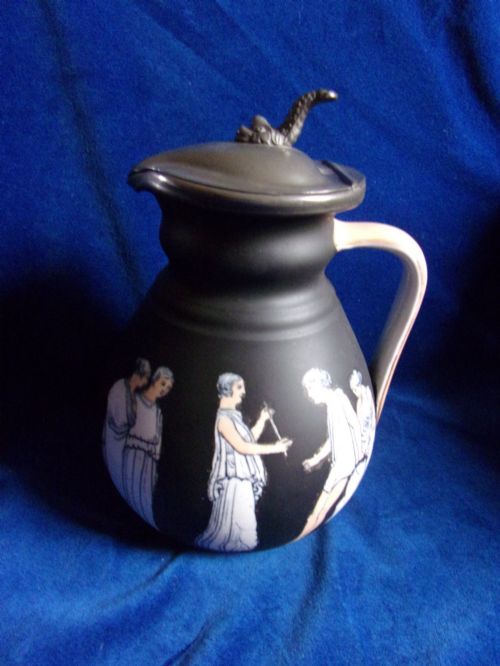
Decorative touches applied in the kiln or on the surface include slipware trails, enamel paint, pewter lids, and raised gold decor. Potters from Dutch slipware traditions and English factories utilised these materials to strengthen and ornament the vessels.
Some seventeenth-century jars were designed specifically to grow strawberries sideways through holes in the clay.
What varies in quality
Quality rests in the crispness of the thrown form, the stability of the clay body, and the preservation of any glaze or surface enamel. Early slipware jugs and ancient vessels show the direct hand of the maker in their weight and balance.
Refinement in Victorian neoclassical or Aesthetic style ewers shows through controlled surface decoration and structural details like fitted pewter lids. Pieces with intact regional provenance, such as French walnut oil pots or Dutch strawberry jars, demonstrate distinct utilitarian design.
The Antique Terracotta Jug Glossary
- Terracotta
- A porous, brownish-red earthenware clay that is fired at relatively low temperatures. It provides a matte, earthy texture suitable for storage and decorative vessels.
- Slipware
- Pottery decorated with a thin mixture of clay and water applied before firing. This technique creates contrasting lines or patterns across the surface of the jug.
- Lead glaze
- A shiny, protective coating containing lead applied to earthenware to make the vessel watertight. It gives the clay body a glossy sheen.
- Ewers
- Large jugs or pitchers featuring a wide spout and a handle, often decorative in nature. They stem from classical forms used for pouring water.
- Amphora
- A two-handled jar with a narrow neck used in antiquity for storing oil or wine. These vessels reflect early Mediterranean and Greek ceramic traditions.
Antique Terracotta Jug: Frequently Asked Questions
What were antique terracotta jugs used for?
These vessels served practical roles in domestic life, storing liquids such as olive oil, wine, water, and ale.
Larger jars held produce like strawberries or oil, while smaller pitchers functioned at the table for pouring drinks.
How do I date an antique jug?
Dating relies on examining the clay body, the glazing technique, and the stylistic markers of the period. Seventeenth-century Dutch pieces display distinct slipware patterns, whereas nineteenth-century items often show neoclassical or Aesthetic movement influences.
Form and regional characteristics also help narrow down the century of manufacture.
Are terracotta jugs waterproof?
Unglared terracotta remains porous and absorbs moisture, making it traditional for keeping water cool through evaporation.
Jugs coated with lead glaze or ceramic glaze inside the body are sealed and were used to hold liquids safely without seepage.
How should I display a terracotta jug?
Place heavier rustic vessels on stable low surfaces where their earthy texture can be appreciated up close.
More decorative glazed ewers or Victorian pieces suit shelves or cabinets away from heavy foot traffic to protect handles and spouts.