
Antique Telescopic Table
These antique telescopic table designs and related adjustable pieces offer ingenious mechanical extension for dining and lighting, spanning Georgian to Victorian periods in mahogany and brass.
Antique Telescopic Table
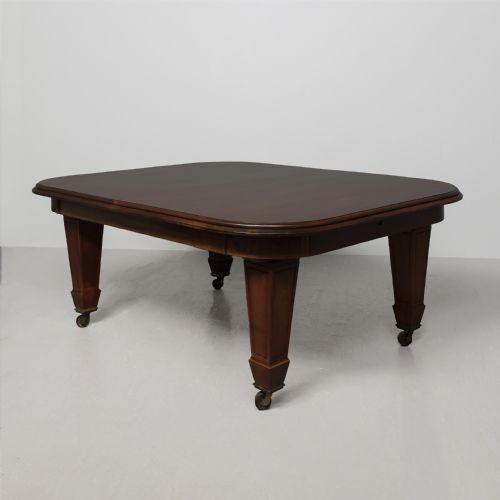
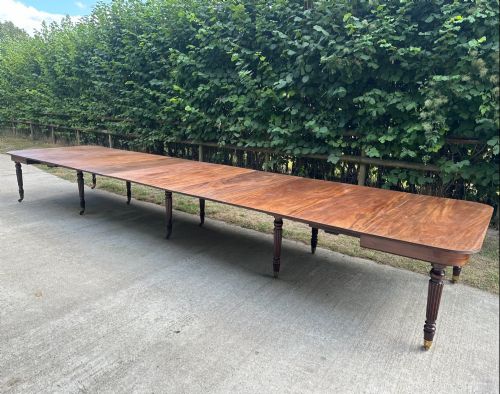
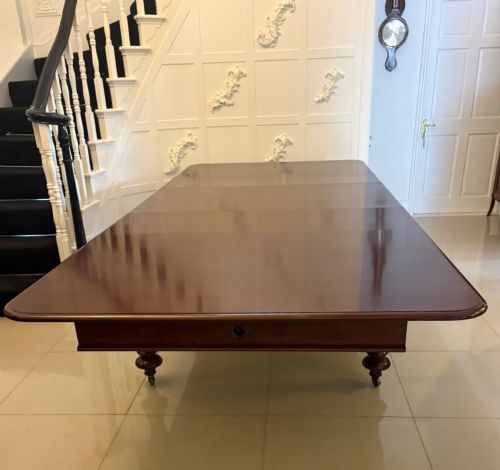
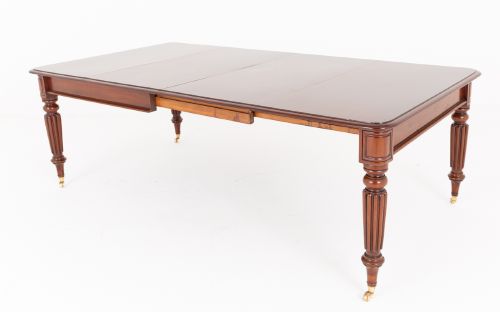
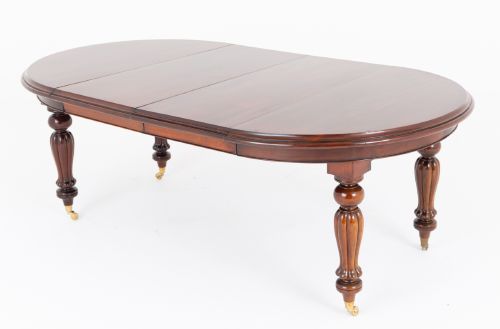
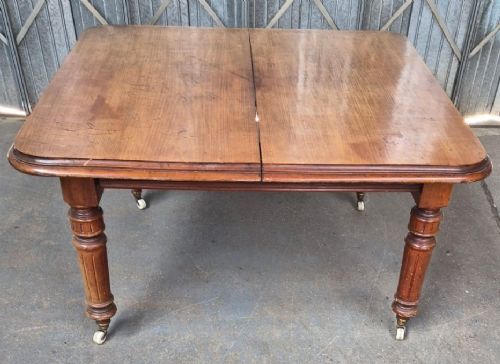
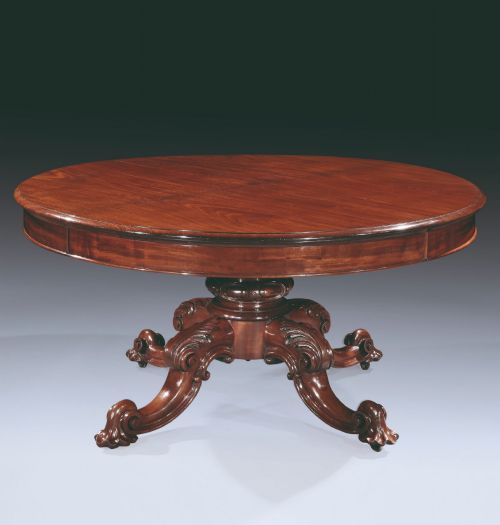
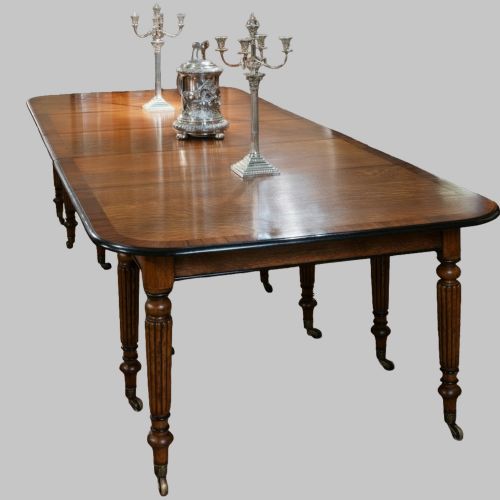
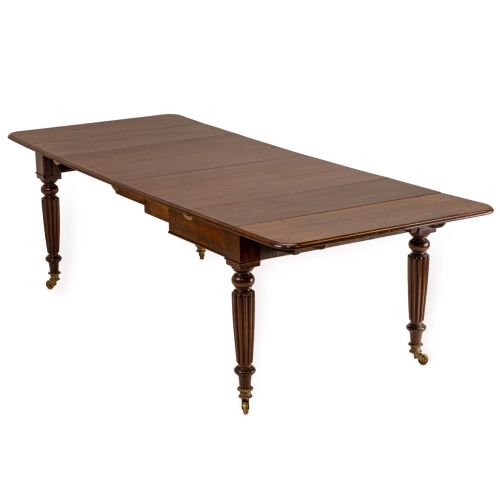
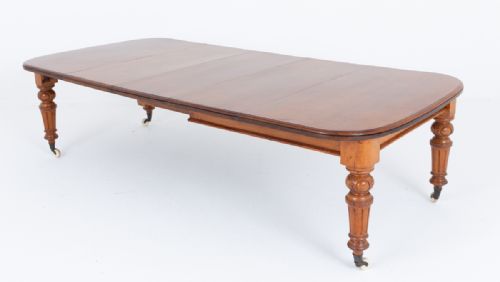
When searching for an antique telescopic table, a buyer encounters dining tables, candlesticks, standard lamps, and dumbwaiters engineered to adjust in height or length. The dining tables form the majority of these listings, engineered with wind-out mechanisms and loose leaves to expand significantly for large dinner parties.
The objects span multiple centuries and styles, with Georgian, Regency, William IV, and Victorian periods heavily represented. Timbers include figured mahogany, oak, walnut, and rosewood, whilst smaller items incorporate brass, silver plate, and copper.
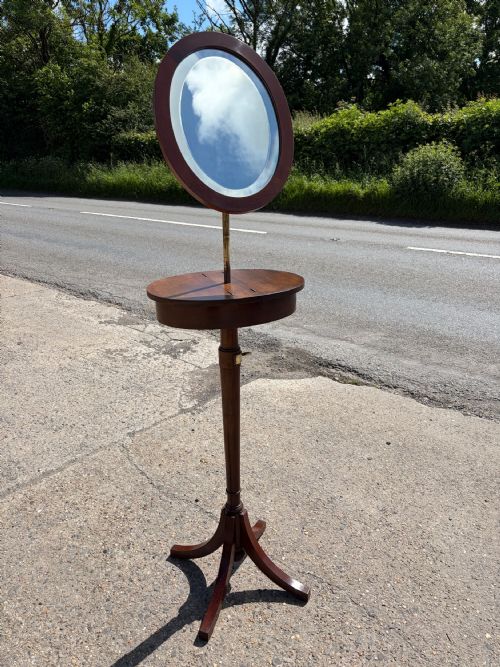
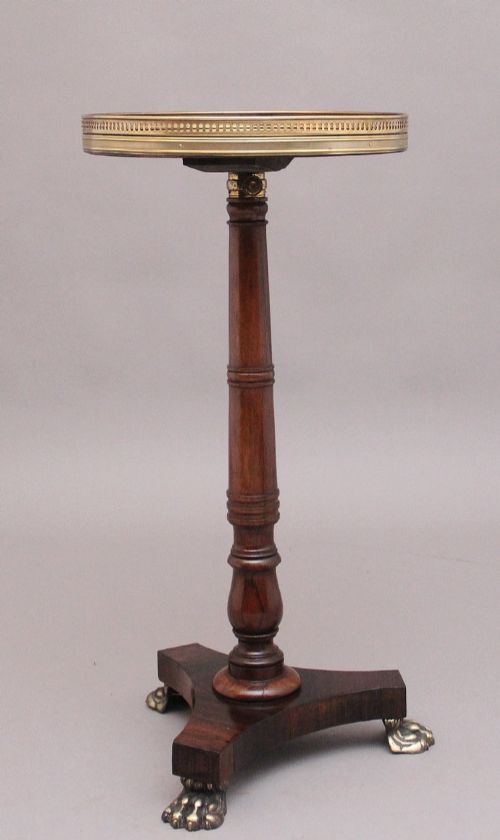
Dining tables appear alongside occasional pieces, shaving mirrors, and floor lamps that share the same underlying principle of telescoping adjustment. The mechanical action allows these pieces to transform from compact furniture into grand proportions.
Judging the engineering and timber
The calibre of a piece rests upon the precision of its mechanical action and the integrity of its timber. Smooth operation of the wind-out mechanism or telescopic stem indicates superior craftsmanship by workshops that invested heavily in internal hardware.
Timber selection distinguishes standard items from exceptional ones, with well-figured flame mahogany, original leaves, and matching grain patterns commanding greater regard. The retention of original brass fittings and maker stamps further elevates an object.
Listings feature mahogany, oak, walnut, rosewood, brass, ceramic, copper, and silver plate across Georgian and Victorian periods.
Gillows·F & J Smith·Harrison Patent
The Antique Telescopic Table Glossary
- Wind-out mechanism
- A mechanical system using a handle and internal screw threads to expand a dining table apart for insertion of leaves. This innovation defined nineteenth-century extending dining furniture.
- Imperial table
- A large-scale dining table designed to seat twelve or more guests, often associated with prominent makers like Gillows. These substantial pieces frequently utilise multiple leaves.
- Figured mahogany
- Timber exhibiting distinctive, highly decorative grain patterns such as flame or fiddleback. Cabinet makers prized this wood for the primary surfaces of high-status tables.
- Old Sheffield plated
- A composite material formed by fusing a thin sheet of silver to a thicker copper base. It appears frequently on adjustable candlesticks and lighting before modern electroplating.
- Dumbwaiter
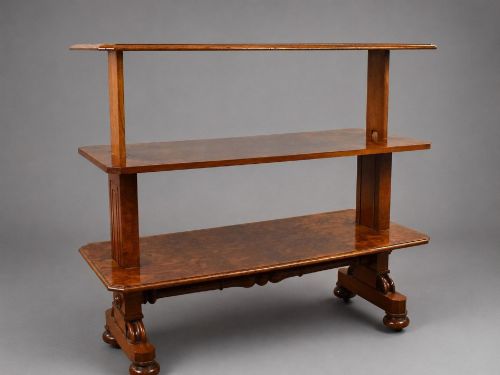
- A tiered serving table, sometimes built with telescopic columns, used in dining rooms to hold dishes and cutlery. These pieces allowed diners privacy by reducing servant presence.
Antique Telescopic Table: Frequently Asked Questions
How do wind-out dining tables operate?
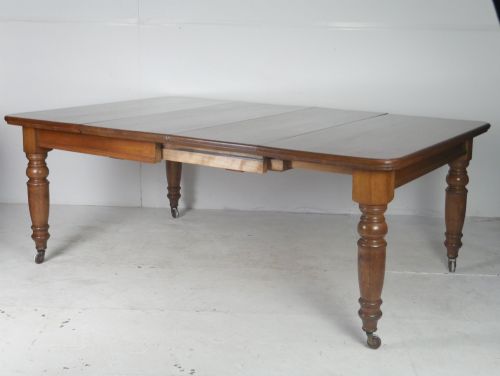
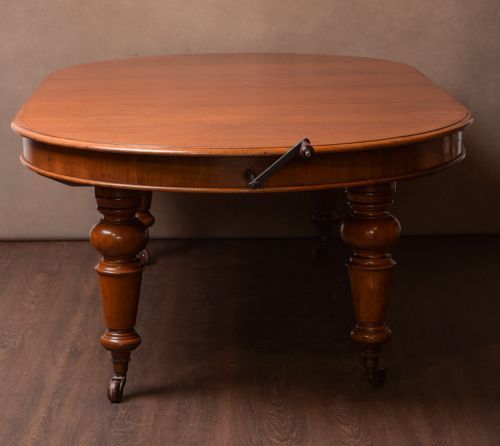
These tables utilise a concealed internal screw mechanism operated by a removable handle inserted into the side apron. Turning the handle drives the framework apart to accommodate additional leaves.
Once the gap reaches the correct width, the loose leaves drop into place and lock securely against the main top. This mechanical system allows a compact table to expand for large gatherings.
What periods do these pieces date from?
The listings span the Georgian, Regency, William IV, and Victorian eras, stretching from around 1800 through the late nineteenth century. Regency and William IV examples often feature bold mahogany grains and robust pedestals.
Victorian pieces introduce further variety, including walnut dumbwaiters, oak kitchen tables, and brass or silver-plated lighting. Cabinet-making styles evolved from classical restraint to heavy, figured Victorian grandeur.
How do telescopic candlesticks adjust?
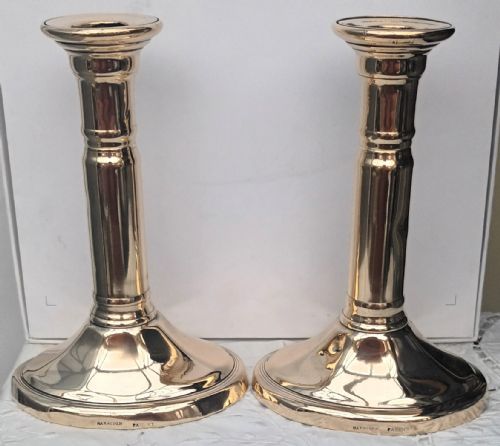
Telescopic candlesticks feature a central brass or silver-plated sliding shaft that raises or lowers the candle holder. A small side key or friction collar tightens to lock the inner tube at the desired height.
This adjustability allowed diners to alter the height of the light source above table level. It prevented tall flames from obstructing conversation across the dining table.
Are original leaves usually included?
Many surviving dining tables retain their original matching leaves, often numbered on the underside to ensure correct placement. Original leaves share the exact timber grain and fading characteristics of the main top.
Tables found without original leaves required replacement boards made at a later date. Checking the underside reveals construction details and original numbering systems.