

Antique Teaware
Antique teaware brings together centuries of porcelain, silver and copper vessels designed for the table.
Antique Teaware
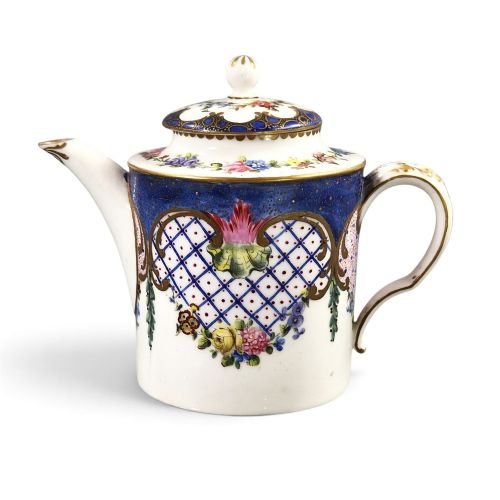
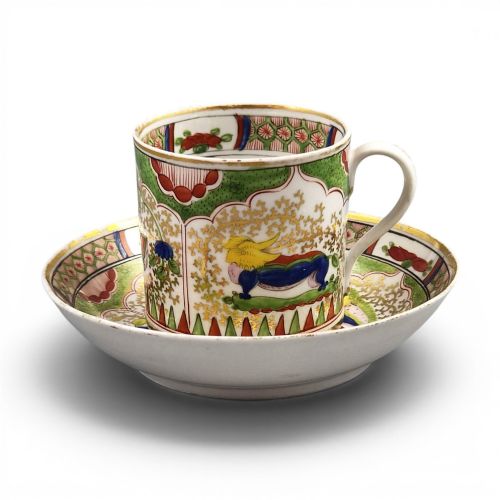
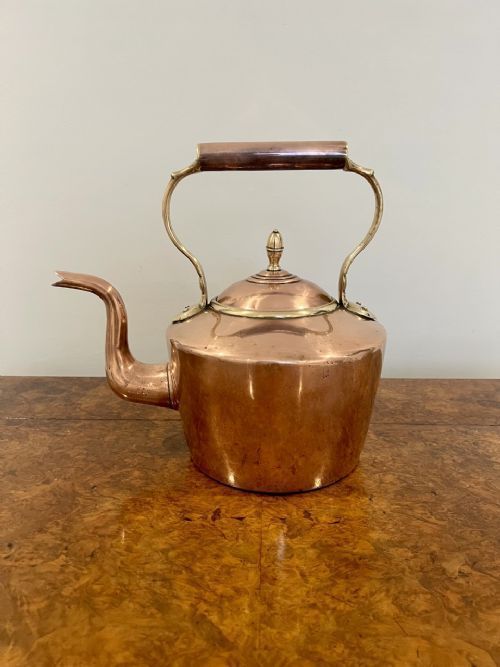
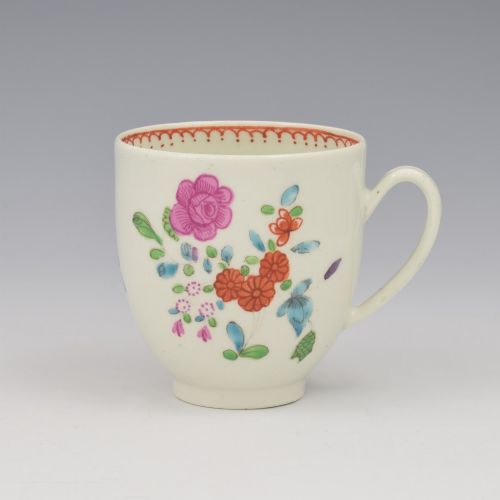
Antique teaware encompasses a varied array of vessels and utensils created for the preparation and consumption of tea, spanning the eighteenth and nineteenth centuries. Buyers searching this phrase encounter items ranging from utilitarian copper kettles and sterling silver sugar tongs to delicate porcelain teapots, coffee cups and saucers.
The objects originate from notable English factories such as Worcester, Spode, Mintons and Coalport, alongside continental porcelain from Sèvres and Moscow, and export wares from China and Japan. Georgian and Victorian periods dominate the selection, offering forms that reflect shifting domestic habits and decorative tastes.
Materials and Construction
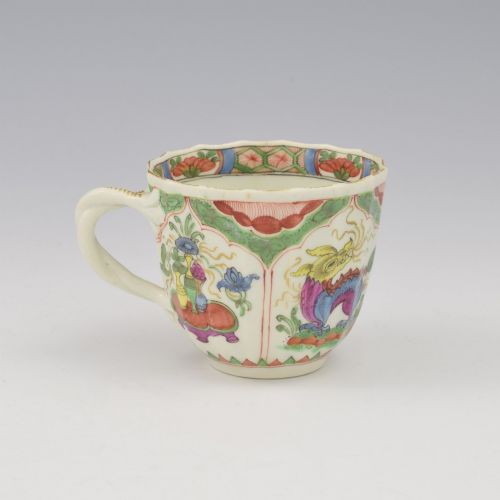
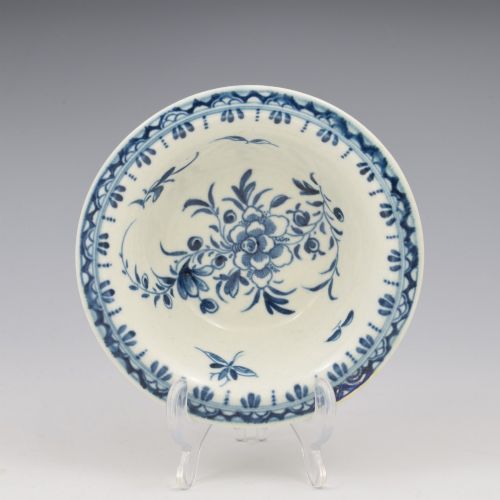
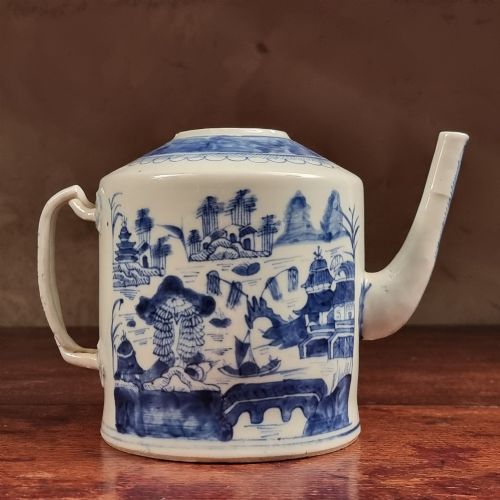
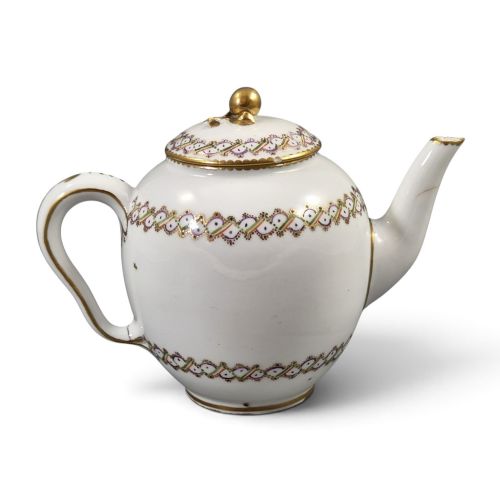
Ceramic pieces rely on hard-paste porcelain, soft-paste porcelain and earthenware, often finished with polychrome enamel, transfer printing, or rich gilding and gold leaf. Potters shaped bodies by throwing on the wheel or pressing into moulds, then applied hand-painted motifs such as Chinoiserie scenes, floral sprays and exotic birds.
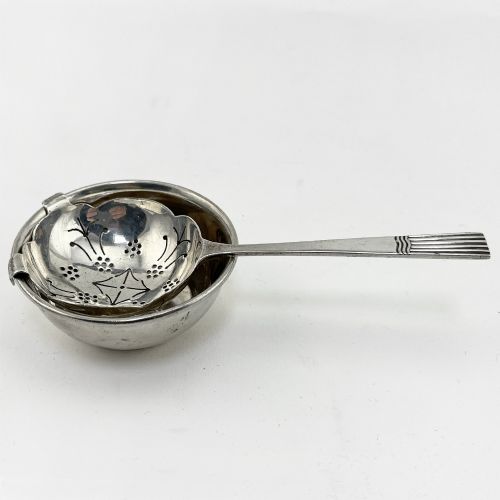
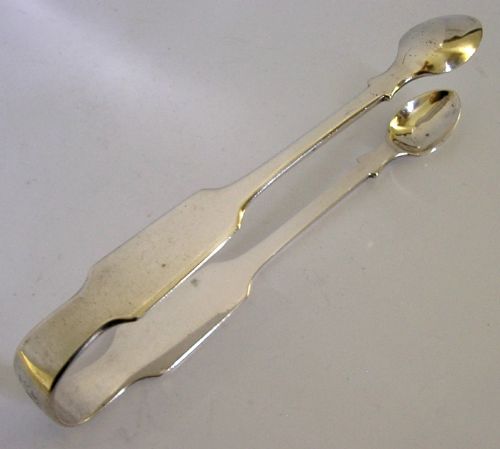
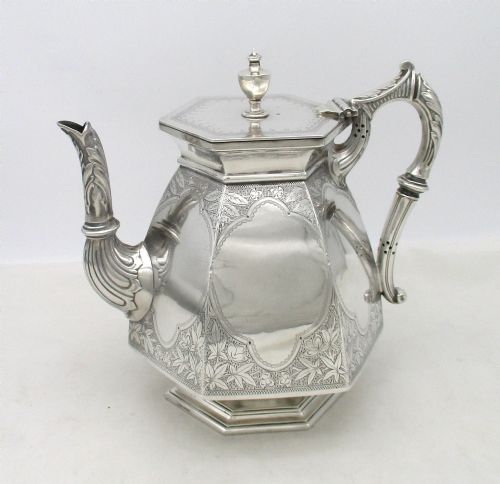
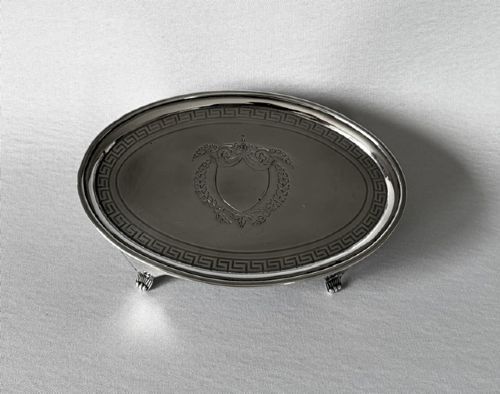
Metal items utilise sterling silver, silver plate, copper and brass, shaped through casting, piercing, hammering and soldering. Silversmiths and metalworkers produced tea strainers, kettles and sugar tongs with detailed ornamentation, incorporating hallmarks and maker stamps.
Antique Teaware Retail Price Guide 2026
Typical asking prices for teaware among the pieces listed under this phrase on Sellingantiques today, from the lower quarter to the upper quarter. They describe what is for sale here now, not the wider market.
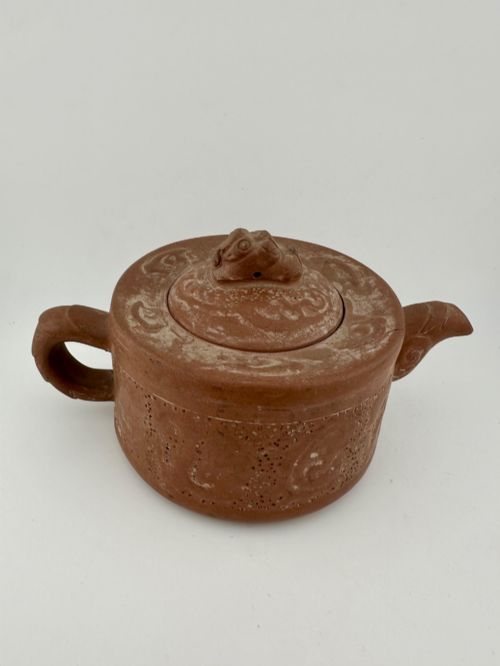
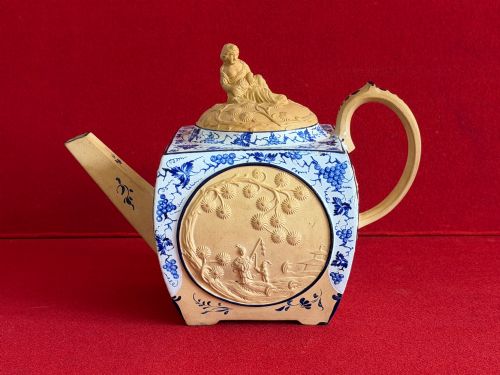
A tiny toad serves as the finial on an 1850 Yixing Zisha teapot, watching over centuries of brewing history.
Distinctions in Quality
Quality rests upon the crispness of the modelling, the precision of the hand-painting, and the preservation of original gilding and enamel colours. Superior porcelain displays sharp underglaze blue or vibrant polychrome details without blurring or firing flaws.
Metalwork quality shows in the weight of the silver, the clarity of hallmarks, and the balance of handles and finials. Pieces retaining their matching stands, covers or complete trios command greater attention from collectors.
Martin Hall And Co·Mintons
The Antique Teaware Glossary
- Soft-paste porcelain
- A ceramic material composed of clay and glass frit, fired at lower temperatures than hard-paste porcelain. It produces a warm, slightly translucent body common in eighteenth-century English factories.
- Chinoiserie
- A European decorative style interpreting Chinese artistic traditions. It appears on porcelain and metal objects through motifs of figures, pavilions and landscapes.
- Sugar tongs
- Small spring tongs used for transferring sugar lumps into cups. They are frequently fashioned from sterling silver with pierced or cast decoration.
- Caddy spoon
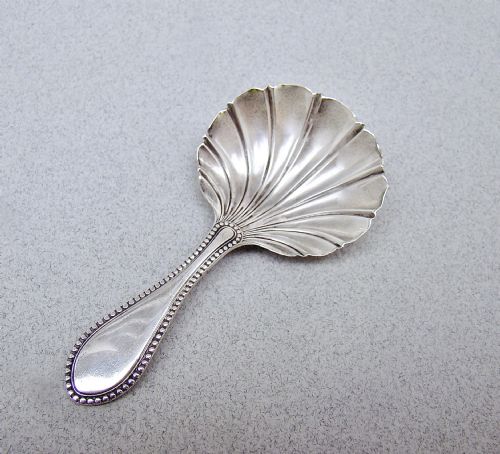
- A short-handled spoon designed for measuring loose tea leaves from a canister. Makers often fashioned these in silver with shell or floral bowls.
- Gaiwan
- A traditional Chinese lidded bowl used for steeping and drinking tea. Examples include Canton enamel decorated with intricate polychrome patterns.
Antique Teaware: Frequently Asked Questions
What is a silver tea strainer used for?
Silver tea strainers catch loose leaves as tea is poured from the pot into the cup. They were introduced as leaf grades became finer.
Many examples sit directly across the rim of the cup and bear clear sterling silver assay marks from the nineteenth or twentieth centuries.
How should I clean antique copper kettles?
Antique copper kettles require gentle cleaning to preserve their metal surfaces and any historical patination. Avoid harsh abrasives that strip the age from the metal.
Warm water and mild soap suffice for routine care, followed by thorough drying to prevent tarnishing.
What is a porcelain trio?
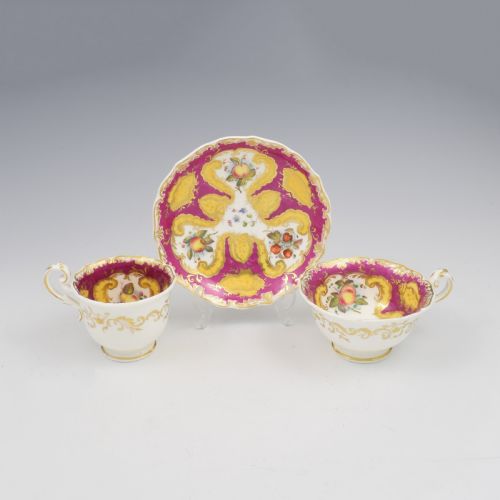
A porcelain trio consists of a matching teacup, coffee cup and saucer produced as a set. They showcase matching patterns and forms from periods like the Regency or Victorian era.
Collectors prize complete trios for their visual harmony and utility on the tea table.