



Antique Teapoy Stand
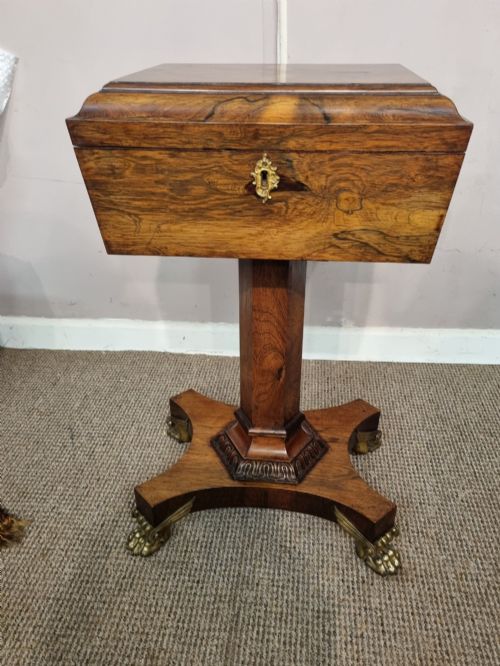
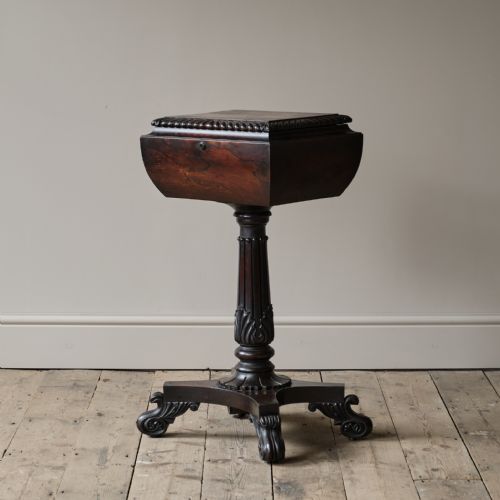
An antique teapoy stand offers a striking focal point for a room, combining the practicality of a storage box with the elegance of a period pedestal table.
Antique Teapoy Stand
When you search for an antique teapoy stand, you encounter pieces designed originally for holding tea caddies, often featuring a lidded box atop a pillar or a set of carved feet. The forms span the Georgian, Regency, William IV, and Victorian periods, reflecting shifting domestic habits around hospitality and entertaining.
Origins stretch across English, Irish, Scottish, and Swedish workshops, occasionally extending to Anglo-Indian carved sandalwood pieces. These items bridge the gap between occasional tables and specialised storage furniture, functioning equally well as display surfaces.
Materials and construction
Cabinetmakers utilised rich timber veneers including flame mahogany, burr maple, burr walnut, burr elm, and burr yew, laid over solid hardwood carcases. Brass inlay frequently accentuates the polished rosewood lids and friezes on Regency examples.
Structural support ranges from central turned pillars with quadraphonic plinths to four carved feet, sometimes incorporating intricate hand-carved details. Interiors often retain remnants of compartmentalised storage or mixing bowls once used for loose tea leaves.
Antique Teapoy Stand Retail Price Guide 2026
Typical asking prices for teapoy stand among the pieces listed under this phrase on Sellingantiques today, from the lower quarter to the upper quarter. They describe what is for sale here now, not the wider market.
Some boxes kept spirits under lock instead of tea, doubling as portable cocktail cabinets for thirsty Victorians.
Assessing craftsmanship and finish
Quality rests upon the selection of timber figures, where symmetrical burr grains and deeply figured flame mahogany elevate the visual impact of the box lid. The crispness of carved details on the feet and pillars distinguishes standard production from exceptional cabinet work.
Attribution to prominent workshops adds distinction, particularly when pieces bear maker stamps or documented design characteristics. The integrity of the internal compartments and the survival of original brass mounts or inlay further influence the character of the piece.
Strahan of Dublin·Gillows
The Antique Teapoy Stand Glossary
- Teapoy
- A small stand or table equipped with a lidded box designed to hold tea caddies and mixing bowls. The term originally derived from Eastern words for the number three, relating to the three-footed stands.
- Sarcophagus
- A box shape featuring a domed or peaked lid with sloping sides reminiscent of ancient stone coffins. This silhouette proved popular for Regency and William IV tea containers.
- Jardiniere
- A decorative receptacle or stand intended for holding plants or flowers. Certain variants share the form and enclosed top of the teapoy.
- Work box
- A container fitted with interior compartments for sewing implements and needlework accessories. Several teapoys served this dual purpose after loose tea became less expensive.
- Biedermeier
- A Central European style dating from the early to mid-nineteenth century emphasising clean lines and domestic comfort. Swedish examples utilise native timbers such as burr elm.
Antique Teapoy Stand: Frequently Asked Questions
What is an antique teapoy stand?
An antique teapoy stand is a nineteenth-century piece of furniture featuring a lidded box mounted on a pillar and base, originally built to store and lock away expensive loose tea leaves.
Over time, many of these stands were adapted for other uses, serving as sewing boxes, spirit cabinets, or occasional display tables in period interiors.
How were teapoys used in the past?
In Georgian and Regency drawing rooms, the mistress of the house kept her precious tea locked inside the teapoy box to protect it from domestic servants. Guests would then be served tea mixed from the caddies kept within.
Because tea eventually became readily available and less costly, many owners repurposed the internal compartments for needlework supplies, stationery, or bottles and glasses.
How do I date a teapoy stand?
Dating relies heavily on timber choices, silhouettes, and decorative motifs characteristic of specific reigns and design movements. Regency examples frequently showcase rosewood with brass inlay, while William IV and Victorian pieces often display heavier mahogany construction and robust carved feet.
Cabinet construction methods inside the box also provide clues, as hand-cut dovetails and native secondary woods typically point to earlier nineteenth-century manufacture.
Can I use a teapoy as a side table?
These pieces function exceptionally well as bedside tables or beside armchairs, where the enclosed top provides concealed storage for small modern items.
The flat surface of the closed lid accommodates lamps, books, or decorative objects while maintaining the distinct character of nineteenth-century cabinet work.
What woods were used for teapoys?
Cabinetmakers selected exotic and domestic hardwoods to impress visitors, favouring dark timbers like rosewood and mahogany for their rich grain patterns. Burr veneers from walnut, maple, elm, and yew appeared frequently on high-status boxes to highlight figured surfaces.
Inland workshops occasionally utilised indigenous woods such as oak or sandalwood, particularly in regional British or Anglo-Indian pieces.