
Antique Tea Plates
These antique tea plates and related serving pieces bring genuine period character to a table, offering solid craftsmanship from the Georgian, Victorian and Edwardian eras.
Antique Tea Plates
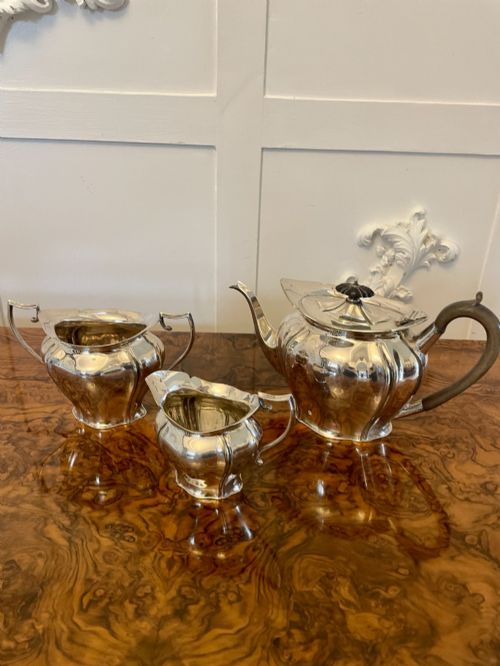
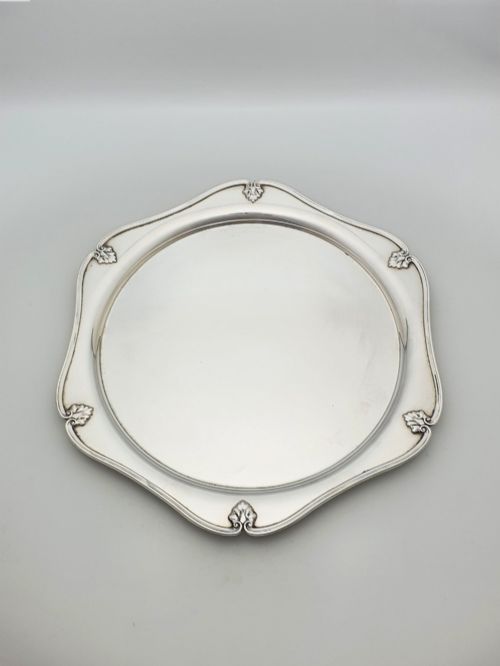
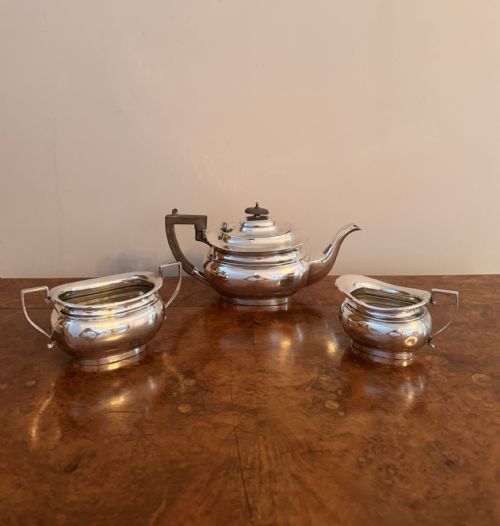
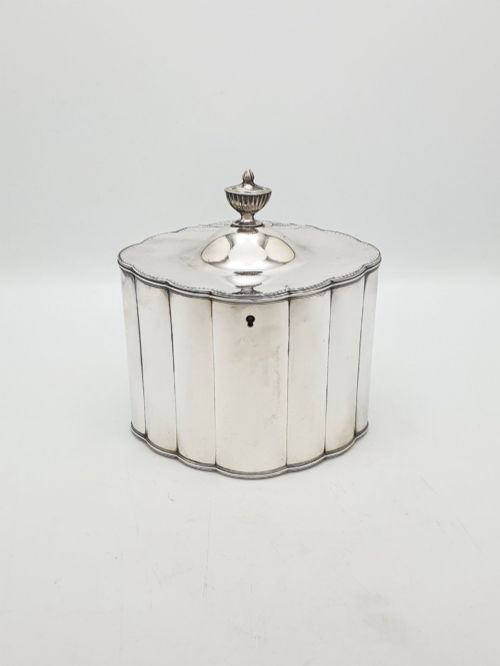
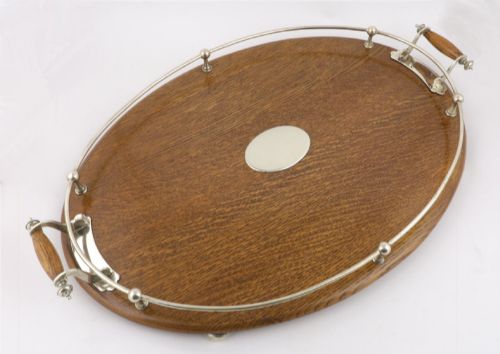
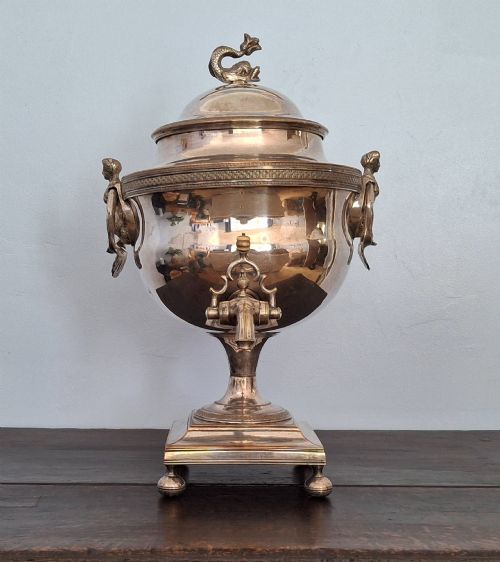
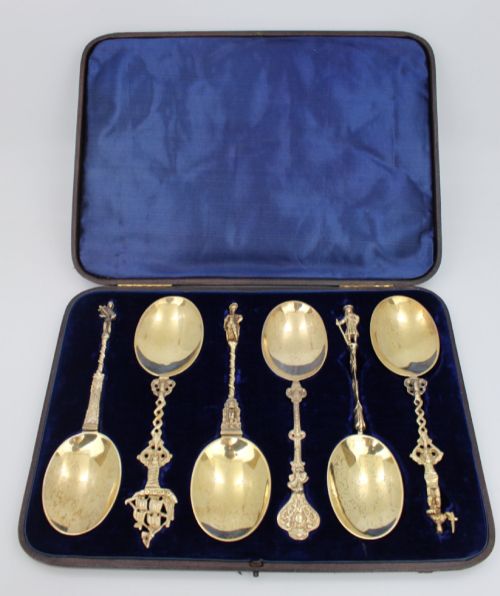
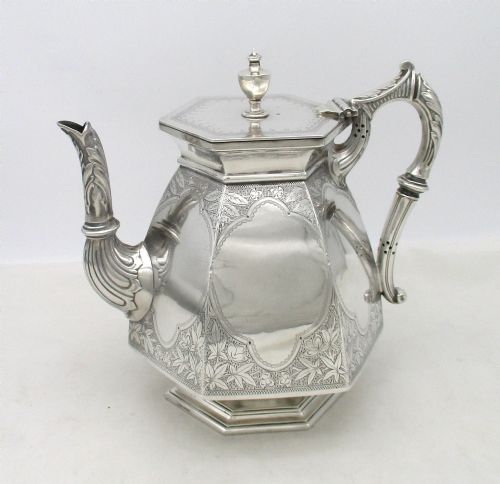
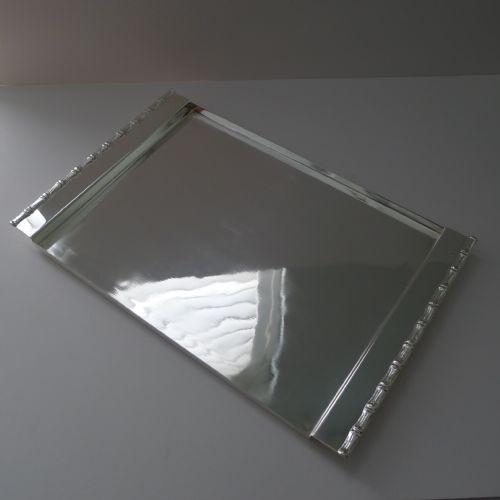
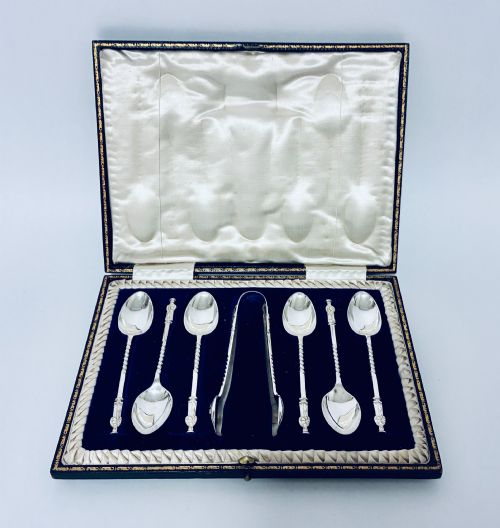
When you search for antique tea plates, you encounter ceramics and metalware spanning the Georgian, Victorian and Edwardian eras alongside later Art Deco items. The listings on this page include ceramic dishes from makers like Spode, alongside a wide array of silver-plated trays, tea sets, biscuit barrels and caddies.
While the phrase points directly to plates, the surviving material record shows tea sets, serving trays and caddies forming the backbone of what is available from the 19th and early 20th centuries. Buyers are most likely to meet silver-plated serving trays and ceramic tea wares from the Edwardian and Victorian periods.
Origin and period dictate the character of each piece, ranging from Georgian blue and white transfer-printed porcelain to heavy Edwardian silver-plated gallery trays. These items formed the functional core of historic tea service rituals in British households.
What separates the best pieces
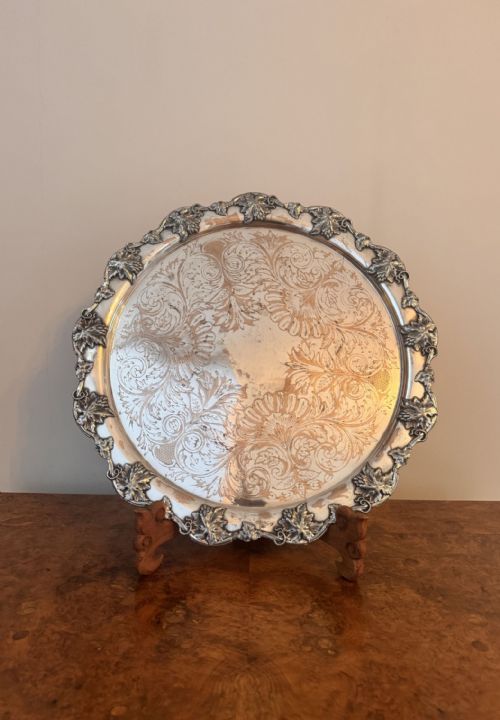
Quality rests in the crispness of the casting and the depth of the hand engraving on metal trays and tea urns. Substantial weight, sturdy construction in oak and silver plate, and well-executed maker marks distinguish finer workshop output from standard commercial production.
In ceramic items, the clarity of the blue and white transfer print and the refinement of the porcelain body determine the standing of the piece. Well-preserved silver-gilt highlights and intact glass liners elevate the desirability of sugar bowls and caddies.
Listings feature items from the Georgian, Victorian, Edwardian and Art Deco periods, utilising silver plate, porcelain, oak and copper.
Joseph Rodgers & Sons·Deakin & Francis·Martin Hall & Co·Mappin and Webb·Thomas Bradbury & Sons·Walker and Hall
The Antique Tea Plates Glossary
- EPNS
- Electroplated Nickel Silver, a common base metal method used for silver-plated items from the Victorian period onwards. It provides a durable silver surface over a nickel and copper alloy.
- Sheffield Plate
- An early method of fusing a thin sheet of silver to a copper core before rolling, prevalent in Georgian pieces. This technique creates a distinctive edge where the base metal occasionally shows through.
- Gallery Tray
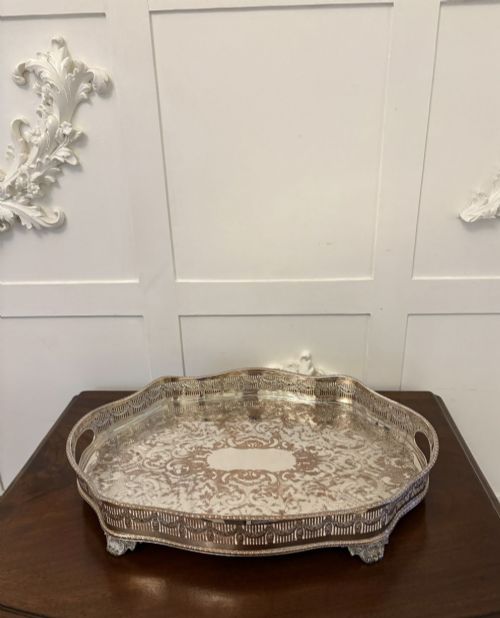
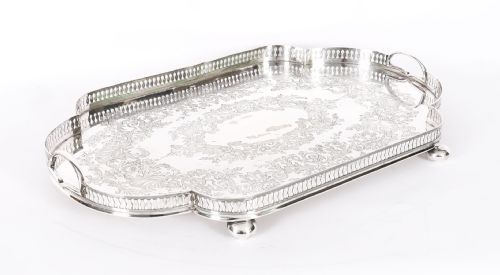
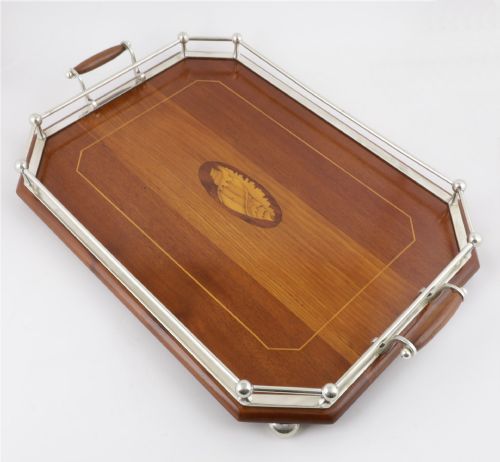
- A serving tray featuring an upright pierced or solid metal gallery border around the edge. These borders were designed to keep decanters and tea wares secure during transit.
- Transfer Printing
- A method of applying detailed decorative patterns to ceramics using an engraved copper plate and tissue paper. It allowed complex blue and white floral designs to be produced consistently on tea wares.
- Biscuit Barrel
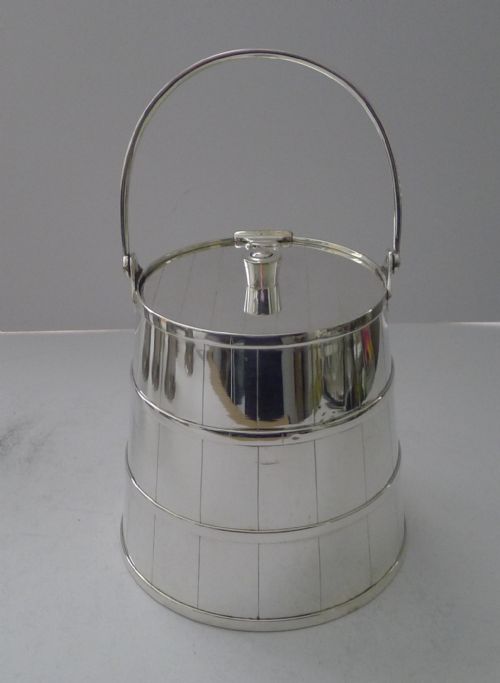
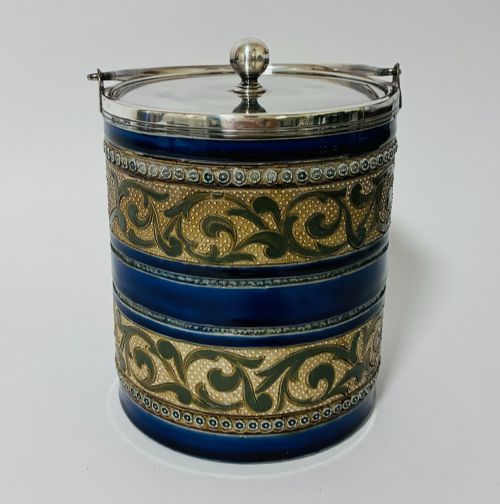
- A covered ceramic or metal container designed for storing dry biscuits on the Victorian or Edwardian sideboard. They frequently combined oak and silver plate with locking mechanisms.
- New Stone
- A dense, durable ceramic body developed in the early 19th century as a robust alternative to standard porcelain. It bridged the gap between earthenware and true stoneware.
Antique Tea Plates: Frequently Asked Questions
Can I use antique plates for daily dining?
Georgian and Victorian ceramic tea plates can generally handle gentle daily use, provided they are washed by hand rather than placed in a modern dishwasher.
Older glazes may craze over time, so acidic foods should not be left on them for extended periods.
How do I date an Edwardian silver tray?
Check the reverse or rim for maker marks, retailer stamps and Birmingham or Sheffield assay office hallmarks. These stamps often indicate the precise year of manufacture.
Stylistic markers such as neoclassical gallery rails or engraved floral festoons also point toward the Edwardian period between 1901 and 1910.
What is the difference between EPNS and solid silver?
EPNS consists of a base metal alloy coated with a thin layer of pure silver through electroplating. Solid silver items are uniform in metal content throughout.
Silver-plated items offer the appearance and lustre of solid silver at a more accessible weight and cost.