


Antique Taxidermy Trophy
When you search for antique taxidermy trophy, you look for preserved animal heads, horns, and mounts that bring historical interior character.
Antique Taxidermy Trophy
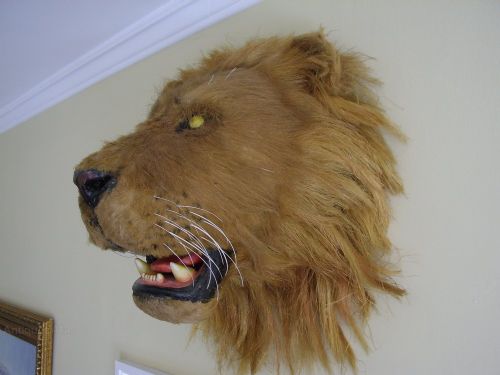
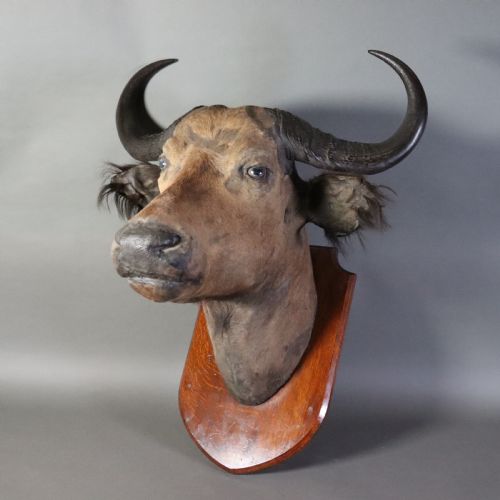
An antique taxidermy trophy encompasses preserved animal heads, horns, antlers, and mounted specimens originating from the Victorian, Edwardian, and early twentieth-century periods. These items reflect historical pursuits, natural history documentation, and lodge decor traditions.
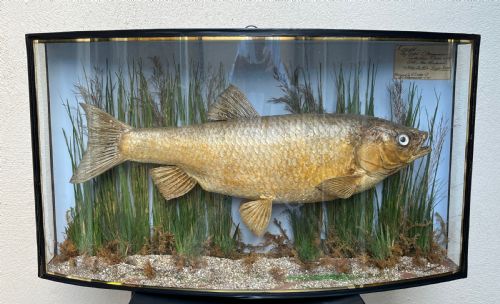
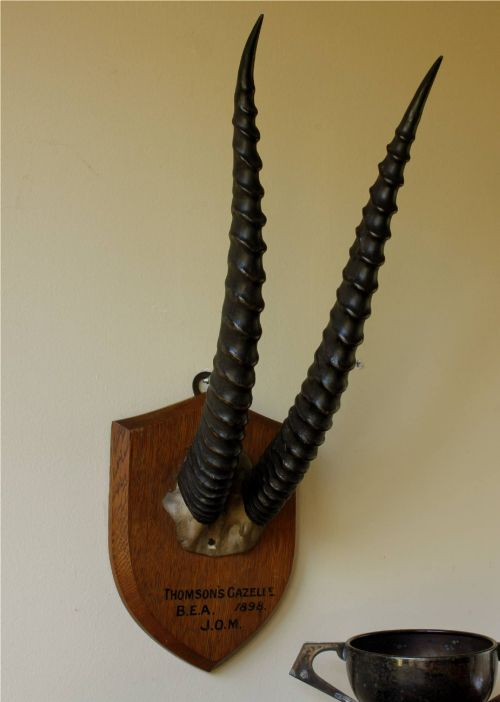
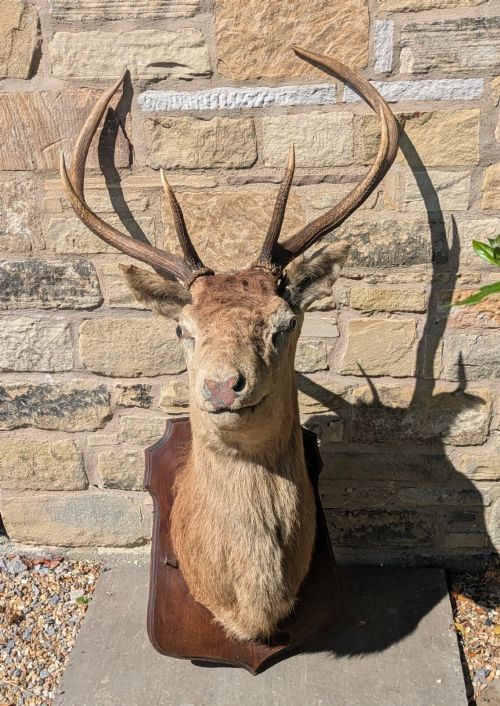
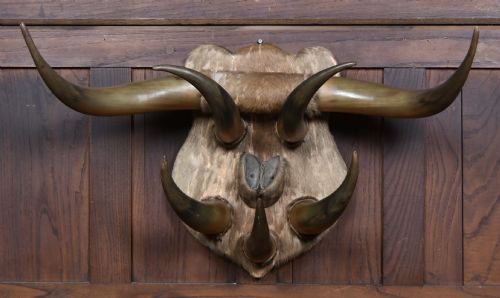
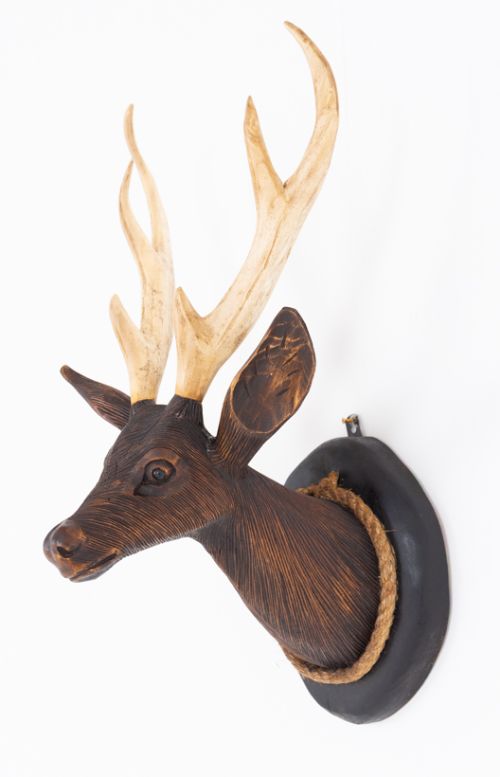
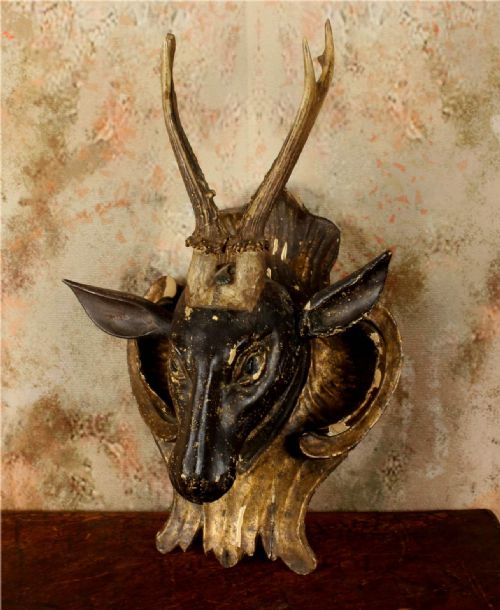
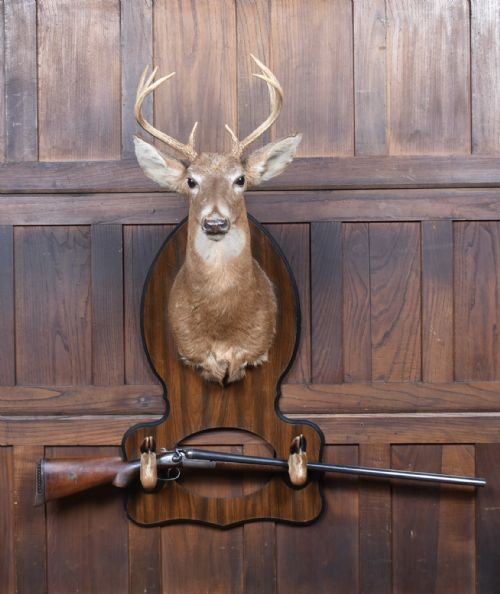
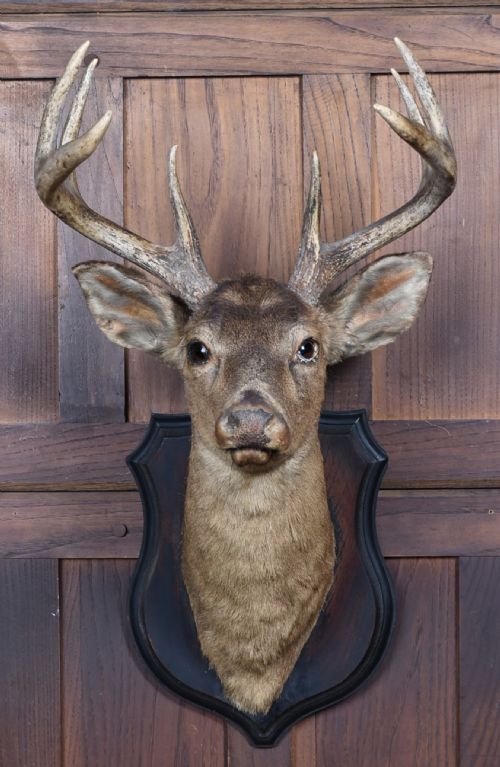
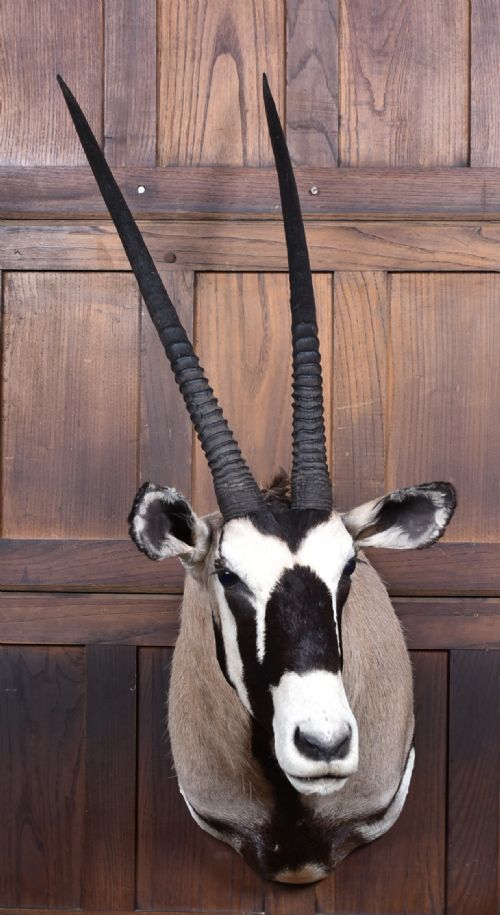
The pieces on this page appear in various forms, including wall-mounted stags' heads, antelope horns, fox masks, and glass display cases containing fish. Regional influences range from Highland traditional styles to carved Black Forest aesthetics.
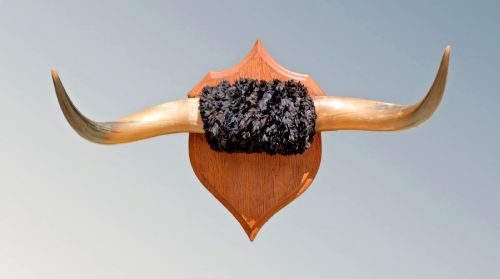
Mounters utilised taxidermy hide, natural fur, bone, and horn, frequently mounting them upon wooden shields or oak plaques. These decorative objects served as symbols of hunting expeditions and domestic displays of natural specimens.
How they were made
Taxidermists stretched animal hides and natural fur over constructed forms made of carved wood, clay, or papier-mâché, setting glass eyes to achieve lifelike expressions. Horns and antlers were cleaned, polished, and secured directly to wooden shields or oak wall mounts using metal fixings.
Woodcarvers shaped oak and other timber into detailed shields and plaques, often incorporating foliate motifs in the Black Forest style. Specialised craftspeople also mounted fish within glass display cases backed by painted scenes of natural habitats.
Some Victorian hunters preserved fox feet as silver-mounted brooches or transformed boars' feet into functional inkwells for the desk.
What varies in quality
The craftsmanship of the mounting shield also influences value, distinguishing plain timber boards from deeply carved Black Forest wooden displays. Furthermore, documentation identifying known practitioners elevates the standing of individual pieces.
Little and Co·Peter Spicer and Sons·Gerrard and Sons·Cooper and Sons
The Antique Taxidermy Trophy Glossary
- Taxidermy mount
- The preserved skin of an animal fitted over a sculpted form to create a lifelike representation. These specimens form the core of historical trophy collections.
- Black Forest style
- A decorative woodcarving tradition originating in Switzerland and Germany featuring naturalistic animal motifs and foliage. Carved stags and oak leaves typify this aesthetic.
- Shield
- A wooden wall plaque, frequently made of oak, cut into a pointed shape to support mounted horns or animal heads. They provide structural stability for hanging heavy trophies.
- Mask
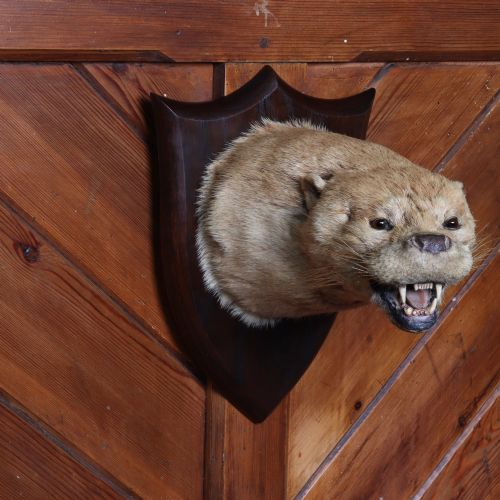
- The head and facial portion of a smaller animal, such as a fox or otter, preserved and mounted for wall display. These items often record specific hunts with inscribed plaques.
- Antlers
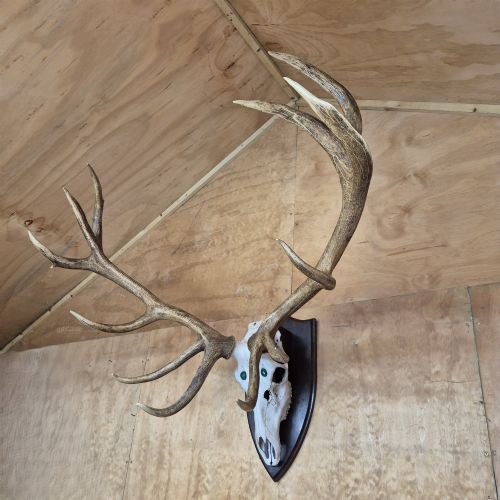
- The bony growths shed and regrown annually by members of the deer family, used singly or attached to skulls as wall decorations. Point counts measure their size and maturity.
Antique Taxidermy Trophy: Frequently Asked Questions
How do I clean antique taxidermy?
Dust mounted specimens gently using a soft, dry brush or a feather duster, moving in the direction of the natural fur or hair.
Avoid using water, liquid cleaners, or chemical sprays, as moisture damages aged hides, taxidermy mounts, and wooden shields.
Where should I hang a trophy head?
Mount trophy heads on sturdy walls capable of supporting the weight of the wooden shield and the internal structure.
Keep pieces away from direct sunlight, radiators, and damp areas to prevent the natural fur, hide, and wood from drying out or degrading.
How are antlers measured?
Antlers are categorised by the number of points on each beam, alongside the overall spread measured across the widest span.
Historical records often note these point counts, such as a twelve-point royal set, to describe the maturity of the animal.