








Antique Taxidermy Bird Case
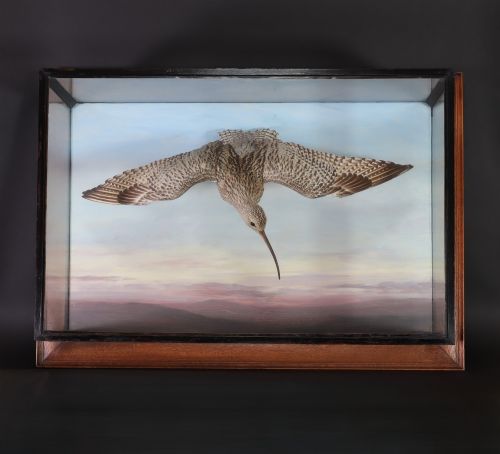
An antique taxidermy bird case brings preserved specimens into domestic rooms through glass, wood and preserved flora.
Antique Taxidermy Bird Case
An antique taxidermy bird case brings preserved specimens into domestic rooms, capturing natural history inside glass and wood. When you search for antique taxidermy bird case, you encounter Victorian and Edwardian examples spanning the nineteenth and early twentieth centuries.
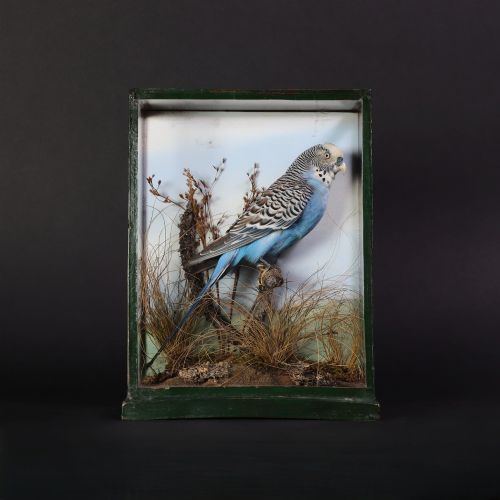
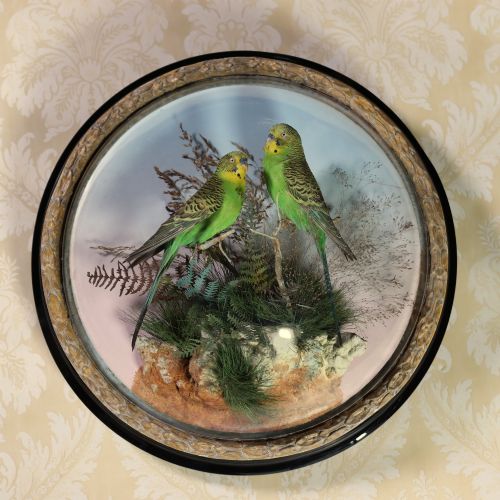
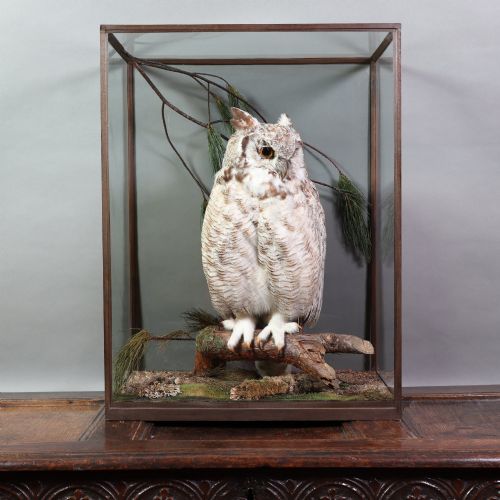
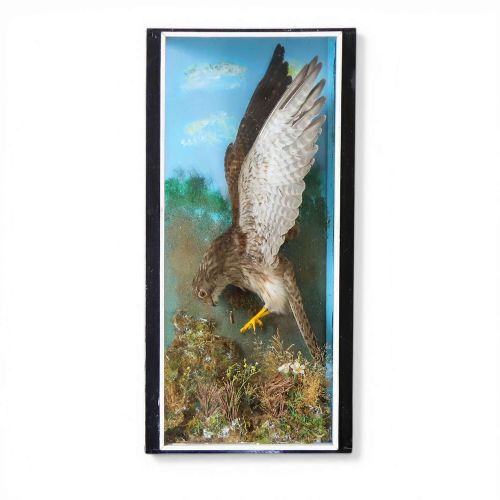
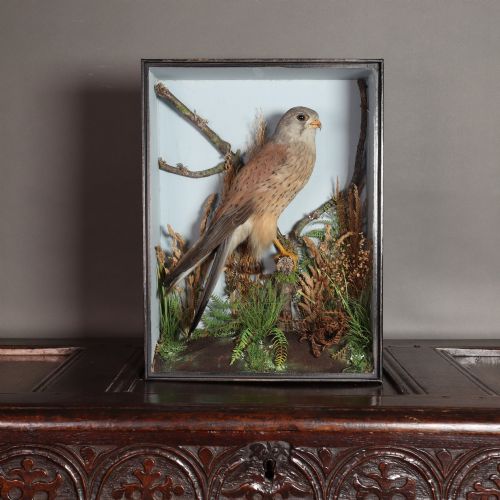
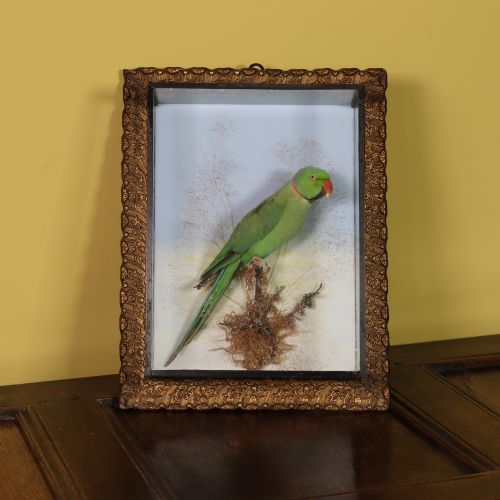
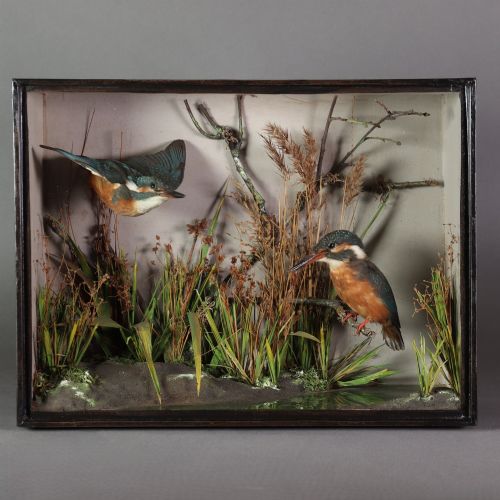
The pieces on this page take several distinct forms, from flat-sided and wall domes to painted display cases and ebonised picture frames. Common inhabitants include hawks, owls, waterfowl, parakeets and exotic mixed compositions.
Makers from regional workshops and London firms constructed these habitats using moss, dried flora and paper backgrounds. Each display creates a fixed scene from nature, preserving birds such as kingfishers, jays and pheasants behind protective glazing.
How They Were Made
Taxidermists mounted specimens over internal armatures, arranging feathers by hand to simulate life. Preserved birds were then placed within bespoke wooden enclosures designed to keep dust and moisture from the delicate plumage.
Makers utilised ebonised wood or painted timber frames, securing glass panes at the front or enclosing the specimens within blown glass domes. Interiors incorporated natural elements such as moss, paper backings, and dried flora to mimic woodland or riverbank habitats.
Antique Taxidermy Bird Case Retail Price Guide 2026
Typical asking prices for taxidermy bird case among the pieces listed under this phrase on Sellingantiques today, from the lower quarter to the upper quarter. They describe what is for sale here now, not the wider market.
Snow buntings prefer a miniature winter wonderland inside their flat-sided glass dome, complete with artificial snow.
What Varies in Quality
The distinction between average and exceptional work lies in the taxidermist's skill at rendering posture and anatomical proportion. Superior specimens display natural alertness and clean feather arrangement, whereas lesser pieces suffer from stiff poses or heavy-handed mounting.
Enclosure construction also determines grade, with quality housing evident in tight timber joints, clean interior backdrops, and unclouded glass. The integration of botanical elements like moss and dried flora separates basic enclosures from immersive dioramas.
Bill Cox of Liverpool·Kirk of Glasgow·Raine of Carlisle·P. Spicer of Leamington Spa·Cullingford of Durham·J Griffiths of Burford·Rowland Ward Ltd·T. E. Gunn·William Bazeley & Sons·James Gardner·W.F. Homer London
The Antique Taxidermy Bird Case Glossary
- Ebonised wood
- Timber treated with a dark stain or finish to imitate ebony. This dark framing material was common in Victorian picture frame cases to draw focus inward toward the feathers.
- Dome
- A blown glass cover resting on a wooden base to protect specimens. These enclosures offer a circular viewing angle distinct from flat-sided boxes.
- Diorama
- A three-dimensional scene featuring taxidermy mounted within a painted setting. These constructions use background art and dried flora to simulate a natural habitat.
- Preserved specimen
- An animal skin prepared and mounted over an armature. The preservation halts decay while retaining the outward appearance of the living bird.
- Dried flora
- Plant material dehydrated for interior display. Makers arranged these remnants inside cases to anchor the birds within realistic miniature landscapes.
Antique Taxidermy Bird Case: Frequently Asked Questions
Where should I place a case?
Position your display away from direct sunlight and damp environments to protect the plumage and paper backings from fading or deterioration. Stable indoor temperatures preserve the wooden frames and glass seals.
Wall-mounted picture frame cases require secure fixings into solid masonry or studs to support the combined weight of wood, glass, and specimens safely.
What birds appear most often?
British woodland and farmland species such as kestrels, owls, jays, and pheasants frequently populate these nineteenth-century enclosures. Waterfowl like ducks and moorhens also appear alongside vibrant exotic parrots.
Many compositions group multiple species together within a single diorama or dome, creating mixed historical studies from New Guinea, South America, and Australia.
How do I date a case?
Examine the framing style, timber treatment, and internal paper backings for clues regarding the manufacturing era. Ebonised picture frames and heavy glass domes typically point toward Victorian or Edwardian production methods.
Recorded maker signatures, paper trade labels pasted inside the enclosure, or specific taxidermy techniques can narrow the origin down to a particular decade and workshop.