


Antique Tapestry Pair
An antique tapestry pair brings historic textiles and matched seating together, offering balanced symmetry for formal rooms.
Antique Tapestry Pair
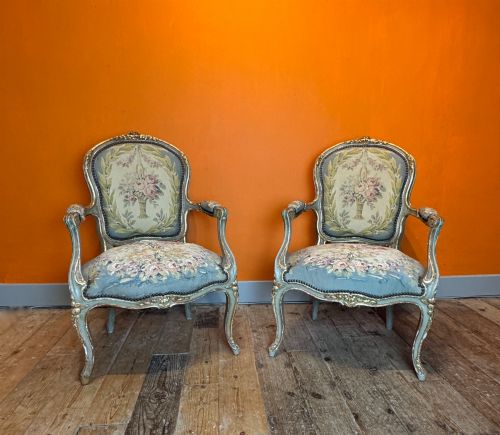
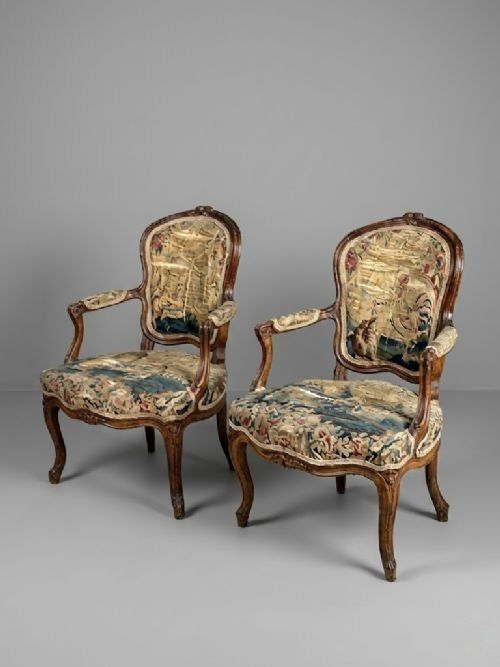
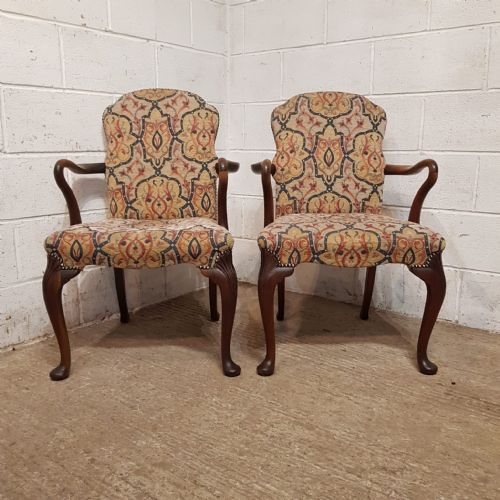
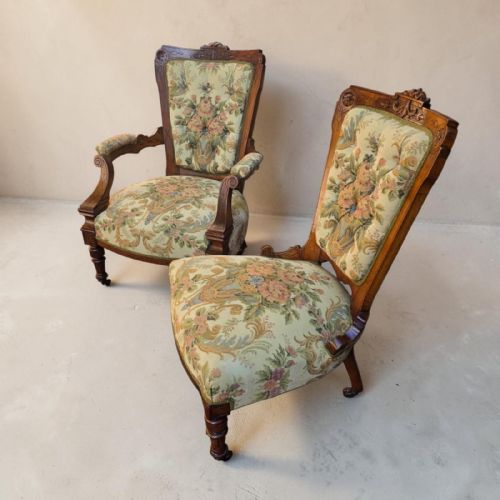
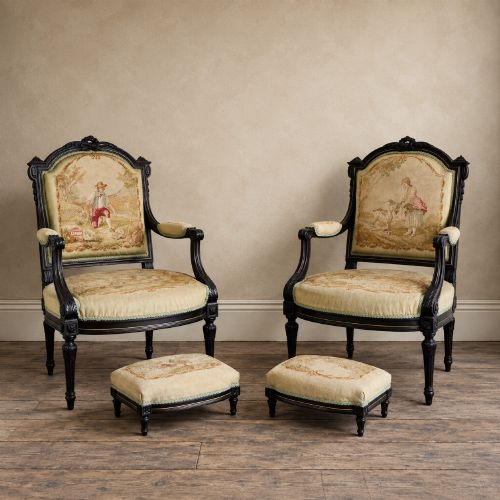
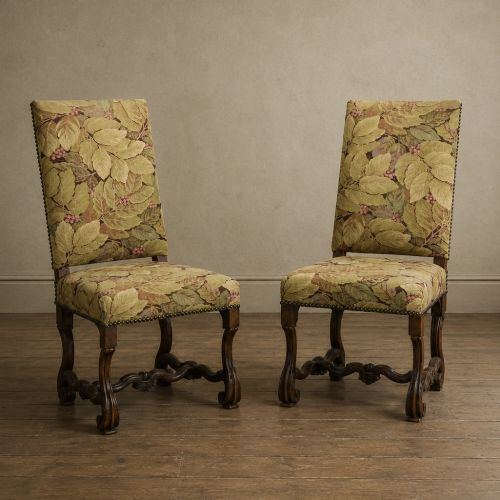
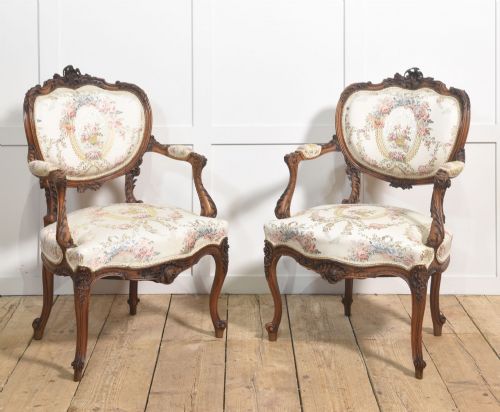
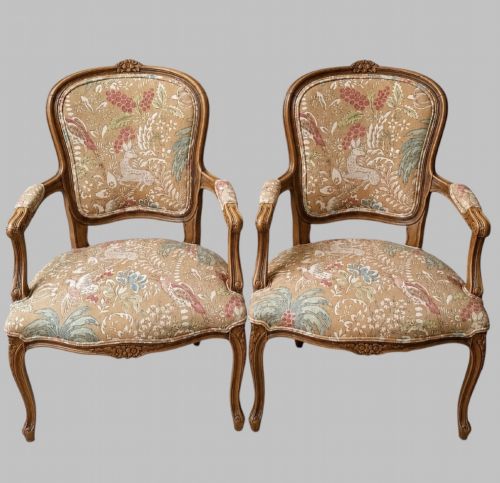
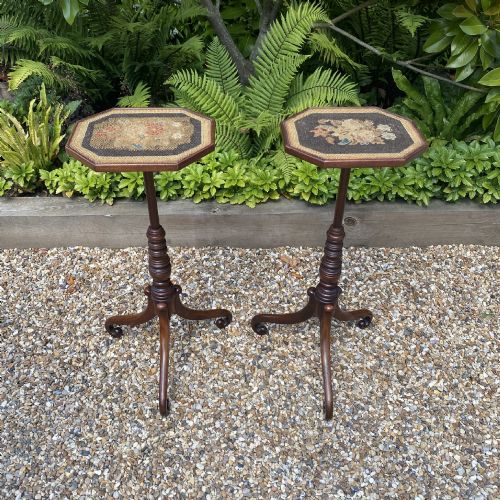
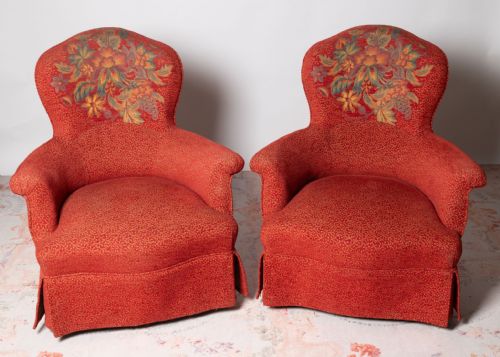
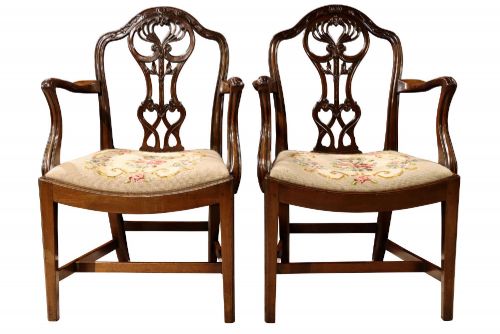
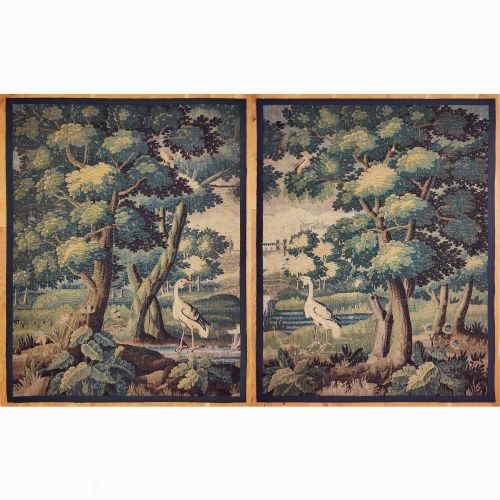
When you search for an antique tapestry pair, you encounter coordinated items dominated by seating upholstered in woven textiles or matched wall hangings from past centuries. The selection on this page centres on framed armchairs, side chairs, and footstools covered in needlepoint, petit point, or woven panels, alongside actual textile fragments and wall panels.
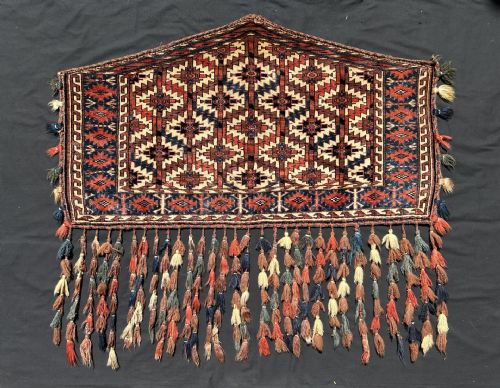
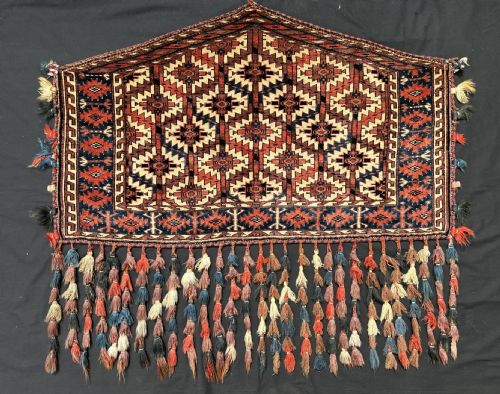
Seating forms range from French salon armchairs and library chairs in walnut, beech, and mahogany to heavy oak frames and small footstools. Textile components stretch from 17th-century Flemish verdure scenes to Aubusson covers and Turkmen asmalyks, creating pairs designed for symmetrical placement in a room.
Materials and Construction
Frames rely on hardwoods such as walnut, mahogany, oak, and beech, frequently shaped through carving, painting, or parcel gilding into revival styles like Louis XV, Louis XIV, and Chippendale. Joinery methods of the period secure these timber structures to support weight and tension.
The upholstery side combines wool, silk, and tapestry fabric woven by hand or on looms, often featuring needlework and long stitch embroidery. These textiles are then secured to the wooden frames of armchairs, footstools, and panels.
Several pairs include birds stitched into silk or woven into foliage, quietly observing centuries of domestic life from their frames.
Evaluating Quality
Quality rests upon the execution of the timber frame and the complexity of the woven or stitched textile. Hand-carved walnut or mahogany frames paired with finely worked petit point or early verdure tapestries represent the higher tier of production.
The density of the weave, the richness of the silk and wool threads, and the preservation of the pictorial design distinguish superior examples from simpler utilitarian seating.
White, Allom & Co.
The Antique Tapestry Pair Glossary
- Aubusson
- A style of tapestry and carpet originating from the French town of Aubusson, known for pastoral or floral scenes. These woven works frequently cover period armchairs.
- Petit point
- A fine, count-thread needlepoint embroidery executed on single-mesh canvas. This technique allows for detailed pictorial representation on chair seats and footstools.
- Verdure
- A type of tapestry featuring a landscape dominated by foliage, trees, and often birds or animals. These green-toned panels typically date from the 17th and 18th centuries.
- Asmalyk
- A Turkmen tribal trapping traditionally woven in the Trans-Caspian steppes. These decorative hangings form matched pairs originating from Central Asia.
- Fauteuil
- An open-armed wooden armchair with upholstered seat and back, common in French seating design. The arms typically feature padded elbow rests.
Antique Tapestry Pair: Frequently Asked Questions
What periods do these pieces date from?
The inventory spans multiple eras, beginning with 17th-century Flemish fragments and 18th-century Aubusson covers. Later examples extend through the Georgian, Victorian, and Edwardian periods up to the early 20th century.
Stylistic revivals also appear frequently, including Louis XIV, Louis XV, and Louis XVI designs produced during the 19th and early 20th centuries.
How were tapestry pairs used historically?
Matched chairs and hanging panels were positioned symmetrically in parlours, salons, and libraries to project status and refinement. Pairs of armchairs or side chairs flanked fireplaces or windows, while wall panels decorated formal chambers.
Smaller items like footstools and wine tables also served functional roles in domestic sitting rooms alongside larger seating.
How do I care for antique textiles?
Protect woven panels and upholstered seating from direct sunlight to prevent fading of wool and silk threads. Regular gentle brushing removes surface dust without damaging historic fibres.
Avoid placing these items in damp environments to protect both the wooden frames and the organic textile components from deterioration.
How can I tell the age of the frame?
Frame age is identified through timber choice, joinery techniques, and stylistic markers such as carving depth and wood patina. Walnut and oak dominate earlier centuries, while mahogany and beech see wider use later on.
Revival pieces often combine older textile fragments with frames constructed in the 19th or early 20th centuries.