

Antique Tapestry Furniture
Antique tapestry furniture combines solid timber frames with worked textile panels to create seating and screens that anchor a traditional interior.
Antique Tapestry Furniture
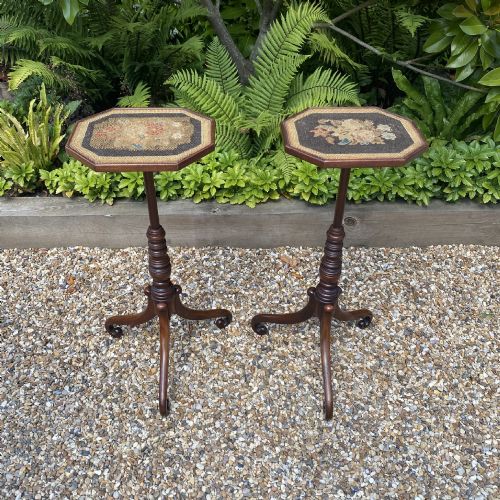
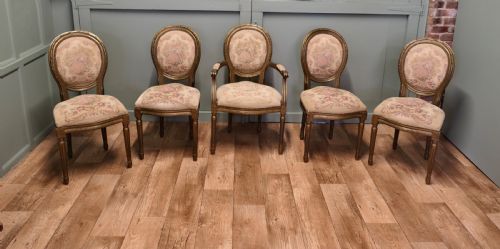
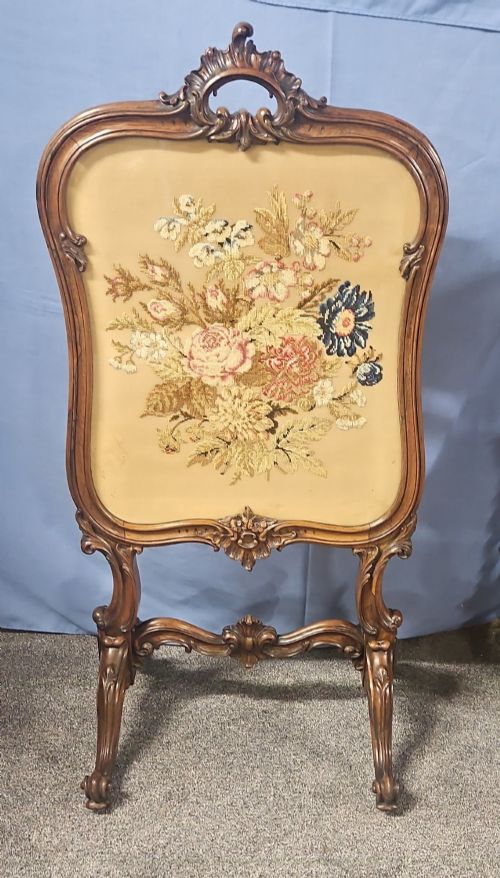
When you search for antique tapestry furniture, you encounter a varied group of items ranging from dining chairs with needlework seats to substantial giltwood fire screens and footstools. The pieces span the eighteenth, nineteenth, and early twentieth centuries, reflecting shifting domestic habits and interior tastes.
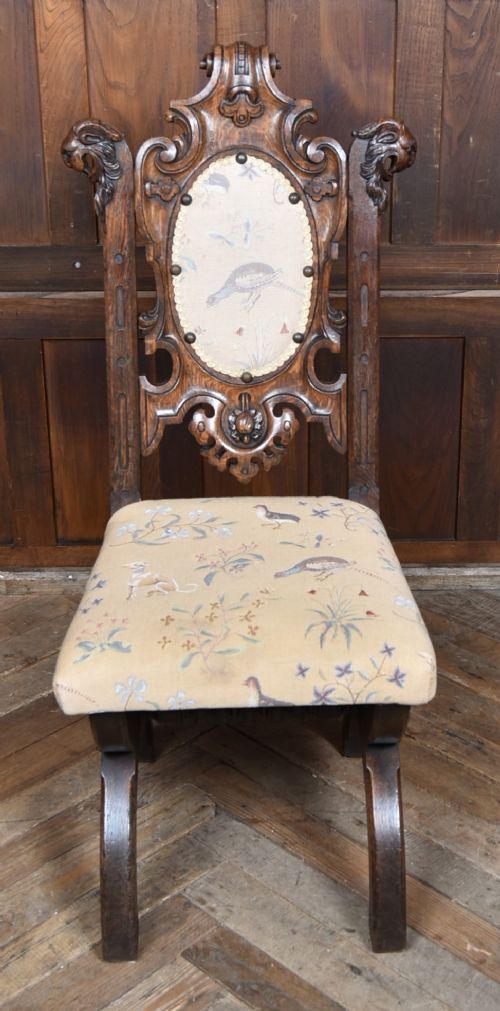
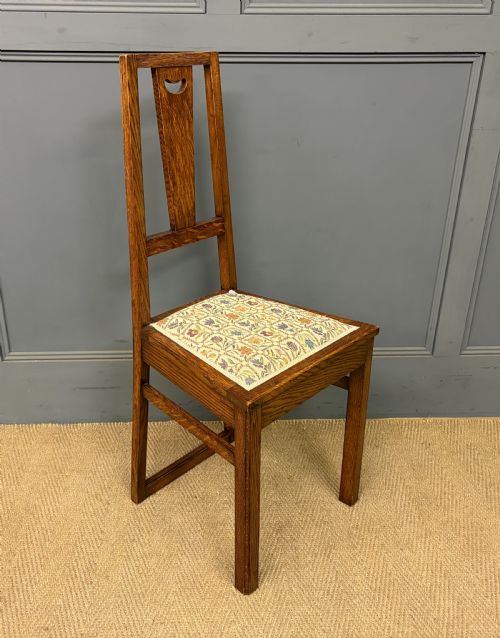
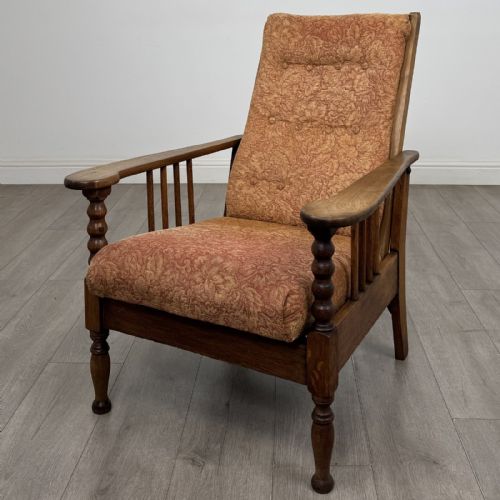
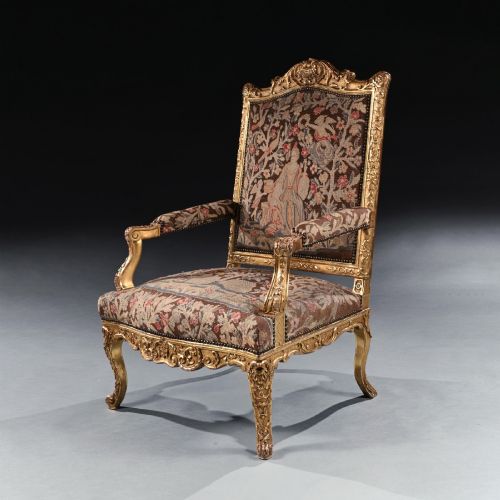
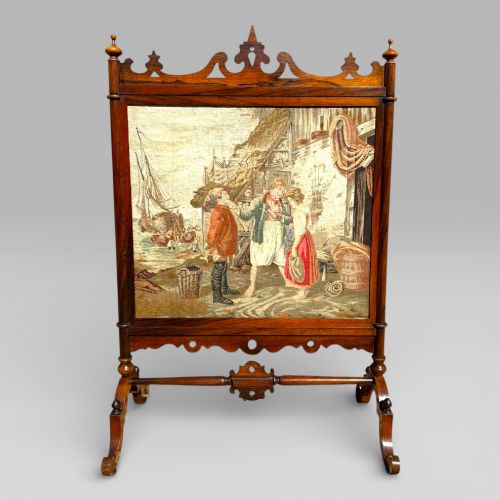
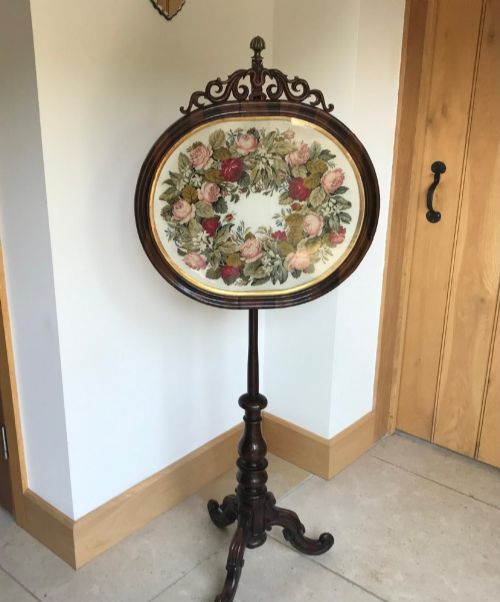
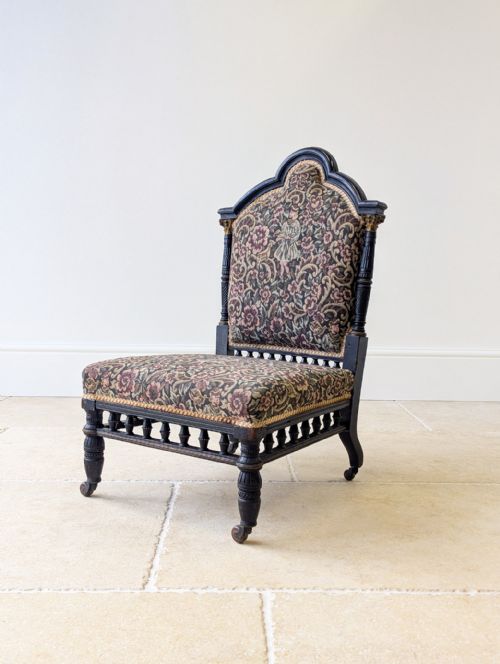
Victorian examples dominate this category, particularly rosewood and walnut salon chairs and pole screens fitted with needlepoint or embroidered panels. Earlier Georgian items also appear, alongside occasional Arts and Crafts oak frames and French revival seating.
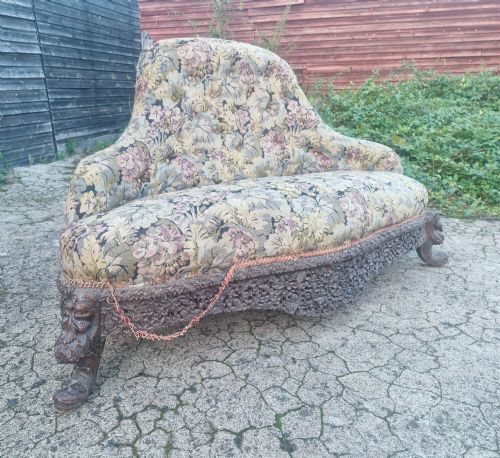
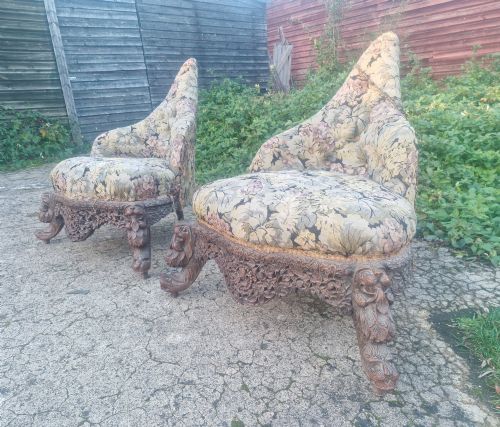
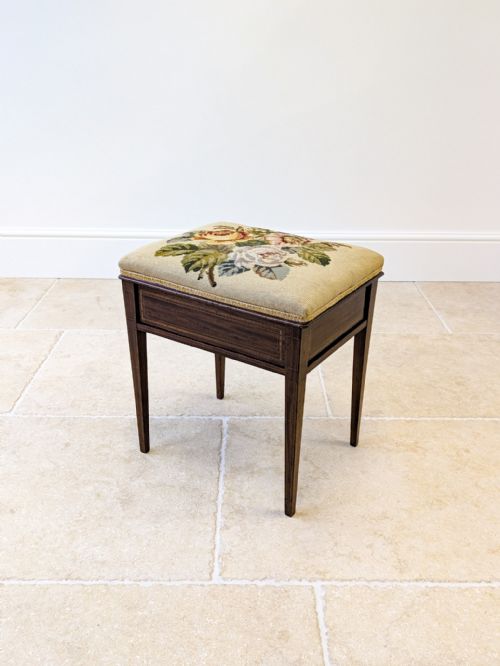
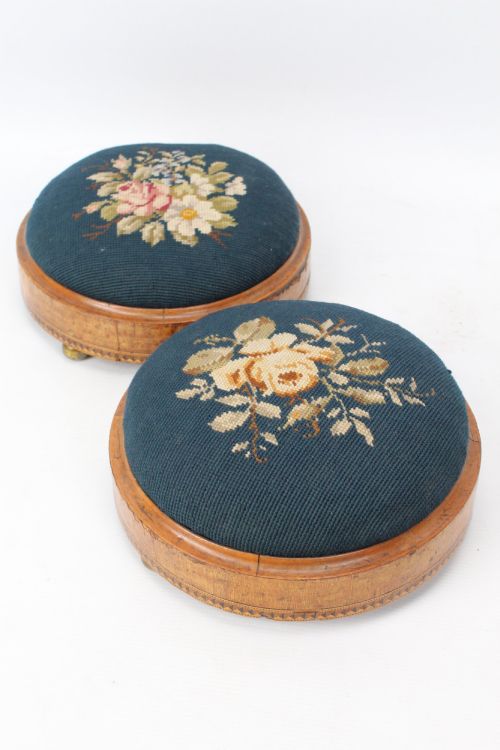
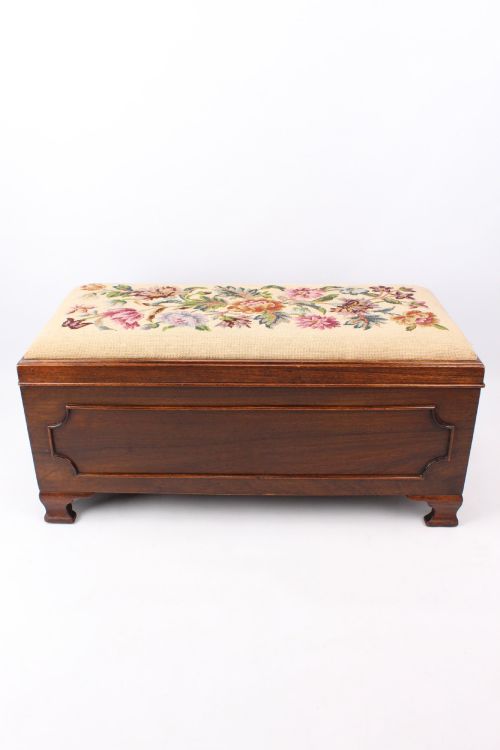
Forms include armchairs, window seats, ottomans, and occasional tables, each integrating textile work directly into the wooden structure. These survivors demonstrate how functional household objects served as displays of domestic needlework and fine carpentry.
Materials and construction methods
The timber frames rely on dense hardwoods such as mahogany, rosewood, walnut, and oak, shaped through carving, turning, and joinery. Gilding appears on decorative frames and fire screens, utilising brass and giltwood to create reflective surfaces.
Upholstery and panel inserts utilise wool, silk, and cotton threads worked in needlepoint, petit point, or standard tapestry weaves. These textiles are fixed directly to frames or mounted within protective wooden surrounds for screens and tables.
Antique Tapestry Furniture Retail Price Guide 2026
Typical asking prices for tapestry furniture among the pieces listed under this phrase on Sellingantiques today, from the lower quarter to the upper quarter. They describe what is for sale here now, not the wider market.
Listings feature items dated from the eighteenth century through to the 1930s, constructed in mahogany, walnut, rosewood, and giltwood.
Assessing quality and execution
Quality rests primarily on the crispness of the timber carving and the density of the joinery within the frame. Timbers selected for fine chairs and tables show deliberate grain patterns and solid structural integrity without undue secondary alterations.
The needlework itself dictates the visual standard of the piece, with finer thread counts, complex pictorial or geometric designs, and well-preserved colours separating superior examples from simpler utilitarian items.
Gillows·Hallett & Sons·Liberty & Co·White, Allom & Co·R Whytock of Edinburgh·Holland & Sons
The Antique Tapestry Furniture Glossary
- Pole screen
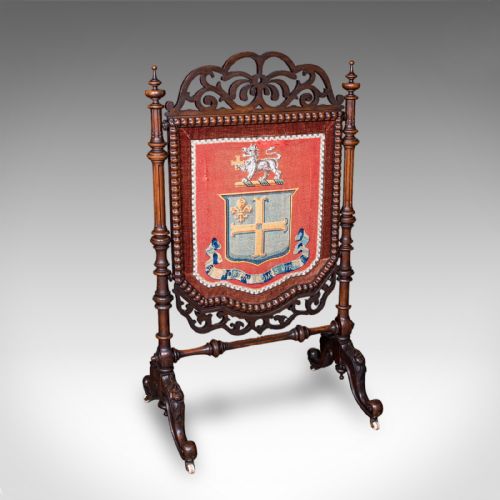
- A vertical tapestry or needlework panel mounted on a slender wooden stand with a tripod or weighted base, designed to shield a person's face from the heat of an open fire. They adjust in height along the central pole.
- Needlepoint
- Embroidery stitched onto a stiff open-weave canvas ground, covering the entire surface to form dense pictorial or floral patterns. It provides the durable decorative surface seen on many chair seats and fire screens.
- Giltwood
- Wood that has been coated with a thin layer of gold leaf over a prepared gesso ground. This finish appears frequently on elaborate nineteenth-century fire screens and salon armchairs.
- Prie-Dieu chair
- A low devotional chair featuring a high, narrow back often topped with a carved rail, designed for kneeling and private prayer. The upholstery typically incorporates religious motifs or floral needlework.
- Ottoman
- A low, upholstered seat or storage box without arms or a back, frequently mounted on short legs or castors. Nineteenth-century examples often feature hinged lids and needlework covers.
Antique Tapestry Furniture: Frequently Asked Questions
How do I clean antique tapestry?
Surface dust can be removed gently using a soft brush attachment on a low-suction vacuum, held away from the fabric with a mesh screen.
Avoid liquid cleaners and professional chemical washing unless handled by a textile conservator to prevent shrinkage or dye bleeding.
Were fire screens used for warmth?
Pole screens and standing screens protected people from the intense radiant heat of open coal or wood fires.
They allowed occupants to shield their faces and delicate cosmetics from melting or drying out while seated in the room.
How do I date a Victorian needlework chair?
Examine the secondary woods beneath the upholstery, the type of screws or nails used, and the joinery style hidden from view.
Cabinetmakers of the period often incorporated specific turnings and frame profiles that align with documented Victorian design books.
Can I use these chairs every day?
Solid mahogany and walnut frames easily withstand daily use provided the joints remain tight and stable.
Fragile or heavily worn needlework seats benefit from protective covers or careful placement to prevent further thread loss.