
Antique Taper Candlestick
An antique taper candlestick held the thin wax spill used for sealing letters and lighting lamps before matches arrived.
Antique Taper Candlestick
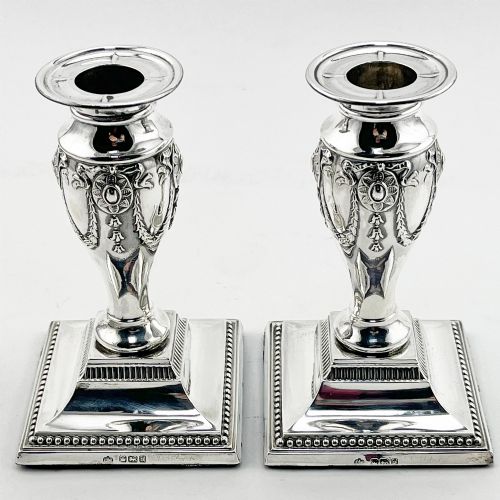
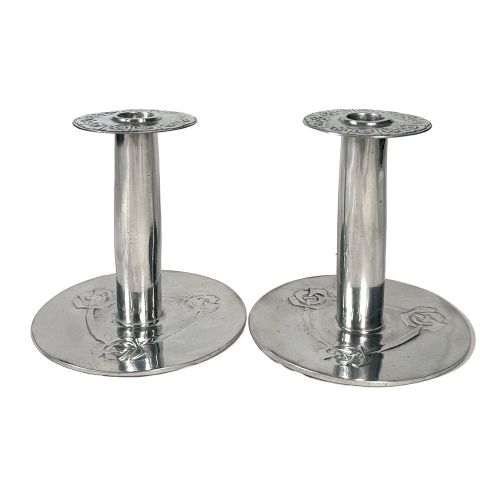
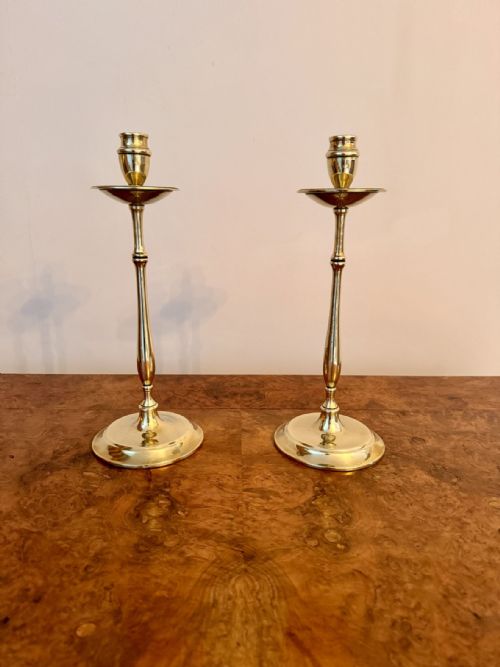
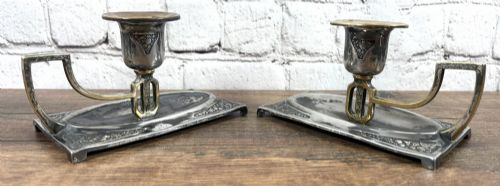
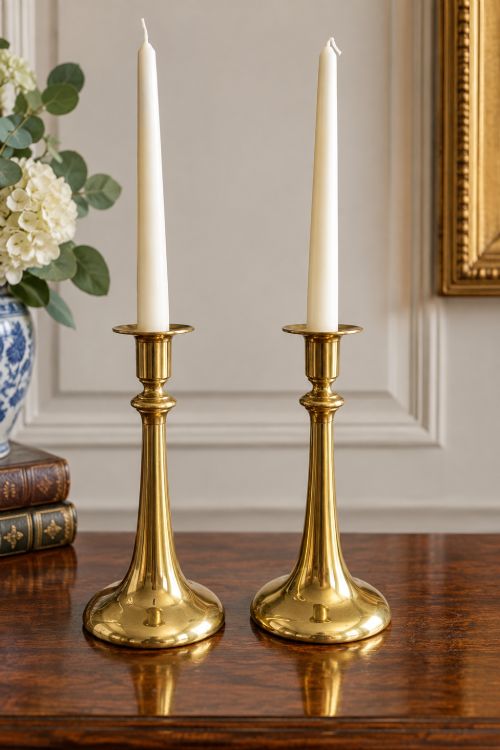
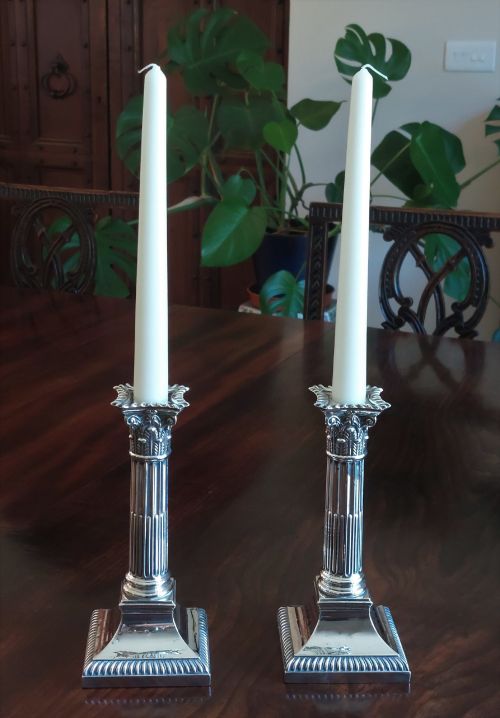
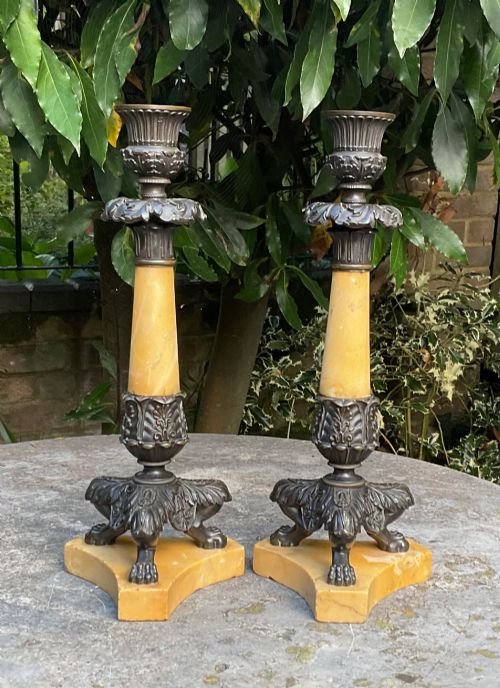
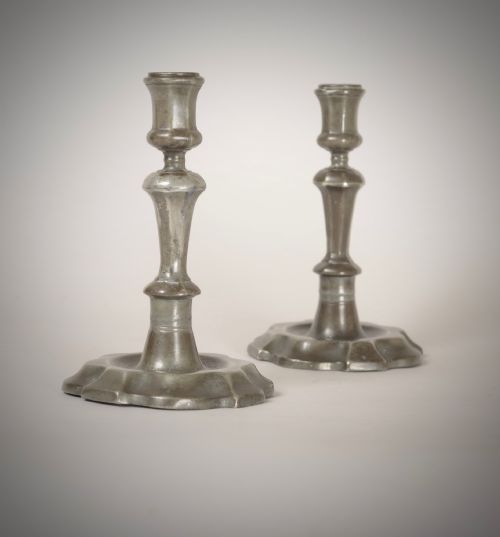
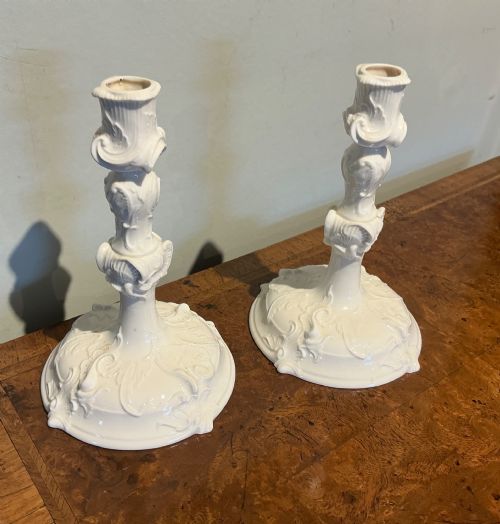
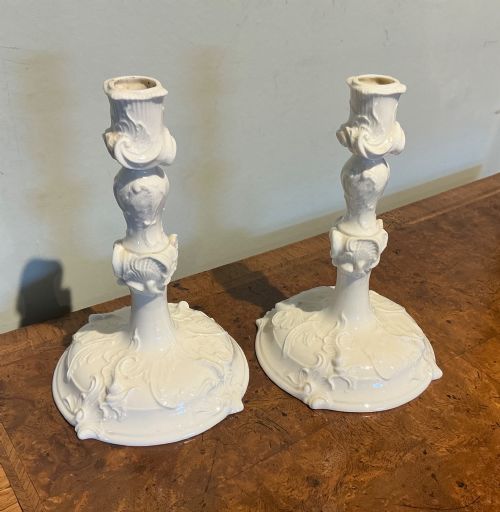
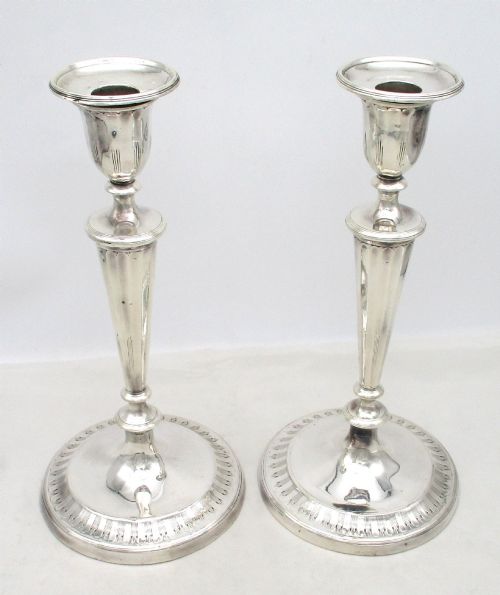
The antique taper candlestick is a smaller lighting form designed specifically to hold narrow wax spills rather than heavy household candles. These diminutive holders appear in brass, silver plate, sterling silver, treen, boxwood and porcelain across periods spanning the eighteenth, nineteenth and early twentieth centuries.
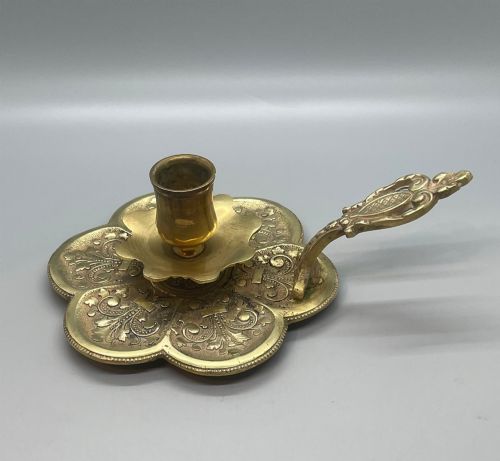
Brass examples from the Georgian and Victorian eras dominate the selection, often taking the form of ejector mechanisms, petal bases or simple columns. Collectors also encounter porcelain pieces from factories such as Worcester, alongside chambersticks fitted with small sockets for the taper.
The scale remains intimate, usually measuring just a few inches in height to sit comfortably on a desk or writing table. Many survive in pairs, though single specimens turn up regularly among metalware and treen.
Materials and construction
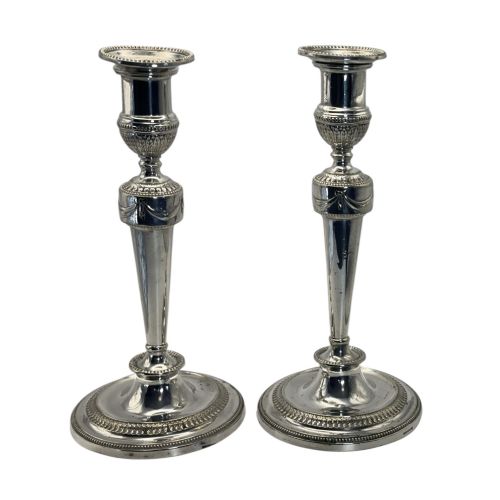
Metal specimens rely heavily on brass and silver, produced through casting, seaming and plating techniques that changed as industrial methods advanced. Early brass examples utilise seamed construction where sheet metal is rolled and joined, whilst later Victorian pieces often employ heavier cast brass or silver plating over base metal.
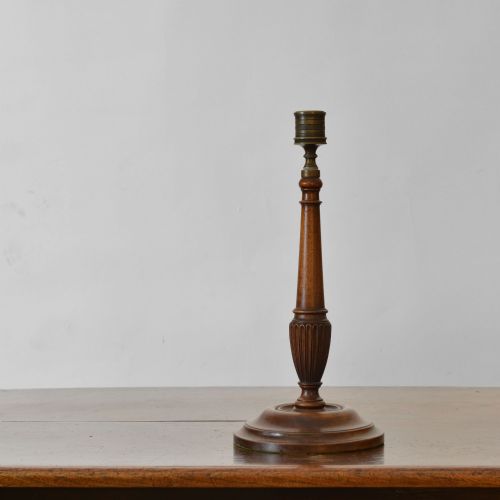
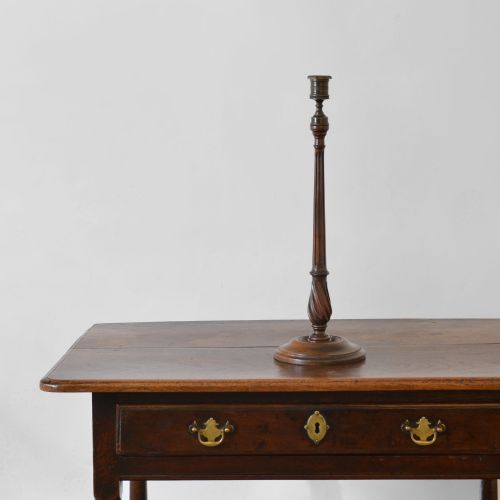
Pewter, bronze and various woods such as boxwood and applewood provide alternative tactile qualities for smaller desk accessories. Porcelain pieces draw on ceramic moulding and hand-painting traditions seen in English and continental factories of the Georgian and Regency periods.
Listings feature 18th century and 19th century periods alongside materials including brass, sterling silver, porcelain, bronze, and treen.
Judging the execution
The distinction between ordinary utility items and finer pieces lies in the crispness of the casting and the weight of the metal or wood. Crisp detailing on petal bases, clean turnings on treen work, and precise execution of neoclassical or Art Deco motifs separate better examples from mass-produced wares.
Proportion and balance dictate the visual success of the piece, particularly when miniature scale demands exactness. Superior preservation of original silver plating, unpolished brass surfaces with aged patination, and intact mechanical ejector components elevate a candlestick's standing.
Mappin & Webb·Nymphenburg·Masons Ironstone·Ridgway·Barr, Flight & Barr·WMF·John Lias
The Antique Taper Candlestick Glossary
- Taperstick
- A miniature candlestick designed to hold a thin wax taper used for lighting fires and sealing correspondence. These small items mirror the style of larger domestic candlesticks of the same period.
- Ejector candlestick
- A metal candlestick fitted with an internal push-rod mechanism to lift out the remaining wax stub. This clever invention appears frequently in eighteenth and nineteenth-century brassware.
- Chamberstick
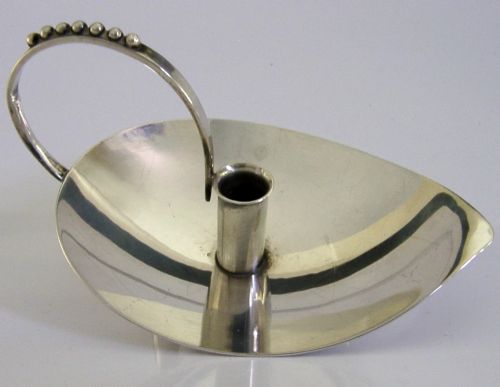
- A low candlestick featuring a wide drip pan and a loop handle, designed to be carried safely from room to room. Many incorporate a small socket specifically sized for a taper.
- Treen
- Small household objects made of wood, turned on a lathe or carved by hand. Examples include applewood and boxwood tapers sticks from earlier centuries.
- Old Sheffield plate
- An early form of composite metal produced by fusing a thin sheet of sterling silver to a thicker copper base. This technique predates modern electroplating.
Antique Taper Candlestick: Frequently Asked Questions
What is the difference between a taper candlestick and a regular candlestick?
A taper candlestick is built on a much smaller scale to hold thin wax spills rather than heavy lighting candles. They were kept on desks for lighting pipes or melting sealing wax.
Regular candlesticks required thicker bodies and wider bases to support tall household candles for illuminating rooms. Their sockets and overall dimensions are noticeably larger.
How were antique taper candlesticks used?
People used them in studies and offices to melt sealing wax on letters and documents before envelopes became common. They also provided a convenient flame to light oil lamps and candles around the home.
Because matches were not yet invented or reliable, a burning taper was kept ready on the desk throughout the day.
How do I date a brass taper candlestick?
Dating relies on base shapes, manufacturing marks, and construction techniques like seaming or casting. Georgian examples often feature weighted petal bases and simpler turned stems.
Victorian and later pieces introduce heavier casting, registration numbers, and mechanical ejector systems. Comparing the form to dated examples in metalware references helps narrow the decade.
Can I still use antique taper candlesticks today?
Many sturdy brass and silver examples remain entirely functional for holding appropriate taper candles. Care must be taken with delicate porcelain or wooden treen pieces to avoid heat damage.
Using modern thin beeswax spills allows collectors to enjoy these items as they were originally intended.