




Antique Tansu
These Japanese tansu pieces are traditional wooden storage chests and cabinets built for daily utility, offering remarkable craftsmanship and enduring design for modern interiors.
Antique Tansu
When you search for antique tansu, you encounter traditional Japanese mobile storage chests and cabinets designed for domestic utility rather than display. The pieces on this page span the nineteenth century through the early twentieth century, encompassing the Edo, Meiji, and Taisho periods.
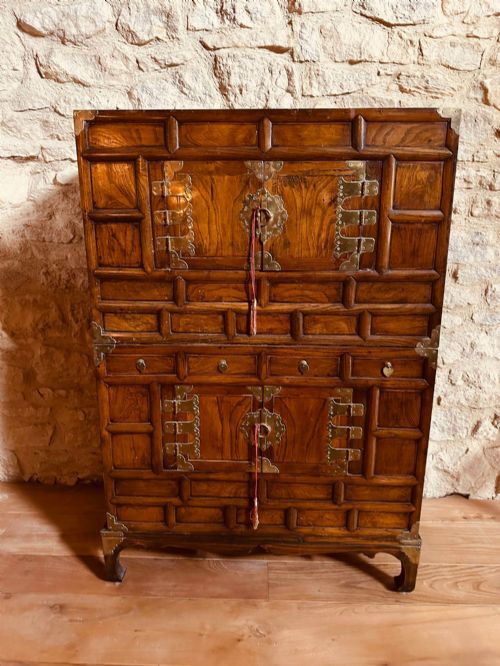
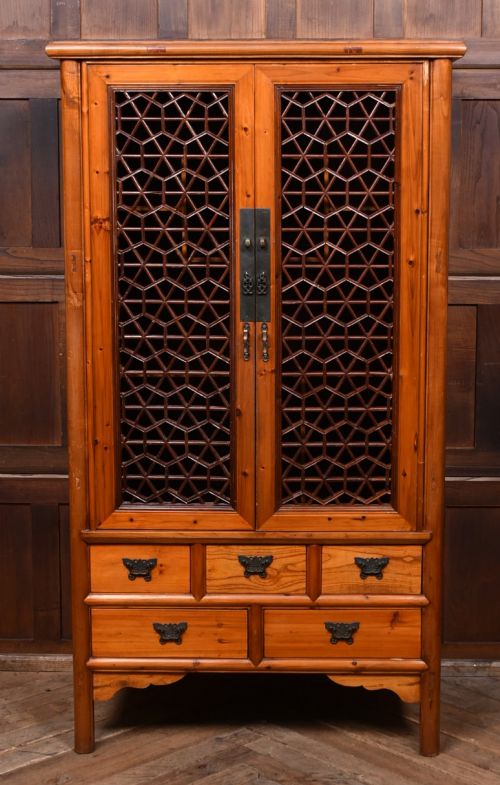
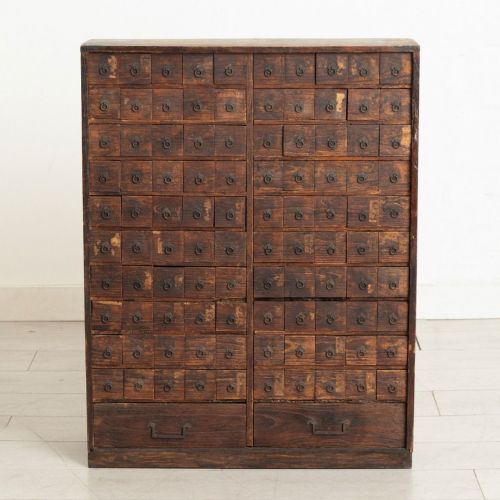
You are most likely to meet wooden tansu chest forms such as merchant chests, kitchen storage units, and apothecary cabinets. These items originate from various traditional Japanese contexts, utilising native timbers and robust iron hardware.
The category extends to specialised regional forms like wheeled vehicle chests, ship chests, and stair chests. Each type served a distinct domestic or commercial function within traditional Japanese households and businesses.
How they were made
These pieces are constructed from native timbers including cedar, pine, elm, cypress, and keyaki zelkova wood, often paired with lightweight kiri wood for internal drawers. Carpenters utilised precise joinery techniques to allow the timber to expand and contract with seasonal humidity changes without compromising the structure.
Iron fittings such as heavy strap hinges, corner brackets, and elaborate lock plates were forged by hand to reinforce the corners and secure the contents. Red lacquer finishes appear on specific examples, adding a protective and decorative coating to the exterior wooden surfaces.
Antique Tansu Retail Price Guide 2026
Typical asking prices for tansu among the pieces listed under this phrase on Sellingantiques today, from the lower quarter to the upper quarter. They describe what is for sale here now, not the wider market.
Listings feature nineteenth-century and early twentieth-century pieces spanning the Meiji, Taisho, and Edo periods.
What varies in quality
The grade of an antique tansu depends heavily on the selection of timber, with dense hardwoods like keyaki elm or zelkova commanding greater respect than softer pines. Carpenters who invested time in refined joinery and well-fitted sliding doors created pieces that endure better over centuries.
The quality and complexity of the iron hardware also set examples apart, from simple corner brackets to intricate, heavy locking plates with hand-chiseled details. Preservation of original surface patinas and intact finishes plays a significant role in the overall integrity of each piece.
The Antique Tansu Glossary
- Tansu
- Traditional Japanese mobile storage chests and cabinets built for domestic or commercial use. They formed an essential part of historic Japanese interior architecture.
- Keyaki
- Japanese zelkova wood, prized by cabinetmakers for its dense grain and durability. It frequently appears on the facades of high-status merchant chests.
- Mizuya
- Traditional Japanese kitchen tansu designed for storing food, utensils, and dining ware. These storage units often feature sliding lattice doors and multiple drawers.
- Kaidan-tansu
- Japanese step chest constructed in a staircase configuration to save floor space while providing dual access to upper levels and interior storage compartments.
- Zenibako
- Traditional Japanese wooden money box or safe utilised by merchants. These secure containers typically feature heavy iron hardware and coin slots.
Antique Tansu: Frequently Asked Questions
What is an antique tansu?
An antique tansu is a traditional Japanese wooden storage chest or cabinet built for domestic use, travel, or commercial trade.
These pieces range from merchant chests and apothecary drawer units to specialised kitchen cupboards and stair chests.
How were tansu chests used?
Historically, households and merchants utilised these cabinets to store clothing, books, valuables, food supplies, and daily utility items.
Because many designs were portable, people could move them quickly during household reorganisations or emergencies such as fires.
How do I live with a tansu?
You can integrate these wooden chests into modern interiors as statement coffee tables, sideboards, or bedside cabinets.
Their modular origins and practical drawer layouts make them exceptionally useful for storing contemporary household items while adding historic texture to a room.
How do I tell periods apart?
Dating relies on observing construction styles, timber choices, and ironwork details that correspond to historical eras like the Edo, Meiji, and Taisho periods.
Nineteenth-century examples often display heavier forged iron hardware and traditional regional joinery, while early twentieth-century pieces incorporate transitional industrial influences.