
Antique Tall Pedestal
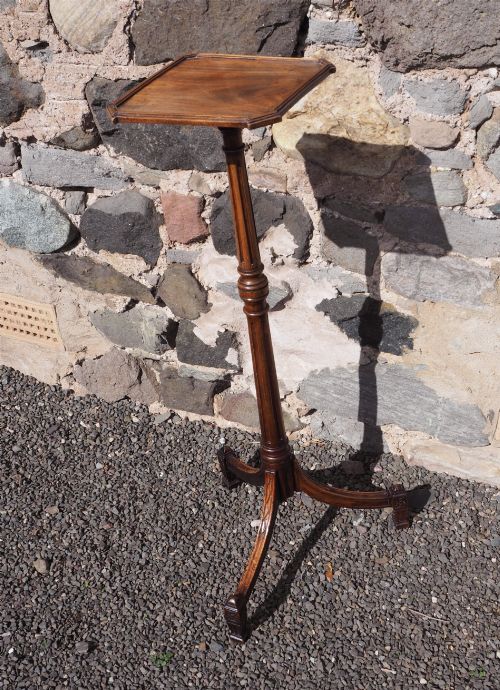
An antique tall pedestal elevates sculpture, flora or light, bringing vertical proportion to a room through centuries of timber and stone craftsmanship.
Antique Tall Pedestal
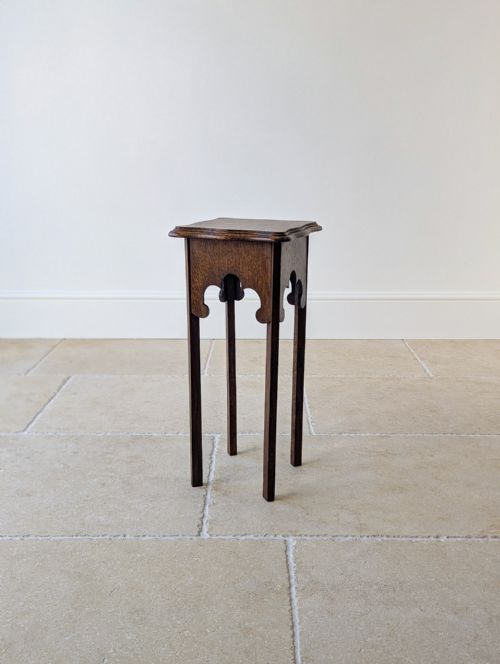
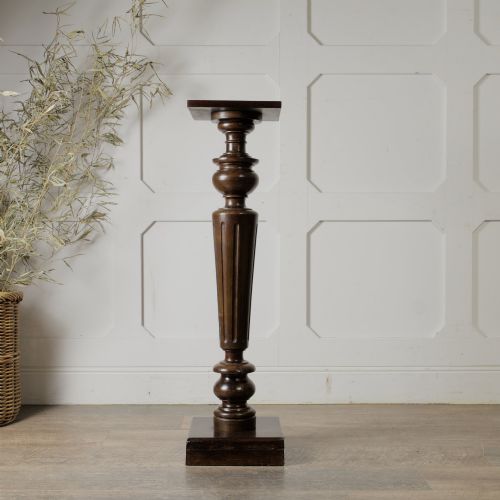
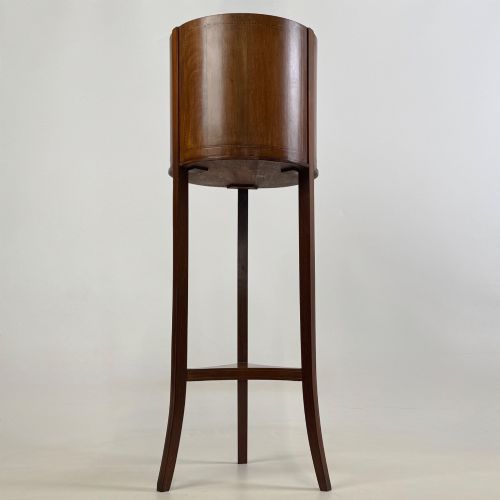
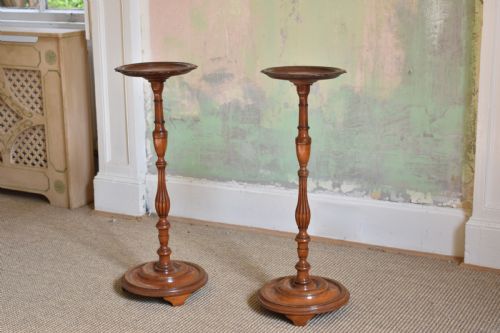
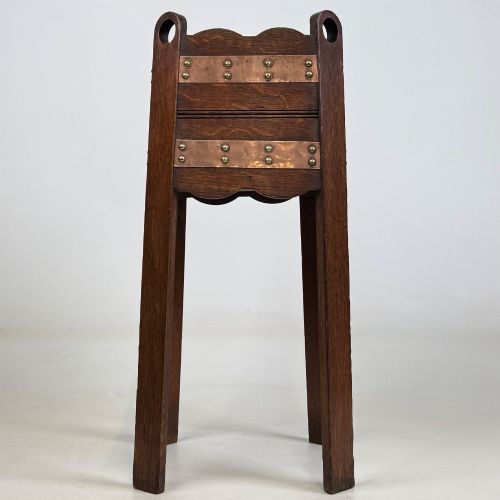
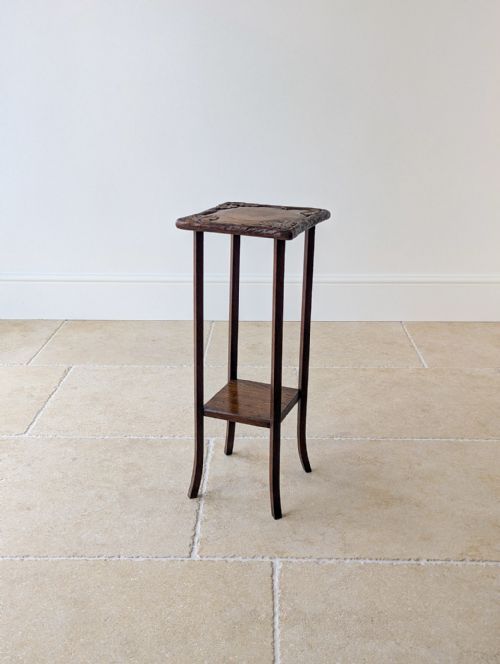
An antique tall pedestal encompasses columns, torcheres, plant stands and plinths designed to raise objects of interest above floor level. Buyers searching this phrase encounter forms ranging from slim Victorian mahogany columns to sturdy Edwardian oak plant stands and heavy marble-topped display pieces.
The selection on this page draws heavily from the nineteenth century, Edwardian era and Georgian periods, showcasing regional variations like French carved oak and Dutch walnut. Functionally, these pieces served as torcheres for lighting, display columns for sculpture, or jardiniere stands for indoor flora.
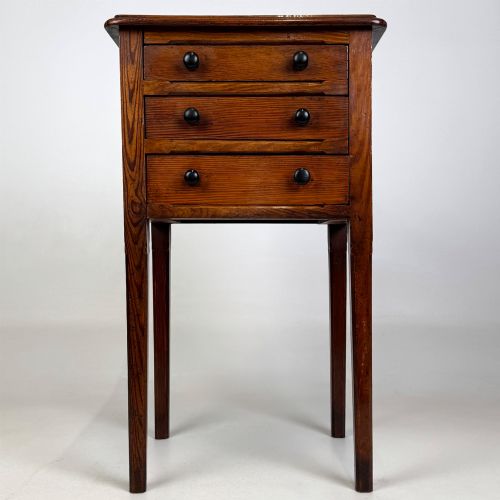
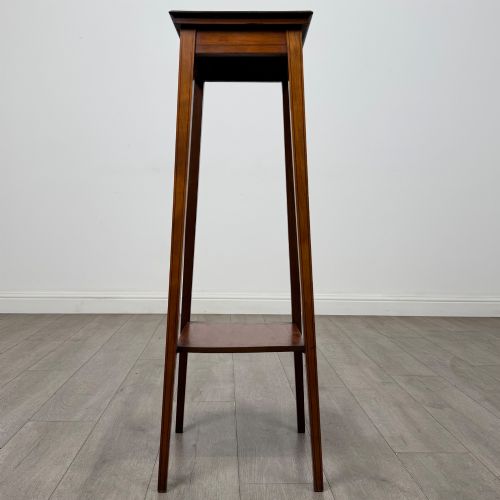
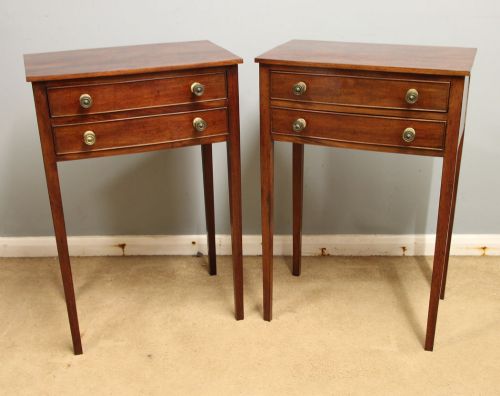
Forms overlap frequently with side tables and bedside cabinets, yet the defining trait remains height and a narrow footprint. Whether plain turned solid mahogany or ebonised and decoratively painted, each piece brings architectural presence to corners and hallways.
Materials and construction methods
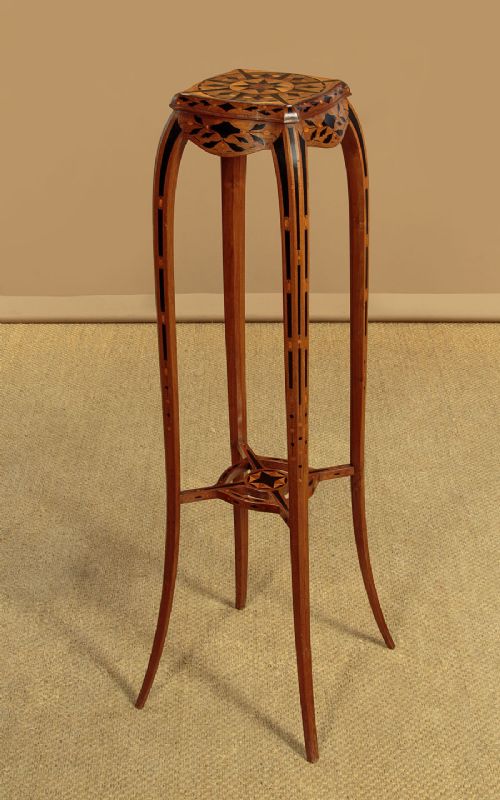
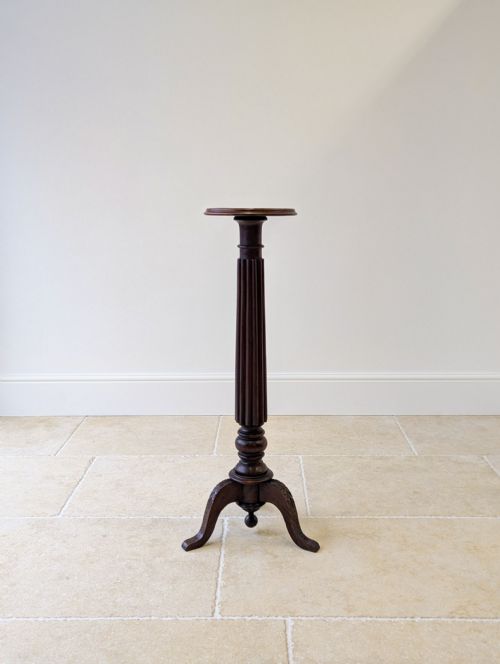
Cabinetmakers utilised dense timbers such as mahogany, walnut, oak and satinwood, often turning solid stock on lathes or carving intricate fluting by hand. Marquetry inlay, ebonising and applied brass mounts further decorated the surfaces of finer examples.
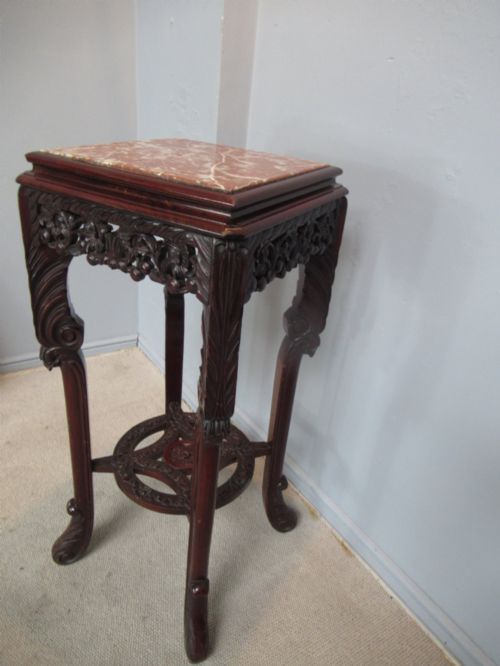
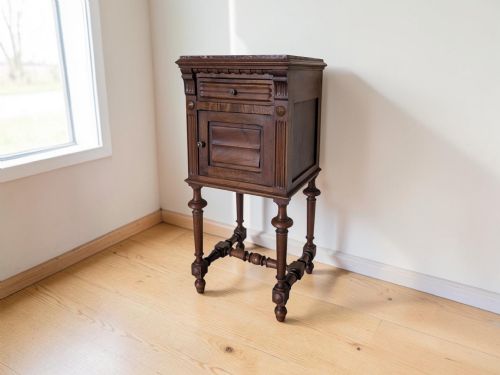
Insets of white, red or honey-coloured marble provided stable, heat-resistant tops for plants and lamps, resting securely within wooden frames. Structural integrity relied on pegged mortise and tenon joints or solid turned pillars secured to weighted circular or square bases.
A sturdy torchere in original green paint once held tallow candles while painting smell lingered in the parlour.
Assessing build and material quality
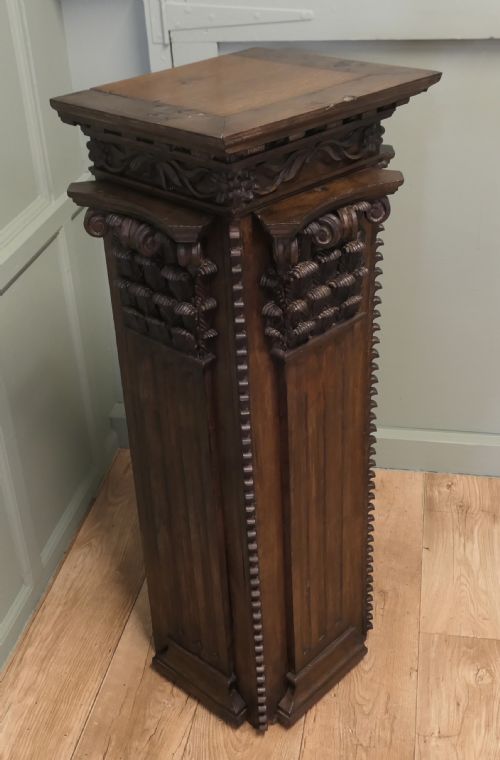
Quality rests upon the choice of timber and the precision of the joinery, distinguishing heavy solid hardwoods from lighter veneered construction. Superior examples exhibit crisp, deep hand-carving rather than soft, moulded resin or shallow machine tooling.
Stability dictates practical worth, meaning heavier bases and straight, true columns command greater regard than warped or wobbling shafts. Original surfaces, whether polished mahogany grain or intact green paint, hold higher esteem than stripped and heavily refinished timber.
Druce & Co London·Shoolbred·Liberty of London
The Antique Tall Pedestal Glossary
- Torchere
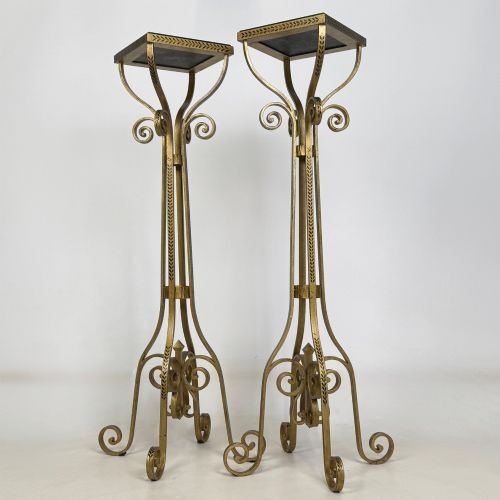
- A tall stand designed originally to hold a candle or oil lamp. These slender columns now frequently support vases or floral arrangements.
- Jardiniere
- A decorative pot or stand for holding plants and flowers. Pieces built for this purpose often feature waterproof liners or durable marble inserts.
- Plinth
- The heavy base supporting a column, statue or pedestal. In standard usage, it also refers to the entire square-based column structure.
- Ebonised
- Timber treated with a dark finish to imitate expensive ebony. This technique gained significant popularity during the Victorian period for decorative items.
- Inlay
- Contrasting woods, brass or mother-of-pearl set flush into the surface of a primary timber to form geometric or floral patterns.
Antique Tall Pedestal: Frequently Asked Questions
What were antique tall pedestals used for?
These tall stands historically held candles, oil lamps or decorative bronze figures to illuminate dark corners of reception rooms. Victorians and Edwardians also used them extensively as plant stands and jardiniere holders to bring greenery indoors.
Today, they serve similar decorative purposes in residential interiors, providing a stable platform to display art, ceramics or modern lighting at eye level.
How do I identify a Victorian pedestal?
Victorian examples frequently utilise dark, heavy mahogany or walnut, often featuring rich turnings, carved acanthus leaves or fluted columns. The weight of the timber and the depth of the hand-carving typically indicate mid to late nineteenth-century manufacture.
Earlier Georgian precursors tend to have cleaner classical lines, while later Edwardian versions introduce lighter satinwood, inlaid details and Arts and Crafts simplicity.
Can these stands support heavy items?
Solid hardwood and marble-topped columns offer exceptional load-bearing strength and remain stable under heavy bronze sculptures or large ceramic planters. Lighter Edwardian or satinwood pieces suit more delicate table lamps and smaller floral arrangements.
Checking the width of the base relative to the height helps determine physical stability before placing heavy or valuable objects on top.
How do I clean marble top stands?
Marble surfaces require gentle cleaning with a soft cloth and warm water, avoiding acidic household cleaners that etch the polished stone. Wiping spills immediately protects the porous surface from permanent staining.
Wooden shafts benefit from occasional application of quality beeswax to nourish the antique grain without building up sticky residue.