

Antique Tall Dressing Mirror
An antique tall dressing mirror brings vertical presence and historical scale to a room, offering a full-length reflection framed in period craftsmanship.
Antique Tall Dressing Mirror
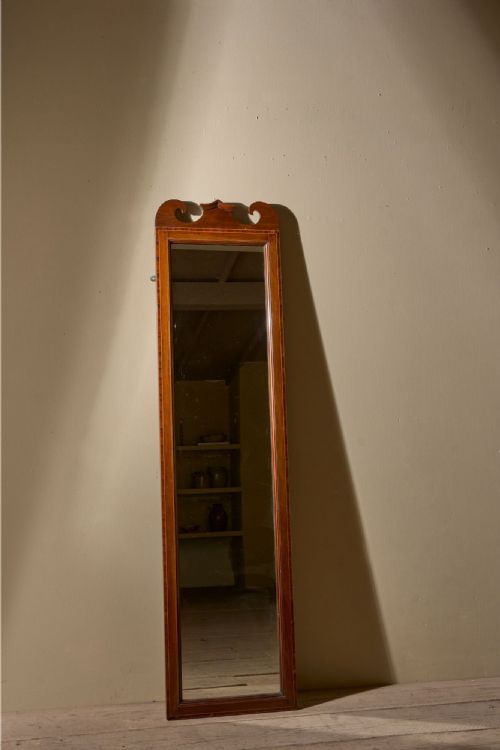
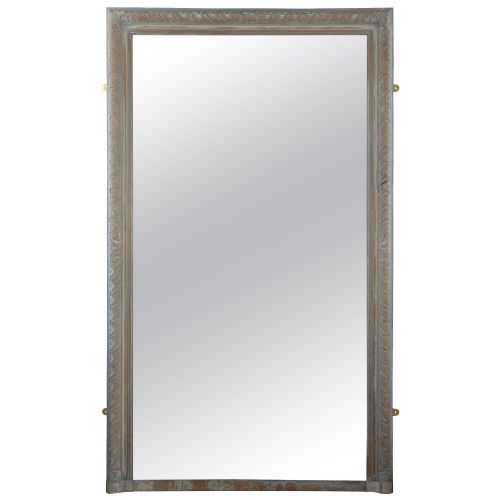
When searching for an antique tall dressing mirror, buyers encounter a variety of substantial vertical glass forms designed for personal reflection and spatial enhancement. These objects span several distinct types, including free-standing swivel frames, wall-mounted pier glasses, and tall floor-standing leaner mirrors.
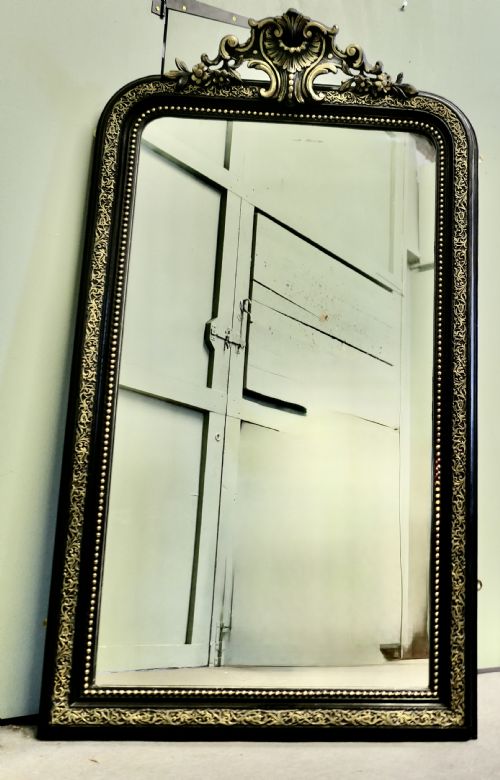
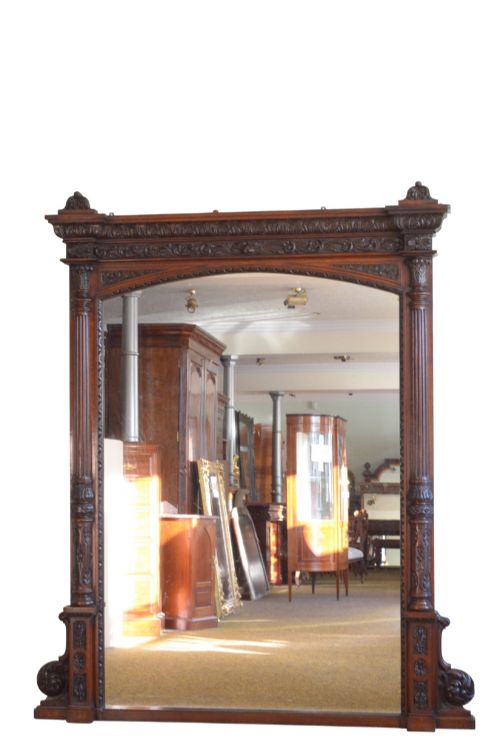
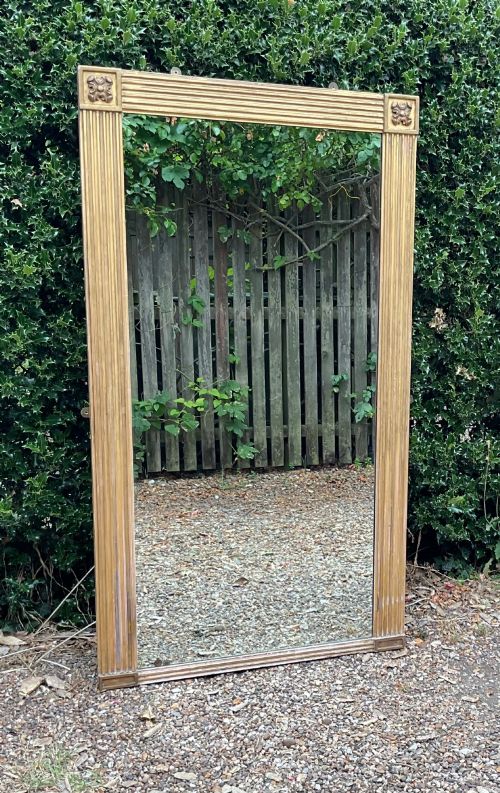
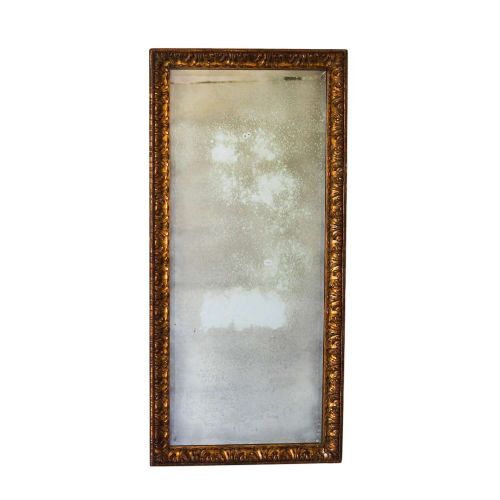
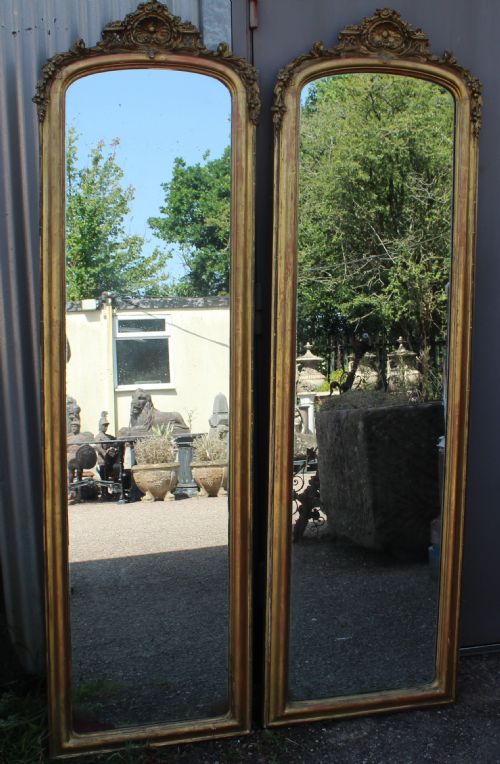
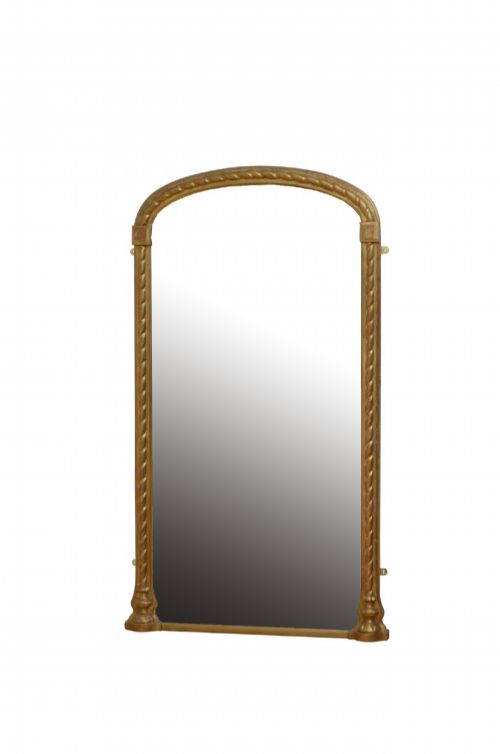
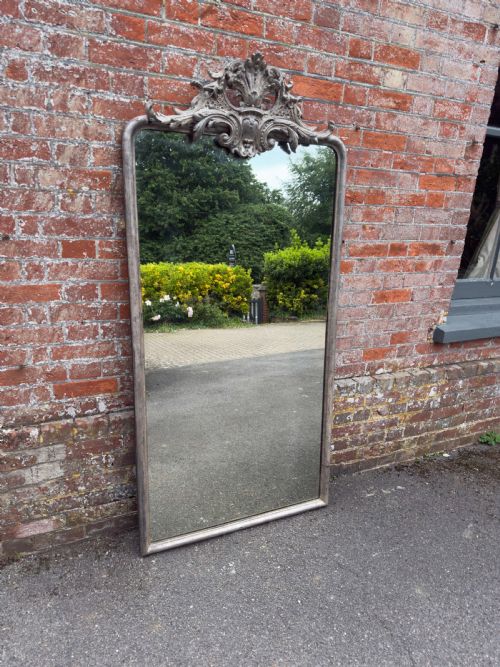
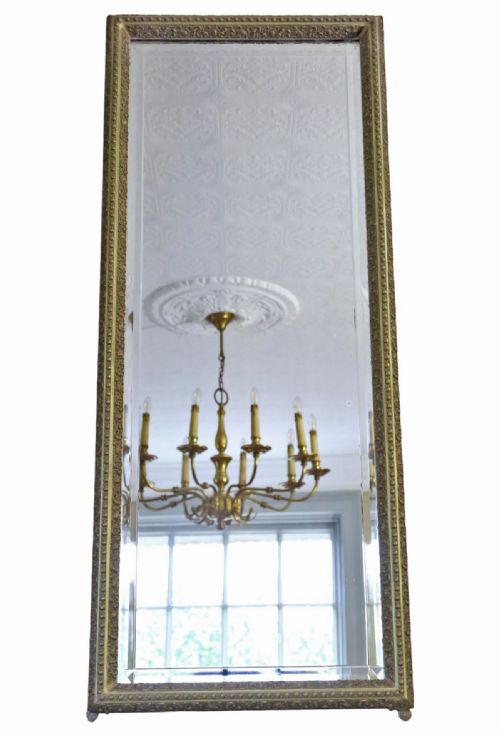
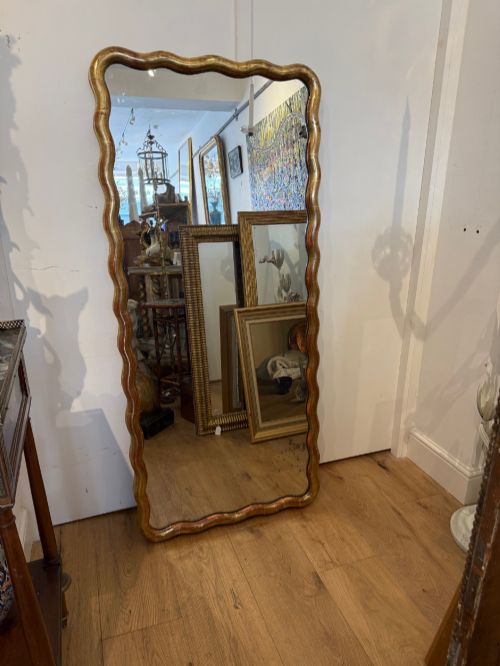
The pieces on this page are dominated by nineteenth-century examples, alongside select pieces from the Edwardian and Art Deco periods. Mahogany, oak, walnut, and pine provide the primary wooden structures, while carved gesso and giltwood appear frequently across French and English designs.
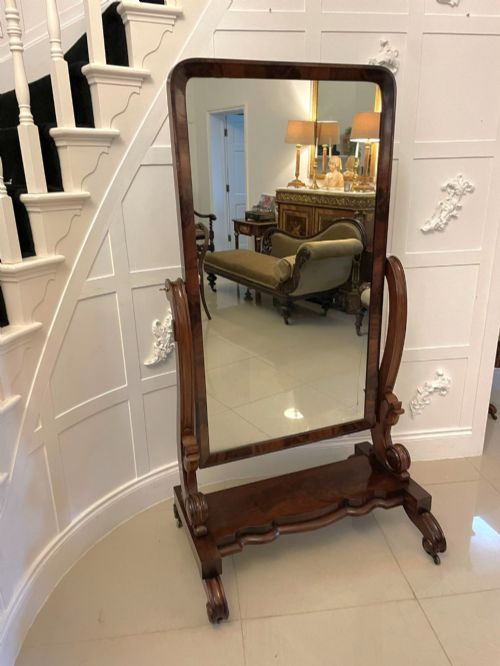
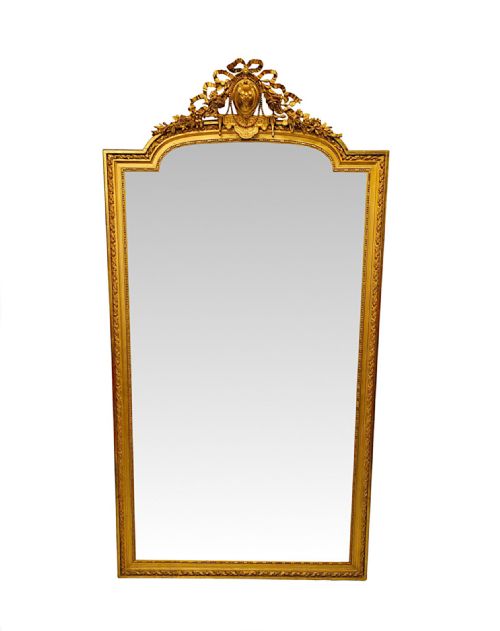
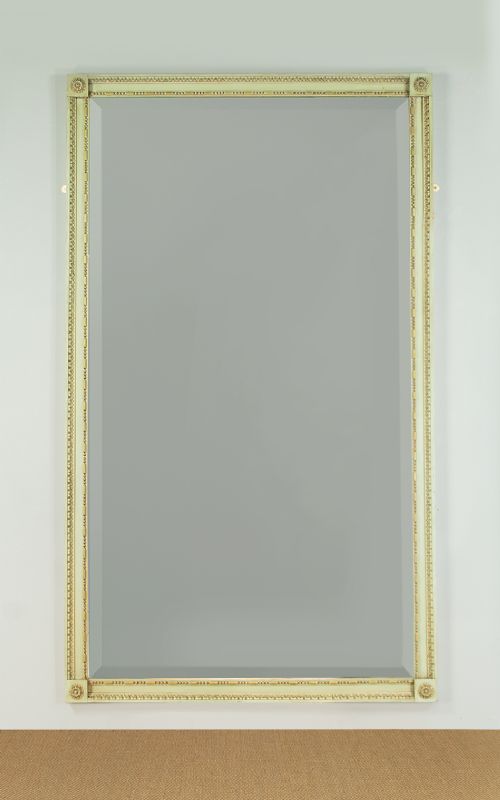
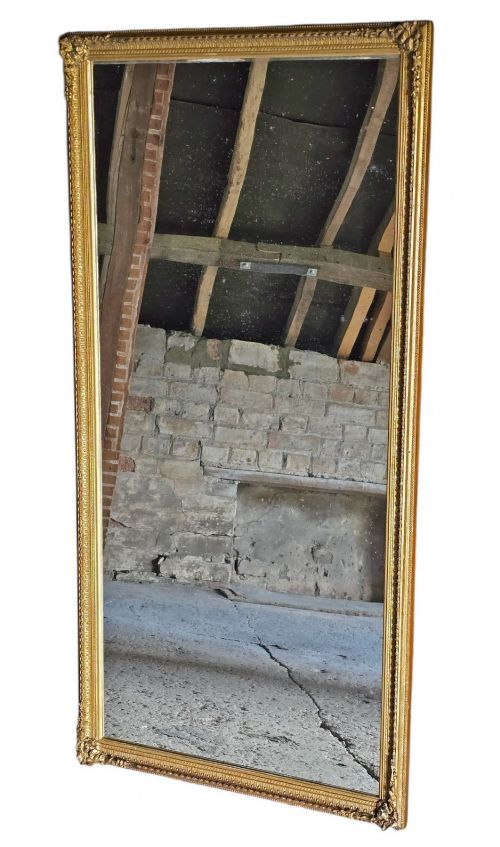
Cheval mirrors and narrow pier glasses form the core of the selection, reflecting domestic interiors, grand halls, and commercial outfitters. Buyers meet everything from austere mahogany frames with sabre legs to ornate, arched giltwood creations bearing elaborate carved details.
How They Were Made
Frames rely heavily on traditional timber construction, utilising solid mahogany, walnut, oak, and pine shaped by hand. Joinery techniques such as mortise and tenon secure the upright supports, particularly in heavy cheval mirrors that require stable weight distribution.
Giltwood and gesso surfaces receive intricate decorative carving before the application of gold leaf or paint finishes. Artisans built up relief ornamentation on wood bases using plaster compositions, allowing for deep mouldings and elaborate crests.
Glass plates of the period frequently feature bevelled edges and were set securely into rabbeted frames. Backboards of solid timber protect the silvered glass plates, often retained with original fixings.
Several mirrors spent their early mornings assisting gentlemen with stiff collars in Victorian outfitters before finding a quieter life indoors.
What Varies in Quality
Quality rests upon the depth and crispness of the carving, distinguishing machine-tooled uniformity from hand-chiselled relief work on gesso and wood. Superior frames exhibit sharp definition in floral and architectural motifs without the blurring found in secondary casts.
The integrity of the timber framing and the proportion of the vertical glass dictate structural success. Master cabinetmakers balanced substantial height with stable base architecture, ensuring that tall frames stood true without undue warping.
Preservation of original surfaces, including undisturbed gilding, authentic paint layers, and period bevelled glass, marks the upper tier of surviving examples. Secondary alterations or stripped finishes reduce historical coherence.
The Antique Tall Dressing Mirror Glossary
- Cheval mirror
- A large, free-standing dressing mirror suspended on a vertical frame with pivots that allow the glass to swing. This form became popular during the Regency and Victorian periods for full-length viewing in bedrooms and dressing rooms.
- Pier glass
- A tall mirror designed to hang on the wall between windows, often placed above a console table or pier table. These mirrors visually expand room dimensions by reflecting natural light.
- Gesso
- A plaster-like mixture applied to wood frames as a base for gilding or painting. Artisans carved and moulded this material to create intricate relief decoration before applying gold leaf.
- Sabots
- Metal mounts fitted to the feet of furniture legs, commonly executed in brass on nineteenth-century pieces. They protect the timber base and often incorporate castors for mobility.
- Bevelled glass
- A glass plate with an angled, polished edge created by grinding the perimeter. This traditional technique produces a decorative prismatic effect around the border of the reflection.
Antique Tall Dressing Mirror: Frequently Asked Questions
Where were these mirrors used?
These tall mirrors served primarily in domestic bedrooms, dressing rooms, and grand hallways where occupants checked their attire from head to toe.
Commercial establishments such as gentlemen's outfitters and haberdashery shops also utilised large floor-standing and cheval mirrors for customer fittings.
How do I secure a heavy floor mirror?
Large nineteenth-century frames possess considerable weight and require secure wall anchoring if placed as leaner mirrors to prevent tipping.
Free-standing cheval mirrors rely on wide, stable bases and adjusted pivot screws to maintain balance without additional fastenings.
Are the glass plates original?
Many surviving pieces retain their original glass, which can exhibit light oxidation, tiny foxing spots, or subtle distortions characteristic of older manufacturing methods.
Replacement glass occurs in pieces that saw heavy use, though period-appropriate bevelled glass preserves the historical character of the frame.
How do I tell Victorian from Regency mirrors?
Regency examples often feature architectural restraint, classical motifs, and specific leg forms such as sabre supports with brass sabots.
Victorian pieces frequently display heavier proportions, darker woods like walnut and mahogany, and increasingly ornate carved crests as the century progressed.