


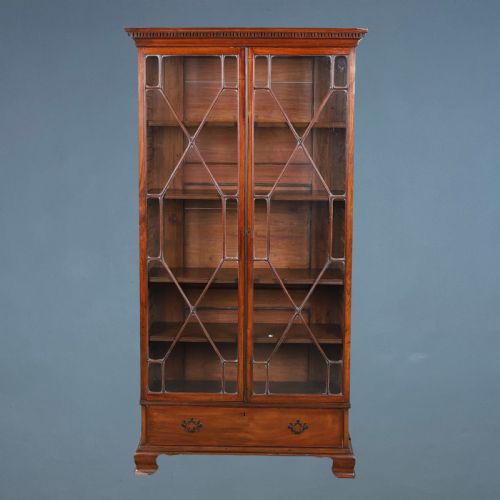
Antique Tall Bookcase Cabinet
An antique tall bookcase cabinet provides substantial vertical storage for volumes and display, combining architectural timber proportions with functional shelving.
Antique Tall Bookcase Cabinet
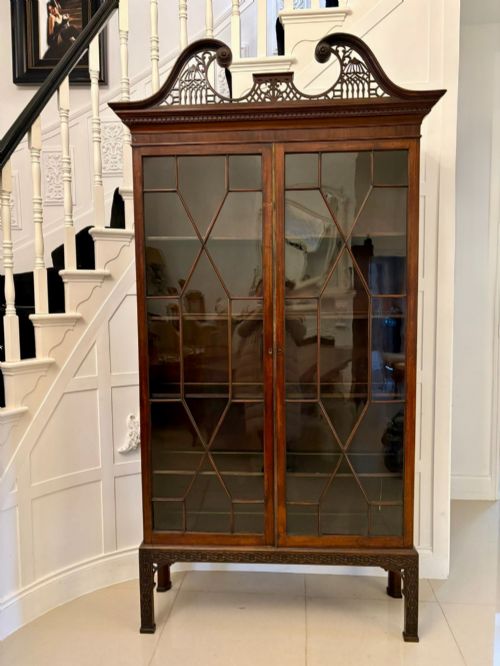
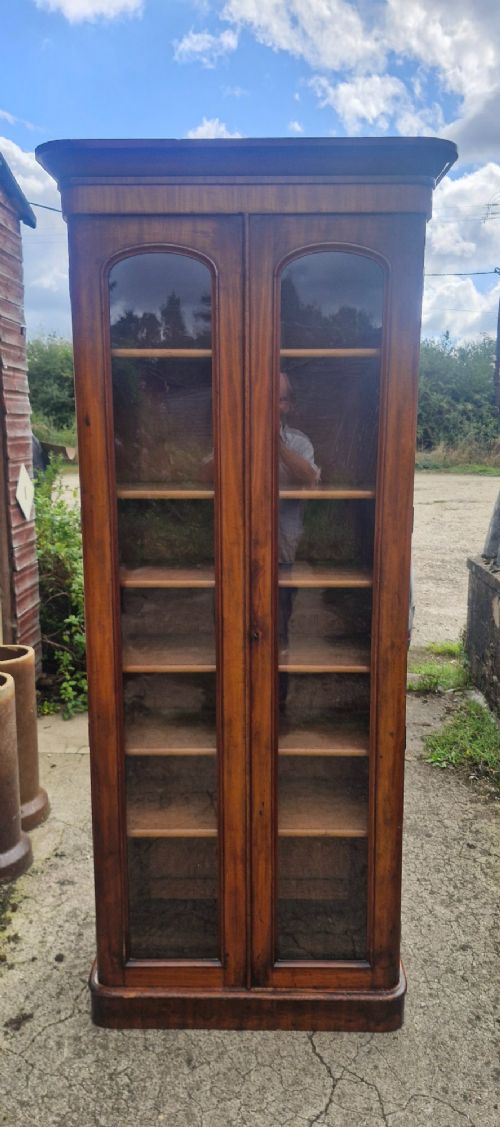
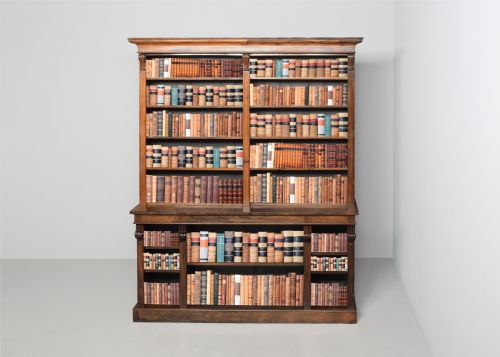
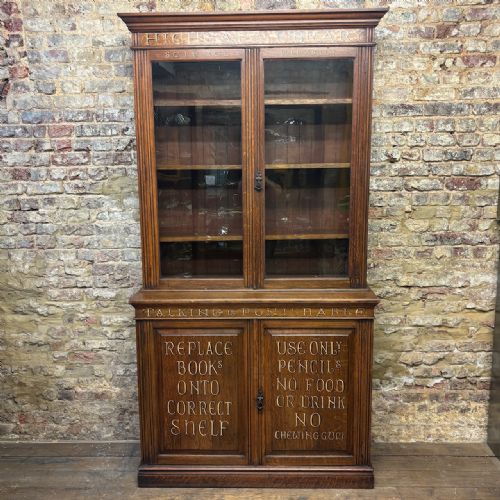
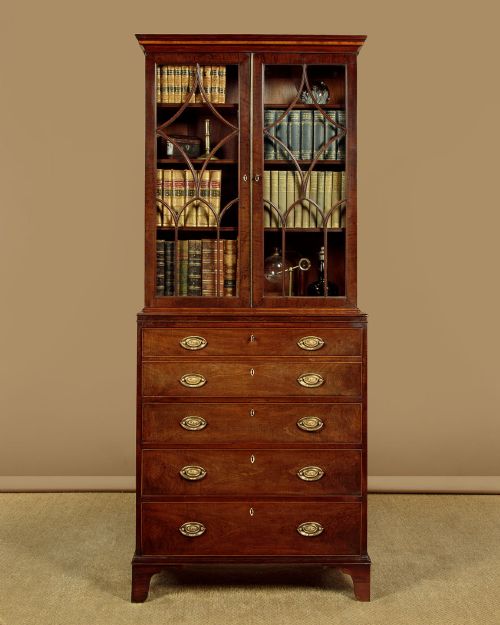
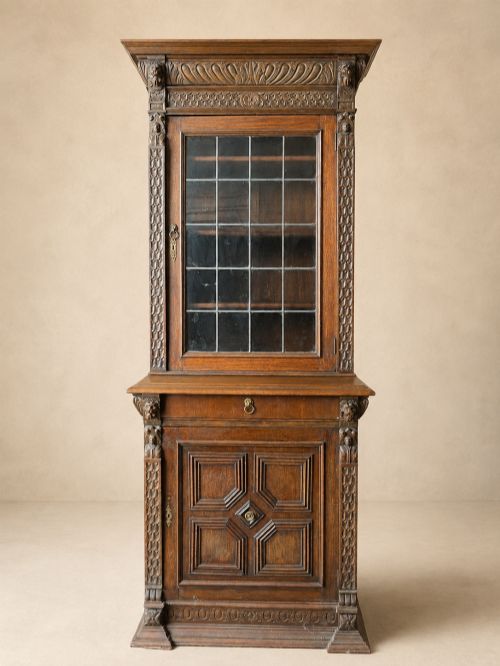
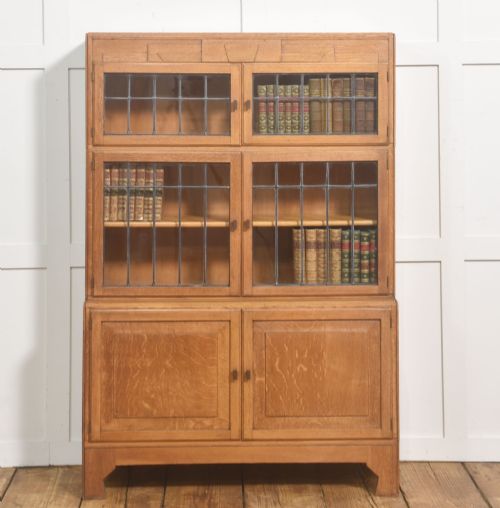
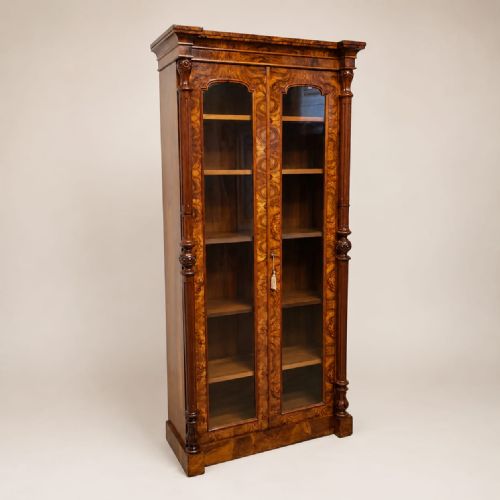
An antique tall bookcase cabinet serves as a grand architectural piece designed for housing extensive libraries and displaying curated objects across vertical formats. When exploring options for an antique tall bookcase cabinet, buyers frequently encounter substantial mahogany and oak constructions from the Victorian, Edwardian, and eighteenth-century periods.
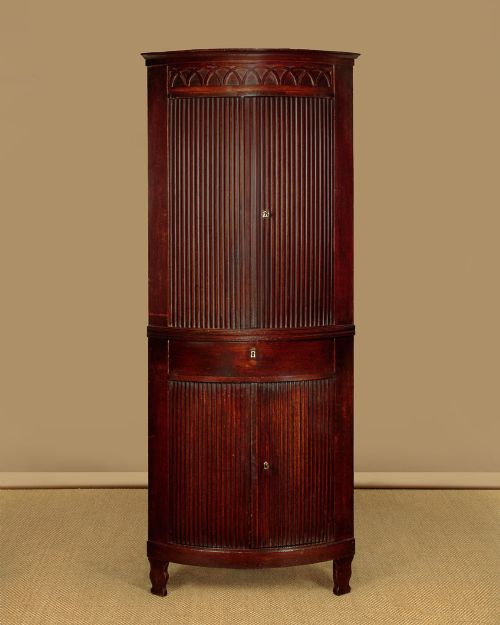
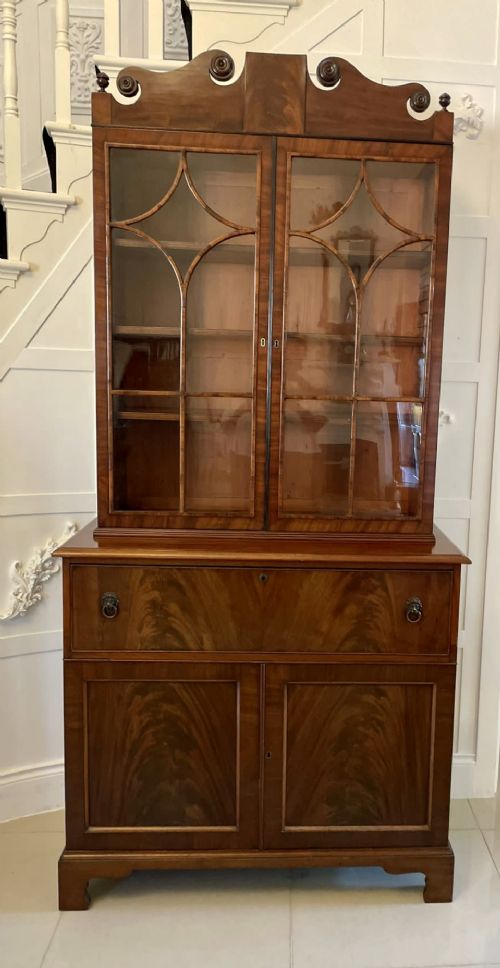
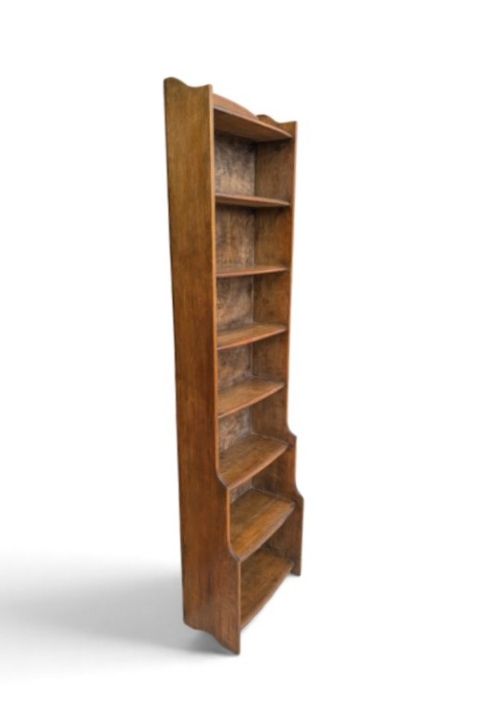
The selections span from double-height glazed display units and secretaire bookcase forms to open library shelves and narrow corner cupboards. These items originate from English workshops, continental makers, and regional schools, reflecting diverse domestic and institutional needs.
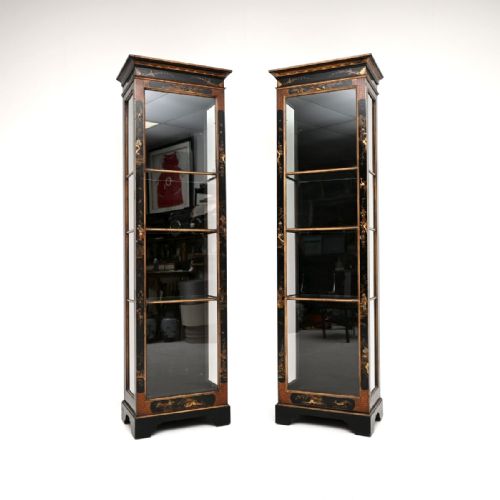
Tall formats utilise vertical wall space effectively while offering secure lower storage behind wooden panelled doors or drop-front writing desks. The integration of glazed upper sections protects delicate editions from dust while maintaining visible organisation within a room.
How They Were Made
Cabinet makers constructed these pieces primarily using solid hardwoods such as mahogany, oak, and walnut, frequently applying figured veneers like burr walnut or flame mahogany to primary surfaces. Secondary timbers like pine appear within internal shelving and drawer carcases, whilst brass hardware secures doors and supports adjustable shelf mechanisms.
Glazing relies on timber framing arranged in astral, leaded, or simple rectangular panes to house sheet glass securely. Carved ornamentation, inlaid stringing, and painted finishes are applied to structural frameworks using traditional joinery techniques suited to large case furniture.
The listings span the eighteenth, nineteenth, and early twentieth centuries, featuring oak, mahogany, walnut, and pine across styles from Georgian to Art Deco.
What Varies in Quality
The standard of a piece depends heavily on the selection of timber figures, the precision of dovetail joinery in the drawers, and the integrity of the original glass panes. Superior examples demonstrate harmonious proportions across tall elevations, balanced grain matching on veneered doors, and finely executed hand-carved mouldings.
Interior refinements such as original brass rack-and-pinion shelf supports, polished oak linings, and functional locking mechanisms with matching keys distinguish workshop standards. Lesser examples utilise simpler pine carcases with minimal decorative detailing and later replacement glass or hardware.
Thomas Chippendale
The Antique Tall Bookcase Cabinet Glossary
- Astral glazing
- A method of dividing glass panes within a door using thin timber bars arranged in geometric patterns. This technique provides structural support while framing the contents visibly.
- Secretaire bookcase
- A hybrid form incorporating a fitted writing drawer with a drop-front desk surface positioned beneath upper bookshelves. It combines a compact bureau workspace with a tall display unit.
- Flame mahogany
- A veneer cut from timber where the branch meets the trunk, producing a rippling, flame-like grain pattern. Cabinet makers utilised this timber on prominent doors and drawer fronts for visual impact.
- Adjustable shelves
- A system using wooden ratchets, metal pins, or sliding racks that allows shelf heights to be altered. This innovation accommodated books of varying heights within institutional and domestic libraries.
- Open bookcase
- A tall shelving unit lacking doors or glazed fronts, designed for easy access to working volumes. These pieces rely on finished interior timber and decorative cornices for visual presence.
Antique Tall Bookcase Cabinet: Frequently Asked Questions
How do I secure a tall bookcase?
Tall furniture pieces benefit from wall attachment brackets fixed discreetly behind the upper cornice to prevent tipping on uneven floors. This ensures stability, particularly when loaded with heavy volumes.
Professional installation helps align heavy timber doors and weight-bearing plinths correctly within older properties.
Can shelves be adjusted easily?
Many period examples feature traditional rack-and-pinion or wooden tooth systems that allow shelves to be repositioned for different book sizes. Some older cabinets have fixed shelves dictated by early structural partitions.
Checking the internal mechanism reveals whether adjustments require tools or simply lifting the shelf rests.
What is a secretaire drawer?
A secretaire drawer pulls out and drops down to reveal a fitted writing surface complete with small pigeonholes and letter drawers. This integrates a compact bureau directly into the upper bookcase structure.
Secret compartments or hidden release buttons occasionally appear within these fitted desk interiors.
How do I clean antique glass?
Old window and cabinet glass requires mild cleaning solutions applied with a soft cloth rather than abrasive chemical sprays. This protects fragile putty, historic leadwork, and delicate wooden muntins.
Inspecting the glass surface often reveals subtle distortions and air bubbles indicative of period manufacture.