


Antique Tableware Pieces
These antique tableware pieces span centuries of dining, offering silver, porcelain, and glass for the table.
Antique Tableware Pieces
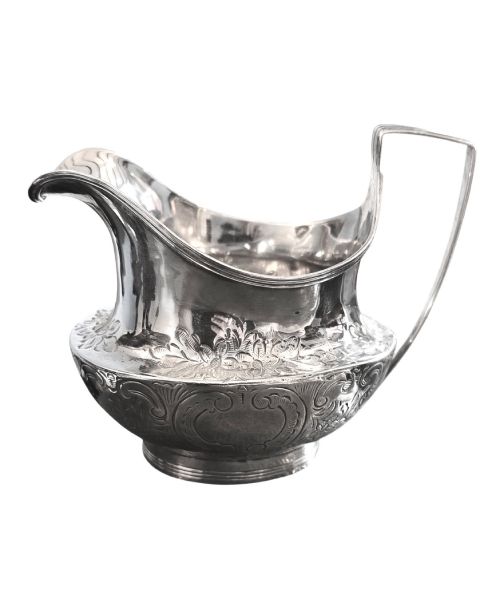
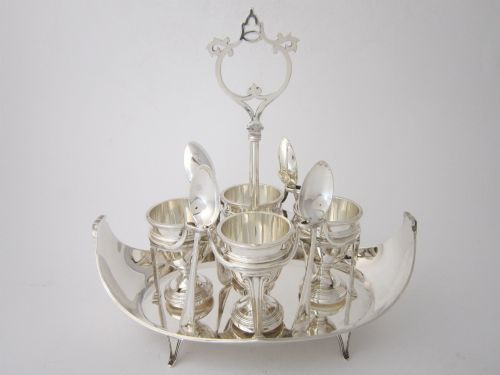
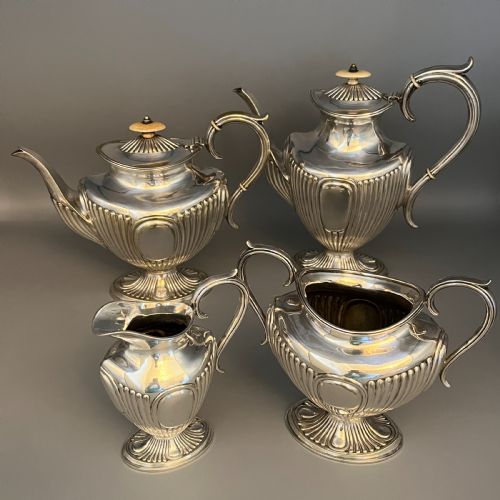
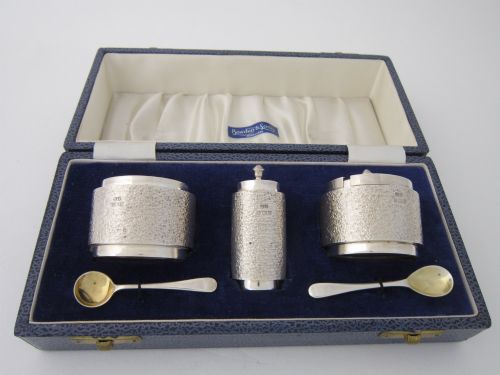
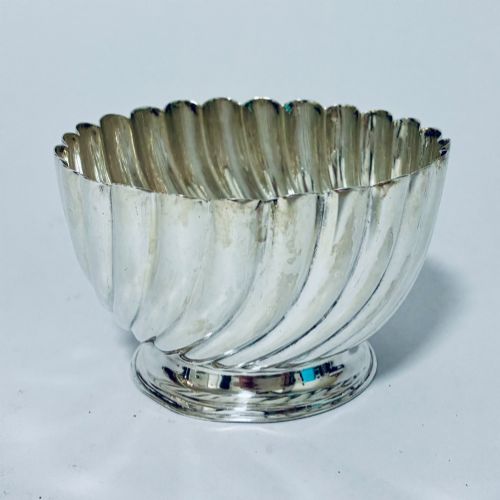
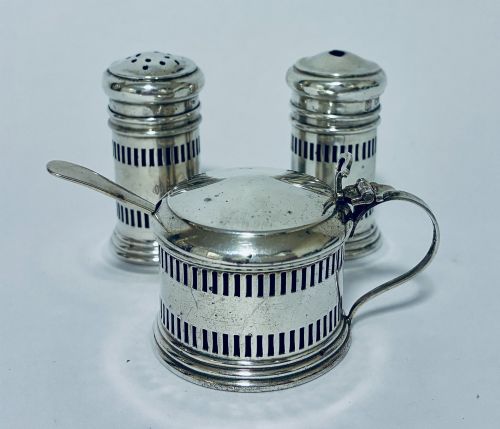
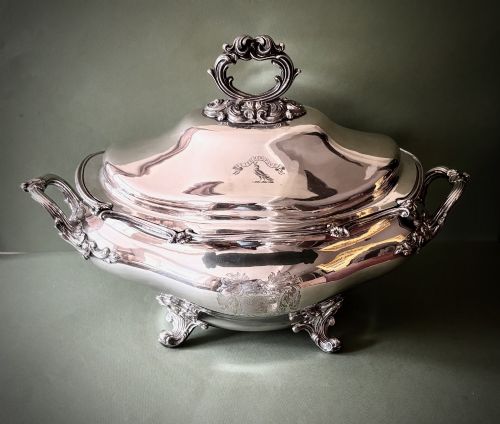
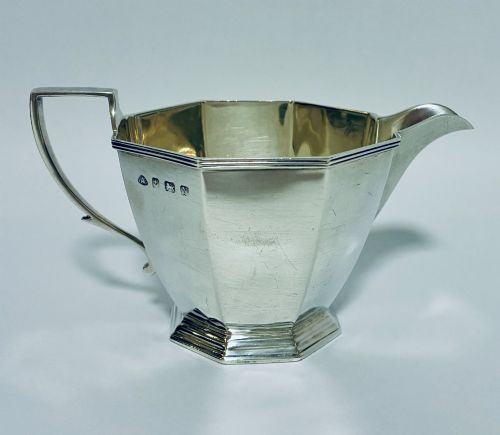
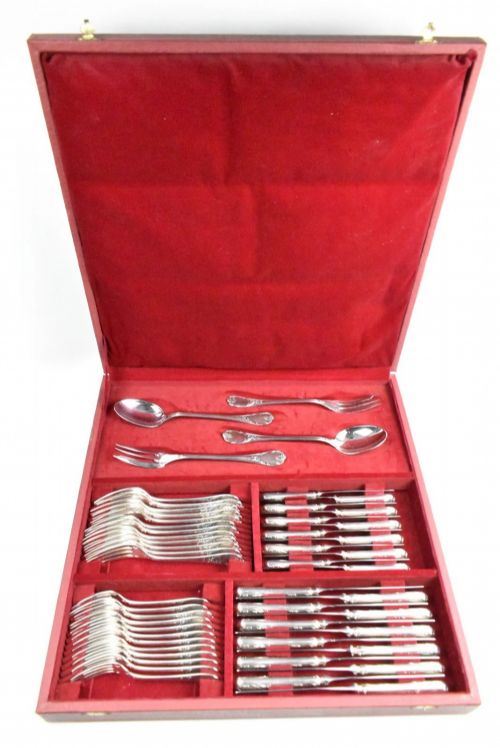
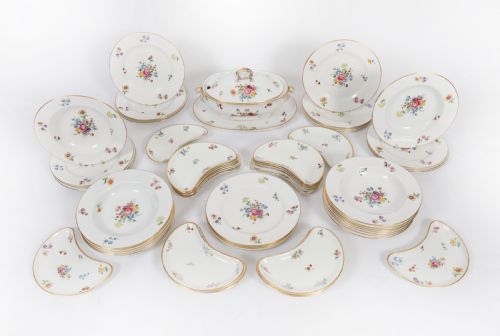
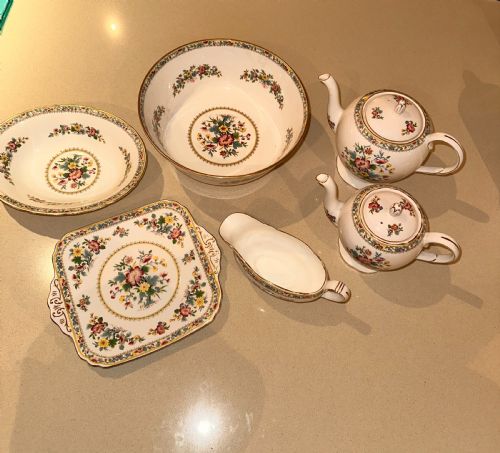
When searching for antique tableware pieces, buyers encounter an array of items designed for dining and serving, ranging from individual utensils to extensive dinner and dessert services. The selection includes cruet sets, tea services, milk jugs, bowls, and specialised items like spoon warmers and meat skewers.
The objects originate from various periods including the Georgian and Victorian eras, extending through the Edwardian years and into the early twentieth century. Sterling silver, silver plate, porcelain, and glass form the core of the physical inventory.
How they were made
Metal items rely on sterling silver and silver plate, often utilising techniques such as embossing, stamping, and Sheffield plating over a base metal. Wooden elements appear combined with silver plate in specific serveware forms.
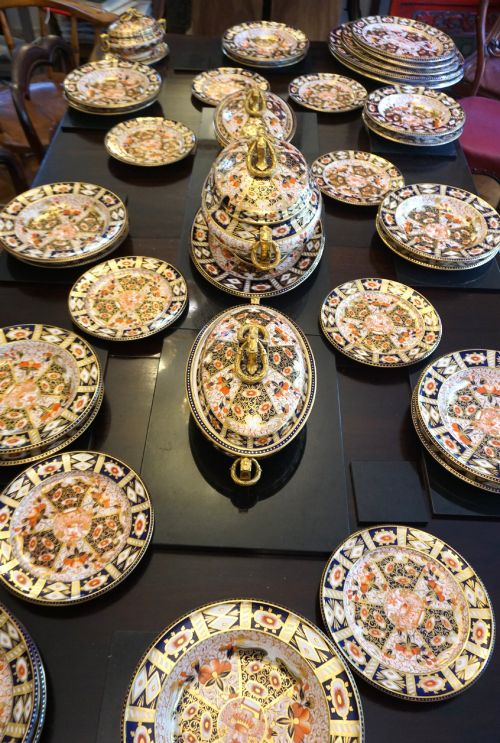
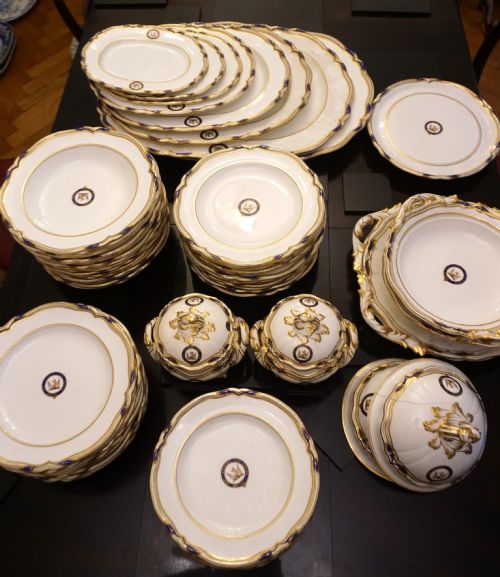
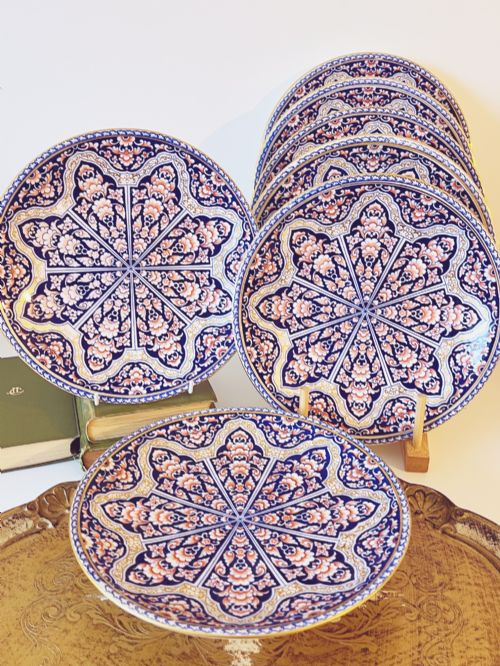
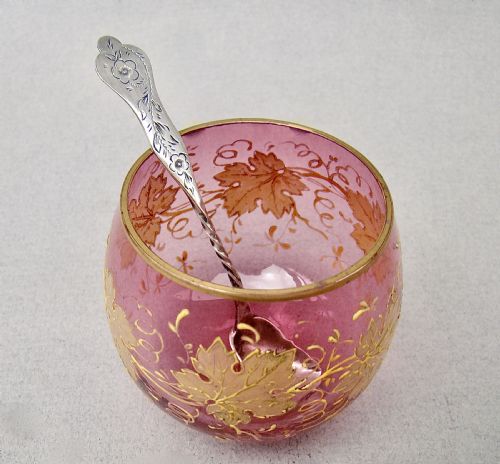
Ceramic pieces utilise porcelain and earthenware, featuring hand-painted floral motifs and coloured glazes characteristic of factories like Wedgwood, Spode, and Royal Crown Derby. Glass items incorporate moulded finishes and enamel detailing.
Antique Tableware Pieces Retail Price Guide 2026
Typical asking prices for tableware pieces among the pieces listed under this phrase on Sellingantiques today, from the lower quarter to the upper quarter. They describe what is for sale here now, not the wider market.
Materials documented across the inventory include sterling silver, Old Sheffield plate, porcelain, carnival glass, oak, and enamel.
What varies in quality
The standard of execution in ceramic pieces depends on the precision of hand-painted decoration and the crispness of moulded details from makers such as Grainger Lee and Müller Volkstedt. Complete sets surviving in larger piece counts demonstrate higher preservation than isolated items.
Metalwork quality shows in the weight of sterling silver versus silver plate, alongside the clarity of hallmarks and the depth of embossed ornamentation on tea sets, sauce boats, and cruet frames.
Grainger Lee & Co·Wedgwood·Royal Crown Derby·Christofle Marly·Copeland·Spode·Müller Volkstedt MV Co·Tiffany & Co·Ridgways China·Robert Pringle & Sons·Viners
The Antique Tableware Pieces Glossary
- Cruet set
- A matched set of small bottles, castors, or jars for holding condiments such as salt, pepper, mustard, and vinegar at the dining table. These typically sit within a metal frame.
- Dessert service
- A collection of plates and a serving comport intended specifically for the final course of a meal. They frequently feature hand-painted botanical or floral subjects.
- Silver plate
- A manufacturing method fusing a thin layer of silver to a base metal, commonly employed for tea sets and large serving pieces during the nineteenth and twentieth centuries.
- Comport
- A raised dish or bowl set upon a stem and foot, utilised for serving fruit or sweetmeats as part of a dessert service.
- Spoon warmer
- A specialised ceramic or metal vessel designed to hold hot water and keep serving spoons warm during Victorian dining.
Antique Tableware Pieces: Frequently Asked Questions
What is a silver cruet set used for?
A cruet set holds table condiments in small glass or ceramic bottles fitted with silver mounts. These sets sat centrally on the dining table for guests to season their food.
They appear in sterling silver and silver plate across the Victorian and Edwardian periods.
How do I care for antique silver tableware?
Sterling silver and silver plate require gentle cleaning with appropriate non-abrasive polishes to preserve the metal surface and hallmarks. Regular use helps prevent tarnish accumulation in recessed decorative areas.
Store pieces in dry environments away from direct heat sources and rubber materials.
What is the difference between a tea set and a dessert service?
A tea set comprises pots, jugs, and sugar basins designed for serving tea, typically executed in silver, silver plate, or porcelain. A dessert service consists of plates and comports intended for serving fruit or sweets.
Dessert services often showcase elaborate hand-painted flower motifs from ceramic factories.
How do I date antique porcelain tableware?
Dating relies on factory marks stamped, painted, or impressed on the underside of ceramic pieces. Stylistic indicators such as Rococo Revival shaping or Art Deco geometry also help determine the period.
Registrations marks and pattern numbers offer further precision for nineteenth-century British wares.