




Antique Tabletop Lighting
Antique tabletop lighting brings domestic illumination into focus through brass candlesticks, bronze candelabra and glass oil lamps.
Antique Tabletop Lighting
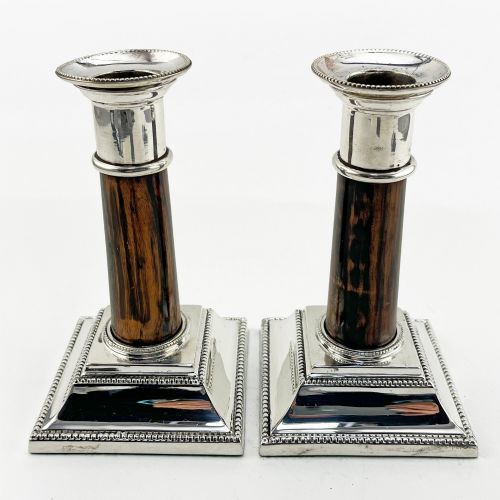
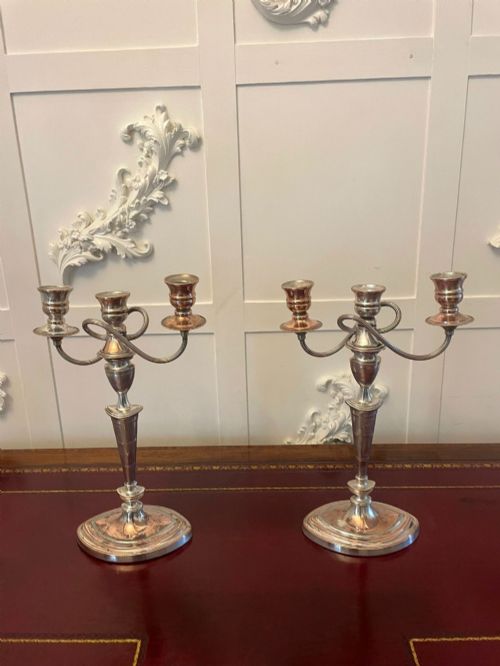
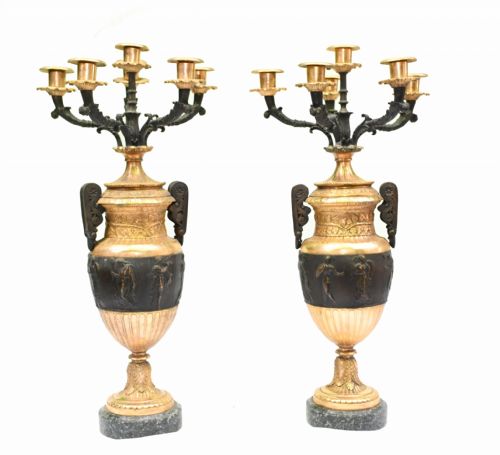
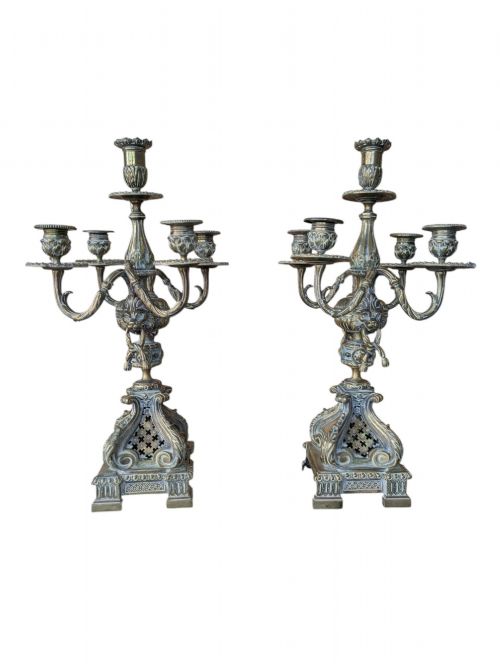
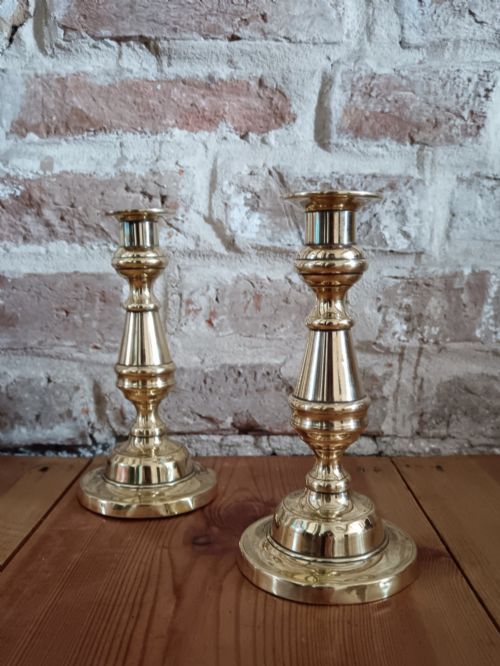
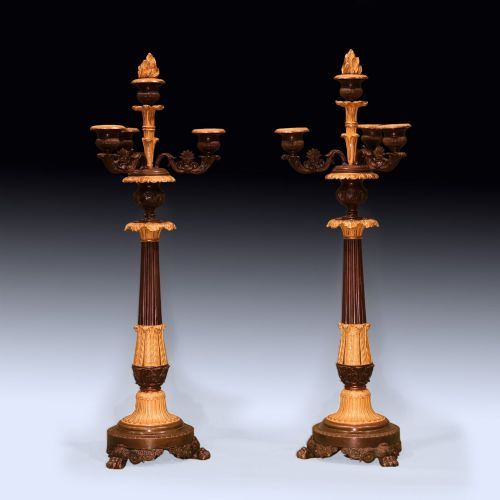
When you search for antique tabletop lighting, you encounter domestic illumination spanning the eighteenth century through the early twentieth century. The selection centres heavily on pairs of brass candlesticks, multi-branched bronze and ormolu candelabra, and glass-reservoired oil lamps.
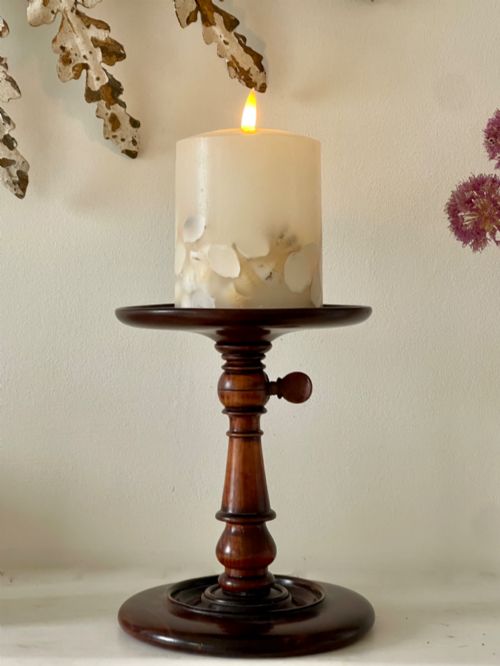
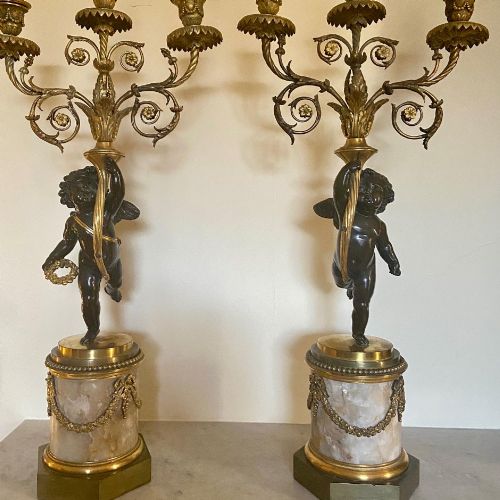
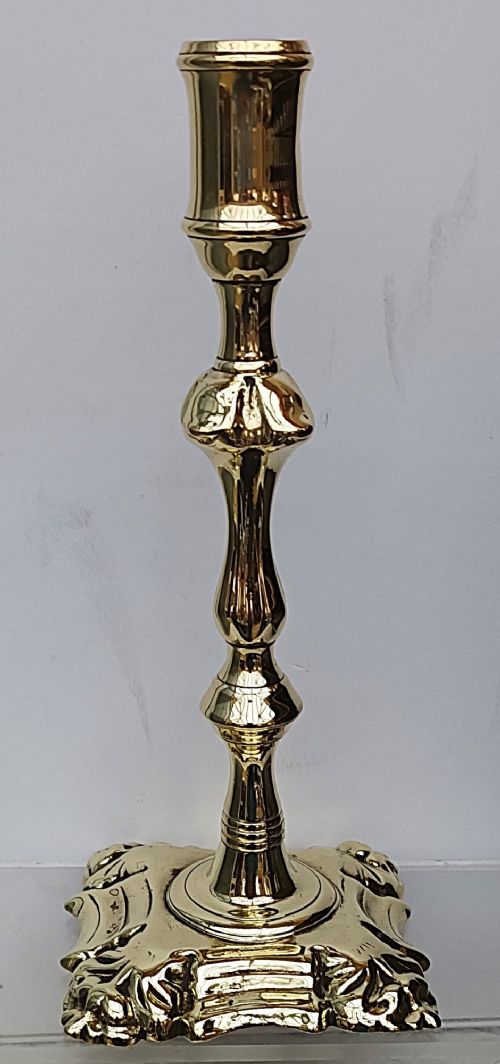
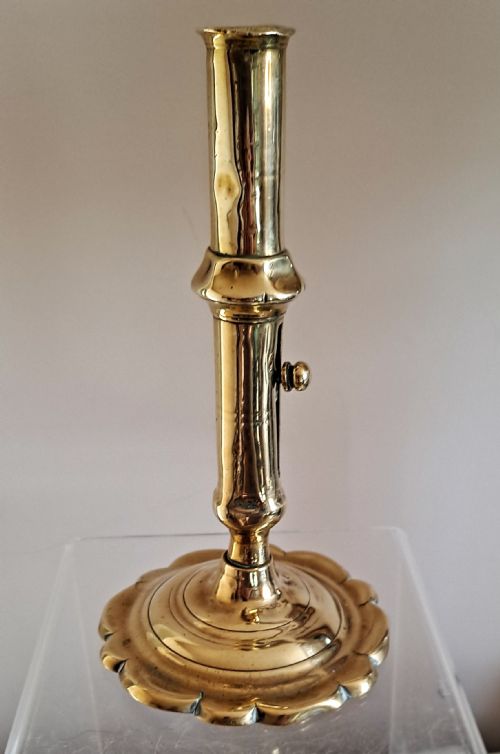
Georgian and Regency examples rely on simple petal bases or mahogany adjustable stands, whereas Victorian and Edwardian pieces introduce elaborate figural motifs, cranberry glass and converted gas mechanisms. French influences appear frequently through Louis XVI and French Empire styles involving marble bases and patinated bronze putti.
How they were made
Metalwork dominates the construction, utilising cast and turned brass, bronze, gilt ormolu, and silver plate over copper bases. Makers employed heavy casting for sculptural figures and precision turning for structural stems and ejector mechanisms.
Glass components combine pressed fonts with patterned reservoirs, often paired with hand-painted or tinted shades. Organic elements such as mahogany, horn and marble appear as supporting bases or structural mounts.
Antique Tabletop Lighting Retail Price Guide 2026
Typical asking prices for tabletop lighting among the pieces listed under this phrase on Sellingantiques today, from the lower quarter to the upper quarter. They describe what is for sale here now, not the wider market.
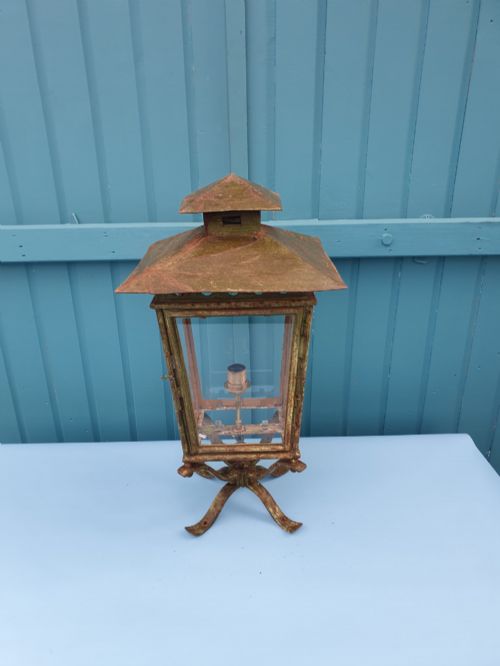
Some Victorian garden lanterns shed their original gas-lit utility to illuminate tabletops with surprising industrial charm.
What varies in quality
The standard of execution rests upon the crispness of the casting and the depth of the chasing on bronze and brass surfaces. Superior examples retain original fire-gilding or patination, whereas lesser pieces show softened detail from worn moulds.
Proportion and structural integrity dictate value, particularly in multi-armed candelabra where arm alignment and secure balancing define the build. Weight and the quality of secondary materials, such as heavy marble plinths or unblemished glass fonts, separate standard items from finer workshop output.
Thomas Hope·Jan Eisenlöffel·Messengers·Harrods
The Antique Tabletop Lighting Glossary
- Ormolu
- Gilt bronze produced by applying a finely ground high-carat gold mercury amalgam to a bronze object. This decorative technique creates a rich golden finish characteristic of French and English formal pieces.
- Candelabra
- A branched candlestick designed to hold multiple tapers or candles simultaneously. These pieces often feature a central light surrounded by matching arms.
- Ejector candlestick
- A brass candlestick fitted with an internal sliding mechanism to push out remnants of burnt wax candles. This mechanical addition helps clear the socket efficiently.
- Fluorspar
- A halide mineral used as an ornamental stone in decorative bases and mounts. Its colourful banding complements patinated bronze figures.
- Sheffield plate
- A composite material formed by fusing a sheet of silver to a thicker copper base under heat and pressure. It serves as the precursor to modern electroplating on domestic wares.
Antique Tabletop Lighting: Frequently Asked Questions
How do I clean antique brass candlesticks?
Dust surfaces gently with a soft dry cloth to preserve existing patination and finish.
Avoid aggressive metal polishes that strip historical age and alter the metal colour permanently.
Were oil lamps converted to electricity?
Many Victorian and Edwardian oil lamps undergo conversion to run safely on electric wiring.
Original burners and glass reservoirs often remain intact alongside the concealed modern fittings.
How do I date an antique candlestick?
Examine the base construction, casting seams and manufacturing methods relative to known period styles.
Georgian pieces favour simple petal bases, while Victorian examples introduce heavy ornamentation and varied metal alloys.
Can I use real candles in antique candelabra?
Standard taper candles fit securely into most historical sockets if matched to the correct diameter.
Monitor burning candles closely to prevent wax runoff from damaging original metal or marble surfaces.