

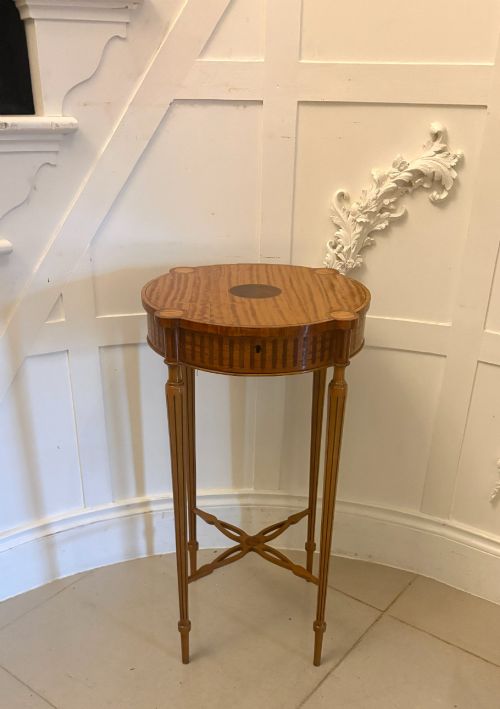
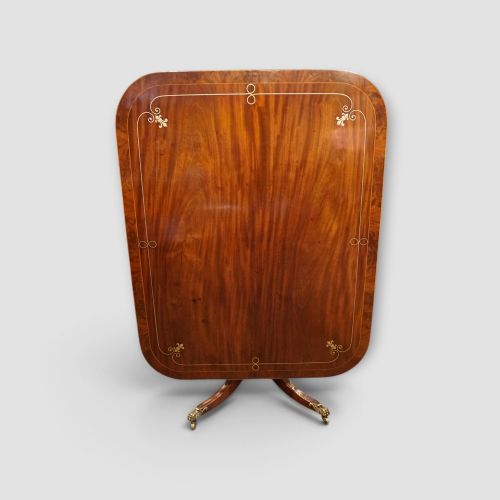
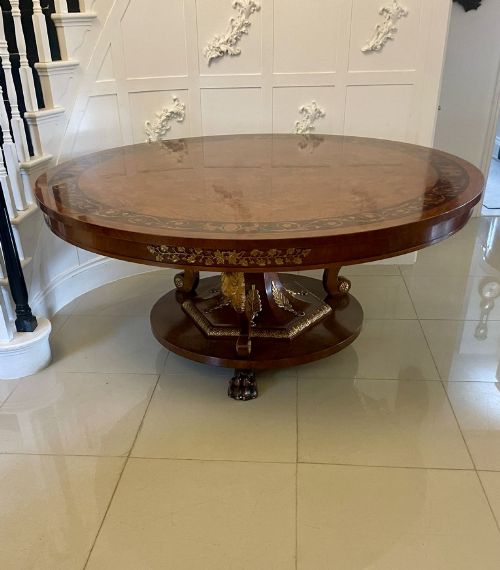
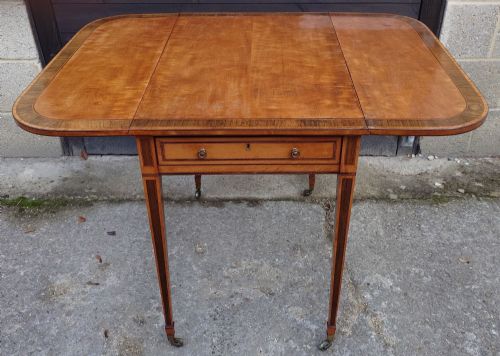
Antique Table with Inlay
An antique table with inlay brings surface contrast and fine cabinetwork into a room, offering functional occasional surfaces alongside detailed geometric or floral embellishment.
Antique Table with Inlay
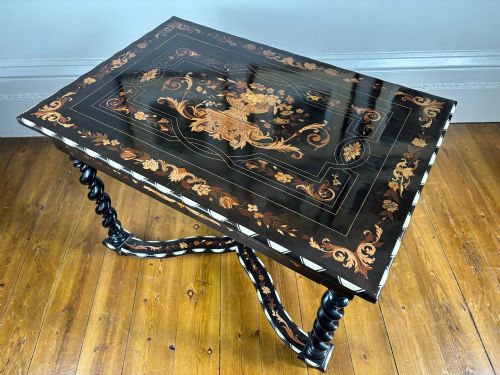
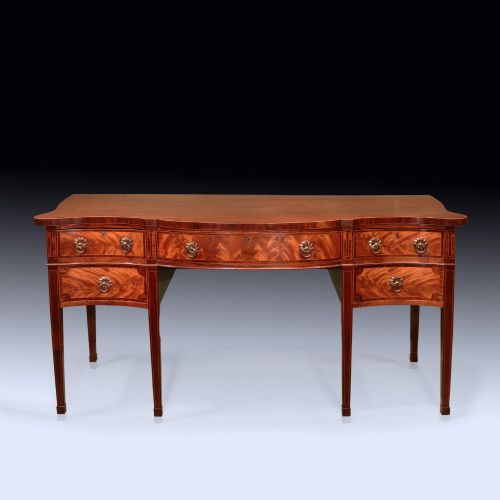
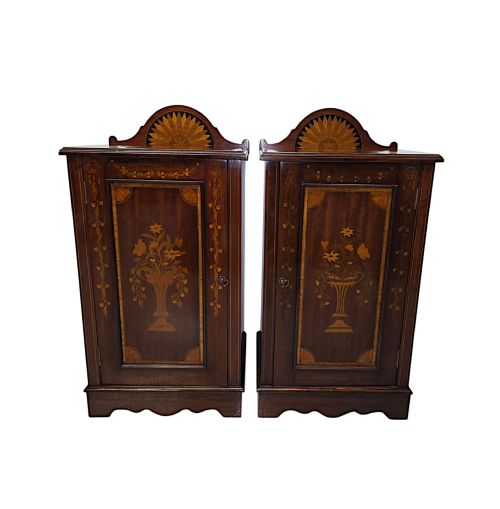
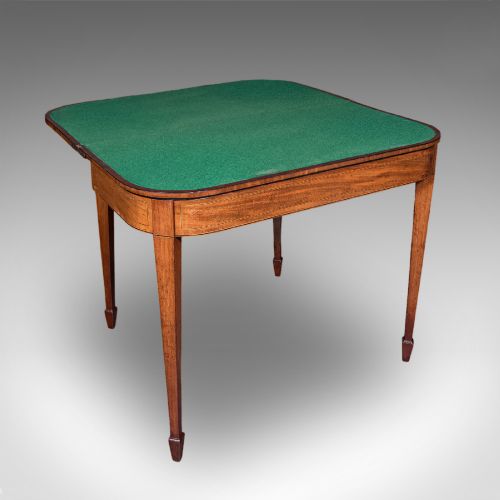
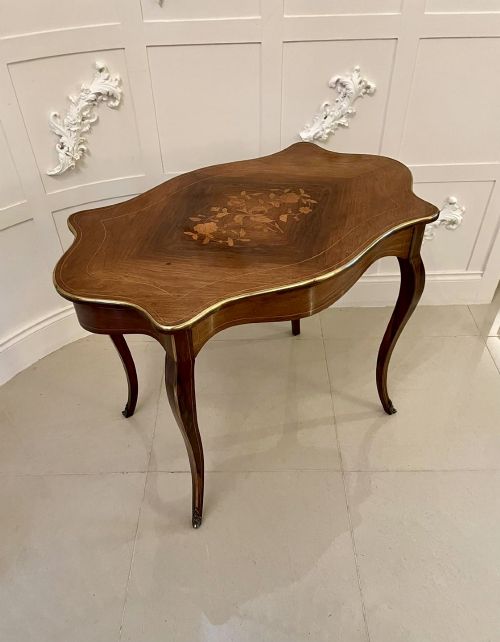
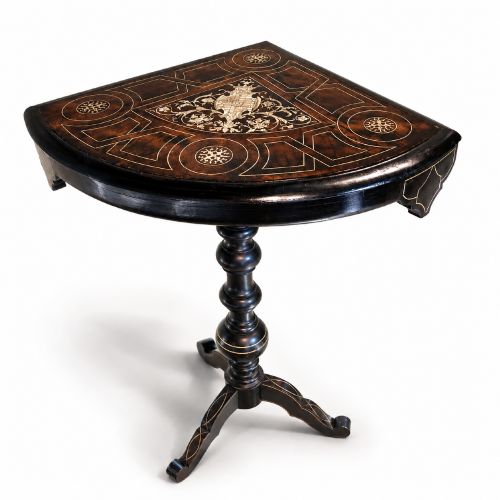
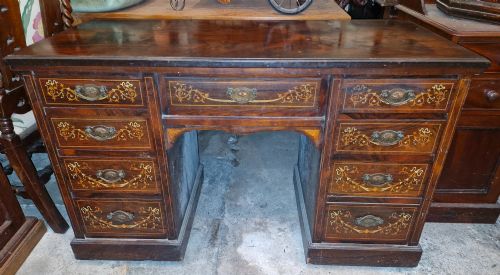
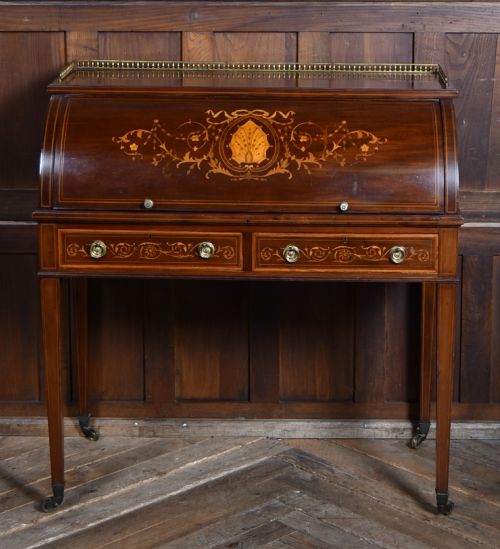
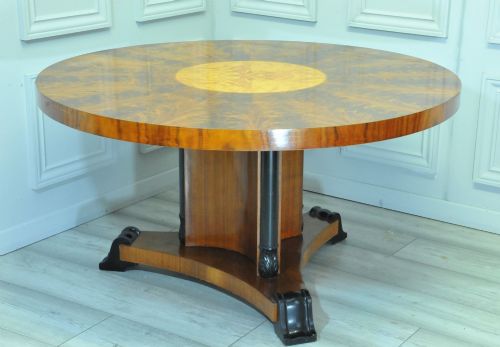
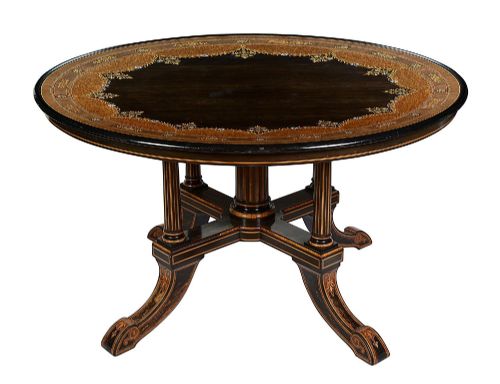
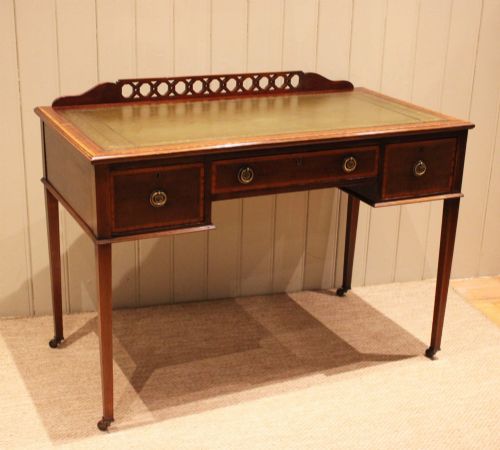
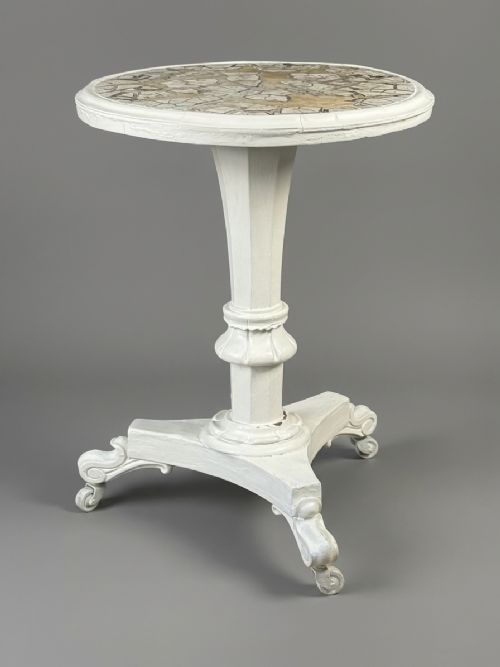
An antique table with inlay spans multiple centuries of domestic furniture, appearing most frequently in forms designed for specific rooms and social rituals. You will encounter occasional tables, games tables, desks, and nests of tables stretching across Georgian, Victorian, and Edwardian periods.
Makers utilised various domestic and exotic timbers as grounds for contrasting decorative work, resulting in pieces ranging from George III tripod lamp tables to Edwardian mahogany quartetto nests. The structural forms remain practical while serving as displays of complex surface ornamentation.
Materials and technique
Craftsmen built these pieces using primary structural timbers such as mahogany, walnut, rosewood, and oak, often selecting burr walnut or figured mahogany for prominent surfaces. These grounds received contrasting insertions of satinwood, boxwood, brass, ivory, bone, or mother-of-pearl.
The technique relies on precise cutting of recesses into the solid wood or veneered surface to receive fitted sections of lighter or differently coloured materials. Cabinetmakers secured these elements with animal glue before scraping and polishing the entire top flush.
Antique Table with Inlay Retail Price Guide 2026
Typical asking prices for table with inlay among the pieces listed under this phrase on Sellingantiques today, from the lower quarter to the upper quarter. They describe what is for sale here now, not the wider market.
Some tables hide entire chess boards within their tops, ready for an impromptu match.
Judging execution
Quality rests upon the tightness of the joints between the host timber and the inserted elements, where minimal filler indicates superior joinery. Sharpness in floral marquetry or crisp geometric lines distinguishes skilled workshops from hurried production.
Selection of the base timber dictates the visual depth of the piece, with heavily figured burr walnut or Honduras mahogany elevating the overall composition. The retention of original brass mounts, galleries, or fitted interiors further separates standard examples from exceptional survivals.
Trevor Page & Co·Liberty & Co·William Birch·Jackson & Graham
The Antique Table with Inlay Glossary
- Inlay
- The technique of inserting pieces of contrasting material into a prepared recess in a wooden surface to form a decorative design. This method differs from veneer by cutting directly into the structural or veneered ground.
- Marquetry
- Form of inlay utilising fitted veneers applied to a ground to create pictorial or decorative patterns, often showing floral motifs or architectural scenes. It covers the entire surface rather than discrete lines.
- Satinwood
- A durable, lustrous yellow-brown timber imported from tropical regions, frequently utilised for contrasting details or banding. Its high natural sheen reflects light across table tops.
- Boxwood
- A dense, pale yellow wood used historically for fine stringing and delicate linear inlays. It provides sharp contrast against darker grounds like mahogany or rosewood.
- Parquetry
- Geometric mosaic woodwork forming repeating patterns such as cubes or chequers across a table top. The pieces are cut and fitted with geometric regularity.
Antique Table with Inlay: Frequently Asked Questions
How do I clean an inlaid table?
Dust regularly with a soft, dry cloth to prevent particulate accumulation within the joints of the inlay. Avoid modern chemical sprays and water, which can loosen historical animal glues.
Apply a microcrystalline wax periodically to nourish the surrounding timber without sealing moisture into the surface pores. Buff gently with clean cotton to maintain the natural sheen of the wood and the inserted motifs.
Can I use a games table daily?
Games tables with inlaid chess or backboard tops function well for occasional social use, provided you protect the surface from heavy items. Opening folding tops requires care to avoid stressing historical hinges and pivoting mechanisms.
Keep these tables away from direct sunlight and heat sources to prevent the timber from shrinking and the inlay from lifting. Use coasters and protective pads beneath drinks or decorative objects.
How do I spot replacement inlay?
Examine the edges of the contrasting material under magnification to check for modern synthetic adhesives or wide filler lines. Original work shows minute gaps filled with traditional hide glue and fine dust.
Discrepancies in timber oxidation or patination across the decorative elements suggest later repairs or replaced sections. Consistent mellowing across both ground and inlay points toward original execution.
What defines an occasional table?
Occasional tables are moveable, light pieces designed to serve specific temporary needs around a drawing room or parlour. They include lamp tables, small side tables, and quartetto nests.
Their compact scale allowed Victorians and Edwardians to relocate them easily for tea, reading, or displaying ornaments. They combine utilitarian frames with decorative inlaid surfaces suited to prominent placement.