



Antique Table Tureen
An antique table tureen brings generous proportion and formal dining history straight to the sideboard.
Antique Table Tureen
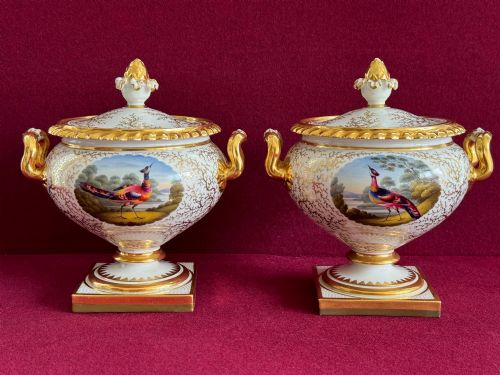
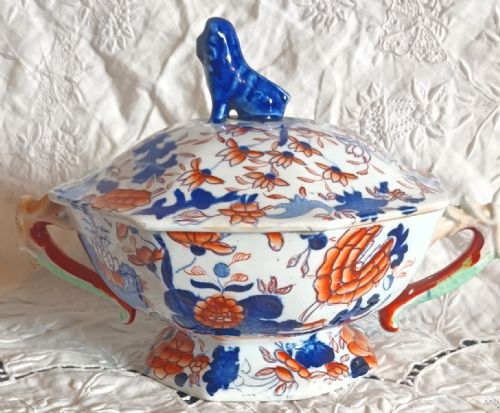
When searching for an antique table tureen, collectors look for grand vessels designed to hold soups, sauces, vegetables, or entrees at the formal dining table. The pieces gathered here cross several distinct periods, including Georgian, Regency, Victorian, and Edwardian eras, offering a comprehensive view of historical dining customs.
You are most likely to meet silver plated examples from the Edwardian period or the nineteenth century, often formed as rectangular or oval entree dishes with matching covers. Ceramic alternatives appear too, ranging from English ironstone and porcelain to Continental earthenwares.
The selection includes specialised forms such as cream tureens, sauce tureens, and warming dishes, alongside broader dinnerware sets and supper arrangements. These vessels served practical roles in domestic service before graduating to display pieces in modern dining rooms.
Materials and construction methods
Silversmiths utilised sterling silver and Old Sheffield Plate alongside later electroplated nickel silver to build durable, lustrous vessels that retained heat for the dining table. Makers applied gold leaf highlights or formed sturdy structures from base metals before coating them with silver.
Potters shaped durable ironstone and fine porcelain, firing ceramic tureens with intricate glazes and hand-painted or transfer-printed decoration. Factories such as Worcester and Coalport combined these ceramic bodies with specialised lids and stands, including revolving lazy susans for supper sets.
Antique Table Tureen Retail Price Guide 2026
Typical asking prices for table tureen among the pieces listed under this phrase on Sellingantiques today, from the lower quarter to the upper quarter. They describe what is for sale here now, not the wider market.
Some nineteenth-century supper sets included a lazy susan mechanism so diners could reach their broth without stretching across the mahogany.
Distinctions in manufacture and finish
The upper tier of these pieces displays crisp, deeply chased mounts, perfectly fitted covers, and substantial metal weight or fine porcelain translucency. Master silversmiths and notable potteries executed details with sharper definition and superior balance.
Lesser examples show thinner plating over base metals, simpler stamped decoration without hand finishing, or minor potting imperfections in the ceramic body. The presence of original matching covers, liners, and ladles elevates the integrity of the surviving set.
Flight Barr and Barr·Mason's Ironstone·Daniel and Arter·Walker and Hall·Coalport Porcelain·William Bennett
The Antique Table Tureen Glossary
- Old Sheffield Plate
- A method of fusing a thin sheet of sterling silver to a thicker copper core by heat and pressure. This technique produced durable serving vessels before the invention of electroplating.
- Ironstone
- A dense, heavy type of earthenware patented in nineteenth-century England. It resisted chipping better than standard porcelain while providing a robust surface for kitchen and dining wares.
- Entree Dish
- A shallow vessel with a fitted cover used for serving individual courses at formal meals. These dishes frequently appeared in pairs or sets during the Victorian and Edwardian periods.
- Sauce Tureen
- A smaller container designed specifically for gravies, creams, or liquid condiments. They usually incorporate an integrated or separate ceramic stand to protect the table cloth.
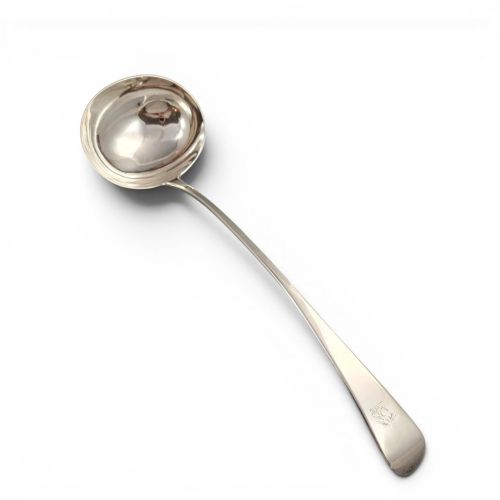
- Soup Ladle
- A long-handled spoon with a deep bowl intended for serving liquids from a tureen. Patterns often match the broader flatware or service of the dinner set.
Antique Table Tureen: Frequently Asked Questions
How were antique tureens used at the table?
These vessels held hot food brought directly from the kitchen to the dining room for communal serving. Servants lifted the heavy covers at the table so hosts could portion out soups, vegetables, or main courses.
Over time, dining habits shifted toward plated individual portions, turning these large ceremonial dishes into decorative centerpieces or display items on sideboards.
What is the difference between plate and sterling silver?
Sterling silver consists of solid precious metal throughout, marked with standardised assay office stamps indicating its purity. Silver plate uses a base metal, such as copper or nickel silver, coated with a thin layer of silver.
Old Sheffield Plate fuses silver and copper mechanically, while later electroplated pieces use an electrical current to bond the silver coating to the substrate.
How do I care for silver plated serving dishes?
Silver plated items require gentle cleaning with specialised non-abrasive polishes to preserve the metallic coating over the underlying base metal. Harsh scrubbing or abrasive pads will wear away the thin silver layer permanently.
Store these pieces in dry environments away from direct sunlight, and avoid wrapping them in materials that trap moisture or cause tarnishing.
How can I tell the period of a ceramic tureen?
Pottery markers' stamps on the base provide the most reliable evidence for dating ceramic vessels, often linking directly to specific manufacturing years. The weight of the ironstone, the composition of the glaze, and the style of painted decoration also reflect the tastes of Georgian or Victorian eras.