


Antique Table Top Stand
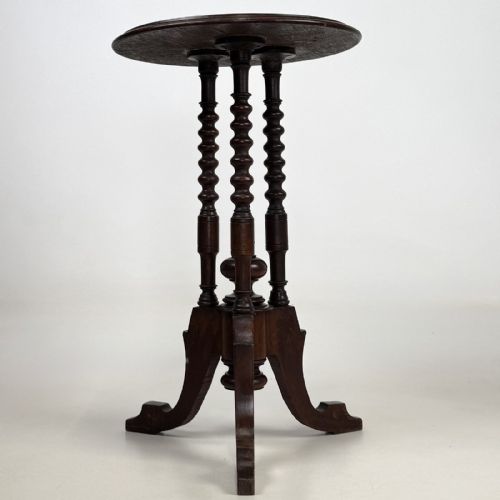
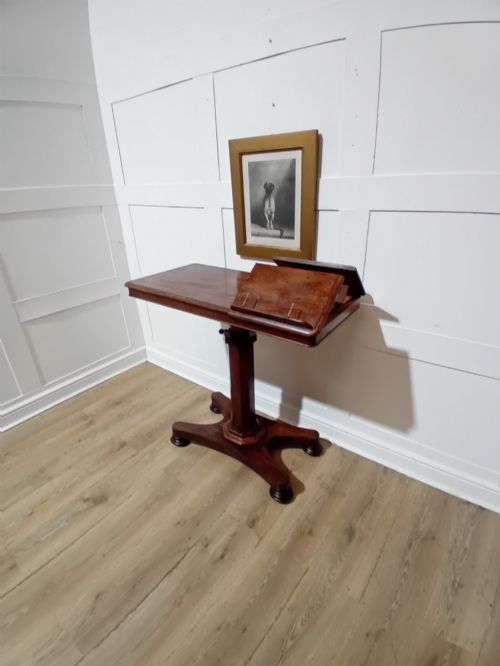
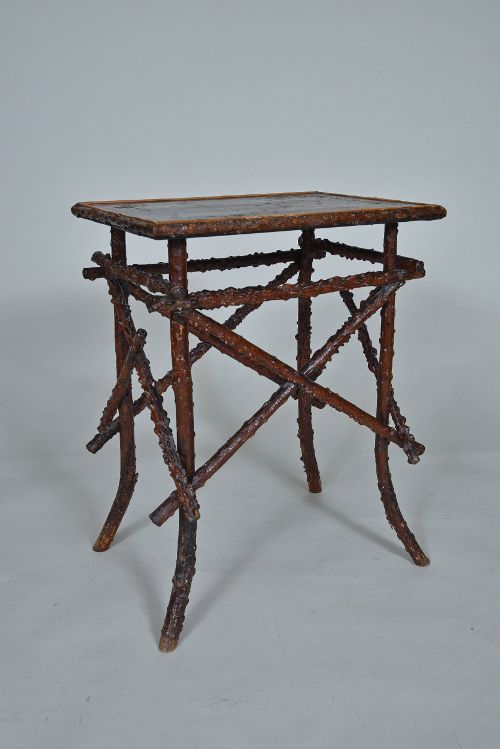
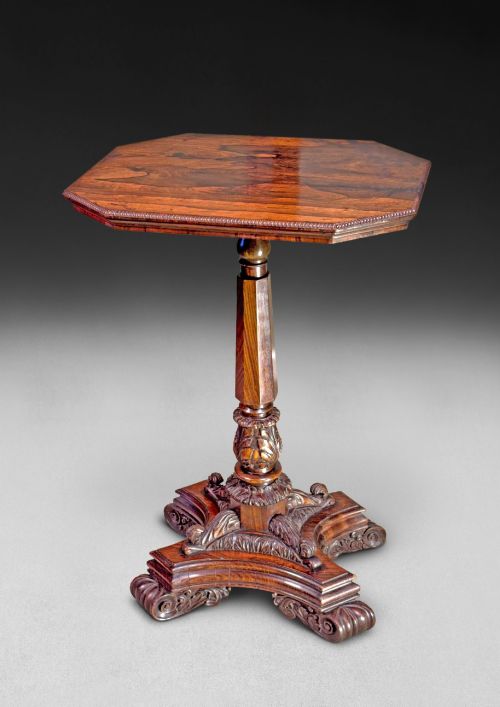
An antique table top stand gathers small-scale display surfaces, wine tables and tilt tops designed for easy placement beside seating.
Antique Table Top Stand
When you search for an antique table top stand, you encounter compact furnishings intended to hold small domestic items, drinks or lamps within reach. The selection on this page leans heavily towards George III, Victorian and Edwardian examples constructed from timber.
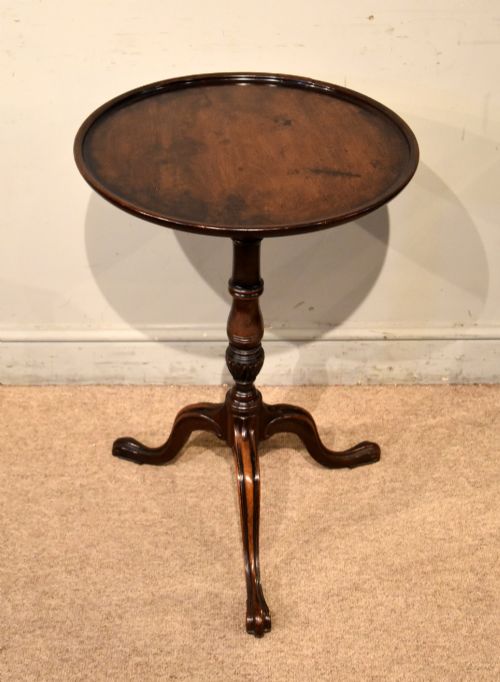
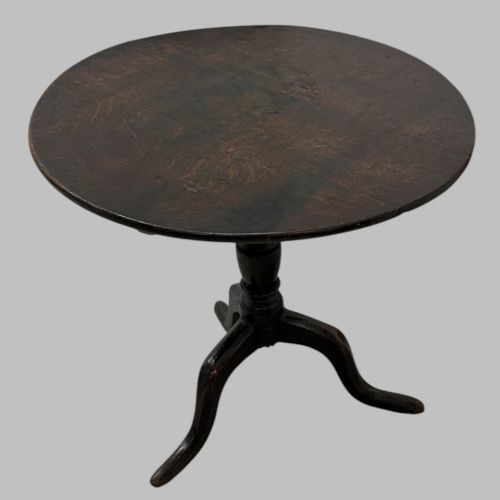
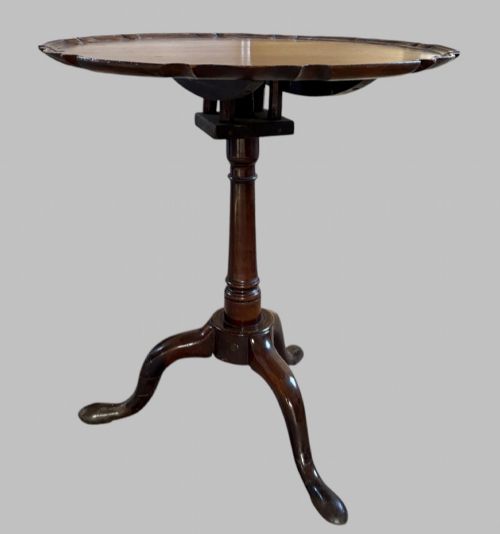
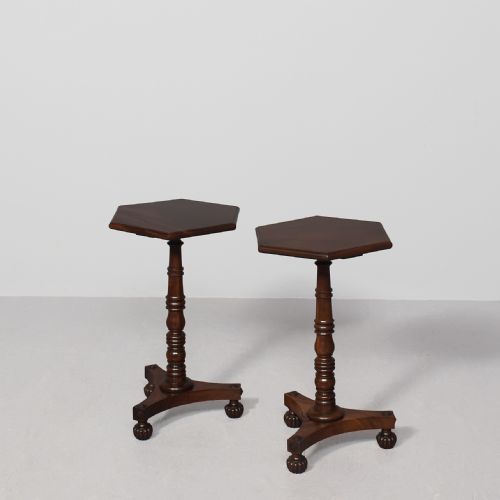
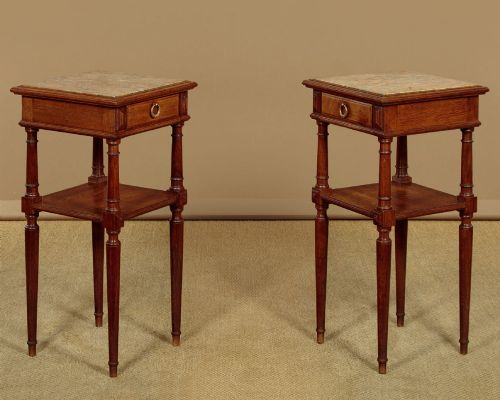
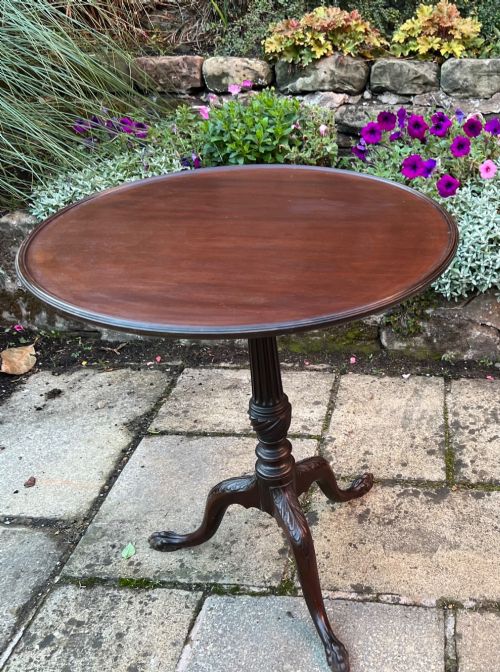
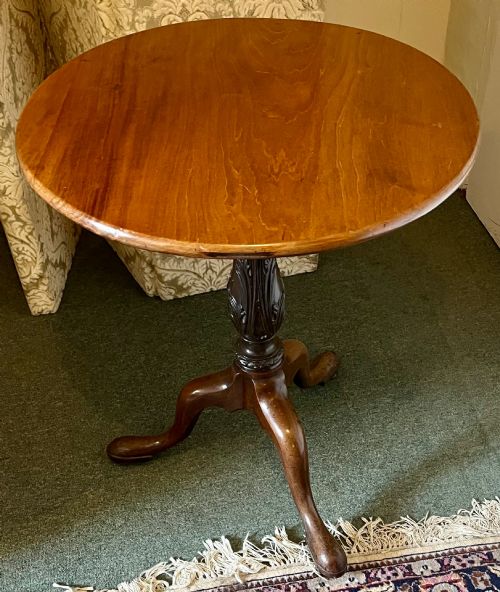
The forms span tripod wine tables with dished or pie crust edges, tilt top designs, bedside night tables, and occasional stands with galleries. These pieces served flexible functions in period drawing rooms, bedrooms and parlours.
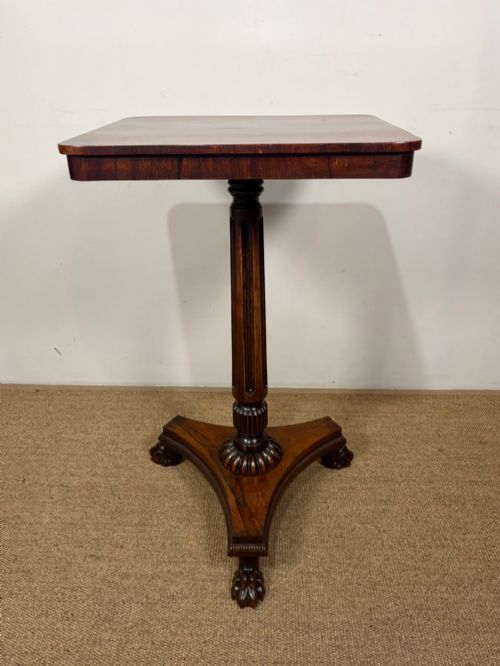
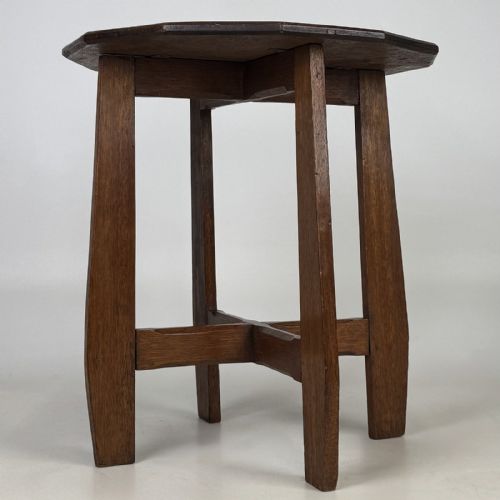
Origins range from English Georgian workshops to French revival output and later Edwardian satinwood pieces. You will find both vernacular oak items and finely carved mahogany specimens among the listings.
Materials and construction methods
Makers relied primarily on mahogany, oak, rosewood and walnut, often pairing denser hardwoods with softer secondary timbers like elm. Turning, joinery and carving formed the core techniques for pedestals and legs.
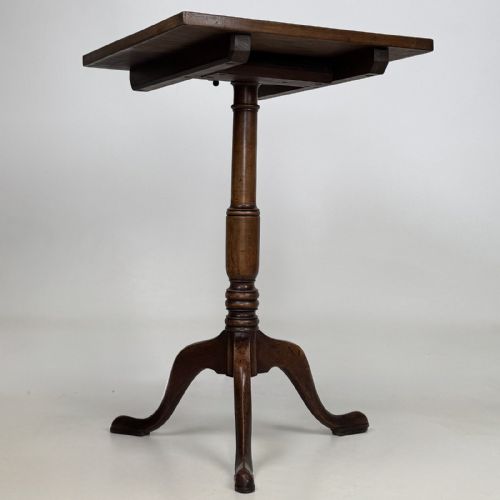
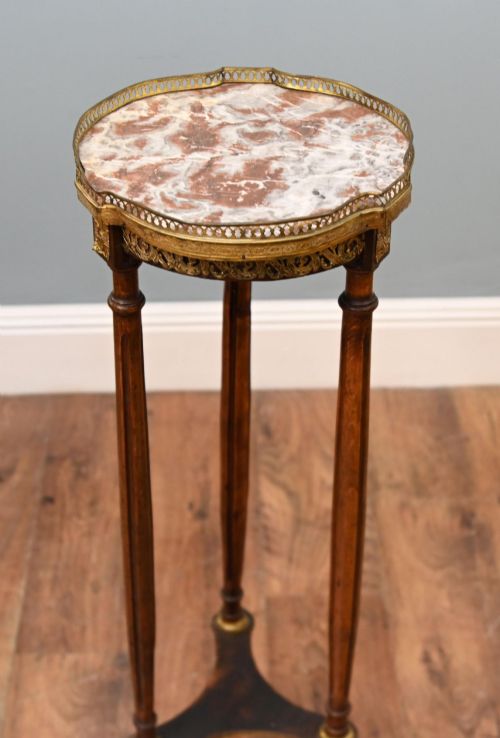
Many occasional and wine tables utilise tilt top mechanisms with brass catches or birdcage supports to save space when not in use. Surface details such as raised galleries, leather inserts, marble slabs and satinwood inlay appear across the periods.
Antique Table Top Stand Retail Price Guide 2026
Typical asking prices for table top stand among the pieces listed under this phrase on Sellingantiques today, from the lower quarter to the upper quarter. They describe what is for sale here now, not the wider market.
Several pieces feature removable tops, proving that Victorian engineers loved a clever party trick just as much as we do.
Judging the standard of manufacture
Quality rests in the crispness of carved details, such as pie crust edges or tripod leg profiles, and the choice of figured timber veneers. Superior examples maintain stability in their tilt mechanisms and feature original brass mounts.
Simpler vernacular pieces rely on honest utility, where charm derives from honest wear and patination rather than elaborate ornamentation. The integration of functional elements like galleries and drawers demonstrates the maker's competence.
The Antique Table Top Stand Glossary
- Tripod table
- A small freestanding table supported by a pillar above three legs. These versatile surfaces became popular during the Georgian period for tea or candle placement.
- Tilt top
- A tabletop hinged to swivel and fold vertically against the pedestal. This clever mechanism allowed the furniture to be stored flat against a wall when not in use.
- Gallery
- A raised border running along the edge of a tabletop. It prevented items like glasses or urns from sliding off the surface.
- Pie crust
- A carved, moulded tabletop edge featuring undulating scalloped curves. This decorative flourish is closely associated with fine George III mahogany craftsmanship.
- Night table
- A small enclosed bedside cabinet or cupboard used in the bedroom. Georgian and Victorian iterations often included a cupboard door above a lower section.
Antique Table Top Stand: Frequently Asked Questions
Where were these stands placed?
These compact pieces sat beside armchairs in drawing rooms or next to beds in bedrooms, holding candles, books or small decorative objects.
Their movable nature meant servants could shift them around the house to suit the immediate needs of the household.
How do I spot a tilt top?
Look underneath the surface for a wooden block catch or a birdcage mechanism that releases the pivot.
This hinged design allowed the top to fold flat so the stand could tuck away against a wall when the room was cleared.
What timber is most common?
Mahogany dominates the Georgian and Victorian listings, prized for its strength and rich reddish-brown colour.
Oak and elm appear frequently in earlier vernacular pieces, while Edwardian examples occasionally showcase satinwood inlay.
How do I date a piece?
Examine the leg form, turning style and secondary timbers used in the internal framing.
Georgian tripod stands often feature slender cabriole legs ending in pad or snake feet, whereas later Victorian versions display heavier, more robust turnings.