

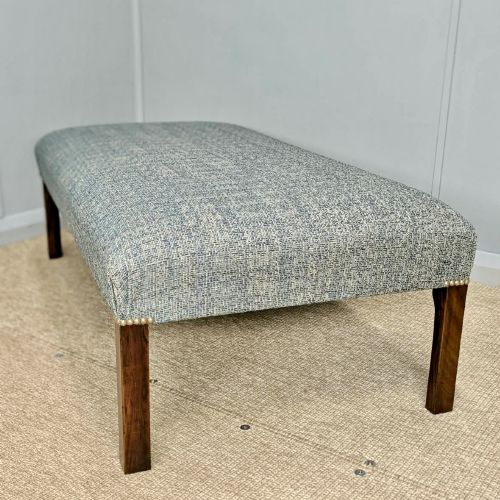
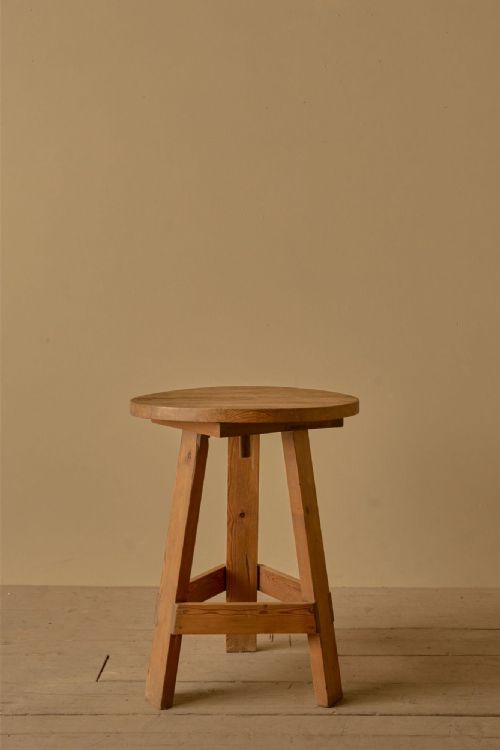
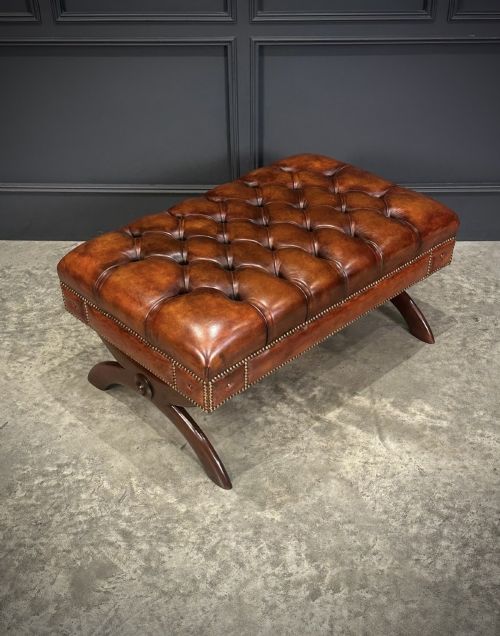
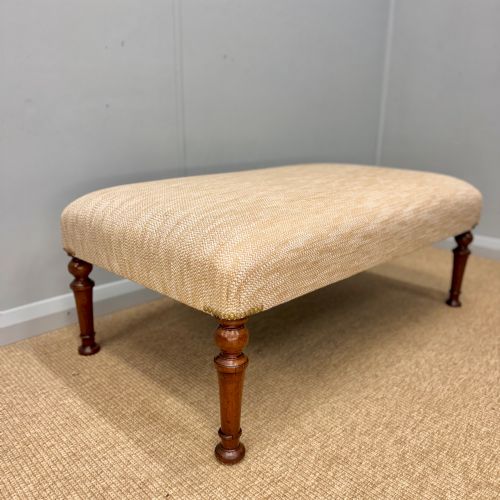

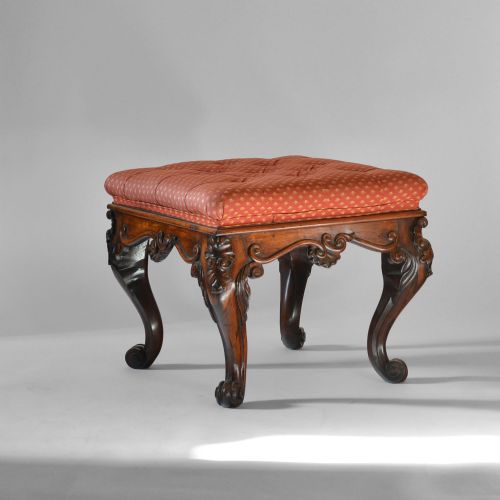
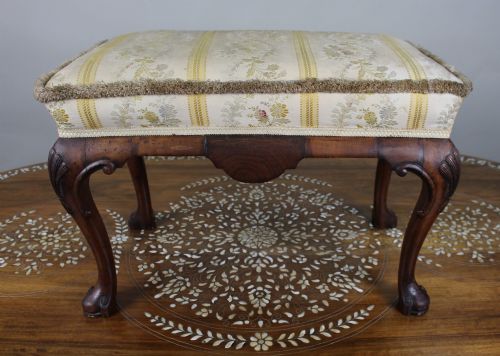
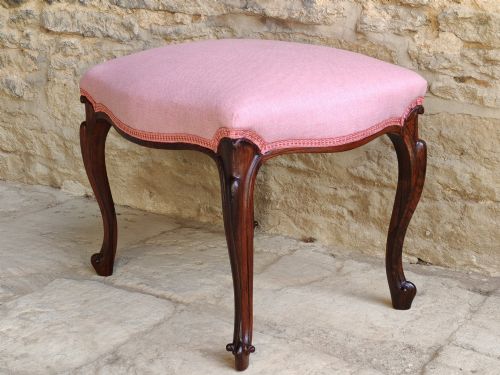
Antique Table Stool
These antique table stool examples combine seating and surface utility, offering versatile additions to period interiors through robust craftsmanship and varied timber frames.
Antique Table Stool
When someone searches for an antique table stool, they are looking at a dual-purpose hybrid or a low-profile seat originating from the seventeenth century onward. These objects bridge the gap between auxiliary tables, footrests, and compact seating options suited for dressing areas or parlours.
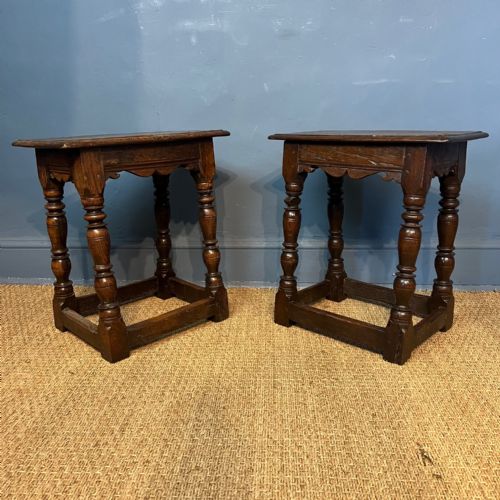
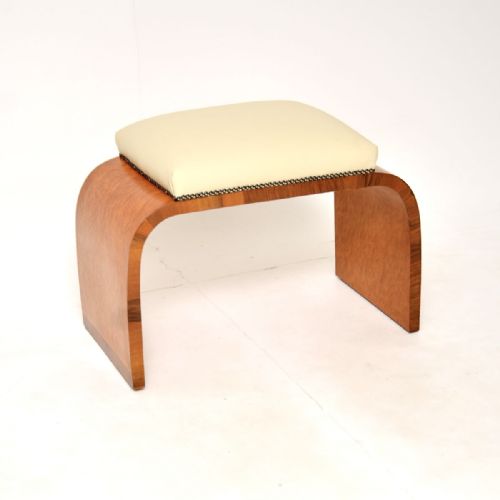
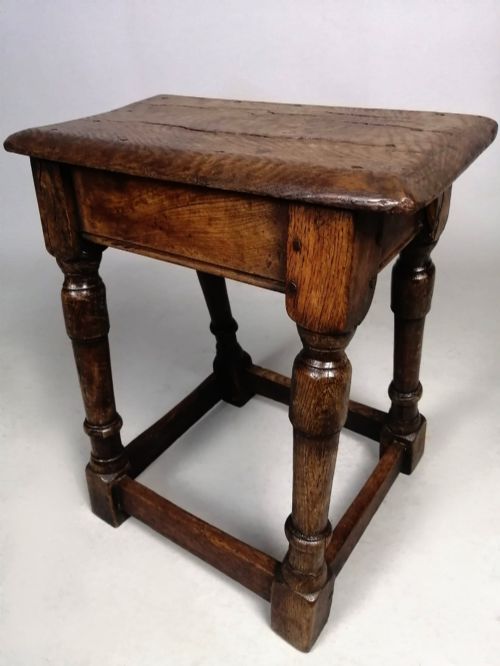
The versions most commonly met on this page span the Victorian era, the nineteenth century, and the early twentieth century. Common physical manifestations range from solid oak joint stools that double as surfaces to walnut dressing stools and low occasional tables.
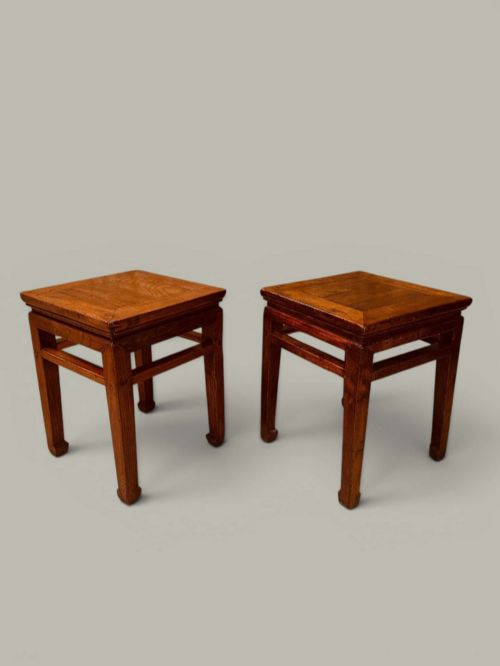
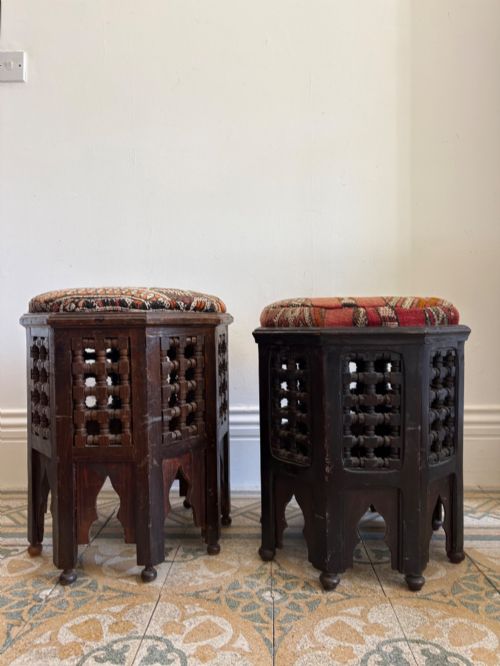
Origins stretch across English vernacular workshops, French studios, Chinese artisan studios, and Anglo-Indian production centres. Buyers encounter diverse regional expressions, from heavy oak joinery to intricately inlaid hardwood low tables and kilim-covered pieces.
How they were made
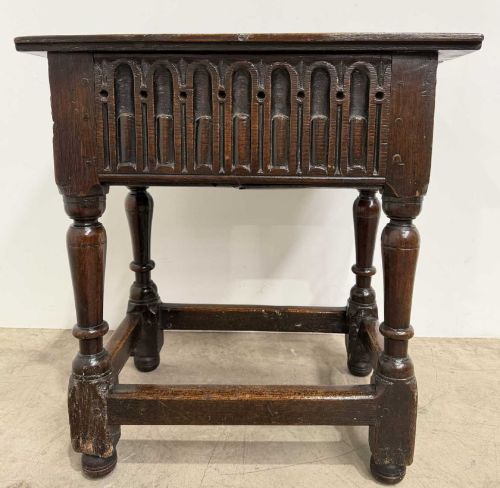
Cabinetmakers and joiners constructed these pieces using dense native timbers like oak, walnut, mahogany, and ash, alongside exotic materials such as rosewood and goncalo alves. Joints relied on traditional pegged mortise and tenon construction, particularly visible in seventeenth-century joint stools designed to withstand heavy daily use.
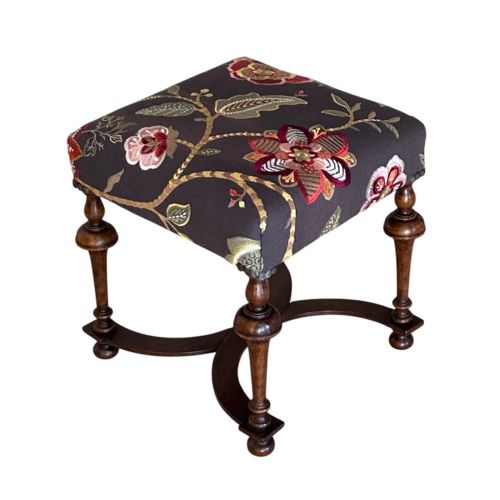
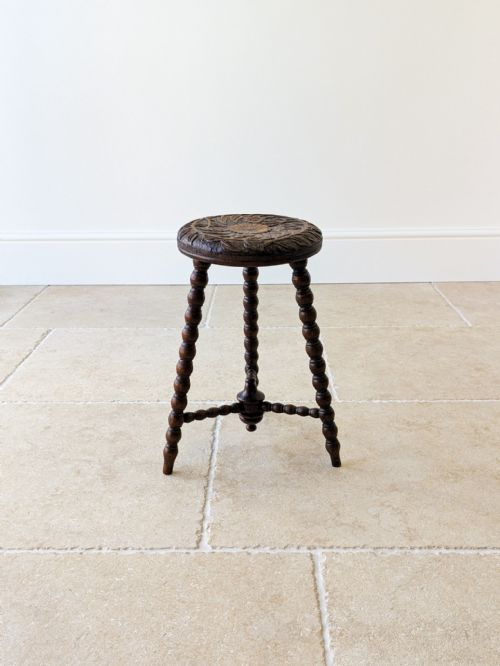
Upholstered variants incorporated fabric, leather, and textile seat covers fastened over horsehair or padding, while surface-focused pieces utilised bone inlay, lacquer, or white painted finishes. Turning, chip-carving, and manual hand-carving defined the decorative vocabularies of the nineteenth-century revival styles.
Structural framing often balanced utility with decorative ambition, pairing sturdy hardwood legs with cabriole forms, tripod bases, or simple rectilinear frames. Surfaces were finished with oils, waxes, or French polish to protect the timber while highlighting natural grain patterns.
Antique Table Stool Retail Price Guide 2026
Typical asking prices for table stool among the pieces listed under this phrase on Sellingantiques today, from the lower quarter to the upper quarter. They describe what is for sale here now, not the wider market.
Materials represented across the selection include traditional hardwoods like oak and mahogany alongside bamboo, brass, bone inlay, and varied textile upholstery.
What varies in quality
The standard of timber selection and joinery integrity determines the standing of a piece within its category. Heavy, well-seasoned heartwoods like 17th-century oak or dense walnut command attention for their structural survival and crisp original carving.
Proportion and decorative restraint separate standard utility items from high-end examples. Pieces demonstrating finer hand-carving, balanced cabriole leg proportions, or intricate surface treatments such as bone inlay reflect superior workshop output.
Originality of components, from the retention of early upholstery foundations to unaltered timber underframes, dictates historical weight. Alterations to height or substituted framing elements shift an object away from prime collector standards.
The Antique Table Stool Glossary
- Joint stool
- A sturdy wooden seat constructed with mortise and tenon joints pegged together rather than glued. These seventeenth-century fixtures served multiple domestic functions including small table surfaces.
- Cabriole leg
- A furniture leg that curves outward at the knee and tapers inward toward the foot, inspired by animal limbs. This form appears frequently on eighteenth-century and Victorian revival seating.
- Occasional table
- A small, movable table designed for specific, intermittent domestic uses rather than central room placement. Examples often feature low heights and compact footprints.
- Vernacular
- Furniture produced by regional craftsmen using local, readily available materials for practical everyday utility rather than high-style metropolitan fashion. This descriptor covers utilitarian benches and simpler domestic seating.
Antique Table Stool: Frequently Asked Questions
What is an antique table stool?
An antique table stool is a dual-function or low-profile furniture piece that serves alternately as a seat, footrest, or compact surface. These objects range from early seventeenth-century oak joint stools to Victorian dressing seats and low oriental tables.
They reflect the domestic habits of past centuries, where furniture needed to be easily moved and repurposed within smaller rooms. Their versatility makes them popular additions to contemporary homes as flexible accent pieces.
How were joint stools used?
Joint stools originally provided sturdy seating around the dining board and functioned as portable platforms for household tasks. Their flat tops also allowed them to double as side tables or stands for lighting.
Because of their robust mortise and tenon construction, they survived centuries of heavy domestic wear. Today, they function well as small bedside tables or auxiliary seats.
How do I live with a table stool?
Living with these pieces involves placing them where their compact size and dual utility add practical function to a room. A low stool works effectively beside a reading chair as a resting surface or an impromptu seat.
Protecting antique timbers from direct heat sources and excessive moisture preserves their finish. Regular gentle dusting keeps the carved details and polished surfaces in good condition.
How do I tell periods apart?
Identifying periods relies on examining timber species, fastener types, and decorative carving styles. Seventeenth-century pieces typically feature heavy oak with pegged joinery, while Victorian items often showcase walnut or mahogany with revival motifs like cabriole legs or chip-carving.
Upholstery techniques and hardware also offer chronological clues, transitioning from early hand-stitched foundations to later nineteenth-century buttoned leather and sprung frames. Comparing these traits against documented historical examples confirms the era of manufacture.