


Antique Table Decorations
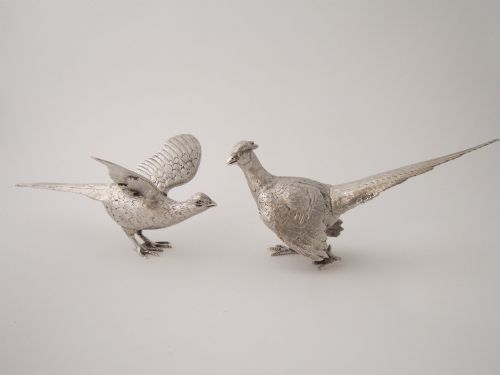
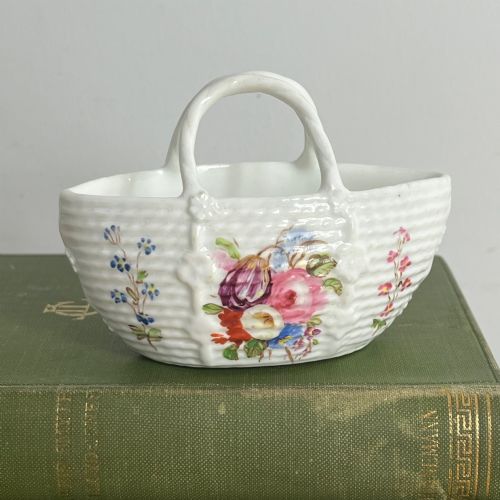
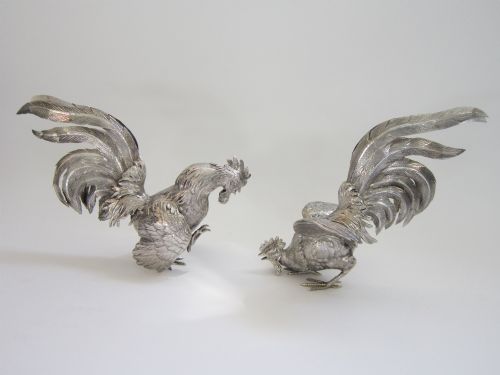
Antique table decorations transform a dining surface or display space through centuries of craftsmanship, offering everything from silver pheasants to porcelain baskets.
Antique Table Decorations
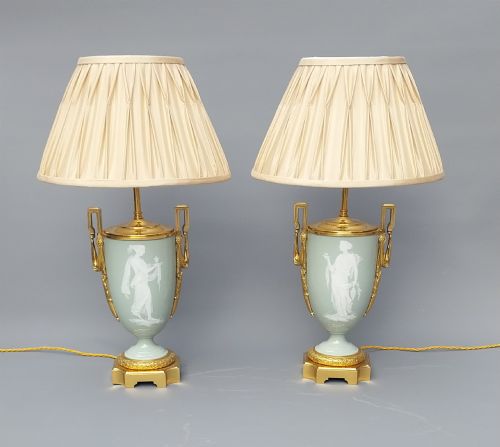
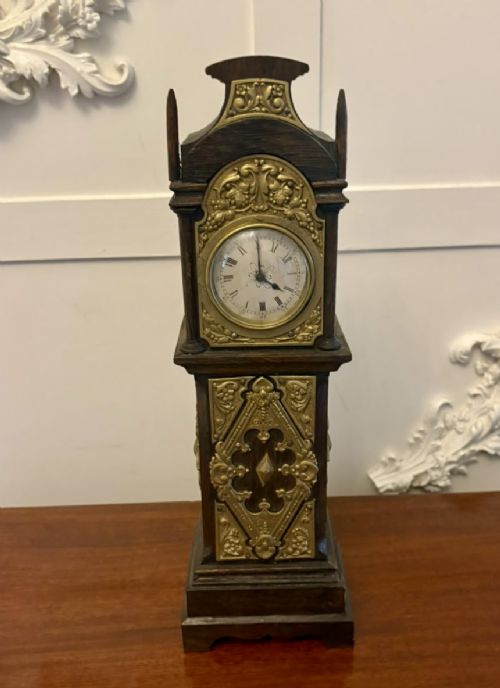
Antique table decorations encompass a diverse range of objects designed to adorn dining surfaces, side tables, and display cabinets. Buyers seeking antique table decorations encounter items spanning from the eighteenth century through to the mid-twentieth century, originating from British, European, and Asian workshops.
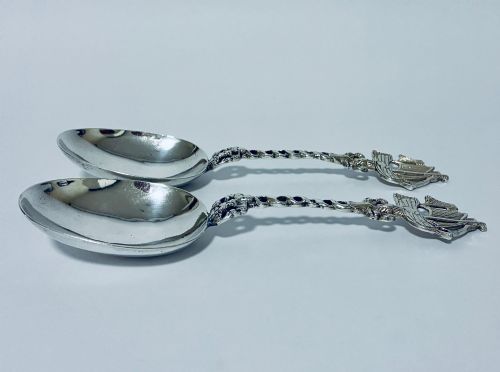
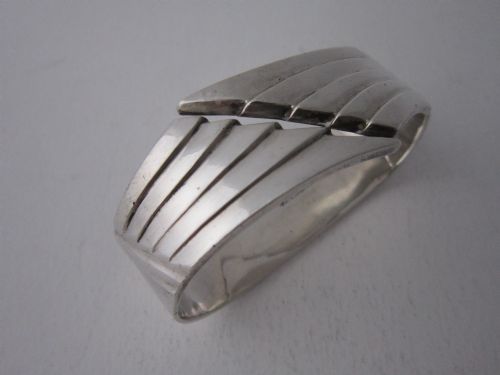
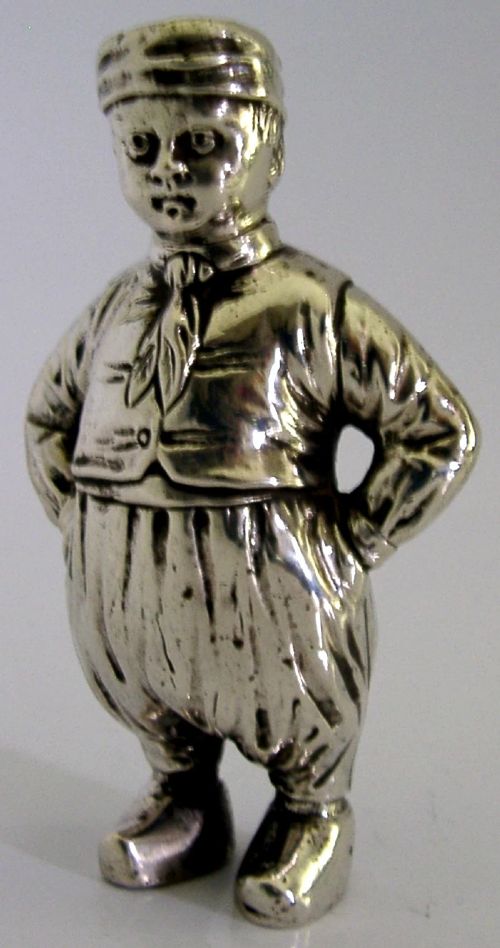
The selection ranges from functional silver napkin rings and place holders to ornamental figures, centrepieces, and small decorative bowls. Pieces often incorporate painted, inlaid, or carved decoration, reflecting the aesthetic preferences of periods such as the Georgian, Victorian, Edwardian, and Arts and Crafts eras.
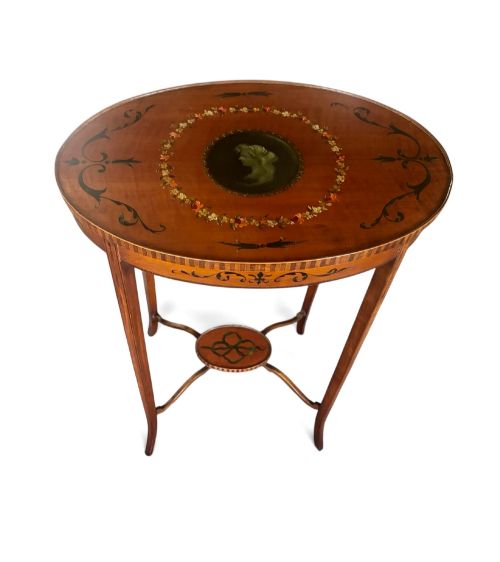
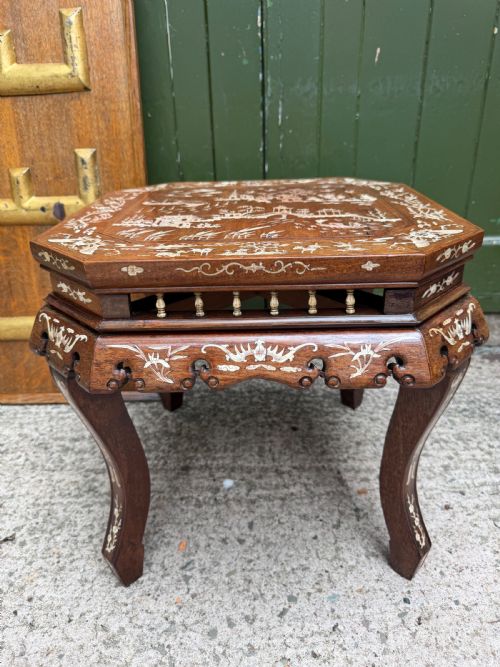
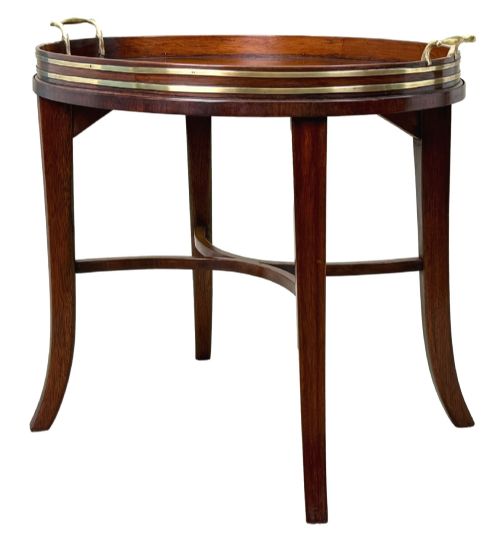
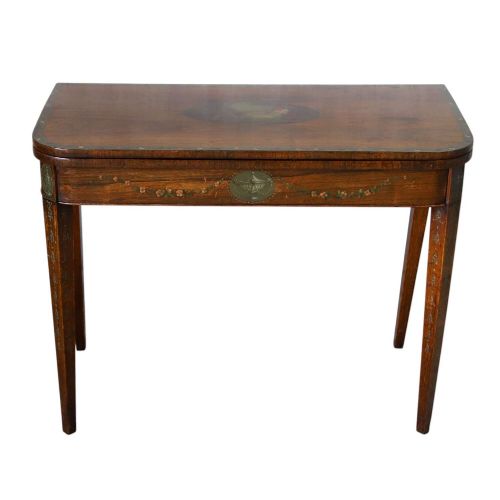
Occasional tables, writing tables, and stands also appear among the offerings, providing larger surfaces that carry decorative schemes. Materials vary widely, encompassing sterling silver, brass, copper, porcelain, glass, and various hardwoods such as mahogany and satinwood.
How They Were Made
Metals such as sterling silver, copper, and brass were shaped through casting, hand-hammering, and chasing, often finished with embossed or engraved details. Silver pieces frequently bear hallmarks that record the year of creation and the assay office.
Wooden items, including tables, trays, and cabinets, utilise timbers like mahogany, satinwood, and rosewood, frequently enhanced with marquetry, inlay, or painted floral decoration. Porcelain and glass objects utilise hand-painted enamel and gilt finishes applied to ceramics or crystal.
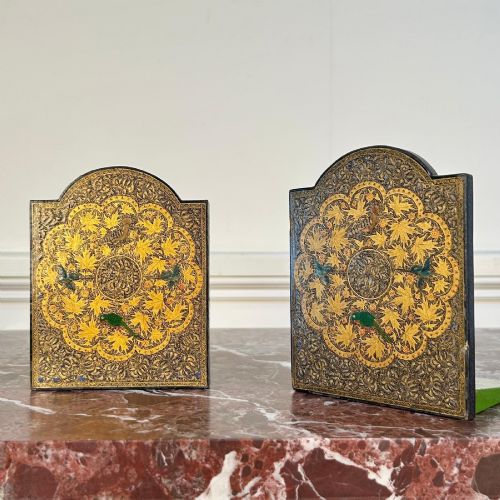
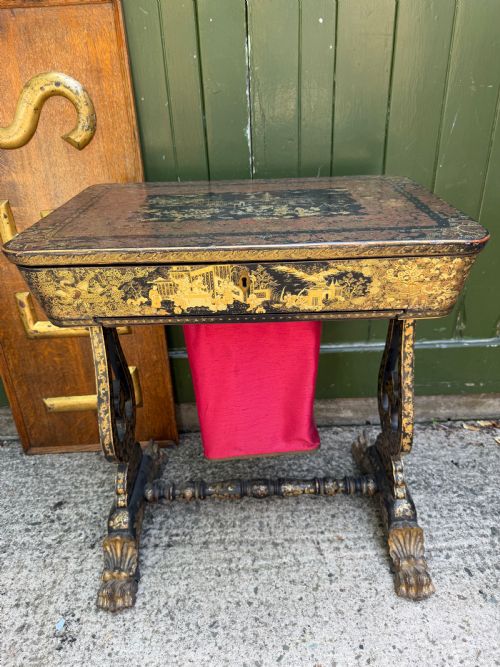
Export pieces from China and Japan demonstrate specialised lacquer techniques alongside intricate bone inlay and bronze mountings. Cabinetmakers and metalworkers employed traditional joinery and smithing methods suited to each specific material.
Antique Table Decorations Retail Price Guide 2026
Typical asking prices for table decorations among the pieces listed under this phrase on Sellingantiques today, from the lower quarter to the upper quarter. They describe what is for sale here now, not the wider market.
What Varies in Quality
Quality in these objects depends on the precision of the handwork, whether in the crispness of a chased floral decoration on copper or the fine detail of hand-painted porcelain flowers. Superior pieces display meticulous execution by named makers or recognised workshops rather than mass-produced uniformity.
The choice and preservation of materials dictate longevity and visual appeal, with solid silver, dense hardwoods, and high-grade crystal retaining their integrity better than plated or composite alternatives. Original surfaces, whether stencilled, painted, or polished, hold greater authority than later restorations or overpainting.
Proportion and design coherence separate standard domestic items from exceptional examples, such as kidney-shaped writing tables incorporating Wedgwood plaques or large crystal bowls with gold enamel work.
Flight Barr And Barr·Edwards And Roberts·Miles Mason·R E Stone·St Louis Glassworks
The Antique Table Decorations Glossary
- Epergne
- A large table centrepiece featuring multiple branching dishes or baskets used for holding fruit, sweets, or flowers. These vessels often stand on feet and appear in silver or glass.
- Hallmark
- An official stamp applied to precious metal items, indicating the purity of the silver or gold, the maker, and the year of assay. These marks provide definitive dating evidence for British and continental pieces.
- Marquetry
- A decorative technique where small pieces of wood veneer are fitted together to form pictorial or geometric patterns on furniture surfaces. Craftsmen utilise contrasting timbers to achieve tonal variation.
- Chinoiserie
- A European artistic style reflecting Chinese and East Asian motifs, prevalent in decorative arts and furniture decoration during the eighteenth and nineteenth centuries.
- Cruet
- A small vessel or set of containers designed to hold condiments such as pepper, salt, or mustard for table service. These pieces frequently take novel forms in silver or ceramic.
Antique Table Decorations: Frequently Asked Questions
How do I care for antique silver table decorations?
Antique silver requires gentle cleaning with non-abrasive cloths and specialised silver polish used sparingly to preserve hallmarks and fine details. Regular dusting and avoidance of rubber bands or damp environments prevent tarnishing and corrosion.
Displaying pieces away from direct sunlight protects any integrated organic materials or delicate mountings.
How can I tell the period of a wooden occasional table?
The period of a wooden table is indicated by the choice of timber, such as mahogany in the eighteenth century or satinwood in the Edwardian era, alongside construction methods and decorative styles. Inlaid decoration, painted floral motifs, and edge banding reflect the prevailing tastes of Georgian, Victorian, or Arts and Crafts makers.
Secondary woods used underneath or inside drawers also offer clues to the regional origin and date.
Were table gongs used in everyday homes?
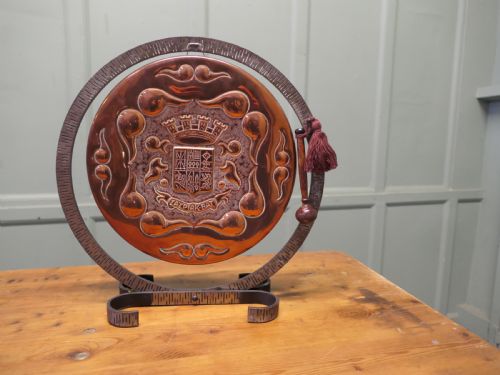
Table gongs made of copper, iron, and wood served a practical purpose in larger nineteenth-century households for summoning residents to meals or announcing guests. Struck with a mallet, they produced a resonant tone audible through multiple rooms.
Over time, these utilitarian objects transitioned into decorative ornaments displayed on sideboards and tables.