
Antique Table Caddy
An antique table caddy gathers tea leaves, condiments or small valuables in fitted boxes of rosewood, mahogany and sterling silver.
Antique Table Caddy
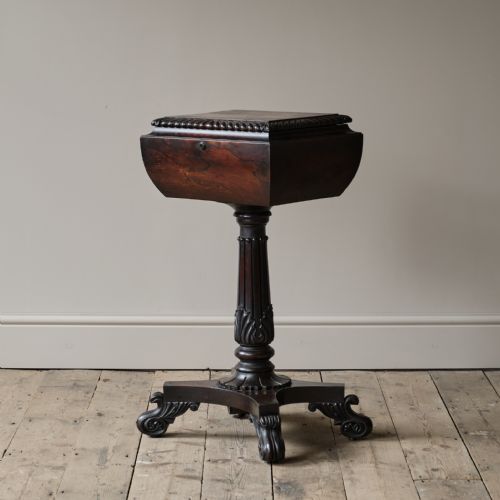
When buyers search for an antique table caddy, they find tea caddies, teapoys, and small storage boxes originating from the Georgian, Regency, Victorian, and Edwardian periods. These pieces sit on tables or pedestals, serving as refined receptacles for dry goods or personal treasures.
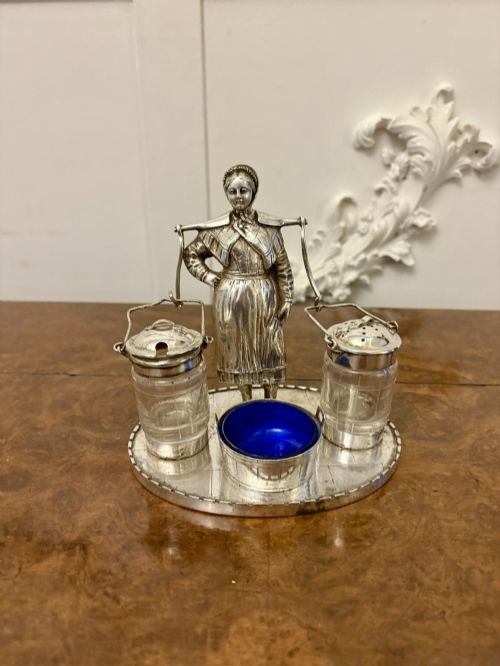
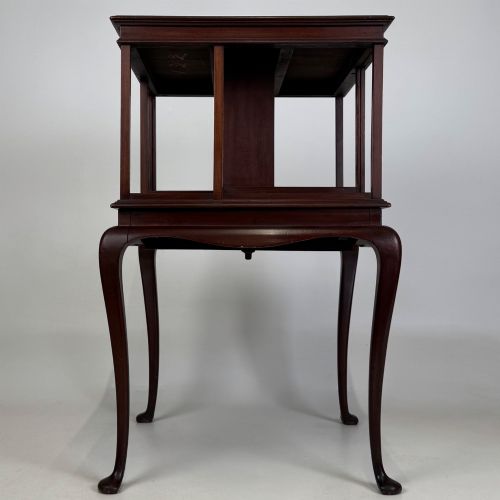
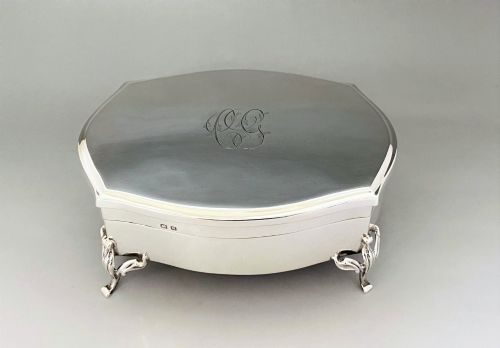
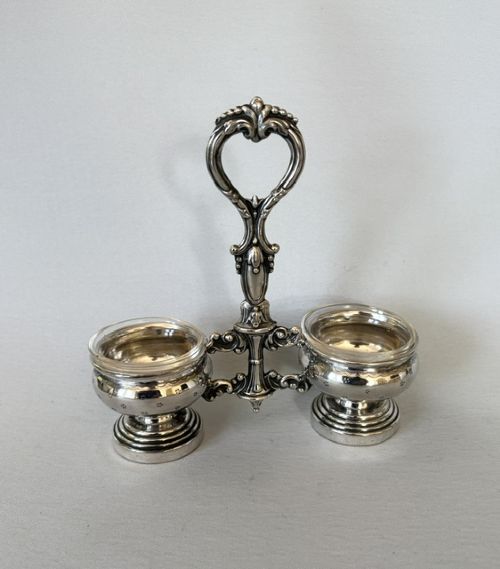
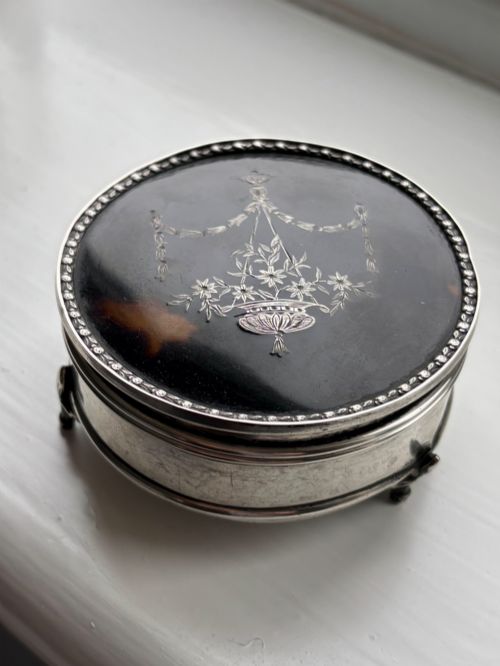
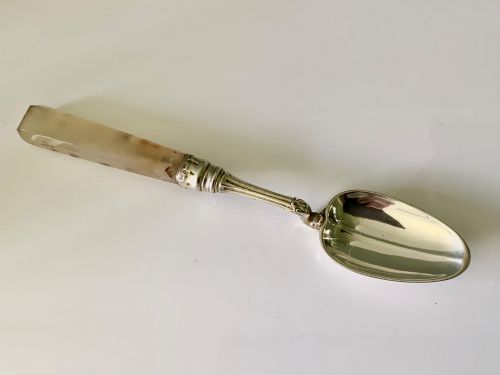
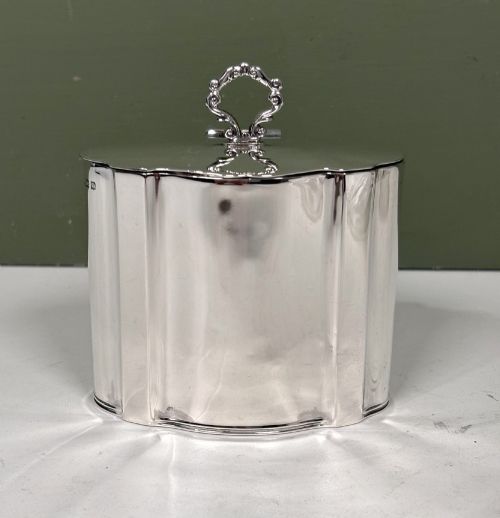
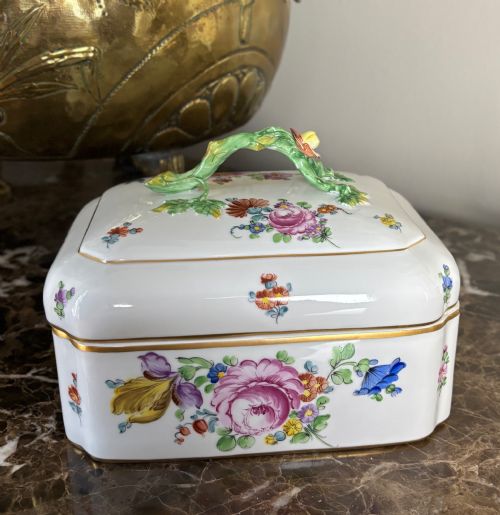
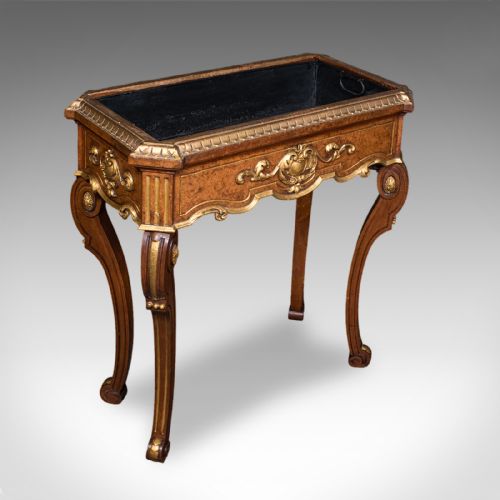
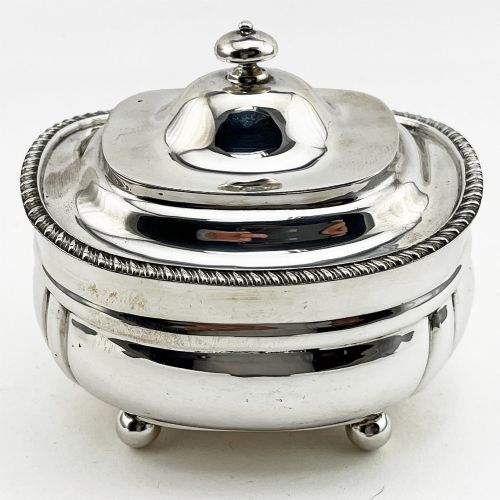
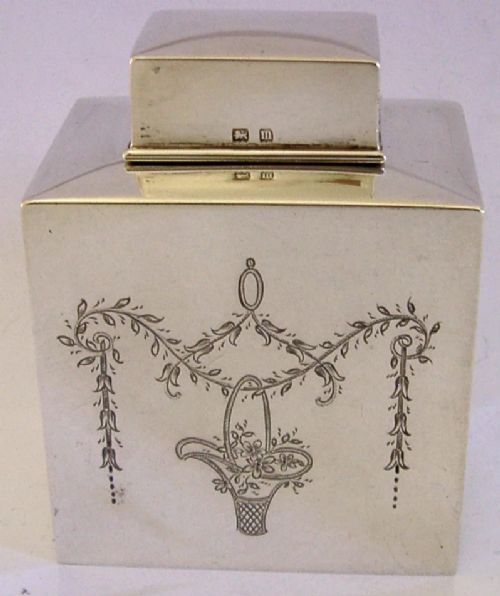
The selection on this page leans toward mahogany and rosewood tea caddies alongside sterling silver boxes, cruet sets, and biscuit barrels from the nineteenth and early twentieth centuries. Certain items take the form of larger teapoys and cellarettes resting upon floor stands.
Makers utilised dense timbers and precious metals to construct vessels intended for domestic display and daily utility in period drawing rooms and dining rooms.
How they were made
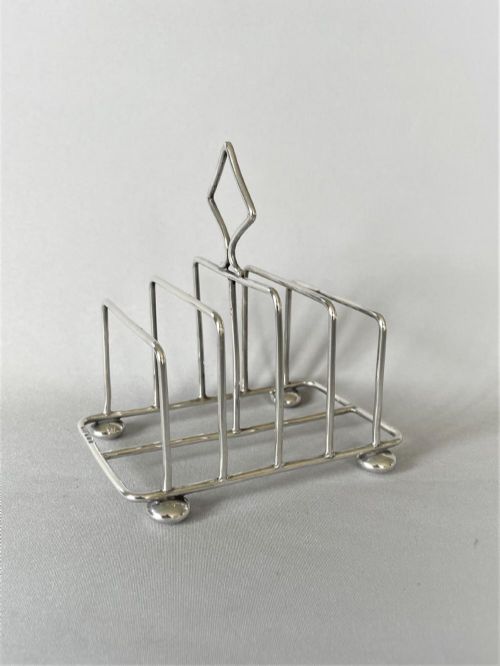
Cabinet makers constructed wooden caddies from solid mahogany and rosewood, often applying flame veneers and intricate carving to surfaces. Metal versions rely on sterling silver or silver plate formed into boxes, cruet frames, and toast racks.
Interior fittings frequently include cut glass containers, compartments for loose leaf tea, and hinged lids secured with brass locks. Craftsmen combined woodworking joinery with silversmithing techniques to produce durable containers.
Locks on nineteenth-century tea caddies kept precious leaves secure from light-fingered domestic staff.
What varies in quality
Quality rests in the selection of timber grain, such as figured mahogany or rosewood, and the precision of the joinery on box corners and lids. Superior examples retain original silver hallmarks, fitted interiors, and working locks with matching keys.
Subtle differences appear in the weight of the silver, the depth of cut glass hobnail patterns, and the crispness of carved details on wooden surfaces. Pieces bearing recognised maker marks command attention for documented workshop origins.
Mappin and Webb·Ollivant and Botsford·Zimmermann
The Antique Table Caddy Glossary
- Teapoy
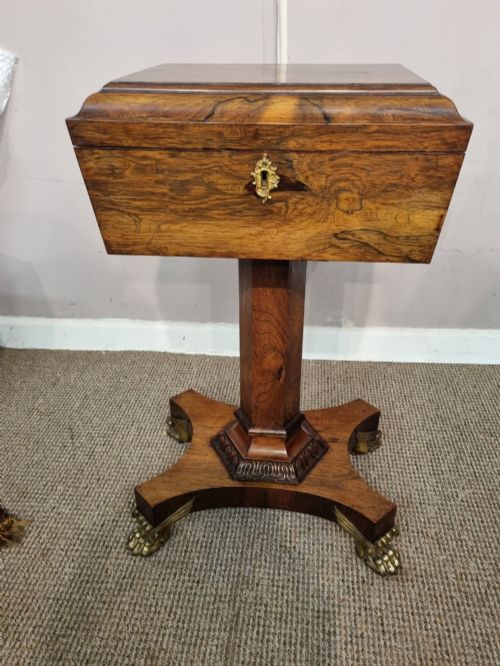
- A pedestal table fitted with a tea caddy box on top, originating in the Georgian and Regency periods. These pieces allowed tea to be dispensed in the parlour.
- Cruet set
- A matched group of glass bottles or jars held within a silver or silver-plated stand for condiments at the dining table. Edwardian examples often feature cut glass.
- Sarcophagus
- A box shape with a sloping lid resembling a stone coffin, popular for Regency and nineteenth-century tea caddies and work tables.
- Navette
- A boat-shaped outline with pointed ends, seen on Georgian table snuff boxes and small silver containers.
- Cellarette
- A lockable container used for storing wine bottles near the dining table, constructed in wood during the Georgian era.
Antique Table Caddy: Frequently Asked Questions
How do I date an antique caddy?
Dating relies on examining the timber species, construction methods, hardware, and any silver hallmarks present on the piece. Georgian and Regency pieces show distinct cabinet-making styles and proportions.
Silver components carry date letters and maker marks that pinpoint the exact year of manufacture. Wood grain and interior lining materials offer further clues to the period of origin.
Were teapoys used for tea?
Teapoys served as small tables holding tea caddies where the host mixed black and green teas before brewing. They stood beside chairs in fashionable drawing rooms during the nineteenth century.
Inside the hinged top, compartments kept tea leaves dry, while mixing bowls held sugar. Some teapoys also incorporated sewing equipment or writing surfaces.
How do I care for wooden caddies?
Wooden caddies require stable indoor humidity away from direct sunlight and heat sources to prevent timber cracking or veneer lifting. Gentle dusting with a dry cloth preserves the polished surface.
Avoid liquid cleaners on antique wood finishes and treat silver elements with appropriate polishes only when necessary to protect hallmarks and fine engraving.