





Antique Table Bench
An antique table bench offers versatile seating and surface utility, drawing on centuries of craftsmanship in oak, pine, and exotic hardwoods.
Antique Table Bench
When searching for an antique table bench, buyers encounter a diverse mix of forms that bridge the gap between seating and surface, including monastic fold-over designs and heavy refectory seating.
The pieces on this page span several centuries, with particular emphasis on Victorian and Edwardian examples alongside earlier vernacular forms and provincial European worktables.
Origins range widely from English oak workshops to French provincial settings and Chinese export production, uniting practical utility with distinct period character.
Materials and Construction
Makers relied heavily on domestic timbers like oak, pine, sycamore, and ash for robust everyday items, while finer pieces utilised dense hardwoods such as mahogany, walnut, and rosewood.
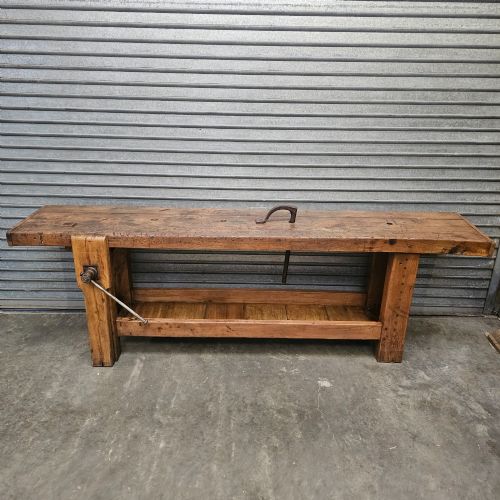
Construction techniques vary from utilitarian pegged joints in provincial workbenches and pig benches to more ornate carved details found in Victorian and Edwardian seating.
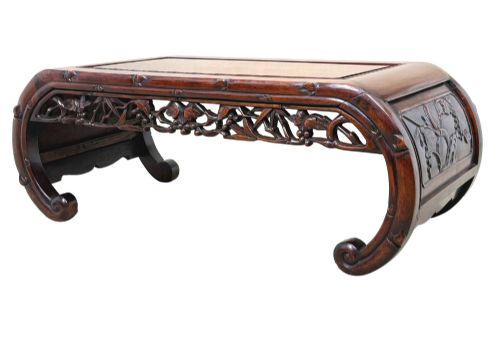
Surface treatments range from plain waxed timber and white paint to original lacquered finishes on Chinese elm and hardwood items.
Antique Table Bench Retail Price Guide 2026
Typical asking prices for table bench among the pieces listed under this phrase on Sellingantiques today, from the lower quarter to the upper quarter. They describe what is for sale here now, not the wider market.
Listings feature items spanning the 17th, 18th, 19th, and 20th centuries, constructed from oak, pine, mahogany, walnut, rosewood, and elm.
Judging Quality and Integrity
Quality in these pieces rests on the integrity of the timber and the honesty of the construction, where sturdy joints and original surfaces outweigh mere decorative flourish.
The distinction between a humble utilitarian workbench and a grander salon or refectory form lies in the depth of the carving, the selection of superior hardwoods, and the preservation of patination over time.
Finer items retain their original structural hardware and upholstery foundations, whereas vernacular pieces derive their appeal from unpretentious proportions and authentic signs of daily use.
Jack Grimble
The Antique Table Bench Glossary
- Monk's bench
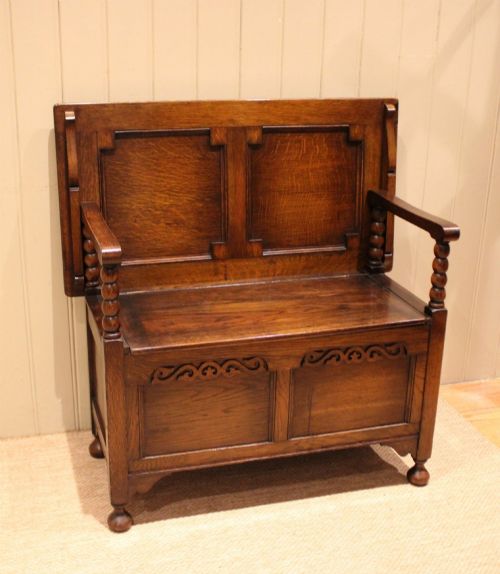
- A multi-functional item featuring a hinged top that folds down to form a table or tilts up to create a high-backed seat with storage beneath.
- Refectory table
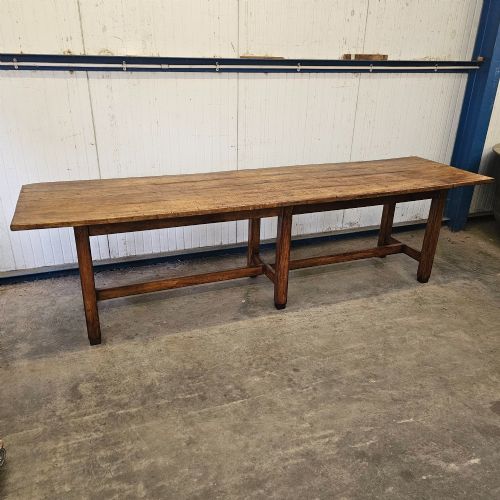
- A long, narrow dining table traditionally used in communal halls, frequently accompanied by matching long benches.
- Pig bench
- A low, sturdy wooden bench originating from agricultural settings, built with thick slab tops and splayed legs for maximum stability.
- Luggage stand
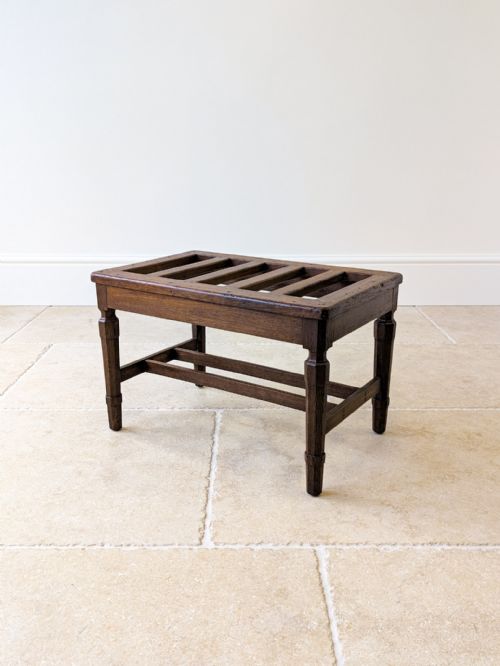
- A low folding or fixed frame designed to hold baggage, often utilised today as a compact bench or side table.
- Vernacular
- Describing utilitarian objects built by regional craftsmen using local traditions and readily available materials rather than following high-style academic designs.
Antique Table Bench: Frequently Asked Questions
What is a monk's bench?
A monk's bench is a dual-purpose item of furniture that combines a seat with a folding top.
When the top is flipped upright, it serves as a panelled backrest with a box compartment beneath the seat for storage.
How were workbenches used?
Workbenches were heavy utility tables designed for trades such as carpentry, butchery, or laundry.
They often include integrated vices, clamping bars, or lower shelves to hold heavy tools and materials during daily labour.
How do I identify a refectory bench?
Refectory benches are long, narrow seating forms built to accompany communal dining tables.
They usually feature solid timber tops supported by sturdy trestle ends or heavy turned legs.