

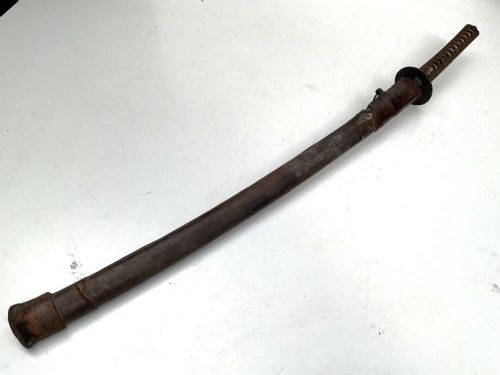
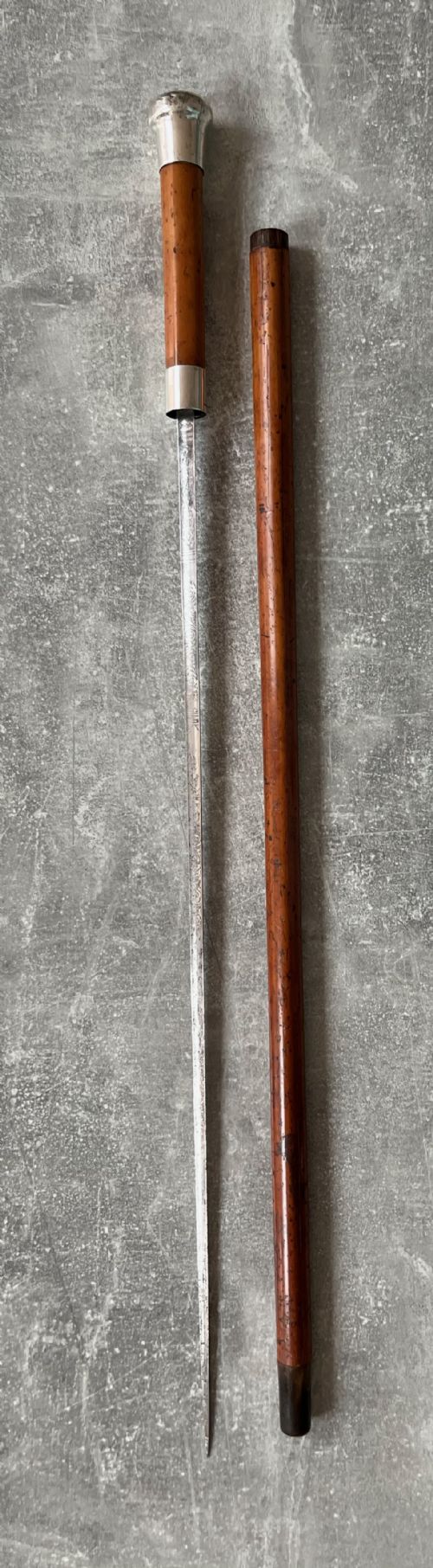
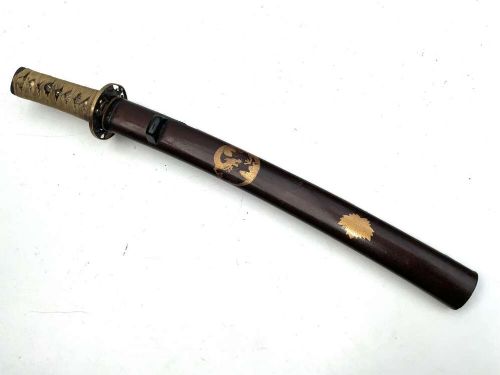
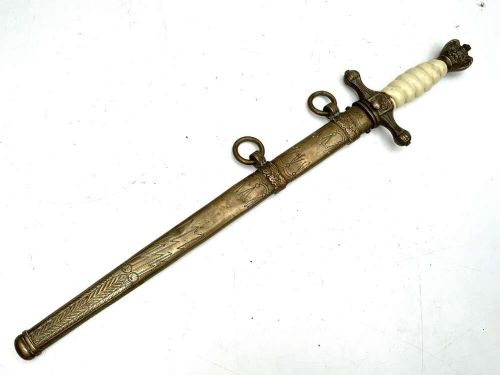
Antique Sword Weapon
An antique sword weapon carries history in its steel, ranging from military sabres to concealed walking sticks.
Antique Sword Weapon
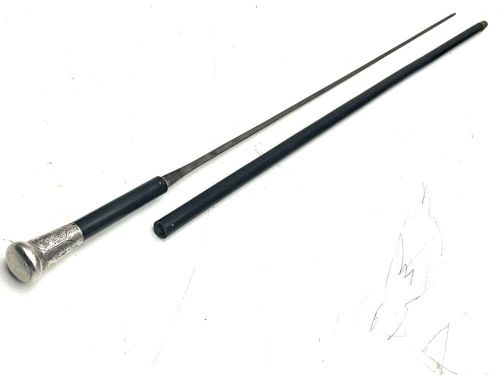
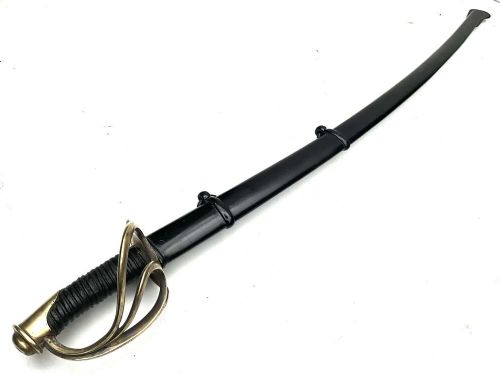
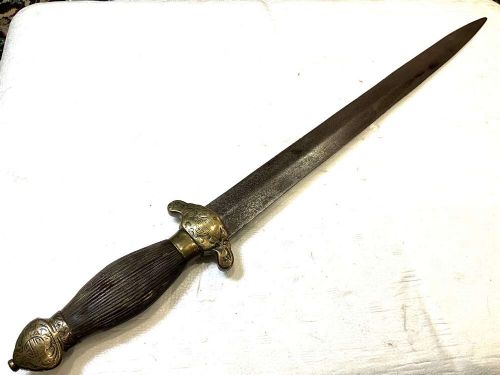
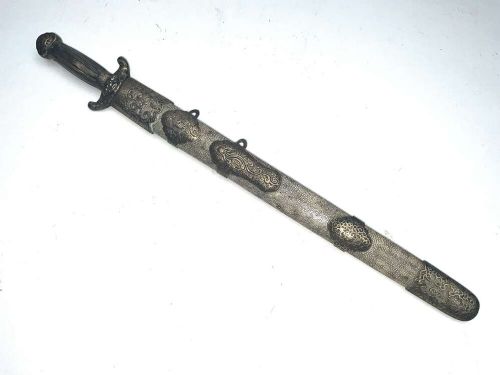
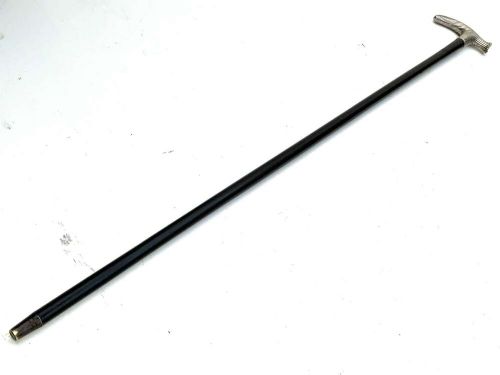
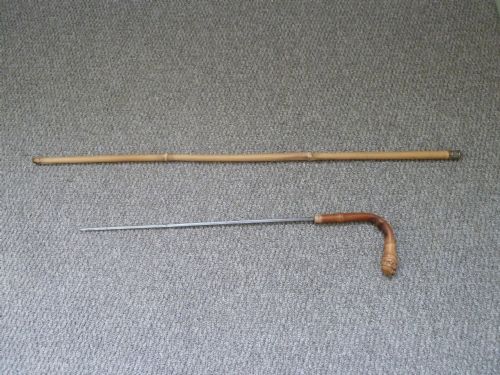
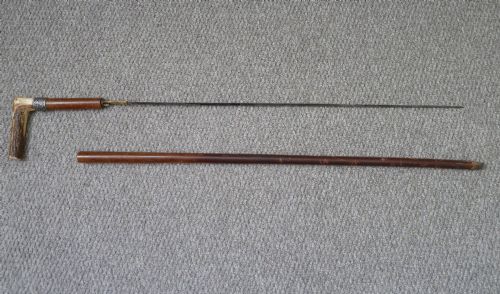
When searching for an antique sword weapon, collectors encounter two distinct forms: military edged blades issued to troops and officers, and civilian walking sticks concealing steel blades within wood or malacca shafts.
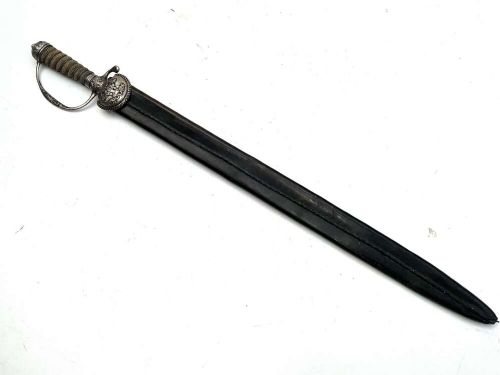
The civilian pieces span the Victorian and Edwardian eras, often utilising cane, cherrywood, or partridge wood, while military examples include cavalry sabres, bayonets, and spadroons.
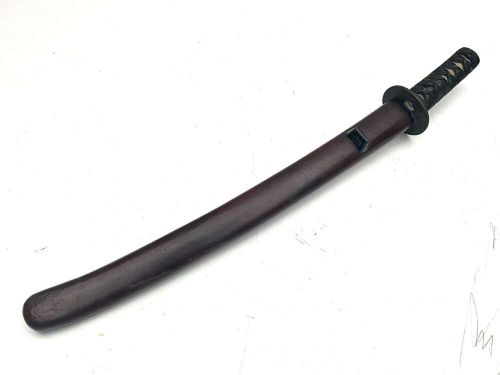
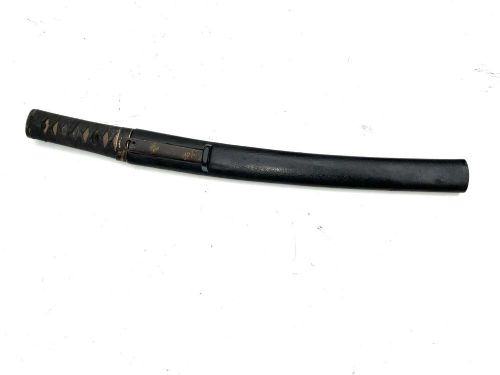
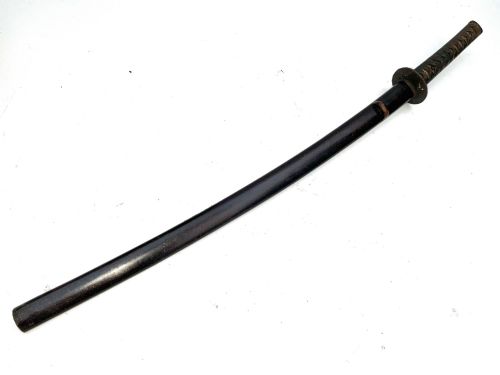
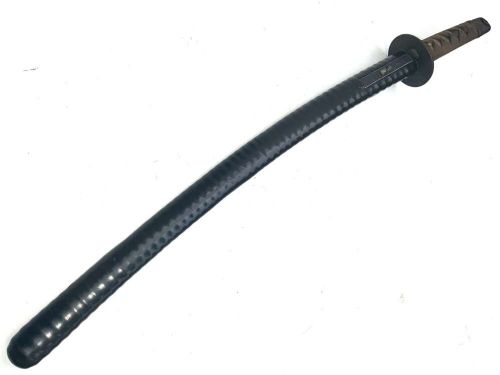
Japanese samurai swords and wakizashis from feudal periods also appear alongside European military patterns dating from the eighteenth century onward.
Materials and construction
Steel forms the primary blade material, frequently paired with Toledo or Wilkinson signatures, while handles utilise horn, silver, brass, and carved wood.
Shafts for concealed weapons employ malacca, bamboo, and various hardwoods fitted with button releases or screw mechanisms to secure the blade inside.
Mounts incorporate silver, gold, and brass details, whilst leather and metal comprise the associated scabbards for military sabres and bayonets.
Antique Sword Weapon Retail Price Guide 2026
Typical asking prices for sword weapon among the pieces listed under this phrase on Sellingantiques today, from the lower quarter to the upper quarter. They describe what is for sale here now, not the wider market.
The listings span from fourteenth-century Japanese blades up to twentieth-century military swords and civilian walking sticks.
Assessing quality and finish
The refinement of the blade engraving and the precision of the locking mechanism separate ordinary pieces from superior examples.
Handle material choice and mounting detail, such as silver work or carved horn, indicate the original tier of commissioning for the piece.
Blade integrity and maker attribution, including recognised London or continental workshops, determine the standing of each weapon.
Wilkinson·Brigg·E Thurkle
The Antique Sword Weapon Glossary
- Spadroon
- A lightweight military sword featuring a straight single-handed blade used by British officers during the eighteenth and nineteenth centuries.
- Wakizashi
- A traditional Japanese short sword carried by samurai, frequently paired with a longer katana in feudal times.
- Mameluke
- A curved military sabre modelled on traditional swords of the Middle East and adopted by British and American general officers.
- Kindjal
- A double-edged Caucasian dagger featuring a wide blade and integral hilt construction.
- Malacca
- A prized rattan cane imported from Southeast Asia, commonly utilised for walking sticks and sword sticks due to its flexibility and strength.
Antique Sword Weapon: Frequently Asked Questions
How do I clean an antique sword weapon?
Apply a light coat of microcrystalline wax or suitable oil to steel blades to prevent oxidation without removing historical patina.
Avoid harsh abrasives on wooden shafts and leather scabbards, maintaining them with gentle conditioning products.
Can I legally own a sword stick?
Legislation regarding concealed blades varies by jurisdiction, requiring buyers to verify local laws concerning possession and display.
Many antique sword sticks fall under specific heritage exemptions for collectors, provided they remain securely housed.
How do I identify the date of a military sabre?
Examine the blade spine, ricasso, and guard for government acceptance stamps, regimental markings, and maker signatures.
Pattern dates stamped into the metal often indicate the regulation year rather than the exact manufacturing date.