




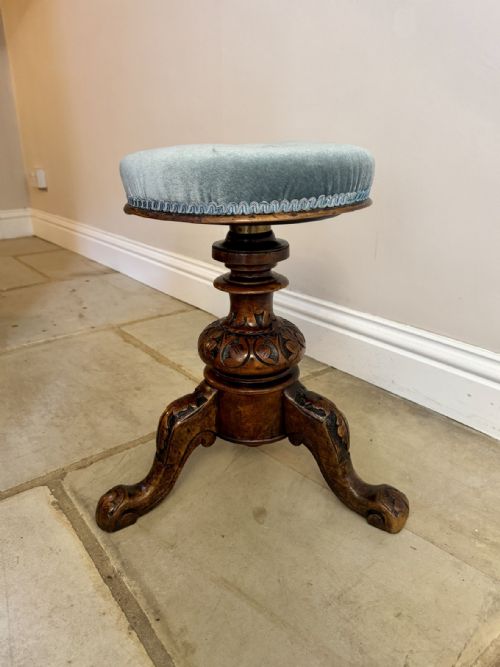
Antique Swivel Seat
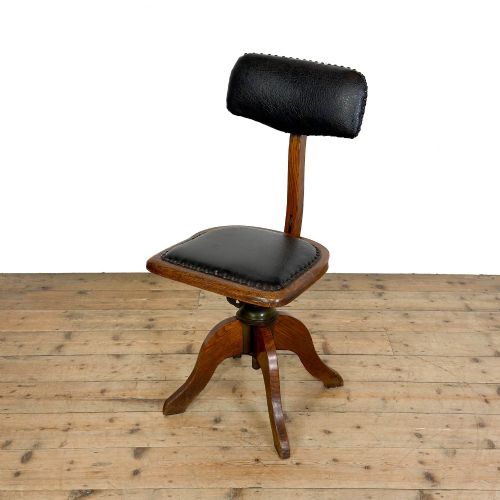
An antique swivel seat brings practical movement to a period room, most often found here as a Victorian or Edwardian desk chair or music stool.
Antique Swivel Seat
When you search for an antique swivel seat, you encounter a practical category spanning several centuries of domestic and commercial seating. These pieces range from heavy office armchairs to piano stools and industrial work seats.
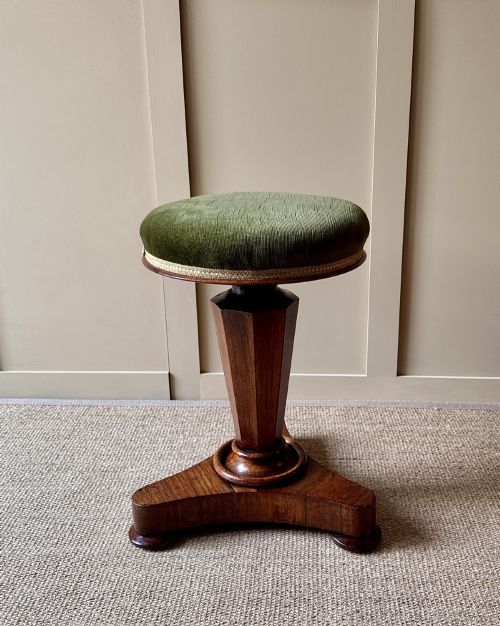
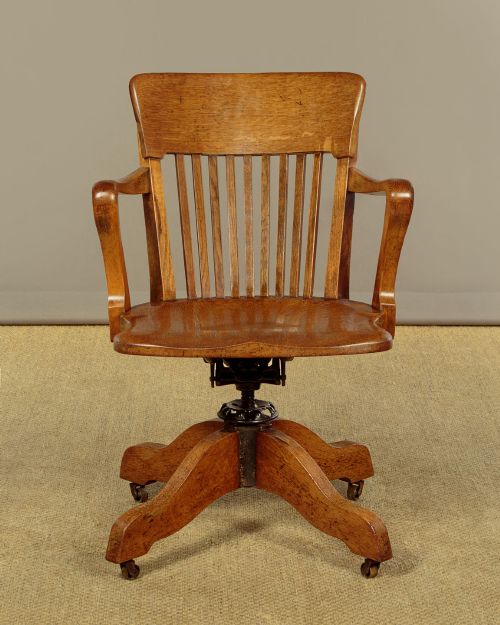
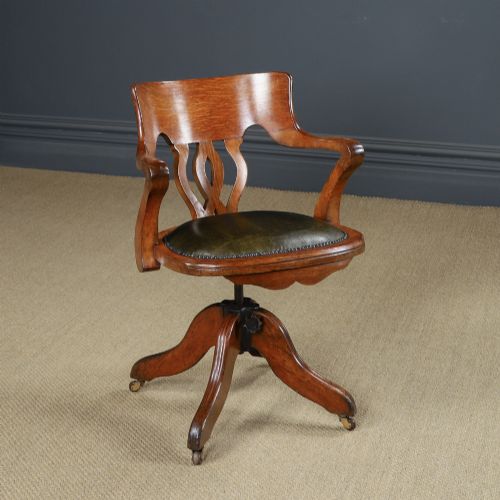
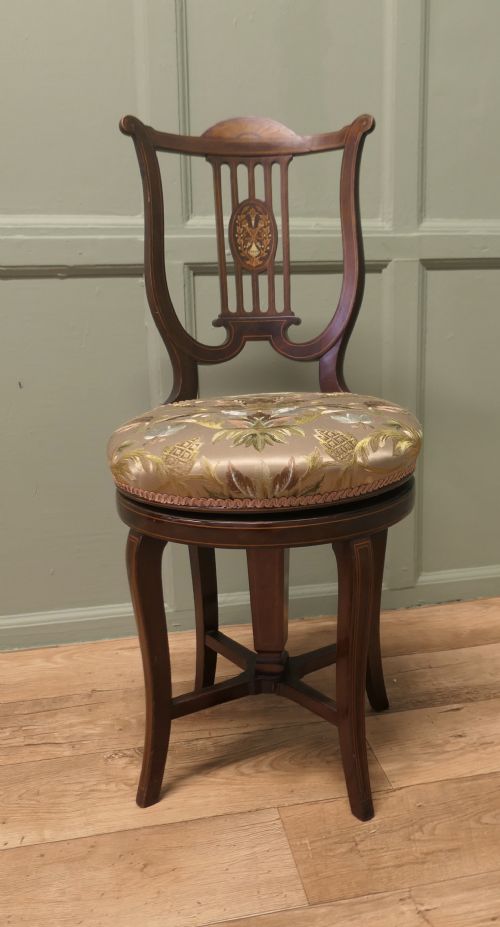
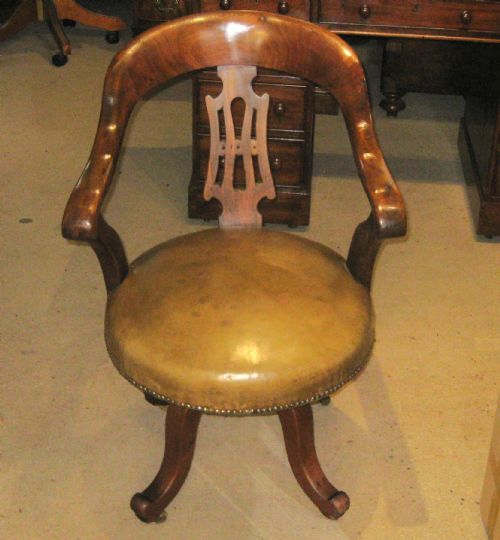
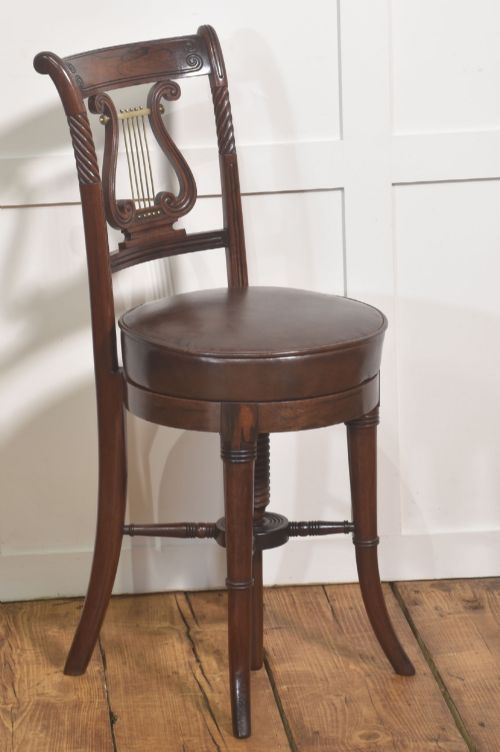
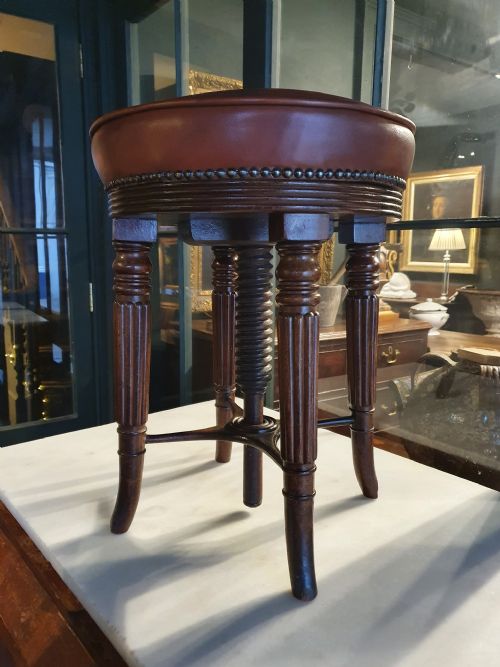
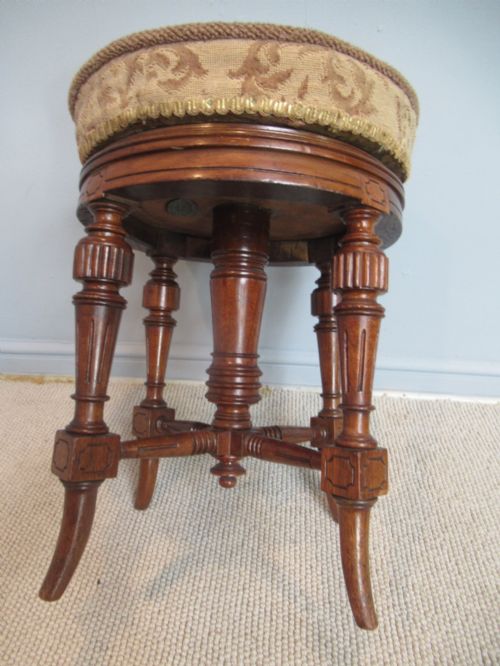
The most common versions on this page are Victorian and Edwardian desk chairs made from mahogany, walnut, or oak, alongside adjustable music stools designed for the piano or harp.
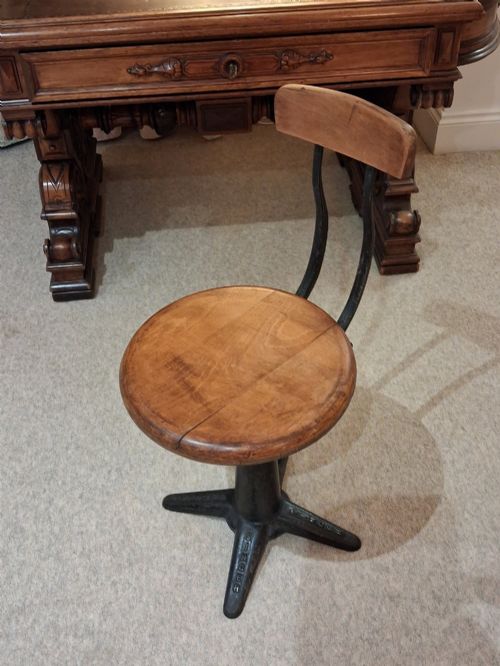
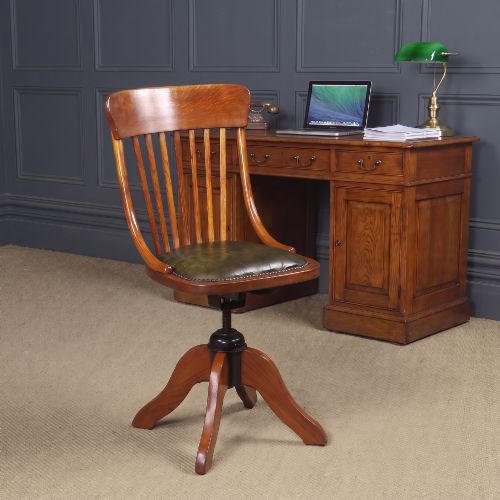
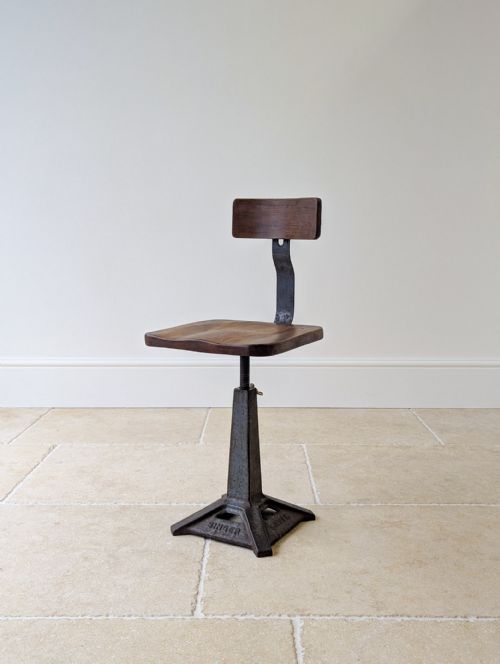
Forms vary significantly, from upholstered armchairs with leather seats to simpler wooden stools and industrial cast iron designs originating from workshops and ships.
How they were made
Makers utilised timber such as mahogany, walnut, oak, and rosewood for the primary frames, turning and carving the wood for structural strength and decoration. Leather, velvet, and hide provide the upholstery for desk chairs, while mechanical metal components allow for the revolving and adjustable height functions.
Industrial examples rely heavily on cast iron bases combined with elm or wood tops to withstand heavy daily use. Complex rising mechanisms, screw threads, and pivot pins enable the smooth rotation and height adjustment central to these designs.
Antique Swivel Seat Retail Price Guide 2026
Typical asking prices for swivel seat among the pieces listed under this phrase on Sellingantiques today, from the lower quarter to the upper quarter. They describe what is for sale here now, not the wider market.
Certain pieces left dry land entirely, originating as specialised shipboard seating designed to keep sailors steady at sea.
What varies in quality
Quality rests in the smoothness of the underlying swivel mechanism and the integrity of the rotating column. Better examples maintain a tight pivot without excessive wobble.
The choice of timber and the depth of carving separate standard utility seating from finer library and drawing room pieces. Well-figured walnut, rich mahogany, and detailed joinery elevate the stature of a desk chair or music stool.
Jennens & Bettridge·Gillows
The Antique Swivel Seat Glossary
- Revolving
- The ability of the upper seat to turn in a complete circle on its base. This mechanism relies on a central spindle or pivot found beneath the seat.
- Rise and fall
- An adjustable height mechanism operated by a screw thread or winding handle. It allows the user to raise or lower the seat level.
- Desk chair
- A sturdy seat designed for administrative work, often featuring arms and a revolving base to reach across a workspace.
- Music stool
- A seat designed specifically for musicians at a piano, organ, or harp. Many include height-adjustable mechanisms to suit different players.
- Papier-mâché
- A moulded composite material used for decorative panels on Victorian furniture. It provides a smooth surface for lacquer and ornamentation.
Antique Swivel Seat: Frequently Asked Questions
What is an antique swivel seat used for?
These pieces served practical roles in offices, libraries, music rooms, and industrial workplaces. They allowed seated users to turn easily or adjust their height for tasks like writing or playing an instrument.
Today, they function well in home studies or living spaces where mobility and period character are both required.
How do I date an antique swivel seat?
Dating relies on identifying the prevailing timber choices, hardware styles, and construction methods of periods like the Victorian, Edwardian, or Regency eras. Stamped signatures or specific mechanical patents can also narrow down the year of manufacture.
Looking closely at the turning style and the type of metal used in the swivel mechanism helps distinguish mid-nineteenth-century pieces from early twentieth-century designs.
Are antique swivel chairs comfortable for daily use?
Many office desk chairs from the late nineteenth and early twentieth centuries were built for sustained daily clerical work. Their ergonomic wooden backs and padded leather seats offer robust support.
Lighter music stools or piano seats feature less back support and are intended for shorter periods of seated practice.
How do I maintain a revolving mechanism?
The internal pivot or screw thread benefits from occasional light lubrication to ensure smooth turning and prevent metal wear. Keeping the timber away from extreme heat sources protects the joints from drying out.
Regularly checking the underside fixings ensures the revolving upper section remains securely attached to the base.